Have you ever taken a step back, looked at your house, and wondered, “What style is my house?” It’s more than just idle curiosity—understanding your home’s architectural identity can unlock a world of possibilities. From planning renovations to designing interiors that reflect your home’s essence, understanding your home’s style is key to creating a harmonious living space.
Why Knowing Your Home Style Matters
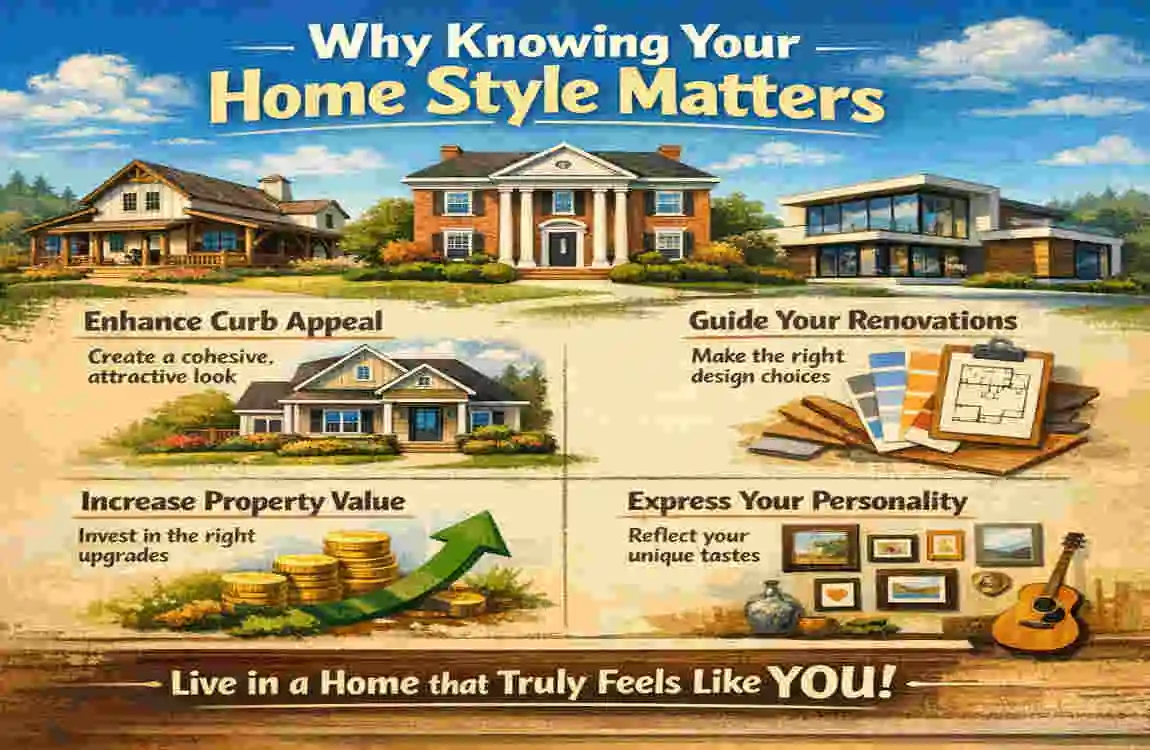
Understanding your home’s architectural style goes beyond aesthetics. It’s about preserving history, enhancing its value, and creating a deeper connection with your living space.
Preserving History and Architecture
Every home tells a story, and its architectural style reflects the era and culture in which it was built. By identifying your home’s style, you’re helping to preserve its historical roots and architectural integrity. For instance, a Victorian home deserves to retain its intricate detailing and charm, while a Modern home thrives with clean, minimalist lines.
Practical Benefits
Knowing your home’s style isn’t just for history buffs. It’s practical too! When you understand your home’s design:
- Renovations and repairs become easier to plan when results are cohesive.
- It can simplify the buying or selling process, as potential buyers appreciate a home that stays true to its architectural roots.
- Your interior and exterior design choices become more informed, creating a visually pleasing and unified space.
Personal Connection
Identifying your home’s style fosters a deeper appreciation for its uniqueness. It’s not just a house—it’s your home, with a personality that reflects you. This connection transforms how you live and interact with your space.
The Basics of Home Styles
Before diving into identifying your home’s style, let’s explore the elements that define architectural styles and the most common categories.
What Defines a Home Style?
Specific architectural and design elements distinguish home styles. Here are some key features to look at:
- Roof shape: For example, a steep gabled roof often indicates a Colonial style, while flat roofs are hallmarks of Modern homes.
- Windows and doors: The size, shape, and arrangement of windows can offer clues. Think bay windows for Victorian homes or floor-to-ceiling glass windows for Contemporary designs.
- Materials used: Homes with brick exteriors often lean toward Traditional styles, while wooden exteriors are common in Farmhouses.
- Layout and size: Large open spaces may suggest a Modern home, while smaller, compartmentalized rooms are classic in older styles.
Common Categories of Home Styles
Let’s break down the broad categories:
- Traditional Styles: Includes Colonial, Victorian, and Tudor homes. These homes boast intricate detailing, symmetry, and timeless beauty.
- Modern Styles: Includes Mid-Century Modern and Contemporary homes. Defined by minimalism, clean lines, and open spaces.
- Transitional Styles: A blend of old and new, incorporating traditional forms with modern updates.
- Eclectic Styles: These homes blend influences from various styles, such as Mediterranean Home or Bohemian, for a unique, personalized look.
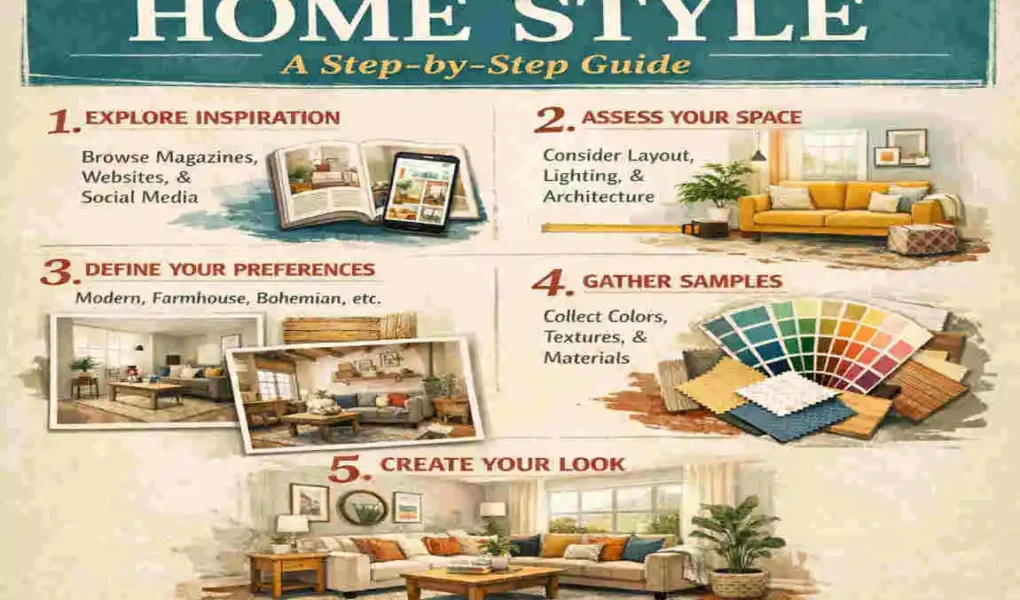
Step-by-Step Guide to Discovering Your Home Style
Identifying your home’s style may feel overwhelming, but breaking it into manageable steps makes it easier.
Analyze the Exterior Architecture
Start by examining the outside of your home:
- Roof shape: Is it steeply pitched, flat, or somewhere in between?
- Window styles: Are the windows symmetrical or asymmetrical? Are they large or small?
- Building materials: Look at your home’s exterior finish. Is it brick, wood, stucco, or stone?
For example:
- A Colonial home often features symmetrical windows and steep gabled roofs.
- A Modern home may have flat roofs and large glass windows.
Examine Interior Features
Step inside and look for design details:
- Moldings and trim: Crown molding and wainscoting are common in Traditional homes.
- Flooring: Hardwood floors often indicate older styles, while polished concrete floors lean toward modern aesthetics.
- Ceiling height: High ceilings with exposed beams suggest a rustic style, like Craftsman or Farmhouse.
Determine the Era
The year your home was built can provide significant clues. For instance:
- Homes from the 1920s often reflect Craftsman or Art Deco styles.
- Mid-20th-century homes are often Mid-Century Modern.
Research Regional Influences
Your home’s location plays a significant role in its style:
- Southwestern Adobe homes are common in arid regions.
- New England Colonials feature steep roofs and central chimneys, designed for colder climates.
Consult Online Tools
There are many online tools and resources available to help you identify architectural styles. Use apps or image recognition tools to compare your home’s features with common styles.
Seek Professional Help
If you’re still unsure, consider hiring an architect or interior designer. Their expertise can provide deeper insight into your home’s origins and style.
Common Home Styles (With Visual Examples)
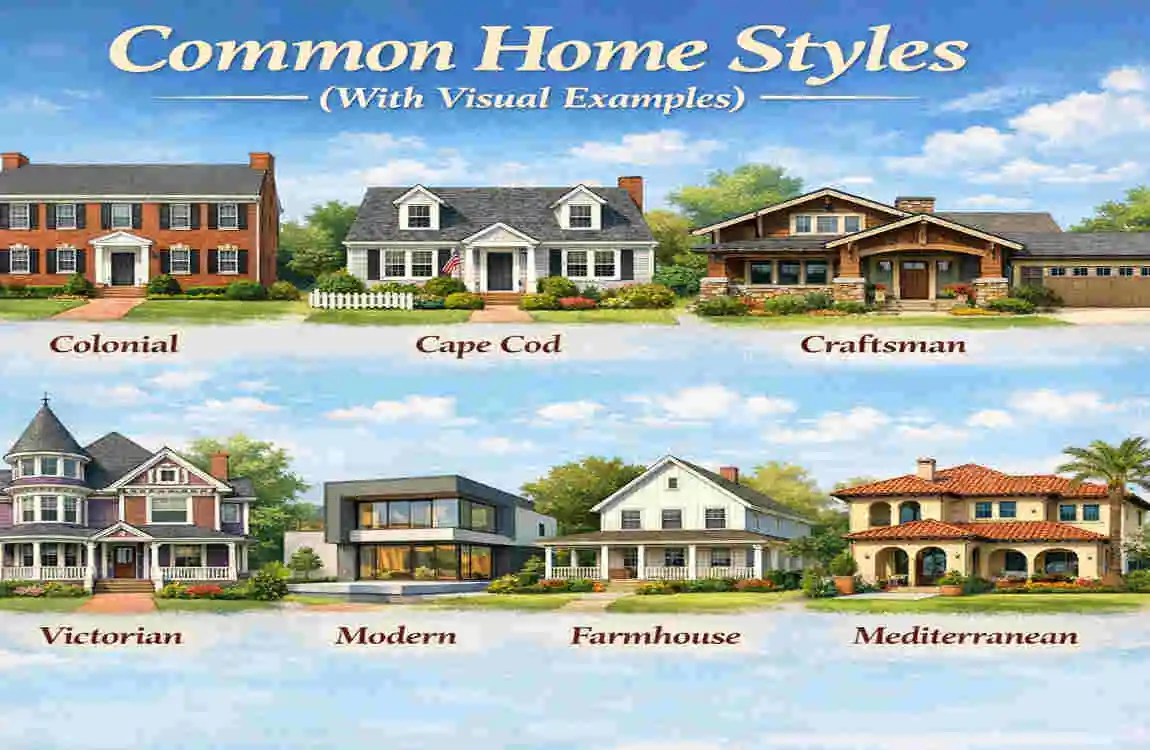
To make things even clearer, let’s explore some of the most popular home styles.
Style Key Features Examples
Traditional Symmetry, decorative details, steep roofs. Colonial, Tudor, Victorian
Modern Clean lines, open spaces, minimalism. Mid-Century Modern, Contemporary
Rustic Natural materials, warm tones, handcrafted details. Farmhouse, Craftsman, Log Cabin
Eclectic Mixing elements from different styles. Mediterranean, Bohemian
Tips for Matching Interior Design to Your Home Style
Once you’ve identified your home’s style, it’s time to align the interior design for a cohesive look.
Stay Consistent
Choose furniture and décor that complement your home’s architectural style. For example:
- A Victorian home pairs beautifully with antique furniture and intricate patterns.
- A Modern home thrives with sleek furniture and minimalist décor.
Mix Old with New
Don’t be afraid to blend eras. Incorporating modern elements into a traditional home can create a timeless and unique space.
Color Palette Suggestions
- Traditional homes: Opt for rich, deep tones like burgundy or navy.
- Modern homes: Stick to neutral and monochromatic schemes.
- Rustic homes: Warm, earthy tones like beige, brown, and green work best.
Tips for Matching Interior Design to Your Home Style

While identifying your home’s style is exciting, it can come with challenges.
Mix-and-Match Styles
Some homes blend multiple styles, making it hard to pinpoint a dominant one. Focus on the most prominent architectural features for guidance.
Renovated Homes
Renovations can alter a home’s original style. Look for clues in the foundation or older, unaltered sections of the house.
Regional Adaptations
Homes may incorporate regional influences that don’t align with standard classifications, adding another layer of complexity.
FAQ: What Style Is My House?
Q: What if my house doesn’t fit into one style?
Many homes blend different architectural elements. Focus on identifying the dominant features like roof shape, windows, and materials to determine the main style.
Q: Can I mix styles in my home’s design?
Absolutely! Mixing styles can create a unique and personalized look. Just aim for balance to keep the space harmonious.
Q: How do I identify my home style if it’s been renovated?
Look for original features in less-altered areas like basements, attics, or exterior walls. Historical records and professional assessments can also help.
Q: Are there unique styles in different regions or countries?
Yes, regional influences shape home styles. For example, Southwestern Adobe in the U.S. Southwest or New England Colonial in the Northeast reflect local traditions and climate.
Q: Where can I find help identifying my home style?
Use online tools, architecture books, or consult professionals like architects and interior designers for detailed insights.
| Example/Tip | |||
|---|---|---|---|
| Analyze Exterior Architecture | Roof shape, windows, materials | Gabled roof = Colonial style | |
| Examine Interior Features | Moldings, flooring, ceiling height | Crown molding = Traditional style | |
| Determine Construction Era | Year built, historical context | 1920s homes = Craftsman style | |
| Research Regional Influences | Local architectural trends | Southwestern Adobe in Southwest | |
| Use Online Identification Tools | Apps, websites for style recognition | Try architectural style apps | |
| Consult Professionals | Architects or interior designers | Get expert evaluation |