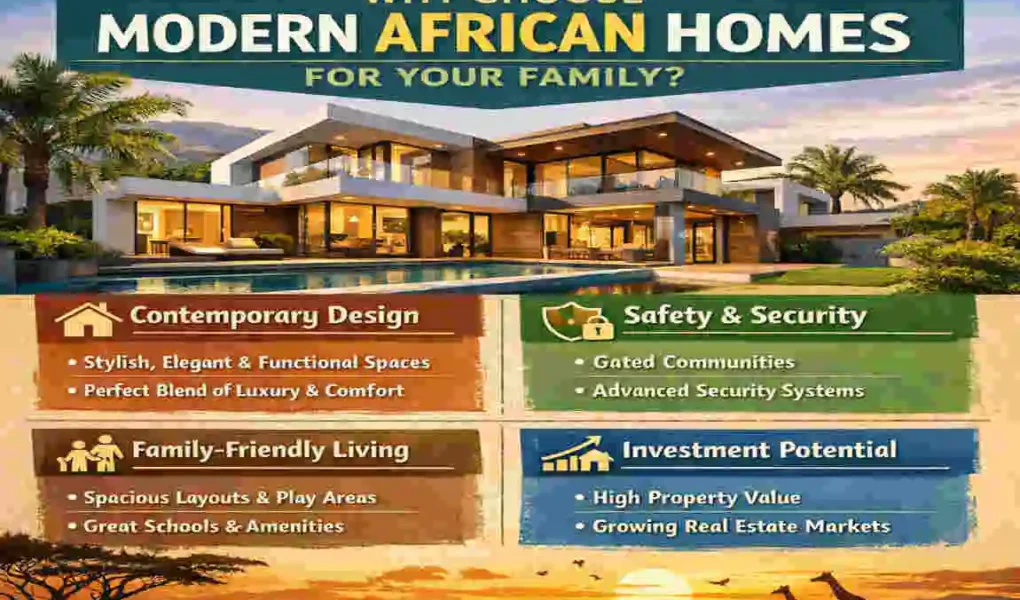
Modern African homes are becoming increasingly popular because they combine style, comfort, and practical family living. They blend fresh design ideas with African culture, creating a result that feels both modern and meaningful.
Many families today want a home that looks beautiful, works well for everyday life, and supports a more sustainable lifestyle. That is exactly why this style is getting attention. It offers open spaces, natural light, durable materials, and a warm, family-friendly feel.
What Are Modern African Homes?
Definition of Modern African Homes
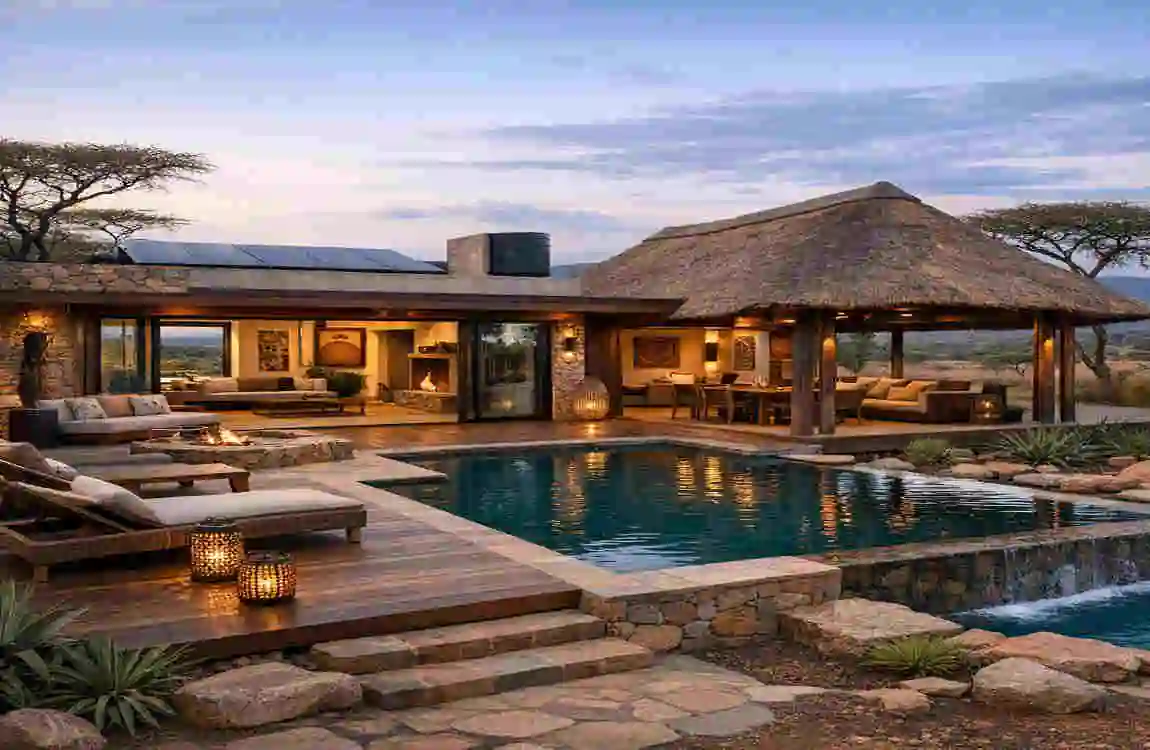
Modern African homes combine contemporary architecture with African design ideas. They use clean lines, simple layouts, and modern comfort, while still keeping cultural touches and natural materials.
This style is not only about looks. It also focuses on practical living, good airflow, and spaces that feel welcoming for families.
Key Features
Some common features include:
- Large windows for more natural light
- Open-plan layouts that connect family spaces
- Flat or sloped roofs for a modern finish
- Natural materials like stone, wood, clay, and bamboo
- Indoor-outdoor living that brings the home closer to nature
These features make the home feel bright, open, and easy to live in.
Why Modern African Homes Are Ideal for Families
Spacious and Functional Layouts
Families need space that works for real life. Modern African homes often feature open kitchens, large living rooms, and flexible spaces for homework, family time, or guests.
This makes daily life easier. Parents can keep an eye on children while cooking, and the whole family can spend more time together.
Strong Connection to Nature
These homes often include courtyards, gardens, patios, and good ventilation. That means more fresh air and a calmer living environment.
For families, this is a big advantage. Children have a place to play, and adults have a peaceful space to relax.
Safe and Comfortable Living
Modern African homes often use strong and durable materials. They are designed to handle local weather and reduce heat where possible.
This creates a safer and more comfortable home for your family, especially in hot or tropical areas.
Cultural Identity
One of the best things about this style is that it reflects African heritage. It can include local craftsmanship, handmade décor, and design elements inspired by regional traditions.
So, you do not just get a house. You get a home that tells a story and feels connected to where you come from.
Top Benefits of Choosing Modern African Homes
Sustainability and Eco-Friendly Design
Many modern African homes are built with the environment in mind. They may include:
- Solar panels
- Rainwater harvesting
- Natural insulation
- Better airflow systems
These features help reduce energy use and lower long-term costs.
Affordable Construction Options
Using local materials can help reduce building costs. It may also lower maintenance expenses over time.
That means families can create a beautiful home without always spending as much as they would on some other modern styles.
Climate Adaptability
Modern African homes are often designed for warm climates. They use shade, airflow, and smart materials to keep the home cooler.
This is very useful in areas with strong sun, heat, or heavy rain.
Aesthetic Appeal
These homes are simple, elegant, and warm at the same time. They do not look too plain, but they do not feel too crowded either.
The mix of modern design and African beauty makes them stand out in a quiet, tasteful way.
Popular Design Elements in Modern African Homes
Natural Materials
Common materials include:
- Timber
- Stone
- Clay bricks
- Bamboo
These materials give the home a natural and grounded feel.
Neutral Earth-Tone Color Palettes
Colors like brown, beige, sand, and terracotta are often used. These shades create warmth and make the home feel calm and inviting.
Outdoor Living Features
Many homes include:
- Patios
- Verandas
- Courtyards
- Rooftop spaces
These areas are perfect for family gatherings, relaxing, or enjoying the fresh air.
Smart Interior Design
Inside, the design is usually simple and practical. You may see multi-purpose furniture, hidden storage, and less clutter.
This helps the home feel clean, open, and easy to manage.
Modern African Homes vs Traditional Homes
Modern African Homes, Traditional Homes
Energy efficient , less energy focused
Open layouts , Compartmentalized rooms
Modern materials + local resources Mostly local raw materials
Better ventilation , basic airflow design
Contemporary comfort Heritage-focused structure
Modern African homes do not replace tradition. Instead, they build on it. They keep cultural beauty while improving comfort, efficiency, and everyday use.
Things to Consider Before Building Modern African Homes
Budget Planning
Before building, think about:
- Land cost
- Building materials
- Labor expenses
A clear budget helps you avoid surprises later.
Climate and Location
The place where you build matters a lot. An urban home may need a different design from a rural family compound. Rainfall, heat, and wind should also guide your choices.
Family Size and Lifestyle
Ask yourself how many bedrooms you need, how much shared space you want, and whether you may expand later.
A good family home should fit your life now and also grow with you.
Sustainability Goals
If you want a greener home, you can plan for solar energy, water-saving systems, and eco-friendly insulation from the start.
Best Regions and Settings for Modern African Homes
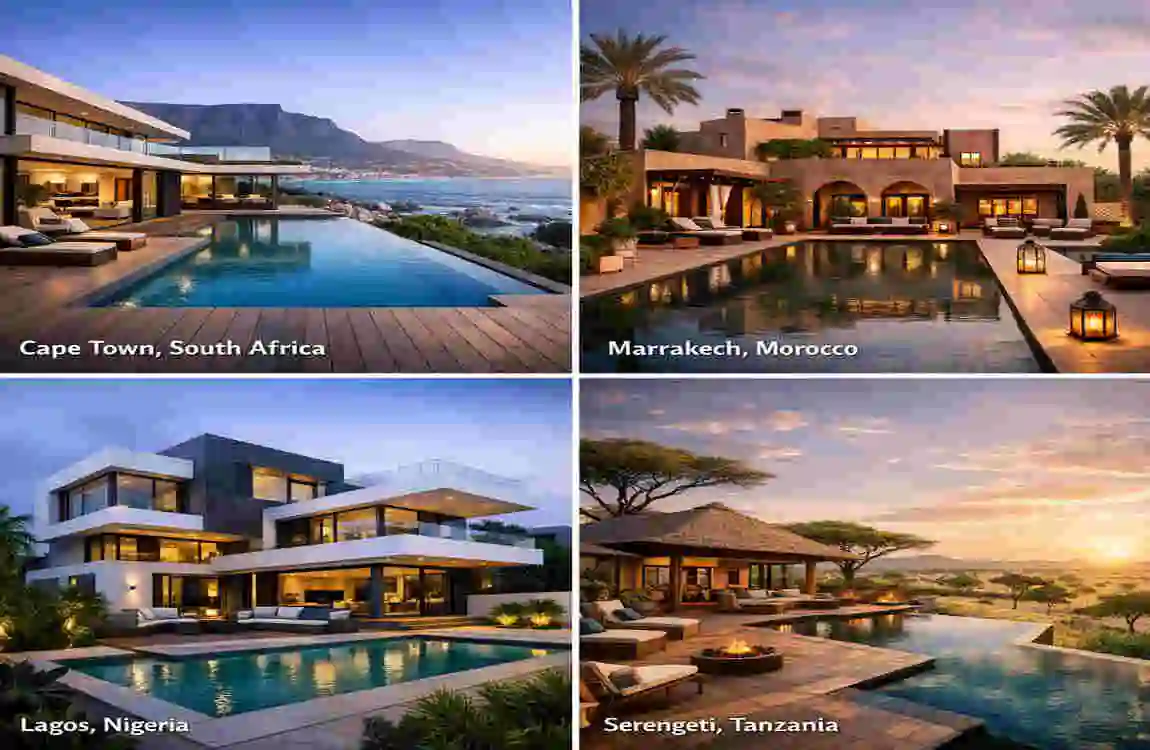
Modern African homes work well in many places. They are especially suitable for:
- Urban areas
- Coastal regions
- Mountain areas
- Rural family compounds
- Eco-resorts and private communities
They are flexible enough to suit both modern cities and peaceful countryside settings.
How Modern African Homes Increase Property Value
These homes are in demand because people want spaces that are stylish, efficient, and sustainable. That means they can offer better resale value over time.
Buyers often like luxury homes that feel unique, use less energy, and support family living. So, choosing this style can be a smart long-term investment.
FAQ
What makes modern African homes unique?
They combine modern architecture with natural materials, cultural design, and climate-friendly features.
Are modern African homes affordable?
Yes, they can be affordable, especially when local materials and energy-saving systems are used.
Are modern African homes eco-friendly?
Many of them are. They often include solar power, rainwater collection, and natural ventilation.
Which materials are commonly used in modern African homes?
Stone, clay, timber, bamboo, and brick are commonly used.
Why are modern African homes good for families?
They offer space, comfort, safety, durability, and strong indoor-outdoor living areas.
| Benefit category | Why it matters for your family |
|---|---|
| Climate‑responsive design | Walls and roofs often use materials that naturally keep interiors cooler in heat, reducing reliance on AC and lowering energy bills. |
| Open, family‑friendly layouts | Open‑plan living, dining, and kitchen areas make it easier to supervise children and connect as a family. |
| Indoor‑outdoor living | Large windows, sliding doors, and verandas blend indoor space with courtyards or gardens, giving kids safe outdoor play zones. |
| Low‑maintenance materials | Modern finishes (tiles, concrete, steel, treated wood) are durable and easier to clean, which suits busy family life. |
| Safety and structure | Prefab and modular African‑style homes are often built with fire‑resistant, insulated panels and strong frames suitable for various climates. |
| Cultural and modern identity | Designs mix clean, simple lines with local patterns and colors, creating a home that feels both modern and authentically African. |