Modern smart homes offer remarkable convenience, but connected gadgets alone cannot provide complete protection or peace of mind. Homeowners researching around-the-clock alarm monitoring support can learn how professional monitoring services respond to security events, helping ensure that smart security devices remain effective even when residents are away or unable to react. As technology continues to evolve, creating a truly intelligent home means combining automation with reliable systems that work together to improve comfort, efficiency, and safety.
Smart Devices Are Only One Piece of the Puzzle
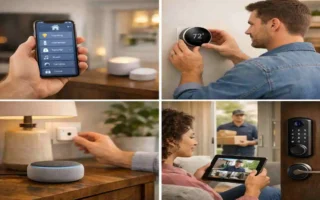
Smart thermostats, lighting systems, doorbells, cameras, and voice assistants have transformed how people interact with their homes. These devices make everyday tasks easier by allowing users to control different features remotely, automate routines, and monitor activity from a smartphone.
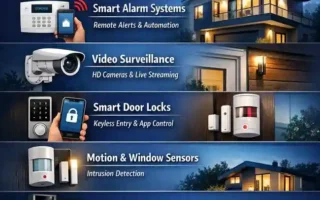
However, each device often performs a specific function rather than providing complete home protection. A camera may record suspicious activity, but recording alone does not guarantee that someone will respond when an incident occurs. Likewise, a smart lock improves access control but cannot replace a broader security strategy.
The Importance of Connected Systems
The most effective smart homes rely on devices that communicate with one another instead of operating independently. When lighting, heating, security sensors, smoke detectors, and automation platforms work together, homeowners gain a more seamless and reliable experience.
For example, a smoke detector can trigger connected lights to illuminate escape routes while sending alerts to the homeowner. A security sensor can activate cameras, switch on exterior lighting, and initiate other automated actions that improve both visibility and awareness during an unexpected event.
Professional Monitoring Adds an Extra Layer of Protection
Many homeowners rely solely on smartphone notifications to stay informed about their property. While these alerts are useful, they depend on the homeowner noticing the notification, having internet access, and being available to respond immediately.
Professional monitoring provides an additional layer of support by ensuring that security events receive attention even if the homeowner is unavailable. This approach can help reduce response delays during emergencies while giving homeowners greater confidence that their property remains protected throughout the day and night.
Comfort and Security Should Work Together
A truly modern home balances convenience with practical protection. Smart heating systems maintain comfortable temperatures, automated lighting improves energy efficiency, and connected appliances simplify daily routines, but these features become even more valuable when integrated into a broader home management system.
For instance, homeowners can automate lighting schedules while traveling, adjust heating remotely to save energy, and receive alerts if doors or windows remain open. When these systems operate together, they create a living environment that is both comfortable and better prepared for unexpected situations.
Preparing for More Than Intruders
Modern smart homes are designed to address a wide range of household risks beyond burglary. Water leaks, fire, carbon monoxide, frozen pipes, and electrical faults can all cause significant damage if they are not detected quickly.
Smart sensors provide early warnings that allow homeowners to take action before problems become more severe. Combining these sensors with connected automation and dependable monitoring creates a more comprehensive approach to protecting both the property and the people living inside it.
Building a Smart Home That Lasts
Technology changes rapidly, making it tempting to purchase individual devices as new products enter the market. While this approach may add useful features over time, it can also result in disconnected systems that are difficult to manage.
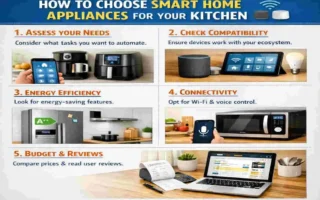
Planning for compatibility and future expansion helps homeowners create a smarter investment. Choosing devices that integrate well with one another allows new technology to be added without replacing existing equipment, resulting in a more flexible and dependable smart home ecosystem.