A clean home feels better to live in. It looks nicer, smells fresher, and feels calmer too. When your house is clean, daily life becomes easier because you spend less time dealing with clutter, dust, and mess.
Regular cleaning also helps protect your health. It can reduce dust, allergens, bacteria, and mould. That means your home is not only cleaner, but also more comfortable for you and your family.
Why Regular House Cleaning Matters
Health Benefits
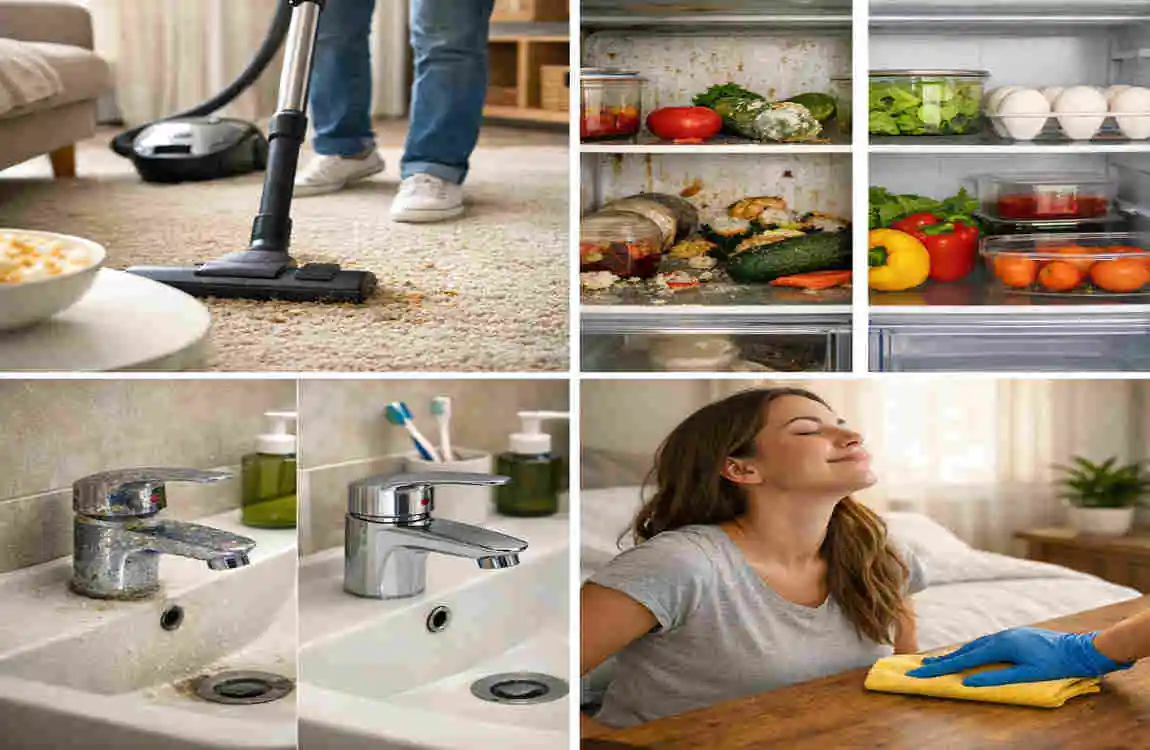
A clean home supports better health in many ways. Dust, pet hair, and pollen can build up quickly, especially if you have kids, pets, or allergies.
Regular cleaning helps reduce these problems. It also lowers the chance of bacteria and mould spreading in places like the bathroom and kitchen.
Better Indoor Air Quality
When dust settles on furniture, floors, and vents, it can be carried through the air. That makes the air feel stale and dirty.
If you clean often, your home air feels fresher. This is especially helpful in closed rooms, bedrooms, and busy family spaces.
Creates a Comfortable Living Space
A tidy house feels better. It can improve your mood and reduce stress.
When your space is organised and clean, it is easier to relax, focus, and enjoy time at home.
Cleaning Supplies You’ll Need
Basic Cleaning Tools
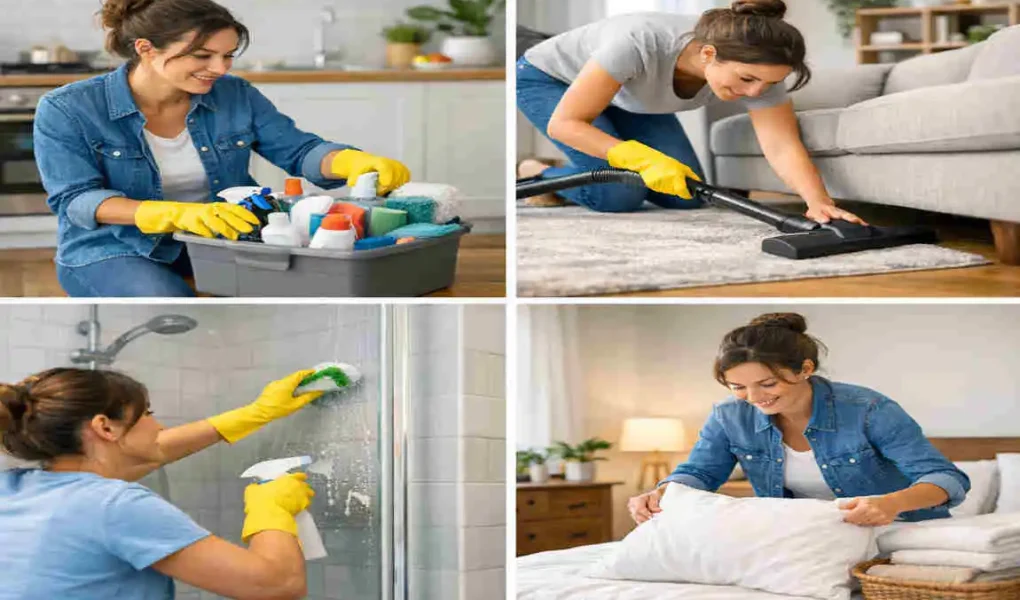
Before you begin, gather the tools that will make cleaning easier.
- Microfiber cloths
- Vacuum cleaner
- Mop and bucket
- Broom and dustpan
- Scrub brush
These tools help you clean most parts of the home without much effort.
Essential Cleaning Products
You do not need a huge collection of products. A few good basics are enough.
- All-purpose cleaner
- Glass cleaner
- Bathroom cleaner
- Disinfectant
- Baking soda
- White vinegar
These products can help with surfaces, mirrors, sinks, toilets, and stubborn messes.
How to Clean a House Step by Step
Declutter Every Room
Start by removing things that do not belong in each room. Put away clothes, toys, papers, dishes, and random items.
This makes cleaning much easier because you can reach the surfaces underneath. It also helps the room look better right away.
Dust from Top to Bottom
Always dust from high areas down to low areas. That way, dust falls to the floor, and you will clean it later.
Start with shelves, ceiling fans, tops of frames, and lights. Then move to tables, counters, and lower furniture.
Clean Windows and Mirrors
Use a glass cleaner or a simple cleaning solution to wipe mirrors and windows. Clean glass makes the whole house look brighter.
A streak-free finish gives your home a neat and fresh look.
Wipe Furniture and Surfaces
Now clean tables, counters, shelves, and other flat surfaces. Use an all-purpose cleaner and a microfiber cloth.
Pay attention to handles, switches, and corners because dust often hides there.
Clean the Kitchen
The kitchen needs extra attention because it deals with food, grease, and spills.
Clean countertops, sinks, cabinet fronts, appliances, and the stove area. Wipe away crumbs and sticky spots before they build up.
Room-by-Room House Cleaning Guide
Living Room
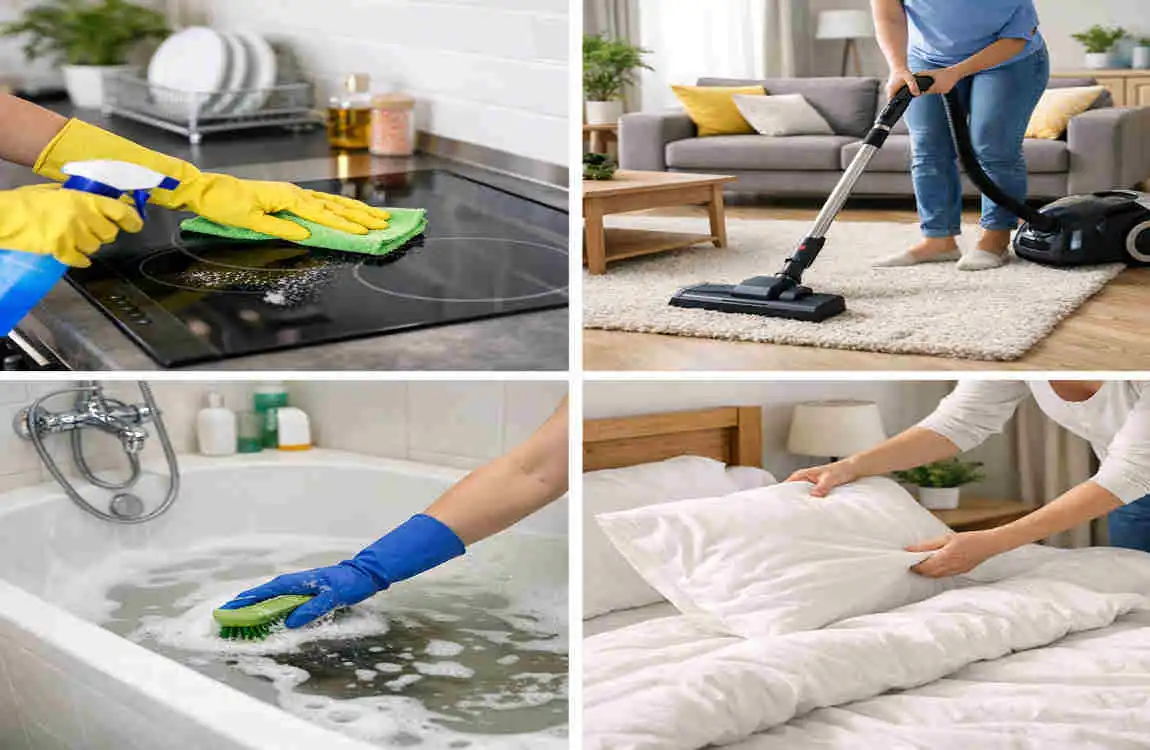
The living room usually gets a lot of use so that it can collect dust quickly. Clean the sofa, coffee table, TV stand, and shelves.
Vacuum the floor and rugs carefully. Wipe remote controls, light switches, and side tables too.
Bedroom
The bedroom should feel calm and restful. Start by making the bed and putting away clothes.
Dust nightstands, lamps, and dressers. Wash bedding regularly, and vacuum under the bed when possible.
Kitchen
The kitchen needs both cleaning and sanitising. Wipe countertops, sink areas, cabinet doors, and appliance surfaces.
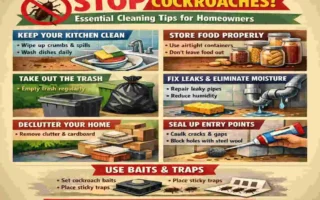
Clean crumbs from drawers, under small appliances, and around the stove. A clean kitchen helps prevent pests and bad smells.
Bathroom
Bathrooms need frequent cleaning because moisture creates buildup. Scrub the sink, shower, toilet, and mirror.
Wash bath mats and wipe down counters and fixtures. Keep an eye on grout and corners where mould can form.
Laundry Room
Laundry rooms can collect lint, soap spots, and dust. Clean around the washer and dryer.
Wipe the machines, sweep the floor, and empty lint traps often. This keeps the area safer and cleaner.
Hallways and Entryways
These areas are easy to overlook, but they matter a lot. They collect dirt from shoes and daily traffic.
Sweep, vacuum, and wipe surfaces regularly. If your entryway is messy, the whole home can feel less clean.
Deep Cleaning Checklist
Here is a simple deep cleaning schedule you can follow.
AreaTasksFrequency
Kitchen Clean oven, cabinets, refrigerator Monthly
Bathroom Scrub grout, disinfect fixtures Monthly
Bedroom Wash bedding, vacuum mattress Monthly
Living Room Dust furniture, clean upholstery Monthly
Floors Mop, vacuum, polish Weekly
Deep cleaning takes more time than daily cleaning, but it helps your house stay in better shape.
Common House Cleaning Mistakes to Avoid
Cleaning from Bottom to Top
This is a common mistake. If you start low and then dust higher surfaces later, dirt falls back onto areas you already cleaned.
Always clean from top to bottom.
Using Too Much Cleaner
More cleaner is not always better. Too much product can leave residue or make surfaces sticky.
Use only the amount recommended on the label.
Forgetting High-Touch Surfaces
Handles, switches, remotes, and faucets are touched often. These areas should be cleaned regularly.
They may look small, but they collect germs quickly.
Using Dirty Cleaning Cloths
A dirty cloth can spread grime instead of removing it. Wash or replace your cloths often.
Clean tools help create clean results.
Skipping Regular Maintenance
If you wait too long, messes become harder to clean. Small daily habits make a big difference.
Tips to Keep Your House Clean Longer
Follow a Daily Cleaning Routine
Even 15 to 20 minutes a day can help. Focus on simple tasks like dishes, wiping counters, and tidying clutter.
Clean as You Go
Do small cleaning tasks while doing other things. Wipe spills right away. Put items back after using them.
This keeps mess from piling up.
Organise Storage Spaces
When everything has a place, it is easier to keep the house neat. Use baskets, bins, and shelves to reduce clutter.
Remove Shoes at the Door
Shoes bring in dirt from outside. Taking them off at the entrance helps keep floors cleaner for longer.
Create a Weekly Cleaning Schedule
A simple schedule helps you stay consistent. You do not need to clean everything at once.
Break tasks into smaller jobs and spread them through the week.
Eco-Friendly House Cleaning Tips
Natural Cleaning Solutions
Some simple natural cleaners work well for many jobs. Baking soda and white vinegar can help with smells, stains, and grime.
Reduce Plastic Waste
Try to buy products in refillable or reusable containers when you can. This helps reduce waste over time.
Use Reusable Cleaning Cloths
Microfiber cloths can be washed and reused many times. They are a smart alternative to disposable wipes.
Choose Non-Toxic Products
If you want a safer home environment, look for cleaning products with fewer harsh chemicals. This can be especially helpful around children and pets.
When Should You Deep Clean Your House?
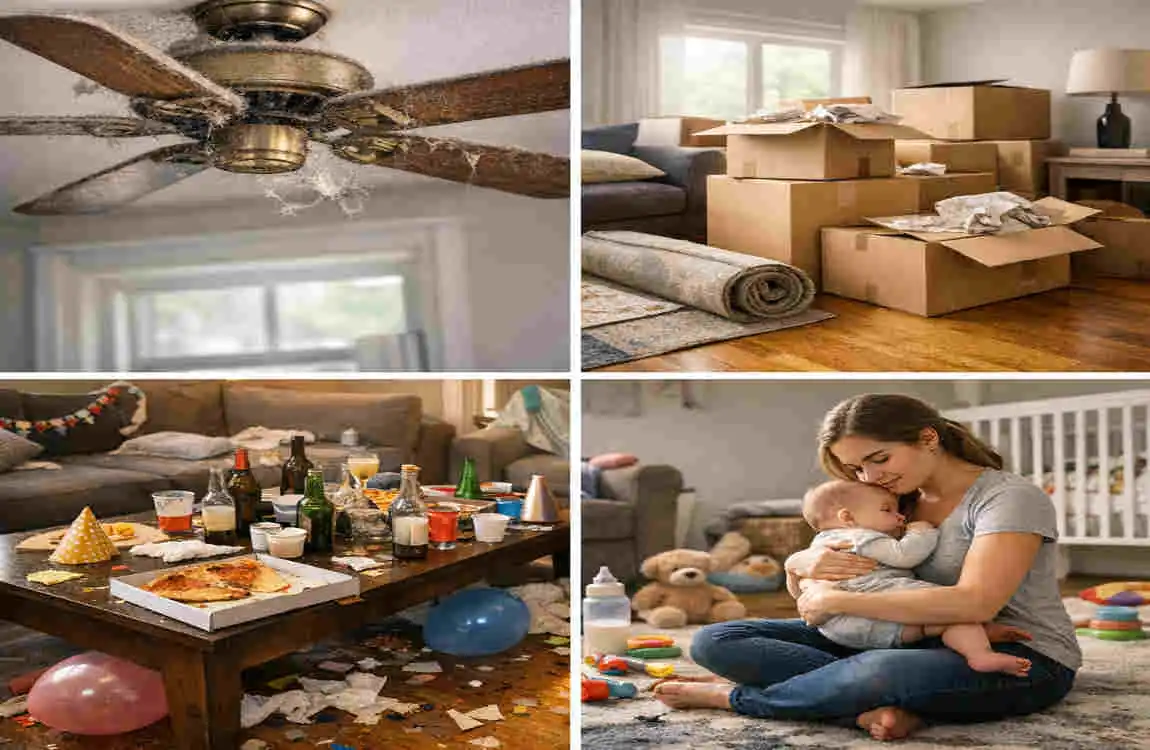
Deep cleaning is useful at several times during the year.
- Seasonal cleaning
- Before holidays
- After renovations
- Moving in or out
- During allergy season
If your home has been extra busy, dirty, or dusty, it may be time for a deeper clean.
Frequently Asked Questions
What is the best order for cleaning a house?
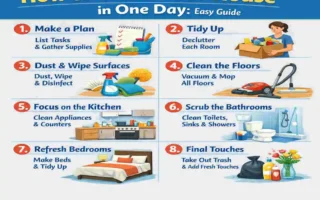
Start by decluttering, then dust from top to bottom. After that, clean surfaces, sanitise kitchens and bathrooms, vacuum, and finish by mopping the floors.
How often should I deep clean my house?
Most homes benefit from a deep clean every 1 to 3 months, depending on how many people live there and whether you have pets.
How long does it take to clean a house?
A regular cleaning may take 2 to 4 hours. A full deep clean can take much longer, sometimes a whole day.
What cleaning supplies are essential?
Microfiber cloths, a vacuum, a mop, all-purpose cleaner, disinfectant, glass cleaner, baking soda, and white vinegar are common basics.
What is the easiest way to clean a house?
Work one room at a time and follow the same order each time. That keeps the process simple and organised.
How can I keep my house clean every day?
Spend a little time each day on small tasks like wiping surfaces, washing dishes, and putting things away before clutter builds up.
| Step | What to Do | Helpful Tip |
|---|---|---|
| Declutter First | Remove unnecessary items from each room. | Cleaning is faster with fewer obstacles. |
| Gather Supplies | Collect cleaners, microfiber cloths, mop, vacuum, brushes, and gloves. | Keep everything in one cleaning caddy. |
| Dust Top to Bottom | Dust ceiling fans, shelves, furniture, and baseboards. | Work from high surfaces downward. |
| Clean Windows & Mirrors | Wipe glass with a streak-free cleaner. | Use a microfiber cloth for best results. |
| Disinfect High-Touch Areas | Clean light switches, doorknobs, remotes, and handles. | Use a disinfectant approved for household surfaces. |
| Deep Clean Kitchen | Scrub countertops, sink, stovetop, microwave, cabinets, and appliances. | Clean inside the refrigerator and oven if needed. |
| Sanitize Bathrooms | Scrub toilets, sinks, tubs, showers, and tiles. | Let cleaner sit for a few minutes before scrubbing. |
| Vacuum Thoroughly | Vacuum carpets, rugs, upholstery, and under furniture. | Use attachments for corners and edges. |
| Mop Hard Floors | Mop tile, wood, vinyl, or laminate floors. | Use the right cleaner for your floor type. |
| Freshen Soft Furnishings | Wash bedding, curtains, and cushion covers. | Follow care labels to prevent damage. |
| Empty Trash Bins | Remove garbage and disinfect trash cans. | Replace liners after cleaning. |
| Final Touch | Open windows, deodorize rooms, and check for missed spots. | A fresh scent makes the home feel cleaner. |