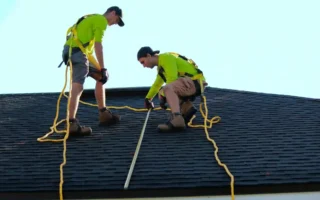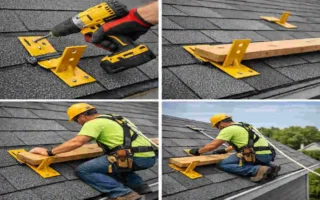
Roofing is one of the most hands-on and high-risk jobs in construction. Every day, roofers work at heights, handle heavy materials, move quickly, and deal with changing weather conditions. That mix creates real danger.
Because of that, having the right insurance is not optional for most roofing businesses. It protects your crew, your equipment, your clients, and your company’s future. If you are asking what kind of insurance a roofing contractor should have, the short answer is this: a roofing company should carry strong coverage that matches the risks of roofing work, not just a basic policy that barely scratches the surface.
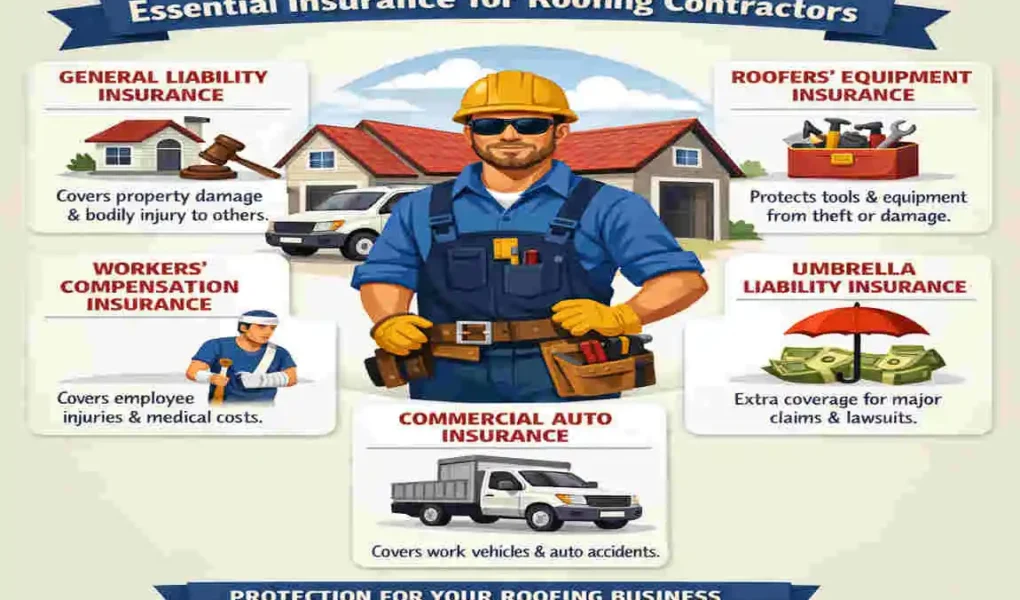
The most common policies include general liability insurance, workers’ compensation, commercial auto insurance, commercial property insurance, inland marine insurance, professional liability insurance, umbrella insurance, and cyber liability insurance. Some are essential, while others are highly recommended depending on the size and type of jobs you handle.
Why Roofing Contractors Need Insurance
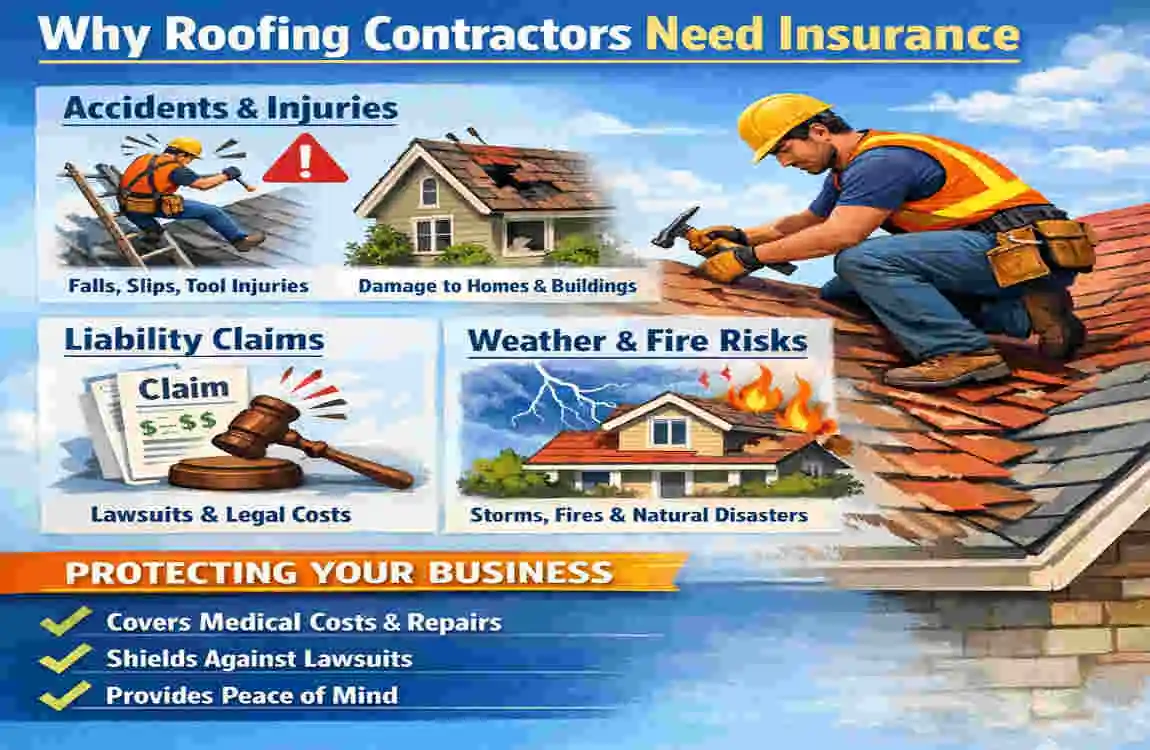
Roofing may look straightforward from the ground, but it comes with real financial risk. One mistake, one accident, or one storm can quickly turn into a costly problem.
Risks of Roofing Work
Roofing jobs expose contractors to a wide range of dangers. These are not rare events either. They happen every year on job sites of all sizes.
Falls and injuries are one of the biggest concerns. Roofers work at height, often on sloped or wet surfaces. Even with good training, accidents can happen.
Property damage is another major risk. A dropped tool, loose shingle, or poor installation can damage a client’s home, vehicles, landscaping, or nearby property.
Equipment theft also matters. Roofing tools, ladders, power equipment, and materials are valuable. Job sites and trucks can be easy targets for theft.
Weather-related accidents are common too. Wind, rain, heat, and lightning can all make roofing more dangerous. Sudden changes in weather can also damage a project in progress.
Benefits of Proper Insurance
Good insurance gives roofing contractors more than just a safety net. It supports the whole business.
Financial protection is the first major benefit. If something goes wrong, insurance helps cover losses that could otherwise come out of your pocket.
Legal compliance is another big reason. Many states, licenses, and contracts require proof of insurance before you can work.
Client confidence also improves. Customers feel more comfortable hiring a contractor who is fully insured because it shows professionalism and responsibility.
Business continuity matters too. If an accident, lawsuit, or loss of equipment interrupts your work, insurance can help you recover faster and keep operating.
What Kind of Insurance Should a Roofing Contractor Have?
Now let’s get to the main question directly. If you run a roofing business, you need coverage that protects against injury claims, property damage, vehicle losses, equipment problems, and more.
General Liability Insurance
This is one of the most important policies for roofers. It protects your business if someone outside your company claims injury or property damage.
For example, if a roofing tile falls and cracks a homeowner’s window, general liability can help cover the repair. If a visitor slips near your work area and is injured, this policy may also help cover medical and legal costs.
It often covers:
- Third-party injuries
- Property damage
- Legal defense costs
This policy is usually considered the foundation of roofing contractor insurance.
Workers’ Compensation Insurance
Roofing is physically demanding, and employee injuries are a real possibility. Workers’ compensation helps cover medical bills and lost wages when an employee gets hurt on the job.
If a roofer falls, strains a muscle, or suffers another work-related injury, this policy can help pay for treatment and recovery support. In many states, this coverage is required by law if you have employees.
It usually includes:
- Employee medical expenses
- Lost wages
- Employer liability protection
This is especially important because roofing injuries can be expensive and serious.
Commercial Auto Insurance
Most roofing companies rely on trucks, vans, or trailers to move tools and materials. Personal auto insurance usually does not cover business use, which is why commercial auto insurance matters.
If one of your company vehicles is involved in an accident, this policy can help cover vehicle damage, injuries, and liability claims. It also helps protect you when transporting ladders, shingles, or equipment from one job to another.
This coverage is important for:
- Company trucks and vans
- Vehicle accidents
- Transporting tools and materials
If you use a vehicle for work, you should not skip this policy.
Commercial Property Insurance
If you own or rent an office, warehouse, storage space, or shop, commercial property insurance can protect the physical space and the items inside.
It may cover fire, theft, storm damage, and other losses that affect your building or business property. This is helpful if you store supplies, office equipment, or inventory in one place.
It can cover:
- Office buildings
- Warehouses
- Roofing tools and equipment
Even if your business is small, the value of tools and stored materials can add up quickly.
Inland Marine Insurance
The name sounds unusual, but this coverage is very useful for roofing businesses. It protects tools and equipment when they are being moved from one place to another or when stored at a job site.
Standard property insurance often does not fully protect portable items once they leave your main location. Inland marine insurance helps fill that gap.
It can help protect:
- Equipment in transit
- Job-site tools
- Portable machinery
If you carry valuable equipment to different projects, this is a smart policy to have.
Professional Liability Insurance
This policy is less common than general liability, but it can still matter, especially for roofing businesses that offer design advice, inspection services, or project recommendations.
It helps protect against claims that your professional advice caused a loss. For example, if you recommend the wrong roof system or make a planning error, the client may claim financial damage.
It may cover:
- Design errors
- Incorrect recommendations
- Client claims
If your roofing company does more than basic labor, this coverage is worth serious thought.
Umbrella Insurance
Umbrella insurance gives you extra liability protection when a claim goes beyond the limits of your main policies. That can be very helpful in large lawsuits or major accident cases.
Roofing businesses face higher risk than many other trades, so high-limit claims are always possible. Umbrella insurance acts like a backup layer.
It can help with:
- Extra liability coverage
- Large lawsuits
- High-value claims
This policy is often a good idea for growing roofing companies.
Cyber Liability Insurance
Many roofing businesses now use digital systems for estimates, payments, customer records, and scheduling. That means data protection matters more than ever.
Cyber liability insurance can help if your business suffers a data breach, payment issue, or cyberattack. It may cover recovery costs, customer notice expenses, and business interruption.
It can protect against:
- Customer data theft
- Digital payment security issues
- Business interruption from cyberattacks
If your company stores customer information online, this coverage is worth considering.
Insurance Requirements by State
Insurance rules are not the same everywhere. What your roofing company needs in one state may be different in another.
Licensing Requirements
Many states require proof of insurance before issuing or renewing a roofing license. General liability is often one of the main requirements.
If you want to bid on larger jobs or work legally, you should always check your state’s licensing rules first.
Workers’ Compensation Rules
Some states require workers’ compensation as soon as you hire employees. Others may set the threshold based on how many workers you have.
If you ignore these rules, you may face fines, loss of license, or problems with clients.
Local Regulations
City and county rules can also affect your insurance needs. Some job sites, public projects, or commercial contracts may require higher coverage limits than state law does.
Checking State Requirements
The safest approach is to verify your insurance needs before you start work. Check your state licensing board, local permit rules, and client contract requirements so you know exactly what is expected.
How Much Does Roofing Contractor Insurance Cost?

Insurance costs vary widely because every roofing business is different. A small crew doing mostly residential work may pay less than a larger company handling commercial projects.
The biggest pricing factors usually include:
- Business size
- Number of employees
- Annual revenue
- Claims history
- Coverage limits
- Business location
A company with more employees and bigger projects usually pays more because the risk is higher. If your business has a history of claims, premiums may also rise.
Higher coverage limits cost more, but they also provide stronger protection. In roofing, that trade-off is often worth it.
Factors That Affect Insurance Costs
Several business details shape how much you pay for roofing contractor insurance. Understanding these factors can help you make smarter choices.
Roofing Specialty
Not all roofing work carries the same level of risk. Steep-slope work, commercial roofing, and specialty roof systems may cost more to insure than basic residential repair work.
Residential vs. Commercial Projects
Commercial jobs often involve larger crews, bigger equipment, and higher-value claims. That usually means higher premiums.
Safety Record
A clean safety record can help keep premiums lower. If your company trains workers well and avoids claims, insurers may view your business more favorably.
Employee Training
Well-trained employees make fewer mistakes and fewer accidents. That can support better pricing and stronger coverage options.
Years of Experience
A roofing contractor with a long, stable track record may be seen as lower risk than a brand-new business.
Deductibles
A higher deductible can reduce your premium, but it also means you pay more out of pocket if a claim happens. You need to balance savings with risk.
How to Choose the Right Insurance Policy
Buying insurance is not just about checking a box. You want coverage that truly fits your business.
Compare Multiple Quotes
Do not settle for the first offer you receive. Compare several quotes to review coverage, price, and service side by side.
Verify Coverage Limits
A low-priced policy may look good at first, but the limits might be too low for a roofing business. Make sure the coverage is strong enough for the jobs you take on.
Read Policy Exclusions
Every policy has exclusions. These are the situations it will not cover. Read them carefully so you are not surprised later.
Work with Industry Specialists
It helps to work with an insurance provider that understands roofing. They are more likely to know the real risks and help you choose policies that match your work.
Common Insurance Mistakes Roofing Contractors Make
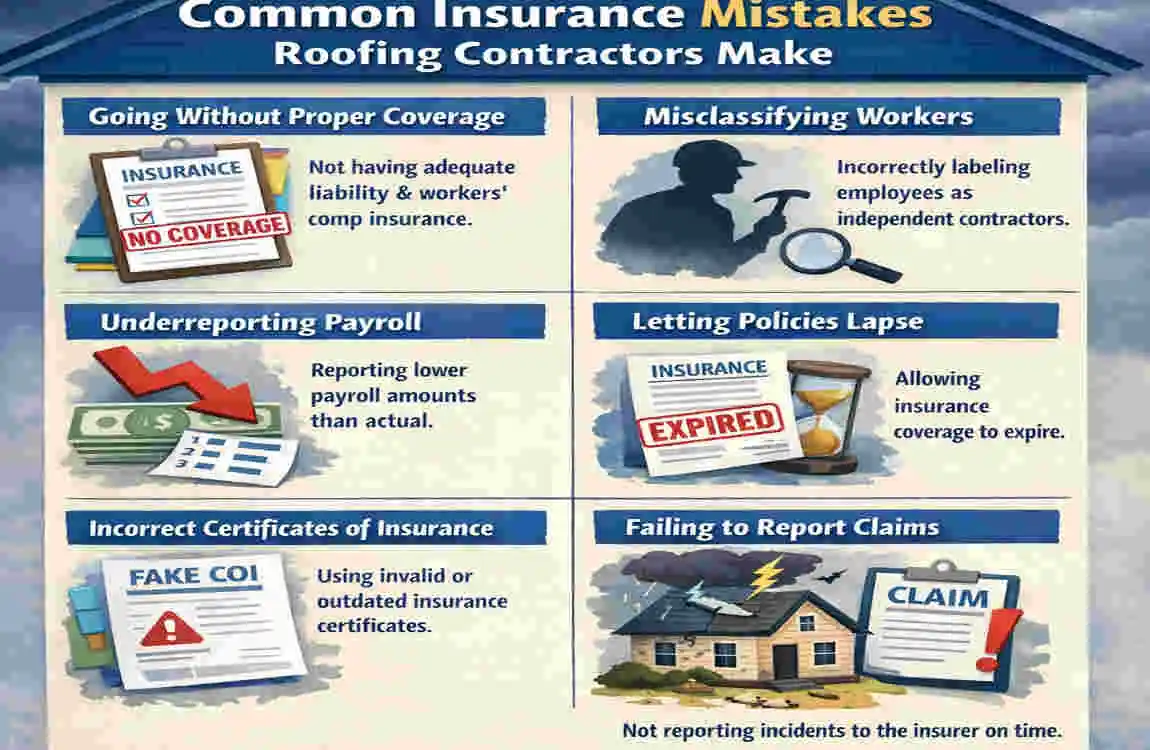
Many roofing businesses run into trouble because they underestimate the importance of insurance or buy the wrong kind of insurance.
- Buying only the cheapest policy
- Ignoring equipment coverage
- Being underinsured
- Not updating policies
- Forgetting subcontractor coverage
These mistakes can be expensive. A cheap policy may leave major gaps. A policy that is not updated may not reflect your current payroll, equipment, or contract size.
Subcontractors are another common issue. If you hire them, you need to know whether your policy covers them or whether they must carry their own insurance.
Tips to Lower Insurance Premiums
You want good protection, but you also want to manage costs wisely. The right habits can help lower your premiums over time.
- Improve workplace safety
- Maintain a clean claims history
- Bundle insurance policies
- Train employees regularly
- Increase deductibles where appropriate
Safety training is one of the best ways to keep insurance costs under control. Fewer accidents usually mean fewer claims.
Keeping clean records and bundling policies can also help. Still, do not cut so much that your business becomes under protected.
Frequently Asked Questions (FAQ)
Q. What kind of insurance should a roofing contractor have?
A roofing contractor typically needs general liability, workers’ compensation, commercial auto, commercial property, and equipment coverage at a minimum.
Q. Is general liability insurance enough for roofing contractors?
No. General liability does not cover employee injuries, company vehicles, or business equipment.
Q. Is workers’ compensation required?
In many states, yes. Requirements depend on your location and the number of employees you have.
Q. How much does roofing contractor insurance cost?
Costs depend on business size, payroll, claims history, coverage limits, services offered, and location.
Q. Does roofing insurance cover subcontractors?
Usually not unless they are specifically included or insured separately. Always check the policy details.
| Insurance Type | What It Covers | Why It’s Important |
|---|---|---|
| General Liability Insurance | Property damage, bodily injury, and legal claims from third parties | Protects against common job site accidents and lawsuits. |
| Workers’ Compensation Insurance | Medical bills and lost wages for injured employees | Required in most states for businesses with employees. |
| Commercial Auto Insurance | Company vehicles used for work-related travel and transport | Covers accidents involving work trucks and vans. |
| Roofing Contractor’s Equipment Insurance | Tools, machinery, and roofing equipment | Helps replace or repair damaged or stolen equipment. |
| Professional Liability Insurance | Claims related to mistakes, negligence, or poor workmanship | Protects against financial losses from professional errors. |
| Umbrella Liability Insurance | Additional coverage beyond standard liability limits | Provides extra financial protection for major claims. |
| Builder’s Risk Insurance | Roofing materials and structures under construction | Covers damage from fire, theft, vandalism, and certain weather events during projects. |