If you are planning a roof repair or a full roof replacement, you may quickly notice something confusing. Roofers don’t always talk in square feet. Instead, they use a term called “roofing squares.”
At first, this can feel a little strange, especially if you are used to measuring rooms in square feet.
What Is a Roofing Square?
Before understanding the main calculation, you need to know what a roofing square actually means.
It’s not complicated, but it is different from normal home measurements.
Definition of a Roofing Square
A roofing square is a standard unit used in the roofing industry.
✔ 1 roofing square = 100 square feet of roof area
This means:
- A 10 ft × 10 ft section = 1 roofing square
- A 1000 sq ft roof = multiple squares combined
Roofing contractors use this system to make planning easier and faster.
Why Roofing Squares Are Used Instead of Square Feet
You might wonder, why not just stick with square feet like in flooring?
That’s a good question.
Roofing squares are used because they simplify work in real-world situations.
Here’s why professionals prefer them:
- ✔ Makes large roof calculations faster
- ✔ Reduces errors in material estimates
- ✔ Standardizes pricing across contractors
- ✔ Easier communication during project planning
When roofs become large and complex, square feet become too detailed to manage quickly.
So instead, everything is grouped into “squares.”
Simple Conversion Formula
The conversion is very easy to remember:
- 1 square = 100 square feet
So the formula becomes:
- Roofing Squares = Total Square Feet ÷ 100
Now let’s apply it:
- 1000 ÷ 100 = 10 squares
That’s the base rule you will use for almost every roofing calculation.
How Many Squares of Roofing Is 1000 Square Feet?
Now let’s answer the main question clearly and in detail.
Basic Calculation
To find roofing squares, you divide the total area by 100:
- 1000 ÷ 100 = 10 roofing squares
So the basic answer is:
A 1000 square foot roof equals 10 roofing squares
H3: Final Answer Explained Simply
If your roof measures 1000 square feet, you will usually need:
10 squares of roofing material
This is the standard estimate used in roofing projects.
But remember—this is based on a simple, flat-roof design.
Real roofs often vary.
Important Note About Roof Surface vs Floor Area
Here’s where many homeowners get confused, and it’s important to understand this clearly.
Your home’s floor area is not always the same as your roof area.
Why?
Because roofs are not flat like floors.
Several factors can increase the actual roof size:
- Roof slope (pitch)
- Roof extensions
- Overhangs
- Multiple roof levels
So even if your home is 1000 sq ft inside, the roof surface may be slightly larger.
Example Scenarios
Let’s make it even easier:
- Flat roof: ~10 squares
- Medium slope roof: ~10–11 squares
- Steep roof: ~11–12+ squares
So the steeper and more complex the roof, the more material you will need.
Factors That Can Change Roofing Square Estimates
Even though 1000 sq ft usually equals 10 squares, real roofing jobs are rarely that simple.
Let’s explore what can change the numbers.
Roof Pitch (Slope)
Roof pitch is the angle of your roof.
A steep roof means:
- More surface area
- More shingles needed
- Higher material cost
Even if your house footprint stays the same, the roof area increases with slope.
Roof Complexity
Not all roofs are simple shapes.
Some houses include:
- Multiple roof sections
- Chimneys
- Skylights
- Valleys and corners
Each extra feature adds more cutting, fitting, and material use.
So complexity increases the total roofing squares.
Waste Factor
Roofing always involves a small amount of waste.
Why?
Because materials must be:
- Cut to fit edges
- Overlapped for protection
- Adjusted for corners
Typical waste factor:
- 10% to 15% extra materials
So instead of exactly 10 squares, you may need closer to 11 squares in real life.
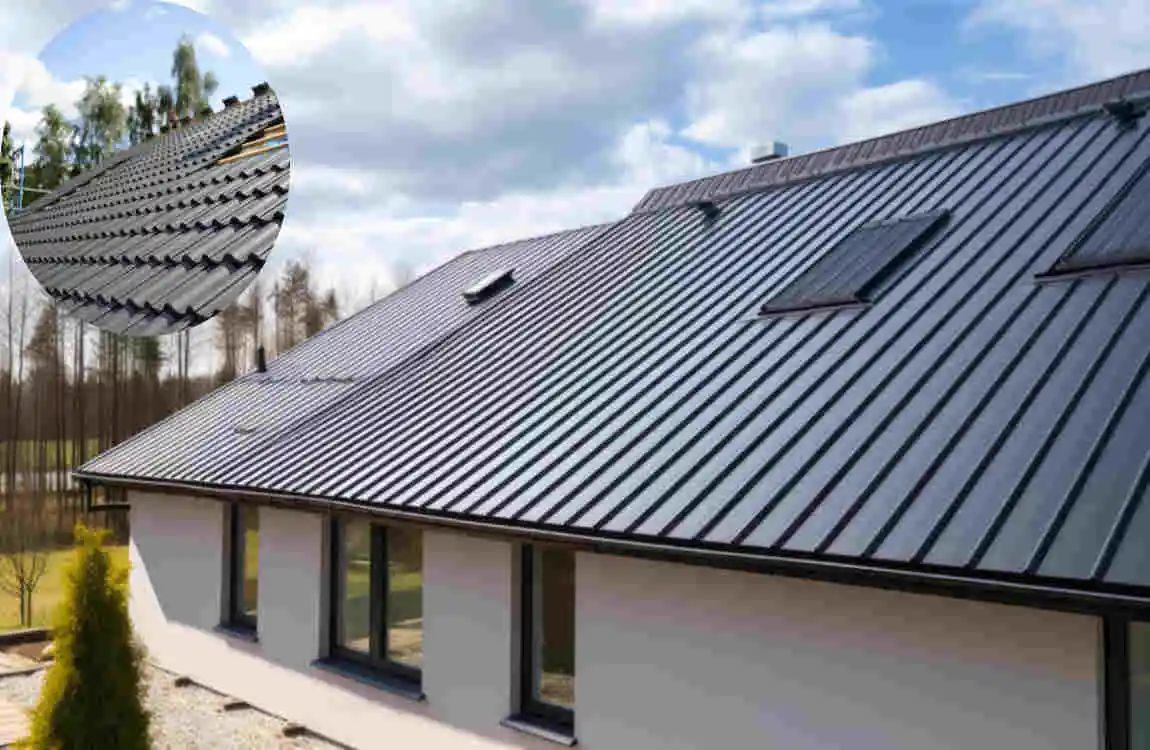
Roofing Material Type
Different roofing materials behave differently.
- Asphalt shingles: Easy and standard
- Metal roofing: Requires precision cutting
- Clay tiles: Heavier and more waste-prone
So the type of material can slightly affect your final calculation.
Roofing Square Conversion Table
Here is a quick reference table you can use anytime for easy estimation:
Square Feet Roofing Squares
500 sq ft 5 squares
750 sq ft 7.5 squares
1000 sq ft 10 squares
1500 sq ft 15 squares
2000 sq ft 20 squares
This table helps you quickly estimate roofing needs without doing manual calculations.
Why Accurate Roofing Measurement Matters
Getting roofing measurements right is very important. Even a small mistake can affect your budget.
Cost Estimation
Roofing materials are usually priced per square.
So if you know your roof size in squares, you can estimate your cost more easily.
Labor costs also depend on the total number of squares.
Avoiding Overbuying or Underbuying
Wrong estimates can cause real problems like:
- Spending too much money on extra materials
- Running out of materials mid-project
- Delays in roof completion
Accurate measurement helps you stay in control.
Contractor Communication
When you understand roofing squares:
- You can compare quotes easily
- You can ask better questions
- You avoid misunderstandings
It helps you feel more confident when talking to contractors.
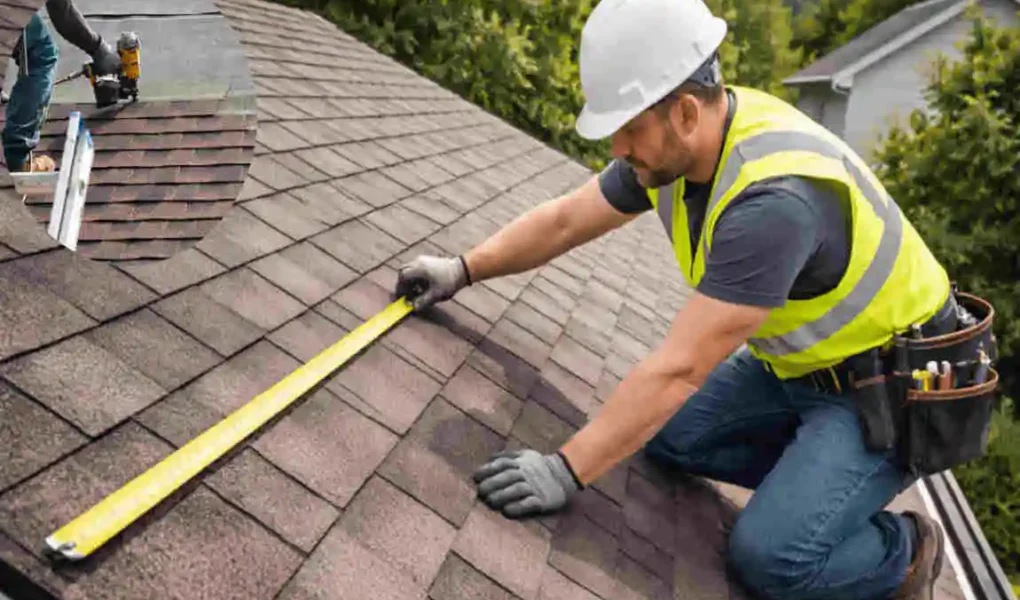
How Roofers Measure Roofing Squares
Roofers follow a simple process to calculate roof size correctly.
Measure House Footprint
They first measure:
- Length × width of the building
This gives the base area.
Adjust for Roof Pitch
Next, they adjust for slope using a pitch factor.
This step ensures the roof surface is measured correctly.
Break Into Sections
Roofs are divided into parts such as:
- Front section
- Back section
- Side slopes
Each part is measured separately.
Convert to Squares
Finally:
- Total square feet ÷ 100 = roofing squares
Simple and effective.
DIY vs Professional Roofing Measurement
Let’s compare both options clearly.
DIY Measurement
Pros:
- Saves money
- Good for rough estimates
Cons:
- Risk of mistakes
- Missing roof details
- No pitch accuracy
Professional Measurement
Benefits:
- High accuracy
- Safety (no climbing required)
- Better material planning
For major roofing work, professionals are usually the safer option.
Common Mistakes Homeowners Make
Here are some common mistakes you should avoid:
- Assuming floor size equals roof size
- Ignoring the roof slope
- Forgetting the waste factor
- Misunderstanding roofing squares
- Not accounting for roof extensions
Avoiding these mistakes saves both money and stress.
Roofing Cost Estimation for 1000 Sq Ft Roof
Now let’s talk about cost.
Average Cost Per Square
Roofing materials and labor are often priced per square.
Each square usually includes:
- Materials
- Installation
Total Estimated Cost
If:
- 1 square has a set cost
- You need 10 squares
Then:
- Total cost = 10 × cost per square
This makes budgeting much easier.
Additional Costs
You should also consider:
- Labor charges
- Old roof removal
- Underlayment materials
These can increase the total project cost.
FAQs – How Many Squares of Roofing Is 1000 Square Feet?
Is 1000 sq ft always 10 roofing squares?
Not always. Roof slope and design can increase the total number.
How many shingles are needed for 10 squares?
It depends on shingle type, but multiple bundles per square are usually required.
What is included in one roofing square?
One roofing square equals 100 square feet of roof surface.
Do roofers charge per square or square foot?
Most roofers charge per square, not per square foot.
| Total Roof Area (Square Feet) | Roofing Squares | Simple Explanation |
|---|
| 1000 sq ft | 10 squares | 1000 ÷ 100 = 10 roofing squares |