After a storm in Philadelphia, it is likely that your roof will appear fine; however, there could be unseen damage that may result in costly repairs. If you do not identify these less apparent indicators, you are at risk for leaks, mold, structural weakening, and even compromised electrical systems from water infiltration. Storms like heavy winds, hail, or torrential rain common in the Philly area can accelerate wear on roofs already aged 15-20 years, turning minor issues into major liabilities.
Let’s go through some of the less obvious indicators and how being proactive will help safeguard your investment as a landlord.
Why Subtle Roof Damage Isn’t Always Obvious?
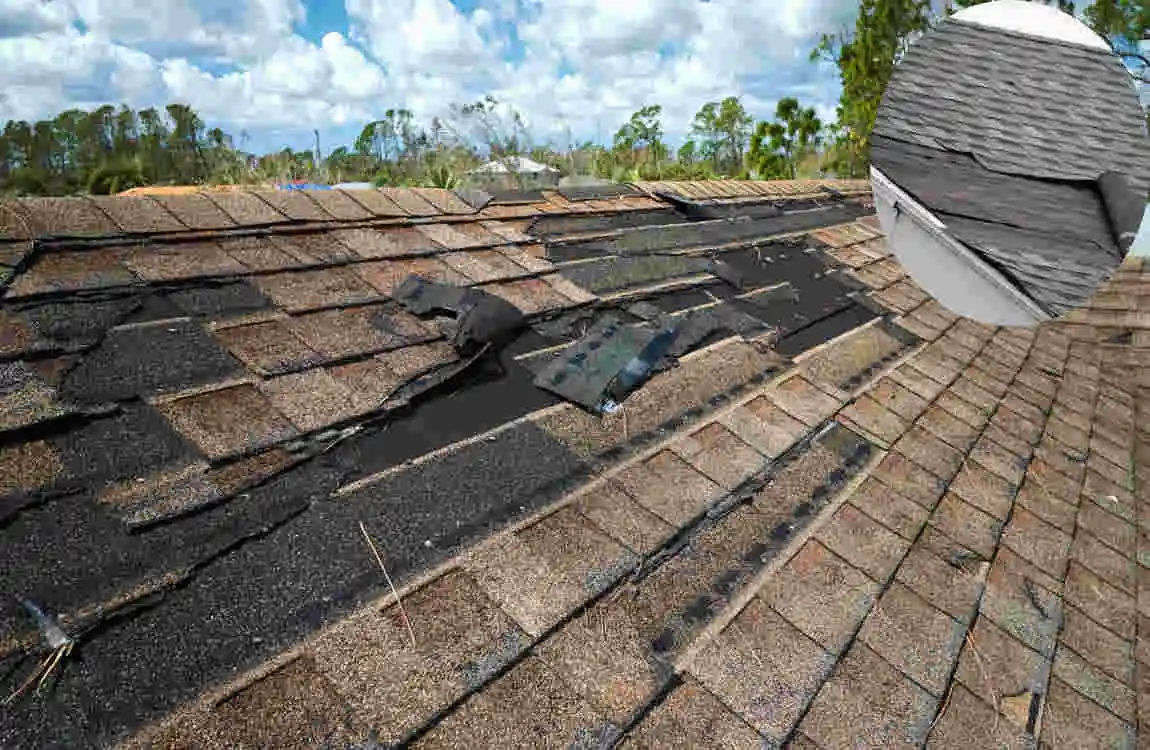
Hidden roof damage is difficult to find because the shingles often look fine, but usually the failure beneath them is the main reason for the leaks. Wind may cause the waterproof underlayment to fail or the sheathing to loosen without damaging the surface materials—think gusts over 50 mph lifting edges just enough to expose vulnerable layers.
Hail will break the matting in a shingle but will not create an obvious hole, often leaving only a slight bruise visible up close. This allows water to enter between the layers, gradually degrading insulation (reducing energy efficiency by up to 20%), wood framing (leading to rot in as little as 6 months), and interior finishes before there is a stain on the ceiling. In humid Philly climates, this trapped moisture also fosters mold growth, posing health risks to tenants.
The result is that repairs that are supposed to be minor become very expensive reconstructions—often jumping from $500 fixes to $10,000+ overhauls. Therefore, it’s important for landlords to be proactive about roof maintenance, such as annual inspections and clearing debris, to maximize rental income and tenant satisfaction.
Subtle Warning Signs of Roof Damage (Exterior Damage, Interior Damage)
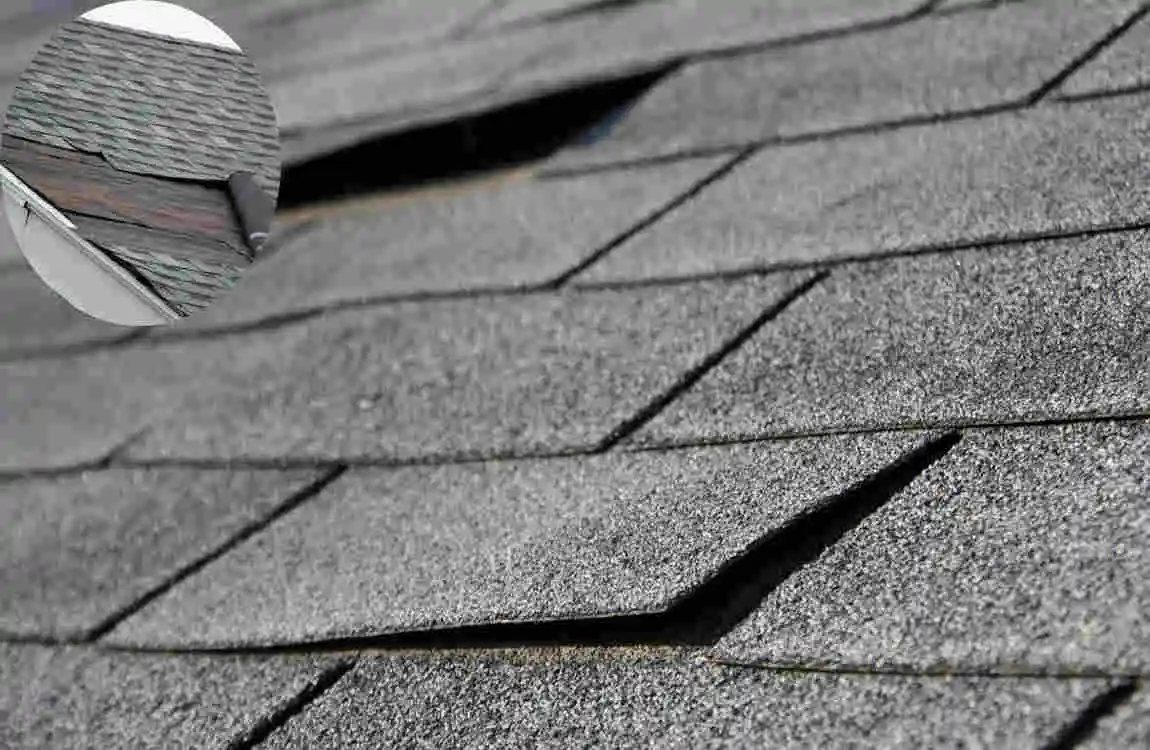
Early detection plays a role in repairing roof damage to avoid incurring more costs—potentially saving 50-70% on bills by catching issues pre-leak. This means looking deeper, not just taking a quick glance, at specific areas inside and outside your property. Use binoculars for safety on exteriors and a flashlight for attics.
Exterior Damage
Start outside first. Gutters are one place to look for black “sand” (asphalt granules) that indicates your shingles have thinned down from weathering—normal loss is 1-2% yearly, but post-storm spikes signal accelerated damage from hail or debris impacts. Look at all the metal flashings around chimneys, skylights, and vents for slight bends, separations in seams, or rust spots, which can allow wind-driven rain to seep in.
The underside of eaves/soffit areas and the top of eave/fascia board should be checked for dents (from hail smaller than golf balls), stains indicating moisture (dark streaks from repeated wetting/drying cycles), peeling paint, or soft spots from rot. Lastly, check the roof penetrations for evidence of failing seals, i.e., a crack in the rubber boot around a plumbing vent lets water into the house—boots typically last 10 years but degrade faster in UV-exposed Philly summers.
Interior Damage
Inside your property also matters. Check in your attic for small water marks on top of the decked area or rafters around vents or chimneys—dark streaks or musty odors often appear first. Look to see if you can see daylight shining through some points, signaling separated seams or punctures.
On the lower levels of your home, be aware of any new, single areas of mold/mildew growing on your ceiling, or higher than normal on your wall away from plumbing fixtures—these thrive in 70-80% humidity post-storm. Be aware of any bubbles in paint or peeling of wallpaper that have no obvious cause (usually indicates that water is leaking into your wall space, causing drywall sagging over time).
Common Causes of Subtle Storm Damage
Storms exacerbate existing vulnerabilities. High winds (common in Philly nor’easters) lift shingles, exposing nails to corrosion. Hail dents granules without cracking, while ice dams from freeze-thaw cycles force water under edges. Debris like branches creates hidden punctures, and poor drainage clogs valleys, pooling water that erodes underlayment. Asphalt roofs suffer most, but metal or tile can warp subtly too—understanding local weather patterns helps prioritize checks.
Tools and Safety Tips for DIY Inspections
Equip yourself with a ladder stabilizer, gloves, non-slip shoes, and a moisture meter for safe checks. Drones or extendable cameras reach high spots without climbing. Test for soft spots by probing gently with a screwdriver. Avoid inspections during rain or wind; wait 48 hours post-storm. For multi-story Philly rowhomes, focus on shared walls where damage spreads. Always prioritize safety—hire pros if unsure.
Long-Term Prevention Strategies
Boost resilience with impact-resistant shingles (Class 4 rated), reinforced underlayment, and gutter guards. Trim overhanging trees annually to cut debris risk by 40%. Install attic vents for better airflow, reducing ice dams. Schedule bi-annual pro inspections, especially pre-winter. These steps extend roof life 10-15 years and cut insurance premiums—check Philly rebates for energy-efficient upgrades.
How Can Property Managers Help Evaluate and Document Damage?

The role of a property manager is to turn this stress into a structured process. For example, Bay Property Management Group Philadelphia can coordinate with roof inspectors since they are proactive in maintaining the property. With a professional property manager, you can have a system that catches these damages before they escalate into more expensive ones—leveraging their local networks for fast response times in storm-prone areas.
Here are more ways property managers can help:
- Conducting a Systematic Initial Inspection
After a storm, we do a preliminary assessment that includes a comprehensive checklist for signs of damage on the inside and outside of your home. We are doing this very intentionally and with a lot of detail, so we don’t miss anything and can determine if there is anything significant enough to warrant the services of a specialty contractor—covering 20+ points like granule loss quantification. - Professional Photo & Video Documentation
We take detailed photographs and video recordings of all possible storm-related issues. This includes the overall view as a reference point and closer views of specific damage, such as granules missing from shingles or damaged flashing.
These images and videos provide visual documentation that is critical in providing irrefutable evidence to both you and your insurance adjuster as to the condition of your roof after the storm—timestamped for claims validity. - Coordinating with Certified Roofing Contractors
To obtain an informed, expert view of a property’s condition, we arrange for a detailed assessment by a reputable and competent roofing professional who is certified in that area.
Our staff will provide the roofing inspector access to the roof, provide them with details of our initial review, and ensure the entire area of the home where there are concerns is inspected.
The final report generated by the inspector will include the technical details required to evaluate the extent of repair requirements (minor wear vs. storm-related) and all other repair needs—like cost breakdowns for partial vs. full replacement. - Compiling a Detailed Report for You
You will be given an overall report which includes our opinions, the contractor’s findings, and photographs of all damage. The report will clearly describe the damage, outline what existed prior to the storm versus what was damaged by the storm, and provide recommendations for repairs to address your priorities—often with timelines and vendor quotes. - Assisting with the Insurance Claims Process
We will assist in the claims process. By providing all of the necessary documentation organized as well as a detailed report and contractor’s estimate, we will create a clear and concise argument for coverage that is supported by evidence.
We will also assist with communication and requests for additional information from the insurance carrier as needed and/or provide assistance with expediting the claims process to reach a reasonable and fair resolution—boosting approval rates by 30% via thorough prep.
Quick FAQs on Roof Damage After Storms
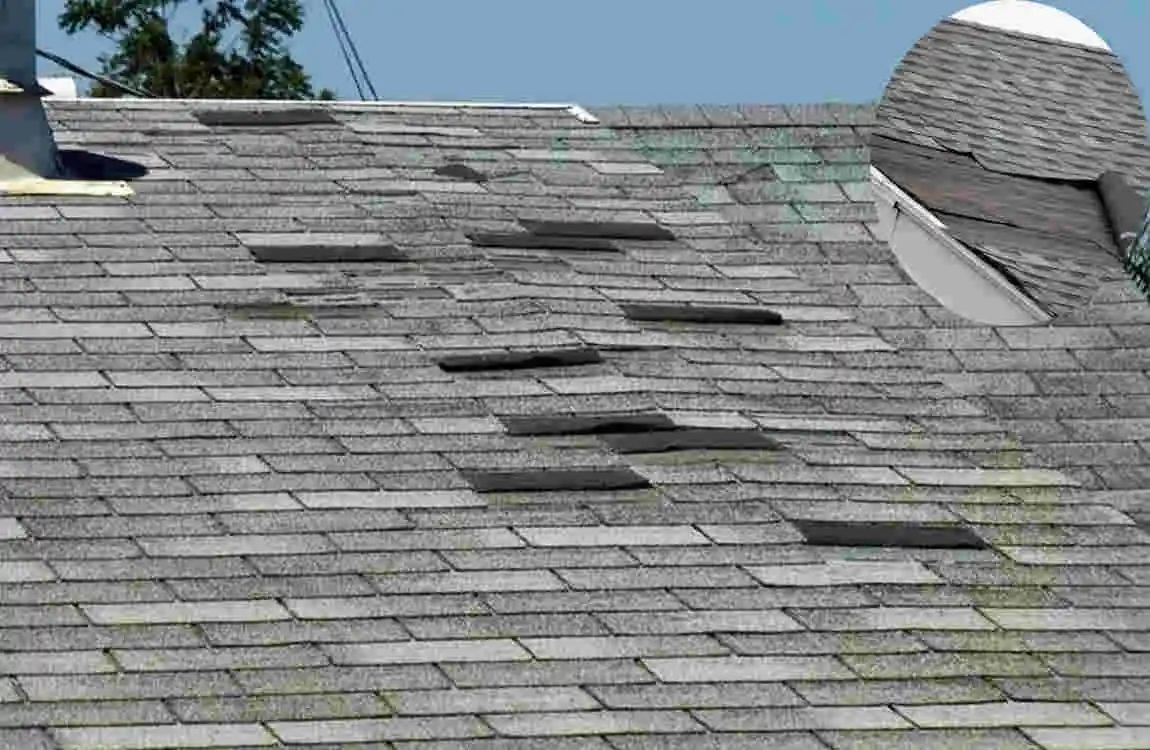
- How soon after a storm should I inspect? Within 48-72 hours to document fresh damage before secondary issues like rot set in.
- What’s the average cost of subtle roof repairs in Philly? $300-2,000 for minor fixes; $5,000+ if leaks reach interiors—insurance often covers storm-related claims.
- Can I claim insurance for granule loss? Yes, if storm-linked (e.g., hail); pros document to distinguish from normal wear.
- How often should landlords inspect roofs? Twice yearly, plus post-storm, to comply with Philly rental codes and avoid tenant disputes.
Identifying Subtle Signs of Home Roof Damage After a Storm FAQ
What are early signs of roof damage after a storm?
Look for missing shingles, small leaks, water stains on ceilings, and debris buildup on the roof or in gutters.
Can roof damage be hard to notice?
Yes. Many issues like lifted shingles or small cracks are not visible from the ground but can still cause long-term damage.
What should I check inside the house?
Check ceilings and attic spaces for damp spots, mold, musty smells, or discoloration after heavy rain or wind.
How do gutters indicate roof damage?
Clogged or damaged gutters, or excessive shingle granules in them, can signal roof wear after a storm.
Are leaks always immediate?
No. Some roof leaks appear days or weeks after a storm as water slowly enters weakened areas.
What external signs should I look for?
Look for curled shingles, broken flashing, loose ridge caps, or visible roof sagging.
Should I inspect the roof myself?
You can do a basic visual check from the ground, but a professional inspection is safer for detailed assessment.
When should I call a professional?
If you notice leaks, missing shingles, or any structural concerns, it’s best to call a roofing expert immediately.
Conclusion
Protect your rental property in Philadelphia from expensive storm damage by recognizing early warning signs. Take advantage of an added layer of protection for your Philadelphia rental when you work with a proactive property management company.
Such a proactive approach will provide you with expert evaluation, documentation, and repair, thus protecting your property’s value as well as your peace of mind for years to come. Be on the lookout for these signs of storm damage; it is essential to take action now to protect your investment.