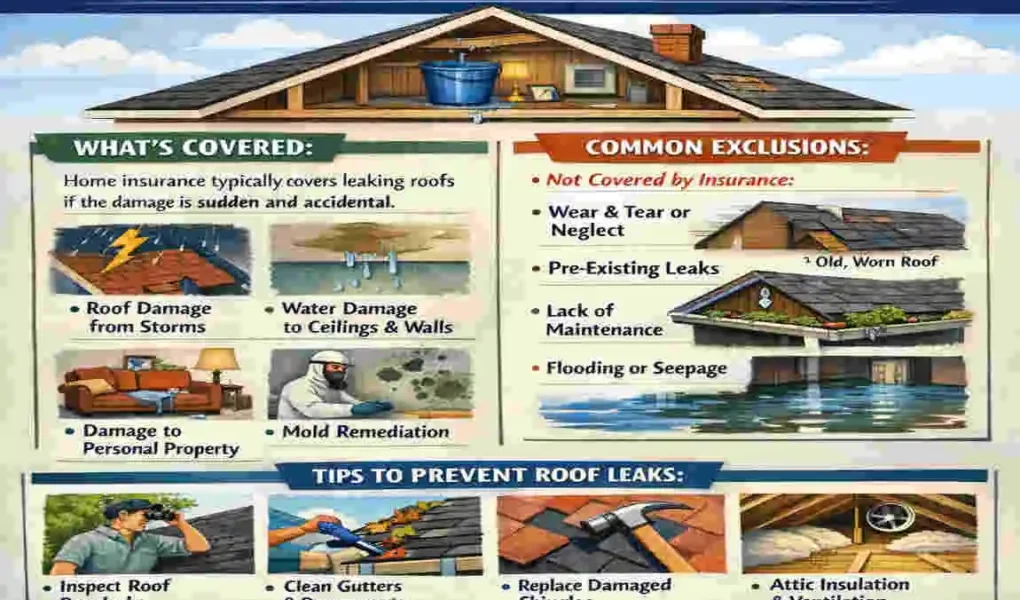
A leaking roof can turn into a big problem fast. It can damage ceilings, walls, furniture, and even lead to mold. That is why many homeowners ask the same question: Will insurance cover roof damage from leaks?
The answer is sometimes yes, sometimes no. It depends on what caused the leak, how old the roof is, and whether you have kept up with regular maintenance.
Understanding Roof Leaks
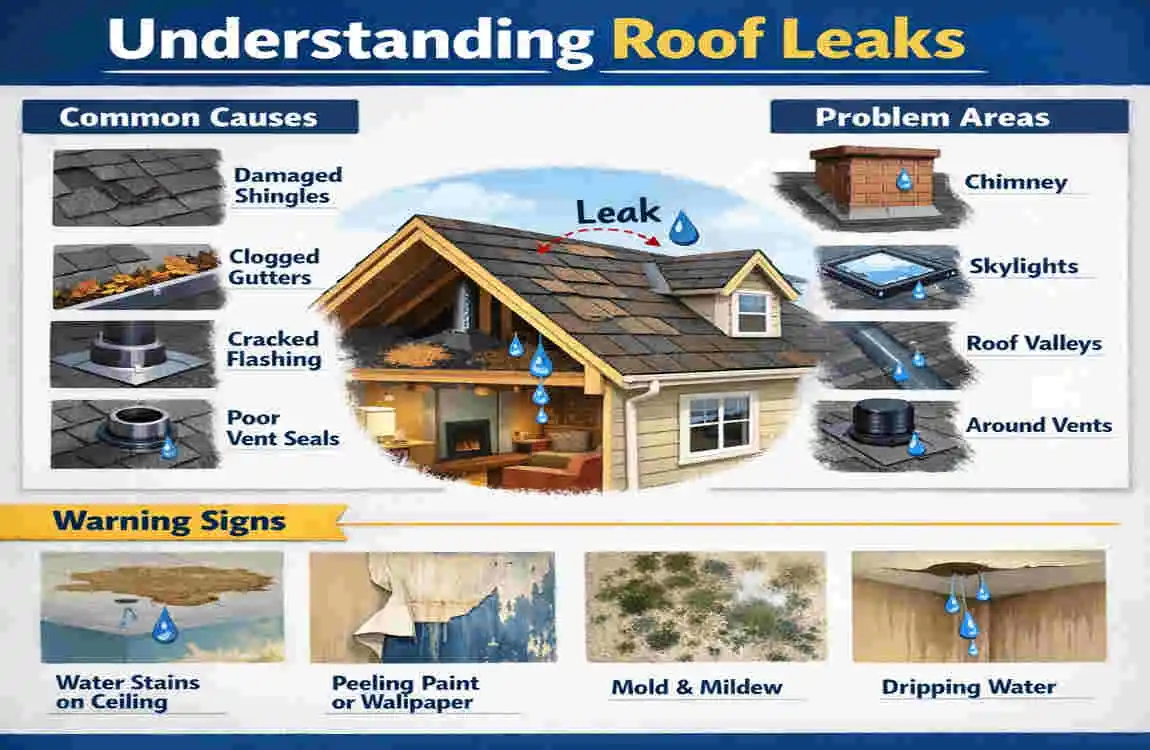
What Causes Roof Leaks?
Roof leaks do not happen for just one reason. They can start in several ways:
- Weather damage from storms, hail, or strong winds
- Aging materials that crack, curl, or weaken over time
- Poor installation that leaves weak spots
- Lack of maintenance, such as clogged gutters or missing shingles
When these problems build up, water can seep into your home. Even a small leak can become serious if you ignore it.
Signs of a Leaking Roof
You may notice a leak before you see water dripping. Watch for these signs:
- Water stains on ceilings or walls
- Damp spots in the attic
- Mold or mildew smell
- Peeling paint or bubbling drywall
- Sagging ceilings
If you see any of these, act quickly. Early action can reduce damage and help protect your insurance claim.
Overview of Home Insurance and Roof Coverage
What Is Homeowners Insurance?
Homeowners insurance is designed to protect your house and personal belongings from covered losses. It usually includes:
- Dwelling coverage for the structure of your home
- Personal property coverage for your belongings
- Liability coverage if someone gets hurt on your property
Your roof is usually part of the dwelling coverage, but that does not mean every roof problem is covered.
Does Homeowners Insurance Cover Roof Leaks?
This is where many homeowners get confused. The key question is not just whether the roof leaks, but why it leaks.
If the damage happened suddenly and accidentally, your policy may help. If the leak came from old age, neglect, or poor upkeep, the insurer may deny the claim.
So, will insurance cover damage from a leaking roof in your home? Only if the cause fits your policy terms.
Common Exclusions
Insurance companies often do not cover:
- Normal wear and tear
- Slow leaks that happen over time
- Damage from lack of maintenance
- Roof problems caused by poor repairs or bad installation
This is why it is so important to understand your policy before you need it.
Situations Where Insurance Covers Roof Leaks
Storm and Weather Damage
One of the most common covered causes is sudden storm damage. For example, if strong winds rip off shingles and rain enters your home, your policy may cover the repair.
The same may apply if hail cracks the roof or heavy rain forces water through a damaged section.
Fallen Trees or debris
If a tree branch or other debris falls on your roof and causes a leak, your insurance may help pay for repairs. These types of events are usually seen as sudden and accidental.
Sudden and Accidental Events
Insurance tends to favor claims for sudden, unexpected damage. That includes things like:
- A tree falling during a storm
- Wind is tearing off shingles
- Hail punching holes in roofing material
If the damage is clearly linked to a sudden event, your chances of coverage are usually better.
Situations Where Insurance Won’t Cover Roof Leaks
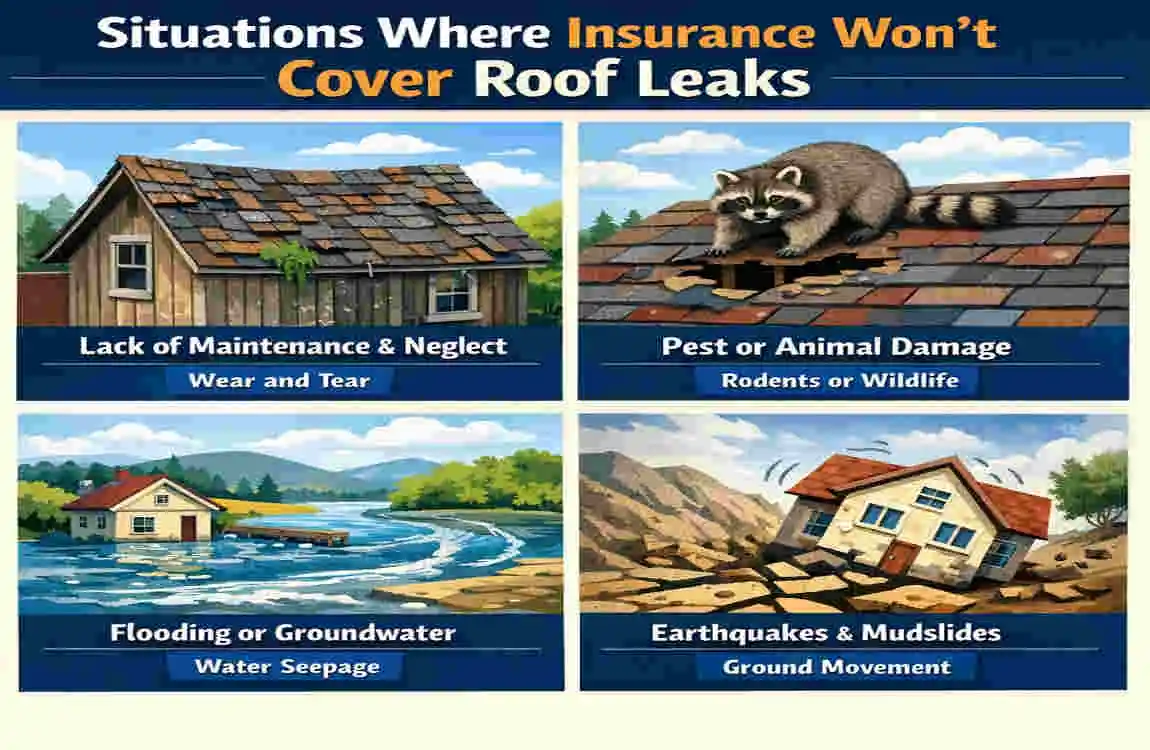
Neglect or Lack of Maintenance
If you failed to clean gutters, replace damaged shingles, or fix a known issue, the insurer may say the leak was preventable. That can lead to a denied claim.
Age of the Roof
Older roofs are more likely to be denied coverage if the leak is tied to age and deterioration. Some policies also reduce payout amounts for roofs that are past a certain age.
Gradual Wear and Tear
Insurance is not meant to pay for a roof that slowly breaks down over time. If water has been seeping in for months or years, the insurer may classify it as maintenance-related damage.
Improper Installation or DIY Repairs
If the roof was installed badly or repaired by someone unqualified, that can create problems later. Insurance usually does not cover damage caused by poor artistry.
Quick Look: What May Be Covered vs. What May Not
Situation: Likely Covered? Why
Storm tears off shingles. Yes, sudden and accidental damage
A tree falls on the roof. Yes, direct accidental impact
The roof leaks from age. No Wear and tear is usually excluded
The leak was caused by poor maintenance. No Homeowner responsibility
Damage from faulty DIY repair, usually no Poor artistry exclusion
How to File a Roof Leak Insurance Claim
Step-by-Step Process
If you believe the leak may be covered, act fast.
- Contact your insurance company right away
- Take photos and videos of the damage
- Write down what happened and when you noticed it
- Make temporary repairs, such as using a tarp to stop more water damage
- Schedule an inspection with the adjuster
- Follow up often until the claim is resolved
Tips for a Better Claim
A strong claim usually includes:
- Clear photos of the damage
- Repair records and receipts
- Notes about recent storms or events
- Proof that you maintained the roof
The more organized you are, the easier it is to support your claim.
If Your Claim Is Denied
If the insurer says no, do not give up right away. You can:
- Ask for a written explanation
- Review your policy carefully
- Submit more evidence
- File an appeal
- Speak with a roofing expert or legal professional if needed
Sometimes a denial is final, but sometimes more proof can change the outcome.
Preventing Roof Leaks: Best Practices
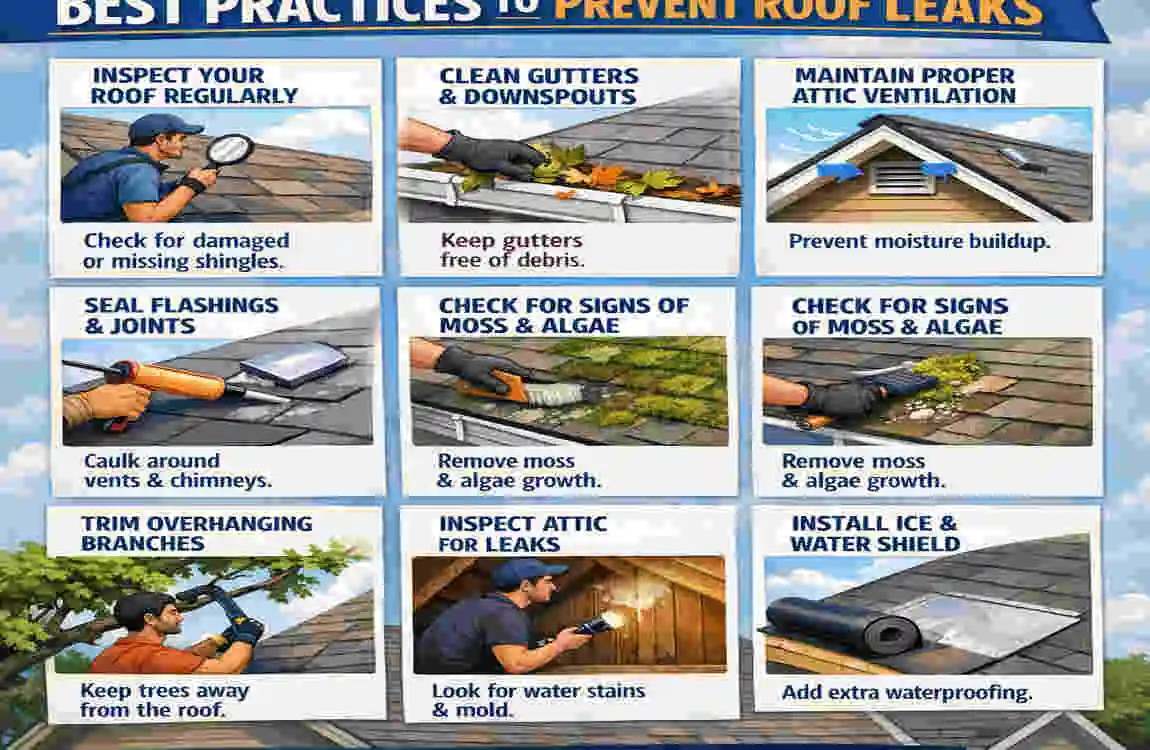
Routine Maintenance Tips
A little care can save you a lot of stress later. Try these simple steps:
- Clean gutters regularly
- Check shingles after storms
- Look for cracked flashing or loose tiles
- Inspect the attic for damp spots
- Trim nearby tree branches
When to Replace Your Roof
If your roof is very old, keeps needing repairs, or shows major wear, replacement may be the smarter choice. A new roof can also make insurance easier to manage in some cases.
Hire Professionals
Always use licensed contractors for major inspections and repairs. Good records from professionals can help support an insurance claim later.
Frequently Asked Questions
Will insurance cover a leaking roof if it’s an old roof?
Sometimes, but not usually, if the leak is caused solely by age. If a storm caused sudden damage to an old roof, your policy may still provide partial coverage, depending on your policy.
What is considered neglect or poor maintenance?
Neglect usually means failing to take reasonable care of the roof. Examples include ignoring missing shingles, letting gutters clog, or failing to fix known leaks.
Can I get insurance to cover a pre-existing roof leak?
This is very difficult. Insurance is meant for new damage, not problems that existed before the policy or before the claim.
Does homeowners’ insurance cover mold caused by a roof leak?
Sometimes, but only if the mold comes from a covered event and you acted quickly. If the mold grew because you ignored the leak, coverage may be denied.
| Cause of Roof Leak | Insurance Coverage? | Notes |
|---|---|---|
| Storm Damage (e.g., hail, wind) | Usually Covered | Sudden and accidental damage is typically covered. |
| Aging Roof / Wear and Tear | Not Covered | Considered neglect or gradual deterioration. |
| Fallen Tree or Debris | Usually Covered | If it causes sudden damage to the roof. |
| Poor Maintenance | Not Covered | Insurance excludes damage due to neglect. |
| Improper Installation | Not Covered | Damage from faulty workmanship is excluded. |