A felt roof is a popular choice for many homeowners because it is simple, affordable, and practical. If you have a garage, shed, porch, or flat roof, roofing felt can be a smart solution. It provides solid protection against rain, enhances the roof’s appearance, and can be installed with minimal hassle.
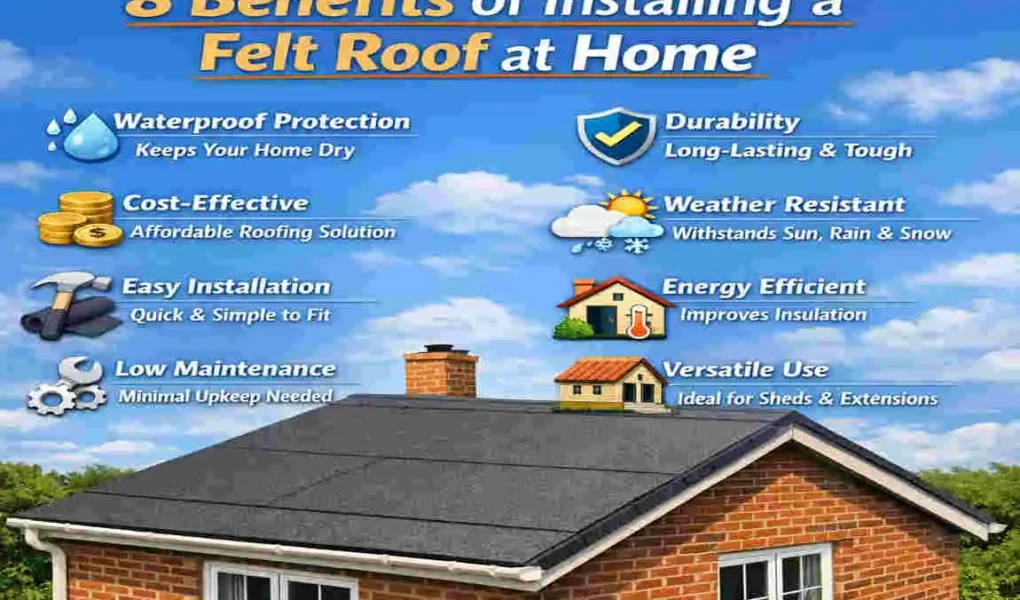
| Benefit | Description | |
|---|---|---|
| Excellent Waterproofing | Felt roofing creates a strong barrier against rain and moisture, helping prevent leaks. | |
| Cost-Effective | It is one of the most affordable roofing options for garages, sheds, and flat roofs. | |
| Easy Installation | Felt roofs are relatively simple to install, making them suitable for DIY and professional projects. | |
| Weather Resistant | Modern felt roofing can withstand rain, wind, and UV exposure effectively. | |
| Lightweight Material | Felt adds minimal weight to the structure, reducing stress on the building. | |
| Durable and Long-Lasting | With proper maintenance, a quality felt roof can provide reliable protection for many years. | |
| Versatile Application | Suitable for homes, garages, garden sheds, extensions, and other outdoor structures |
What Is a Felt Roof?
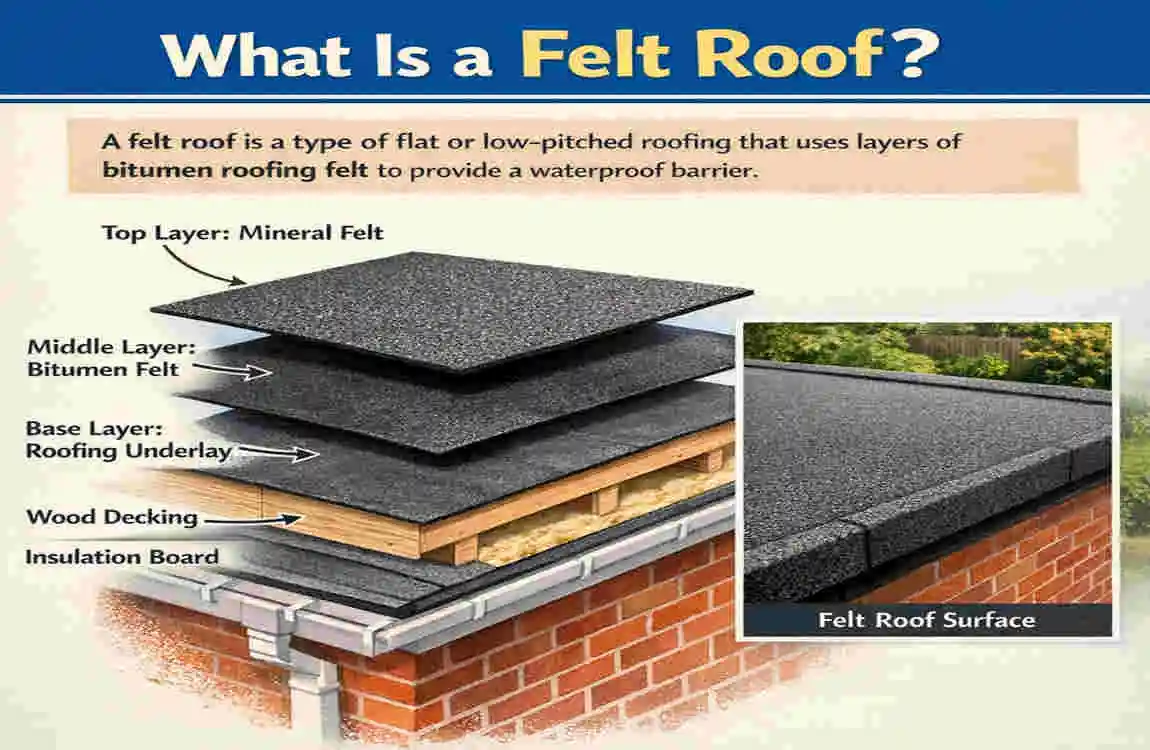
Understanding Roofing Felt
Roofing felt is a strong waterproof layer used on roofs, especially flat roofs. It usually comes in rolls and is made from materials that help block water and protect the surface below.
Older felt roofing was basic and did not last as long. Modern roofing felt is much better. It is stronger, more flexible, and better at handling changing weather.
Common Applications of Felt Roofing
Felt roofing is often used on:
- Garages
- Garden sheds
- Flat roofs
- Home extensions
- Porches
- Outbuildings
Because it works well on simple roof shapes, many homeowners prefer it for smaller structures.
Types of Roofing Felt Available
There are a few common types of felt roofing:
- Torch-on felt – fixed with heat for a strong seal
- Self-adhesive felt – easier to install and good for DIY work
- Traditional nail-on felt – a basic option for simple roofing jobs
Each type has its own uses, but all aim to create a waterproof felt roof.
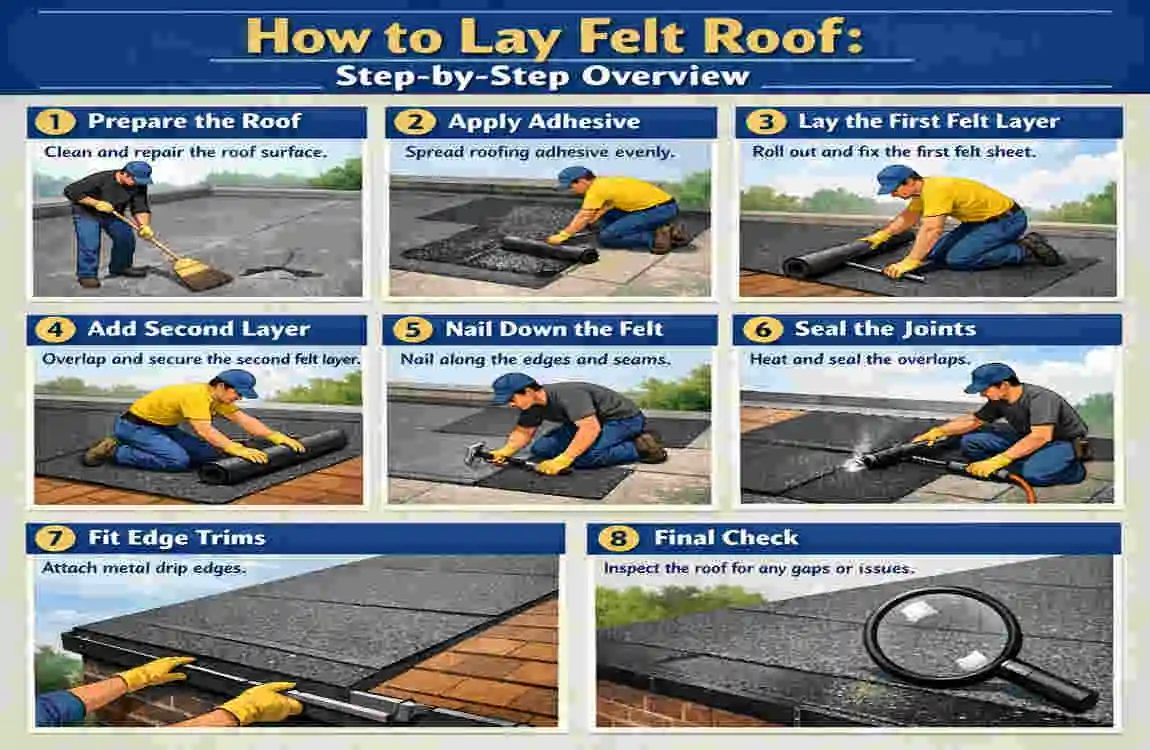
How to Lay Felt Roof: Step-by-Step Overview
Tools and Materials Required
Before starting, gather the basic tools and materials you need:
- Roofing felt
- Adhesive
- Nails
- Hammer
- Utility knife
- Measuring tape
Having everything ready makes the job smoother and safer.
Preparing the Roof Surface
Good preparation is important. Start by cleaning the roof surface and removing dirt, dust, and loose pieces. Check the decking for damage and repair weak spots before moving on.
A clean and solid base helps the felt stick properly and last longer.
Installing the Underlay
The first layer acts as a base. Roll it out carefully and secure it in place. Keep it straight and make sure it lies flat without bumps or folds.
Applying the Top Layer
The top layer provides extra protection. Overlap each section properly so water cannot get through the joints. Press the felt down firmly and seal the edges well.
Final Inspection and Safety Checks
Once the felt is in place, check the edges, corners, and joins. Look for loose spots or gaps. After that, make sure the roof drains well and does not hold water.
Cost-Effective Roofing Solution
Affordable Installation Costs
One of the biggest reasons people choose felt roofing is the price. Compared with many other roofing materials, felt is usually cheaper to buy and install.
Budget-Friendly Repairs
If damage happens, small patches or replacements are often simple and affordable. This makes felt a practical choice for homeowners who want to keep costs under control.
Long-Term Value
A well-installed felt roof can give good value for money. It offers solid protection without requiring a large budget upfront.
Excellent Waterproof Protection
Built for Wet Weather Conditions
A roof’s main job is to keep water out. Felt roofing does this well, especially when installed correctly on flat roofs.
Leak Prevention Features
The overlapping design helps stop rain from getting through. This is one reason many people trust flat roof felt for sheds, garages, and extensions.
Moisture Resistance Benefits
By keeping moisture away from the structure, felt helps protect the roof decking and inside areas from water damage.
Easy Installation Process
Suitable for DIY Projects
Many homeowners like felt roofing because it can be installed as a DIY project. If you are careful and follow the steps, the process is manageable.
Simple Tools Required
You do not need heavy or expensive equipment. Most of the tools are basic and easy to use.
Learning How to Lay Felt Roof Efficiently
Once you understand the process, installing roofing felt becomes much easier. The work is straightforward, especially on smaller roofs.
Durable and Long-Lasting Performance
Modern Felt Roofing Improvements
Today’s felt roofing is much better than older materials. It is stronger and better designed to resist daily wear.
Resistance to Daily Wear
A felt roof can handle sun, rain, wind, and regular weather changes when installed and maintained properly.
Expected Lifespan
The lifespan depends on material quality, installation, and care. With good maintenance, a felt roof can last for many years.
Versatile for Different Structures
Ideal for Flat Roofs
Felt works especially well on flat surfaces because it creates a smooth, sealed finish.
Suitable for Residential Projects
It is a good option for home extensions, porches, workshops, and small outbuildings.
Adaptable Installation Options
Whether you choose torch-on, adhesive, or nail-on felt, there is usually an option that fits the project.
Low Maintenance Requirements
Routine Inspection Tips
A felt roof requires little maintenance, but it should be checked a few times a year for damage or wear.
Easy Cleaning Process
Keep the roof clear of leaves, dirt, and standing water. This helps the roof stay in better condition.
Simple Repair Procedures
If you notice a crack or tear, small repairs can often be done quickly before the problem gets worse.
Improved Energy Efficiency
Added Insulation Support
Felt roofing can help reduce heat loss when used as part of a well-built roof system.
Temperature Regulation
It helps keep indoor spaces more comfortable by supporting a more stable roof surface.
Lower Energy Costs
Better roof performance may help reduce heating or cooling needs over time.
Weather and UV Resistance
Good-quality felt can withstand sunlight better than older materials. This helps reduce early damage.
Wind Resistance Capabilities
If the roof is installed properly, it can handle wind well and stay secure.
Year-Round Performance
A felt roof provides reliable protection throughout the seasons, from wet winters to hot summers.
Common Mistakes to Avoid When Learning How to Lay Felt Roof
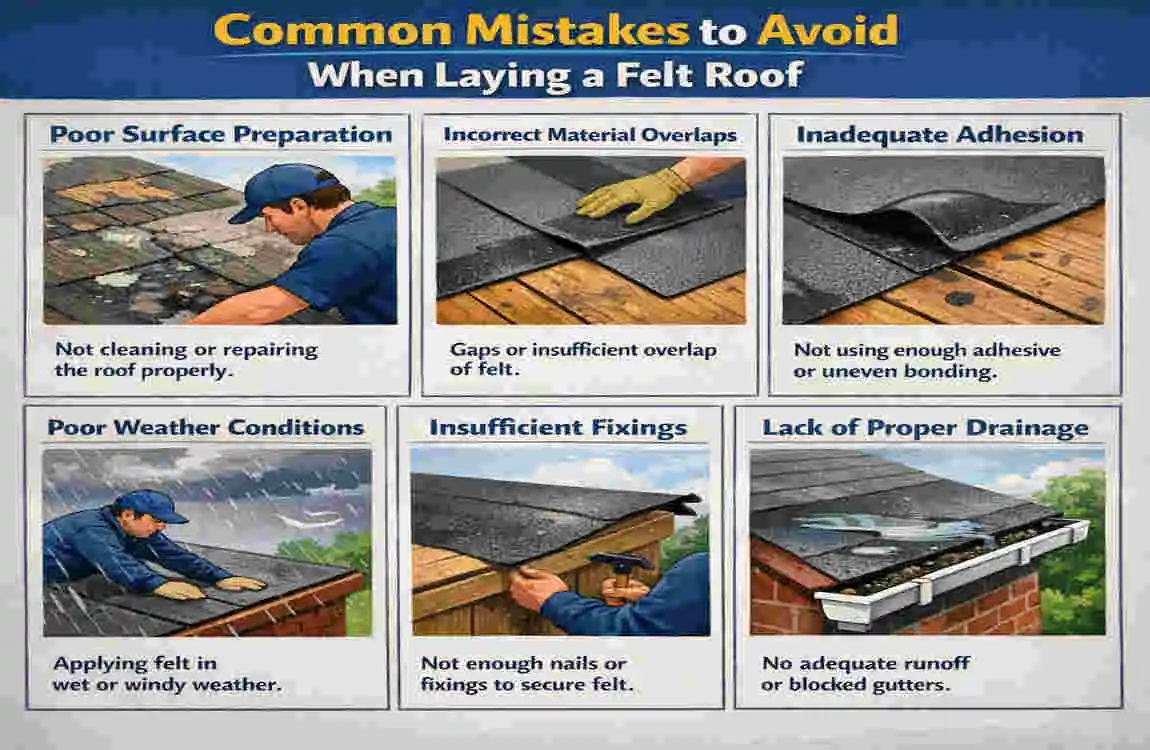
- Skipping surface preparation
- A dirty or damaged base can lead to weak results.
- Wrong overlapping
- Poor overlaps can allow water to seep in.
- Using low-quality materials
- Cheap materials may not last as long.
- Ignoring safety
- Always take care when working at height or using tools.
Felt Roof Maintenance Tips
Annual Roof Inspections
Check the roof at least once a year. Look for cracks, lifted edges, or signs of wear.
Cleaning Gutters and Drainage Areas
Blocked gutters can cause standing water, which may damage the roof over time.
Addressing Damage Early
Small repairs are much easier and cheaper than full replacement. Fix problems as soon as you spot them.
Felt Roof vs Other Roofing Materials
Roofing Material Cost Durability Maintenance Best For
Felt Roof Low Good Low Flat roofs, sheds, garages
EPDM Rubber Medium Very good Low Larger flat roofs
Fiberglass Medium Good Medium Permanent roof projects
Metal Roofing High Excellent Low to medium Long-term heavy-duty use
If you want a simple and affordable solution, felt roofing is often the easiest place to start.
How Much Does It Cost to Install a Felt Roof?
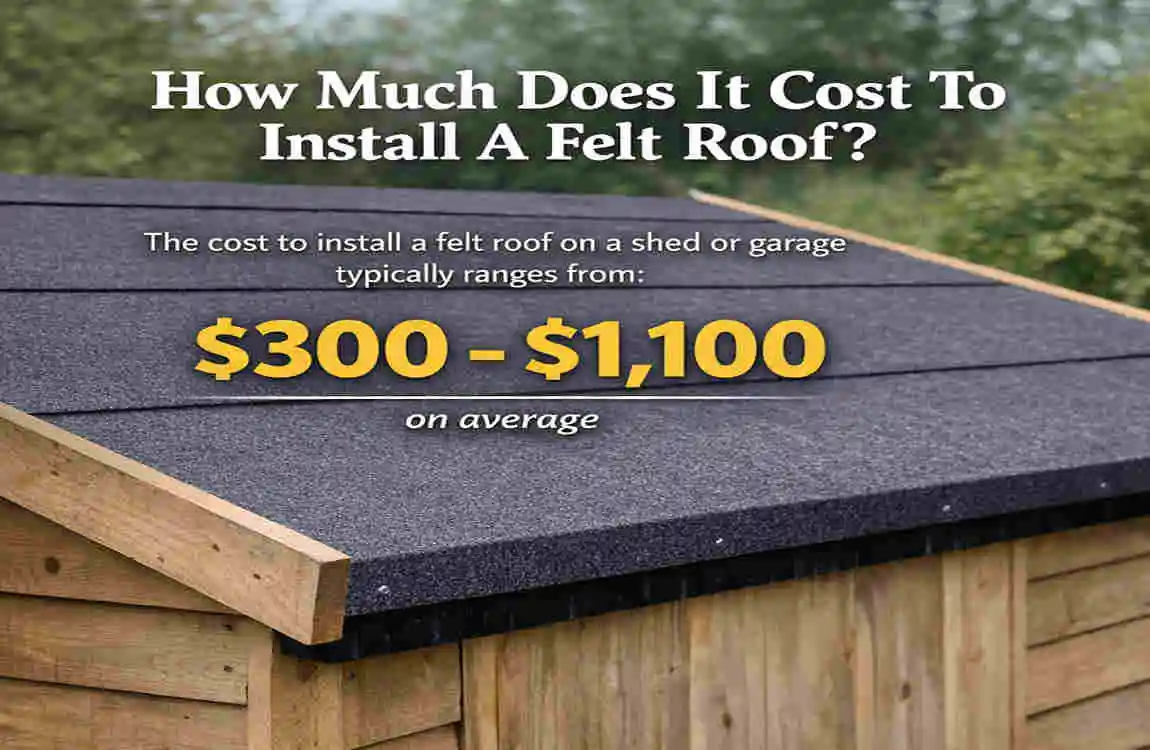
Material Costs
The price depends on the type of felt you choose, the roof size, and the quality of the materials.
Labor Costs
If you hire a professional, labor will add to the total felt roof cost. DIY installation can lower the price.
Factors Affecting Total Cost
The main things that affect cost are:
- Roof size
- Roof access
- Material quality
- Type of felt used
Frequently Asked Questions About How to Lay Felt Roof
Can I Install Roofing Felt Myself?
Yes, many people do. Small roofs are often suitable for DIY work if you have the right tools and follow the steps carefully.
How Long Does Roofing Felt Last?
That depends on the product and maintenance. A well-installed roof can last many years.
Is Felt Roofing Waterproof?
Yes, when installed properly, it offers strong waterproof protection.
What Is the Best Weather for Installing Roofing Felt?
Dry, mild weather is best. Wet or very cold conditions can make the work harder.
How Often Should a Felt Roof Be Inspected?
At least once a year, and after major storms if possible.
Can Felt Roofing Be Repaired Instead of Replaced?
Yes. Small damage can often be repaired, saving time and money.