If you own a home, you probably think about the roof, plumbing, or paint long before you think about the wiring hidden inside the walls. That is normal. Most people do not notice electrical wiring until something starts going wrong.
Still, how long electrical wiring lasts in a house is an important question. Wiring is one of those systems that quietly keeps everything running. It powers your lights, appliances, HVAC system, outlets, and everyday comfort. When it ages, the risks can grow fast.
| Component / Wiring Type | Typical Lifespan | Notes / When to Consider Replacement |
|---|---|---|
| PVC-insulated copper wiring (modern) | 25–40 years | Standard in most recent builds; replace if damaged or outdated . |
| XLPE-insulated cables | 30–40 years | Better heat resistance; still limit by environment and load . |
| Rubber-insulated wiring (very old) | < 25 years | Common in pre-1960s homes; often brittle and unsafe . |
| Aluminum wiring (1960s–70s) | 20–30 years (risky) | Prone to overheating; evaluate for replacement or CO/ALR devices . |
| Electrical panel (breaker box) | 25–40 years | Signs of rust, frequent trips, or burns mean sooner replacement . |
The good news is that wiring does not always fail all at once. In many homes, it wears down slowly over time. That means you often have warning signs before a major problem happens. The key is knowing what to look for and when to act.
What Is Electrical Wiring and Why It Matters?
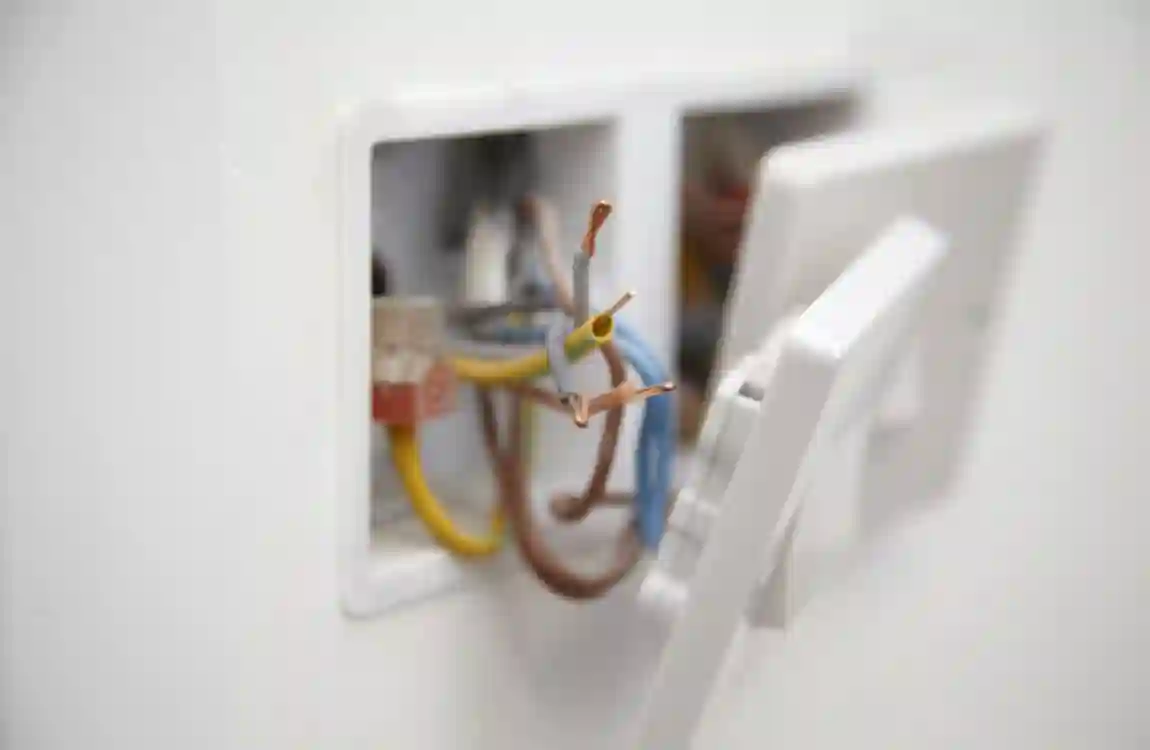
Electrical wiring is the network of wires that carries electricity from your main power source to the rest of your home. Think of it like the home’s nervous system. It sends power where it is needed so your lights turn on, your fridge stays cold, and your devices charge properly.
Without healthy wiring, a house cannot function safely or efficiently.
Wiring matters because modern homes use much more power than older homes were built for. Today, we rely on air conditioners, computers, microwaves, washers, dryers, TVs, gaming systems, and smart devices. That puts more pressure on old systems.
When wiring becomes old or damaged, it can turn into a hidden hazard. You may not see the problem right away, but heat, wear, and poor connections can slowly increase the risk of outages, shocks, and even electrical fires.
How Long Does Electrical Wiring Last in a House?
The short answer is this: most electrical wiring lasts several decades, but the exact lifespan depends on the material, the installation quality, and how hard the system has been worked over the years.
In general:
- Copper wiring can last 50 to 70 years or more
- Aluminum wiring often lasts 30 to 50 years
- Older knob-and-tube wiring usually needs replacement much sooner, especially in modern homes
But lifespan is not just about age. A 40-year-old wiring system in a dry, well-maintained home may still be in decent shape. On the other hand, a 25-year-old system that was overloaded, poorly installed, or exposed to moisture may already be unsafe.
Wiring usually does not “expire” on a single date. It degrades little by little. The insulation may weaken. Connections may loosen. Corrosion may build up. Once that happens, the system works harder and becomes less reliable.
That is why regular inspections matter. A licensed electrician can often spot issues long before they become serious.
Types of Electrical Wiring and Their Lifespan
Not all wiring is the same. The type used in your home plays a big role in how long it lasts and how safe it is.
Copper Wiring
Copper is the most common wiring material in modern homes. It is strong, durable, and handles electricity very well. It also resists wear better than many older materials.
Typical lifespan: 50–70+ years
Copper wiring is usually a solid long-term choice when it is installed correctly and not overloaded. In many homes, it can last for decades with little trouble.
Aluminum Wiring
Aluminum wiring was used in some homes, especially in the 1960s and 1970s. It was cheaper than copper, but it has more issues over time. Aluminum expands and contracts more than copper, which can loosen connections. It is also more likely to oxidise.
Typical lifespan: 30–50 years
Because of these concerns, aluminium wiring needs careful attention. It is not inherently dangerous, but poor connections can increase the risk of overheating.
Knob-and-Tube Wiring
Knob-and-tube wiring is very old and is usually found in homes built before the 1950s. It has no grounding wire, and the insulation around it often breaks down with age.
Typical lifespan: Often far past its safe service life
This type of wiring is a red flag in many homes. It may still function, but it is usually not suited for today’s electrical demands. In many cases, replacement is the safest option.
Modern PVC-Insulated Wiring
Modern wiring usually comes with safer insulation materials, such as PVC. These materials resist heat and moisture better than older styles.
Typical lifespan: Often several decades when properly installed
This type of wiring is designed for better safety and reliability. It still needs maintenance, but it generally holds up well over time.
Quick Comparison Table
Wiring Type Common Era Typical Lifespan Main Concern
Copper Modern homes 50–70+ years Usually durable, but can still wear out
Aluminium 1960s–1970s homes 30–50 years Loose connections and oxidation
Knob-and-Tube Pre-1950s homes Often outdated No grounding and aged insulation
PVC-Insulated Modern homes Several decades Needs proper installation and care
Warning Signs Your Home Wiring Is Aging
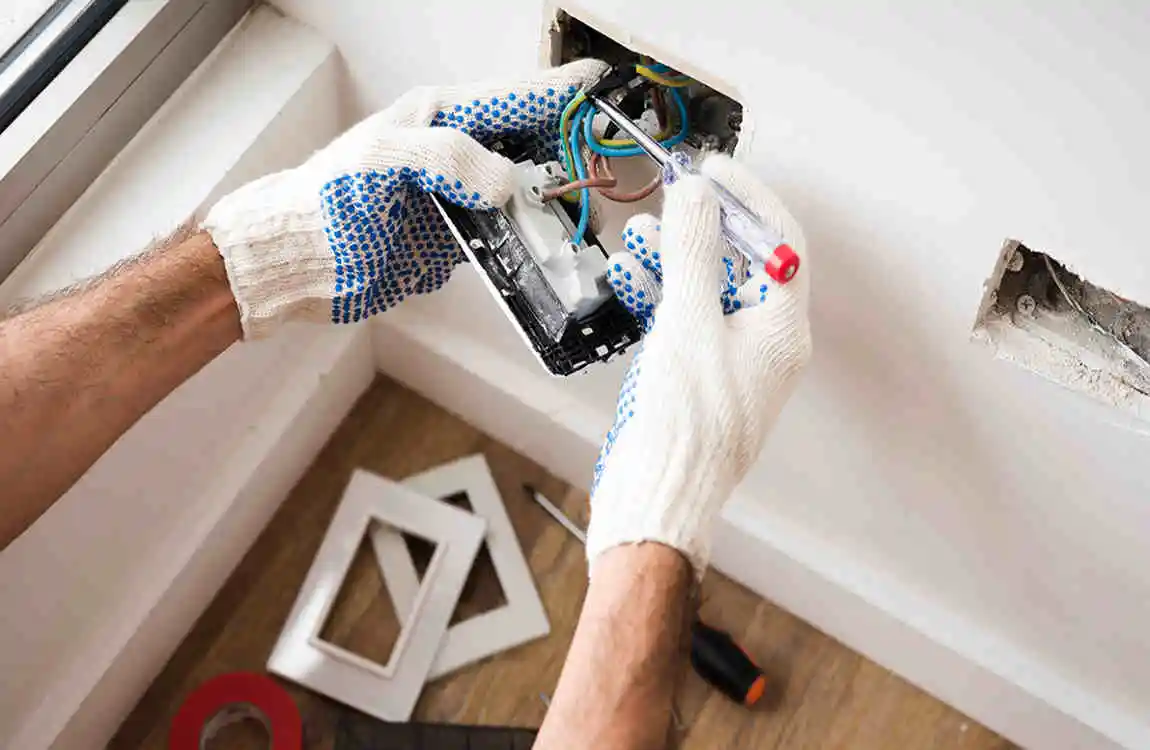
Old wiring does not always announce itself clearly. Often, it gives you small warning signs first. Paying attention to these signs can help you avoid bigger problems later.
Some common warning signs include:
- Flickering or dimming lights
- Circuit breakers that trip often
- A burning smell near outlets or switches
- Warm, discoloured, or damaged outlets
- Buzzing or crackling sounds in walls
- Small shocks when touching switches or appliances
- Appliances that seem weak or run poorly
- An old fuse box instead of a breaker panel
These signs should not be ignored. They may point to overloaded circuits, loose connections, or damaged insulation. Even if the problem seems minor, it can get worse over time.
If you notice more than one of these warning signs, it is a good idea to schedule an inspection. Your home may be telling you that the electrical system needs attention.
What Happens When Electrical Wiring Becomes Too Old?
When wiring ages beyond its safe range, several problems can show up.
First, the risk of fire rises. Old insulation can crack, connections can loosen, and heat can build up inside walls without being seen.
Second, the system may become less efficient. Electricity may not flow as smoothly, causing lights to dim or appliances to struggle.
Third, old wiring can lead to more frequent outages and breaker trips. That is your system’s way of saying it is under stress.
Fourth, you may face higher repair costs later. A small issue that is ignored can grow into a much larger and more expensive one.
There can also be insurance or code concerns in older homes, especially if the wiring has not been updated in decades. That does not always mean your home is unsafe today, but it does mean you should not put off an inspection.
Factors That Affect Wiring Lifespan
Several things can shorten or extend the life of your home’s wiring.
Installation Quality
Good installation matters a lot. If the wiring was installed poorly in the first place, it may fail sooner.
Electrical Load
Homes today use more power than many older systems were built for. Constant overload puts extra strain on the wiring.
Heat and Moisture
High heat, damp areas, and humidity can damage insulation and connections over time.
Rodents and Pests
Mice and other pests can chew through wire insulation, which creates a serious safety issue.
Renovations and DIY Work
Bad repairs or unsafe DIY changes can make a wiring system less reliable.
Corrosion and Aging Materials
Over time, metal parts can corrode or loosen, especially in older homes.
When Should You Replace Home Wiring?
You do not always need to replace all your wiring just because your house is old. But there are times when replacement is the smart move.
You should strongly consider rewiring if:
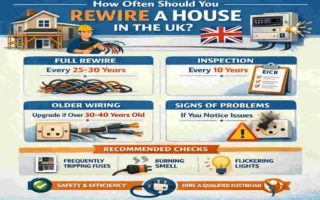
- Your home is 40 to 50 years old or more and has never been updated
- You have knob-and-tube wiring
- You have aluminium wiring with repeated problems
- Breakers trip often, or lights flicker regularly
- You are planning a major renovation
- You are adding high-demand equipment like a new HVAC system, EV charger, or large appliances
A professional inspection is the best first step. An electrician can tell you whether you need a full rewiring, a partial upgrade, or just repairs in certain areas.
Cost of Rewiring a House
Rewiring can be a big job, so cost is often one of the first things homeowners want to know. The price depends on the size of the house, how easy the wiring is to access, and how much of the system needs to be replaced.
A partial rewiring is usually cheaper because it targets only problem areas. A full rewiring costs more, but it may be the better long-term choice for very old or unsafe systems.
Even though rewiring can feel expensive, it is really an investment in safety and peace of mind. It can also improve your home’s value and help your electrical system work more efficiently.
How to Extend the Life of Electrical Wiring
You cannot stop wiring from ageing, but you can help it last longer with good habits.
Here are a few simple steps:
- Schedule regular inspections
- Have a licensed electrician check your system, especially in older homes.
- Avoid overloading outlets
- Too many devices on a single circuit can cause overheating and stress.
- Use surge protectors
- These help protect your electronics and reduce sudden electrical stress.
- Replace damaged outlets and switches quickly
- Small problems should not be left alone.
- Keep wiring away from moisture
- Water and electricity do not mix, so fix leaks and damp areas fast.
- Hire licensed electricians only
- Proper work helps prevent future hazards.
Safety Tips for Homeowners
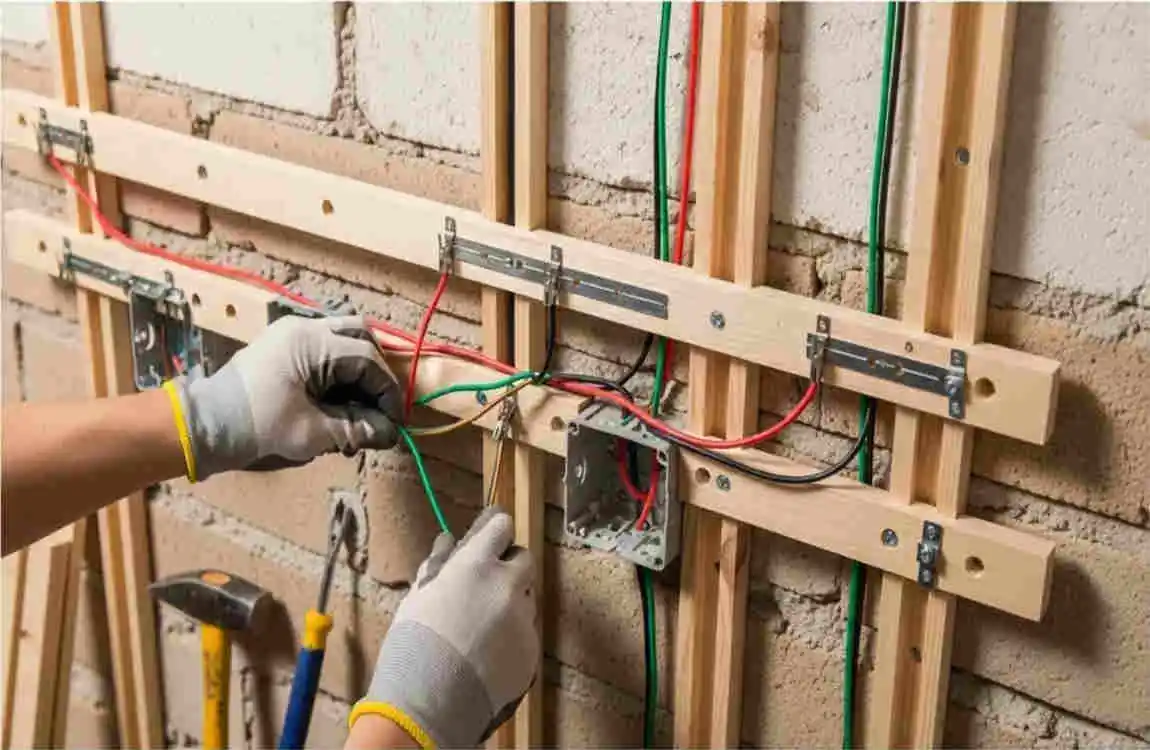
When it comes to electrical systems, safety should always come first.
- Do not ignore warning signs
- Do not attempt major rewiring as a DIY project
- Turn off the power before checking anything nearby
- Keep smoke detectors working
- Upgrade old breaker panels when needed
- Call a professional if something smells burnt or feels hot
If something seems off, trust your instincts. Electrical problems are not worth guessing about.
Frequently Asked Questions
How long does electrical wiring last in a house on average?
In many homes, wiring lasts 50 to 70 years, depending on the material, how it was installed, and how much stress it has been under.
Can old wiring cause a fire?
Yes. Old or damaged wiring can overheat, spark, or fail, increasing the risk of fire.
Is rewiring a house worth it?
Yes, especially if your home has outdated wiring. It can improve safety, lower risk, and add value.
How do I know if my house needs rewiring?
Look for signs such as flickering lights, frequent breaker trips, warm outlets, or a home more than 40 years old without an electrical update.