how far to plant crepe myrtle from house
Garden and Landscaping

Crepe Myrtle Planting Distance From House Explained

You just brought home a beautiful, blooming crepe myrtle. With its vibrant summer flowers and stunning peeling bark, it is easy to see why this tree is a favorite for home landscapes. But before you grab your shovel and start digging, you need to pause and ask yourself a very important question.

Exactly how far to plant crepe myrtle from the house?

Planting distance matters more than you might think. If you place your new tree too close to your home, you risk future headaches. As the tree grows, its branches can scrape against your siding, leaves can clog your gutters, and the roots might search for water in places they shouldn’t. On the other hand, planting it at the perfect distance ensures healthy root growth, allows the mature size of the tree to shine, and keeps your home totally protected.

How Far to Plant Crepe Myrtle From House

Figuring out the perfect spot for your new tree comes down to understanding how big it will get. Let us look at the recommended distances and why they are so important.

Recommended Planting Distance

As a general rule of thumb, the standard recommendation is to plant your crepe myrtle 8 to 15 feet away from your house. This distance gives the tree plenty of room to stretch its branches without leaning heavily on your roof or walls.

Why does the mature width matter so much? Because a tree that looks tiny in a nursery pot today will eventually explode in size. You always want to plan for the tree’s final, adult size, not its current baby size. Giving it that 8 to 15-foot buffer guarantees the branches will not become a nuisance later on.

Distance by Tree Size

Not all crepe myrtles are created equal. They come in a wide variety of shapes and sizes. You need to adjust your planting distance based on the specific type of tree you bought.

Dwarf varieties are the smallest of the bunch. Because they stay compact, you can safely plant these little beauties about 6 to 8 feet away from your luxury home.

Semi-dwarf varieties grow a bit larger, offering a lovely middle ground. For these trees, you will want to measure out a distance of 8 to 10 feet from your exterior walls.

Standard crepe myrtles are the giants of the family. They can grow incredibly tall and wide. You must give these large trees a minimum of 10 to 15 feet of clearance from your house to prevent future property damage.

Why Proper Spacing Is Important

Spacing is not just about keeping your house safe; it is also about keeping your tree healthy.

First, proper spacing prevents branch damage. When a tree is jammed against a wall, its branches get crushed and broken. Giving it room allows for a beautiful, natural shape.

Second, it improves air circulation. Trees need to breathe! Good airflow through the branches dries out the leaves after a rainstorm, which stops harmful fungi and diseases from taking hold.

Third, proper distance means easier maintenance. You need room to walk your lawnmower around the trunk, lay down fresh mulch, and occasionally prune the branches.

Finally, proper spacing guarantees better sunlight exposure. If you plant the tree too close to a tall modern house, it will spend half the day sitting in the shade. Crepe myrtles love the sun, and giving them space ensures they soak up those rays all day long.

Understanding Crepe Myrtle Root Systems

Many homeowners worry about tree roots creeping into their pipes or cracking their concrete. Let us clear up the mystery surrounding crepe myrtle roots.

Are Crepe Myrtle Roots Invasive?

You will be happy to hear that crepe myrtle roots are not considered invasive. Unlike willow trees or bamboo, which send aggressive roots everywhere, crepe myrtles have a relatively tame root system.

They grow fibrous, thread-like roots that spread outward rather than plunging deep into the earth. These roots are primarily looking for shallow moisture and nutrients, not trying to break into your plumbing.

Can Roots Damage Foundations?

It is highly unlikely for crepe myrtle roots to damage a healthy, solid foundation. Because the roots are thin and non-aggressive, they simply do not have the brute strength to crack poured concrete.

However, if your foundation already has deep cracks and leaks moisture, roots of any kind might wander in for a drink. As long as you follow the proper planting distances and maintain your home, your foundation is completely safe.

Root Spread vs. Tree Canopy

A great way to visualize where the roots are growing is to look up at the tree canopy. The canopy is the umbrella-like spread of the leafy branches.

In most cases, the root system spreads out about as wide as the canopy itself. If the top of the tree is 15 feet wide, you can expect the root system underground to stretch out roughly 15 feet wide, too. Keeping this in mind helps you visualize the space your tree truly needs.

Factors That Affect Planting Distance

Every yard is unique. When you are calculating exactly where to dig your hole, you need to consider a few environmental factors.

Mature Height

How tall will your tree eventually get? A tree that shoots up 30 feet into the air needs to be planted further away from your home than a shrub that only grows 5 feet tall. If a tall tree is planted too close, it will eventually push up against your roof and gutters.

Mature Width

Just as important as height is the mature width. Crepe myrtles love to fan outward. You must read the plant tag when you buy your tree to see its maximum expected width. Divide that maximum width in half, and that is the absolute closest you should ever plant it to a structure.

Soil Conditions

The type of dirt in your yard plays a huge role. If your soil is rich, loose, and well-draining, your tree will grow quickly and reach its maximum size. If your soil is hard clay or filled with rocks, the tree might stay a bit smaller.

Sunlight Requirements

Crepe myrtles are sun-worshippers. They demand absolute, full sunlight to produce those bright, gorgeous flowers. If you plant the tree too close to the north side of your house, your home will cast a long shadow over it. Always choose a spot that receives plenty of uninterrupted sunshine.

Nearby Structures

Do not just look at your house! Look up and around. Are there overhead power lines? Is there a backyard shed, a neighbor’s fence, or an underground septic tank nearby? You must factor in all of these nearby structures when calculating your planting distance.

Best Place to Plant a Crepe Myrtle

Now that you know the spacing rules, where is the best place to actually put this gorgeous tree? Here are some top-tier locations for your landscape.

Front Yard

A standard crepe myrtle makes a stunning focal point in the middle of a front yard. Planted out in the open lawn, it has total freedom to grow into a spectacular, blooming centerpiece that boosts your home’s curb appeal.

Backyard

If you want to create a cozy sitting area, planting a crepe myrtle in the backyard is a fantastic idea. They provide lovely, dappled shade during the hot summer months. Just remember to keep it far enough away from your back deck or patio doors.

Along Driveways

Lining your driveway with trees creates a grand, welcoming entrance. If you choose to do this, opt for semi-dwarf varieties. Standard sizes might grow too wide and end up scratching the paint on your cars as you drive by.

Near Fences

Crepe myrtles look gorgeous planted along a wooden or vinyl fence. It breaks up the boring, flat line of the fence with a burst of color. Always plant the tree at least half of its mature width away from the fence boards so the branches do not warp the wood.

Beside Patios

Sitting on your patio under the blooming branches of a crepe myrtle is incredibly relaxing. However, you should sweep away fallen blooms regularly, as the dropped flowers can stain concrete or wooden decking if left to rot in the rain.

Common Planting Mistakes to Avoid

Even experienced gardeners make mistakes. Here are the most common blunders you should actively avoid when planting your new tree.

Planting Too Close to Walls

This is the number one mistake people make. When a tree is jammed against a brick or siding wall, the side facing the wall will die off from lack of sunlight. The tree will start leaning awkwardly away from the house to find the sun, resulting in an ugly, lopsided trunk.

Ignoring Mature Size

Do not be fooled by the cute, tiny tree in the plastic nursery pot. It will grow! Ignoring the mature size leads to overcrowded yards. Always plan for the future, not just how the garden looks today.

Poor Soil Drainage

Crepe myrtles hate having “wet feet.” If you plant them in a low spot in your yard where puddles gather after a rainstorm, the roots will slowly rot. Always choose a location where water drains away quickly.

Overcrowding Other Plants

Trees do not like to share their food and water. If you plant your crepe myrtle right on top of other heavy-feeding shrubs or thick lawn grass, they will constantly fight for nutrients. Give the tree its own dedicated space with a nice circle of mulch around the base.

How to Plant a Crepe Myrtle Correctly

Ready to get your hands dirty? Let us walk through the exact steps to plant your tree for maximum success.

Choose the Right Location

First, find that perfect sunny spot using the spacing rules we discussed above. Ensure the spot gets at least 6 to 8 hours of direct, blazing sunlight every single day.

Dig the Proper Hole

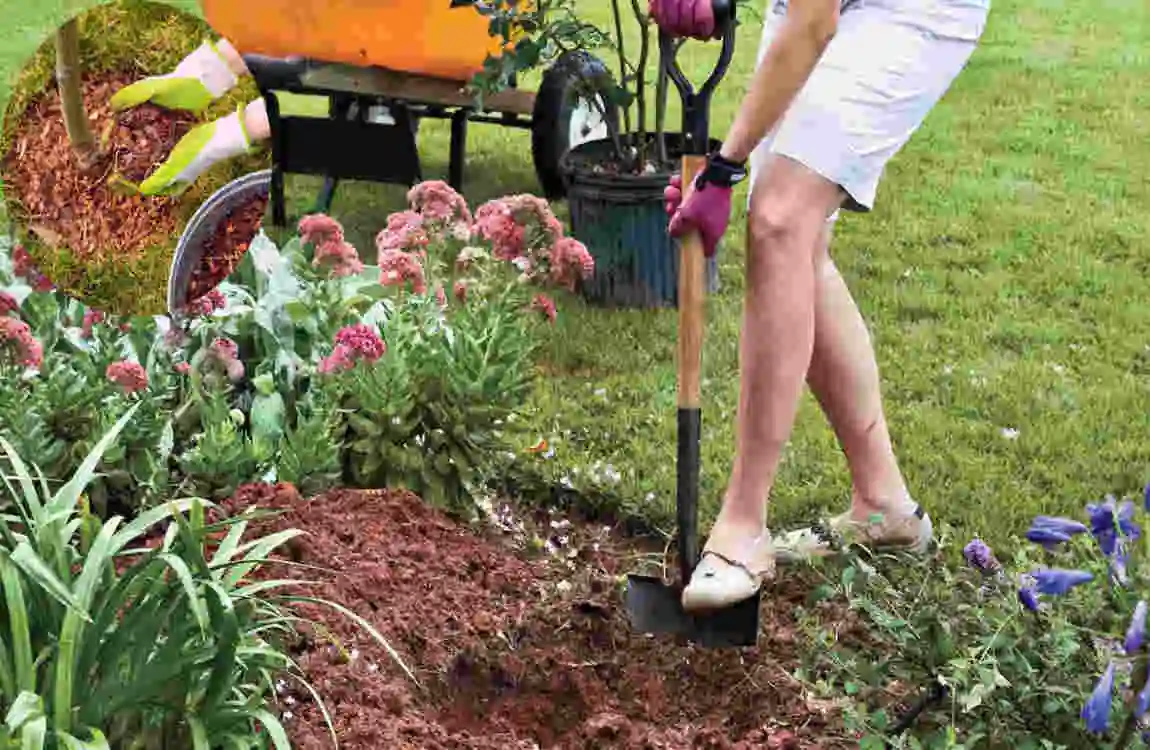
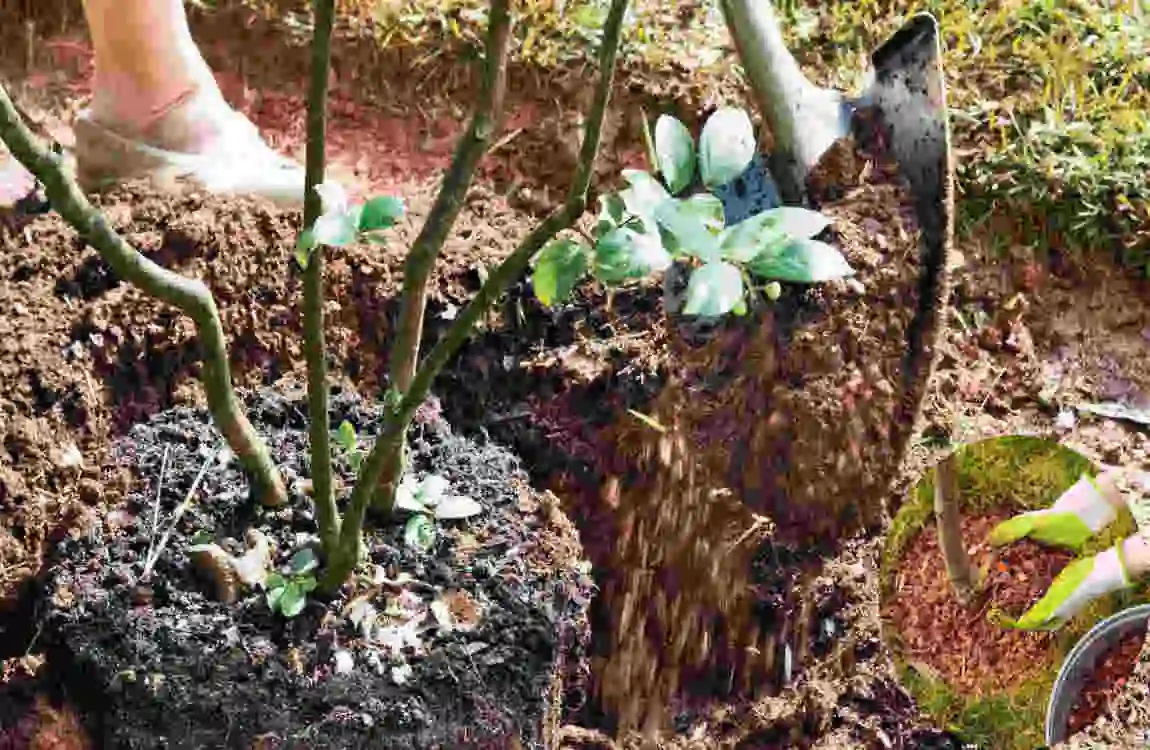
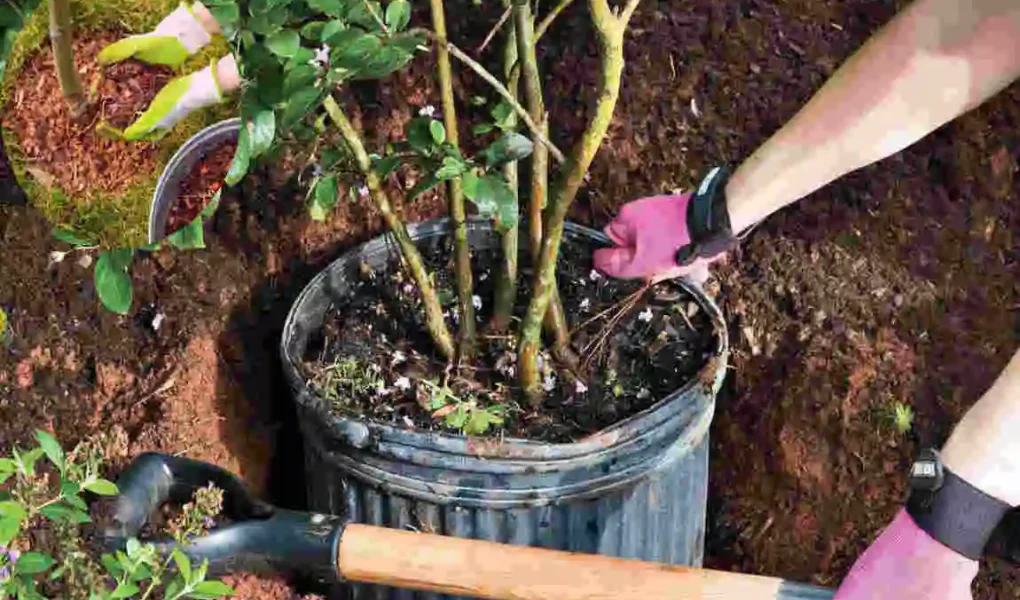
Grab your shovel. You want to dig a hole that is twice as wide as the tree’s root ball, but the same depth. You do not want the tree sitting too deep in the soil. The top of the root ball should be perfectly level with the surrounding ground.

Water After Planting

Once you place the tree in the hole and backfill it with dirt, it is time for a massive drink of water. Soak the soil deeply. This helps settle the dirt and removes any hidden air pockets underground that could dry out the roots.

Apply Mulch

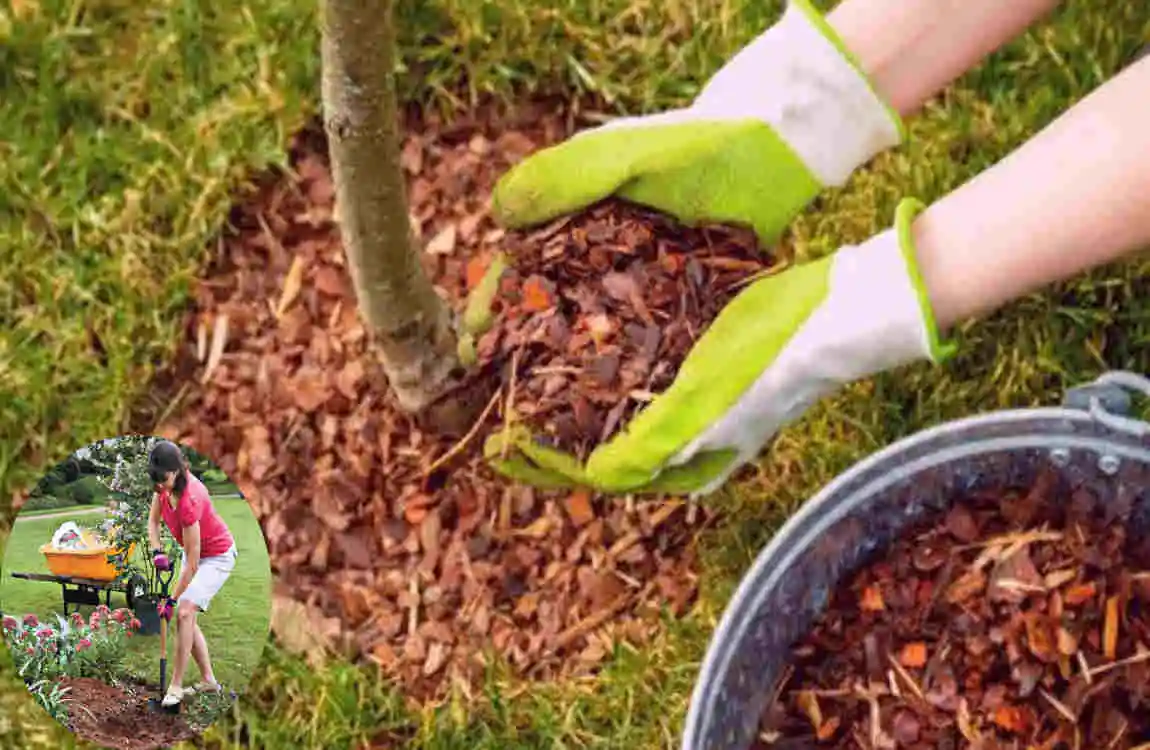
Spread a beautiful, 2-to-3-inch layer of organic mulch around the base of the tree. Mulch acts like a cozy blanket. It keeps the soil cool in the summer, locks in moisture, and stops pesky weeds from stealing the tree’s nutrients. Just be sure not to pile the mulch up against the trunk like a volcano!

Ongoing Care

In the first year, your new tree is vulnerable. You need to water it deeply once or twice a week, depending on how hot the weather gets. Once the roots are fully established after a year or two, the tree becomes highly drought-tolerant.

Crepe Myrtle Care After Planting

Planting the tree is just the beginning of the journey. Here is how you keep it thriving year after year.

Watering Schedule

As mentioned, new trees need consistent watering. Check the soil with your finger; if it feels dry a few inches down, it is time to water. Once your crepe myrtle is a few years old, you will rarely need to water it unless your area experiences a severe summer drought.

Fertilizing Tips

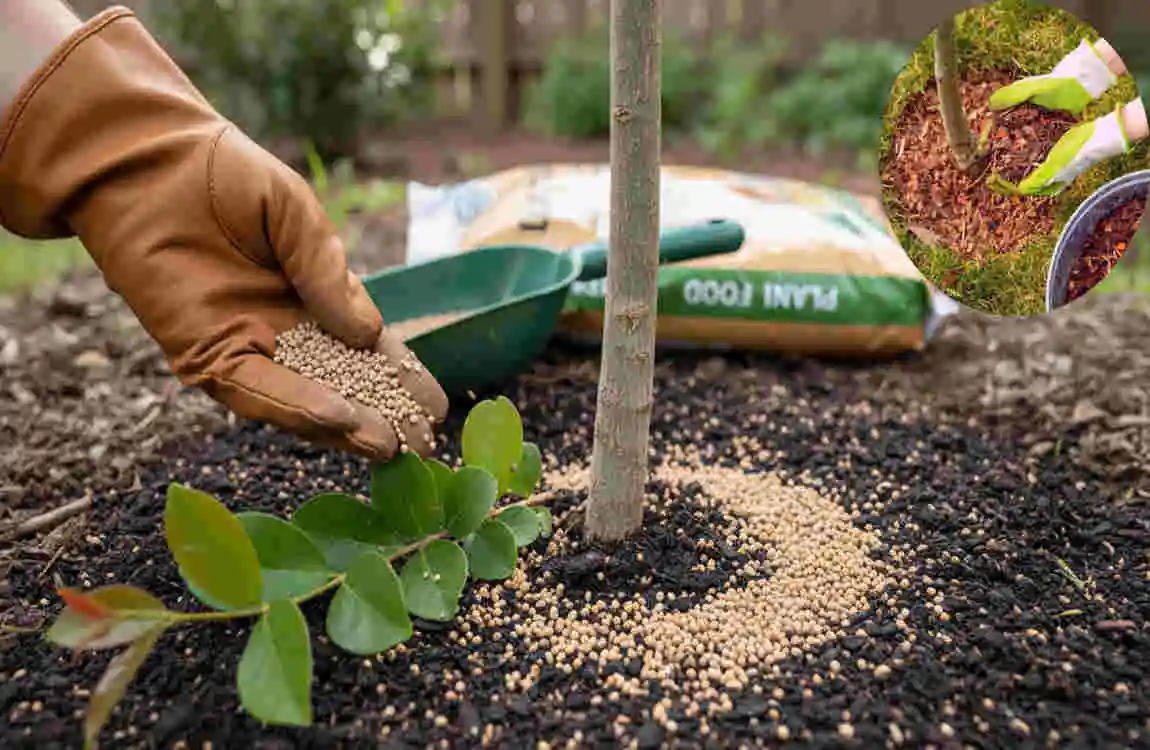
Crepe myrtles do not need a ton of food, but a light snack helps them bloom. Apply a slow-release, general-purpose tree fertilizer early in the spring just as the new leaves begin to appear. Avoid over-fertilizing, as too much nitrogen will give you lots of green leaves but zero colorful flowers.

Pruning Basics

When it comes to pruning, less is usually more. During late winter, simply trim away any dead, broken, or crossing branches. Never top your crepe myrtle! Cutting the main trunks straight off at the top (a terrible practice often called “crepe murder”) ruins the beautiful, natural shape of the tree and causes weak, flimsy branches to grow back.

Pest and Disease Prevention

Keep an eye out for aphids. These tiny green or black bugs love to suck the sap out of new leaves, leaving behind a sticky mess called honeydew. If you spot them, you can usually blast them away with a strong spray of water from your garden hose, or use a gentle insecticidal soap.

Proper spacing and good airflow (which you already did by planting it at the right distance!) will naturally prevent most fungal diseases like powdery mildew.

Ideal Spacing Guide

To make things incredibly easy for you, use this quick reference table before you start digging.

Crepe Myrtle VarietyMature WidthRecommended Distance From House

Dwarf 3–5 ft 6–8 ft

Semi-Dwarf 6–10 ft 8–10 ft

Standard 12–20 ft 10–15 ft

Expert Tips for Healthy Growth

Want your landscape to look like it was designed by a professional? Follow these rapid-fire expert tips for guaranteed success:

  • Plant in full sun: More sun always equals more vibrant, massive flower clusters.
  • Maintain proper spacing: Follow the guide above to protect your siding, roof, and foundation.
  • Avoid overwatering: These trees prefer the soil to dry out slightly between waterings. Soggy dirt equals root rot.
  • Mulch annually: Refresh your mulch layer every single spring to keep weeds away and moisture locked in.
  • Prune only when necessary: Let the tree show off its natural, vase-like shape. Only cut away what is damaged or crossing.
  • Leave room for mature canopy growth: Always look up and visualize the 15-foot-wide umbrella of leaves that will eventually appear.

Frequently Asked Questions (FAQ)

How far to plant crepe myrtle from house?

Most varieties should be planted 8–15 feet from a house, depending on their mature size. Always check the plant tag to confirm if you have a dwarf or standard variety.

Can crepe myrtle roots damage a house foundation?

Crepe myrtle roots are generally non-invasive and rarely damage foundations when planted at the recommended distance. They have shallow, spreading roots rather than aggressive, deep-diving ones.

Can I plant a crepe myrtle 5 feet from my house?

Only small dwarf varieties may work at this distance, but 8 feet or more is usually safer. Planting a standard-size tree 5 feet away will quickly lead to branches scraping against your windows and siding.

How much sunlight does a crepe myrtle need?

Crepe myrtles grow best with at least 6–8 hours of direct sunlight every day. Shade will severely reduce the number of flowers your tree produces.

What is the best time to plant a crepe myrtle?

The best planting time is spring or fall, when temperatures are moderate and roots can establish before extreme weather. Avoid planting during the dead of summer, as the intense heat will severely stress a new, young tree.

Topic Information
Recommended Distance Plant 8–15 feet away from your house, depending on the mature size of the crepe myrtle.
Small Varieties Plant 6–8 feet from the foundation. These typically grow up to 10 feet tall.
Medium Varieties Plant 8–10 feet away. They usually reach 10–20 feet in height.
Large Varieties Plant 12–15 feet or more from the house. They can grow over 20 feet tall.
Why Distance Matters Proper spacing prevents branches from rubbing against the house and allows good airflow and healthy growth.
Root System Crepe myrtle roots are non-invasive and generally do not damage home foundations or underground pipes.
Sunlight Needs Requires 6–8 hours of full sun daily for the best flowering and growth.
Maintenance Prune regularly to maintain shape and keep branches away from roofs, windows, and gutters.
Best Planting Location Choose a sunny, well-drained area with enough space for the tree’s mature canopy.
Common Mistake Planting too close to the house can lead to overcrowding, poor air circulation, and frequent pruning.

You may also like...

Leave a Reply

Your email address will not be published. Required fields are marked *