
When buying or selling a house, one of the most commonly overlooked yet surprisingly essential questions is: “Do curtains stay with the house?” It might seem like a minor detail, but for both homebuyers and sellers, understanding what stays and what goes can prevent confusion, disputes, and even negotiations that go sideways.
What Are Fixtures vs. Personal Property?

Before diving into the specifics of curtains, it’s essential to understand the broader real estate distinction between fixtures and personal property. This fundamental concept determines what items are included in the sale of a home.
What Are Fixtures?
Fixtures are items that are permanently attached to the property. They are often considered part of the home and are typically included in the sale unless explicitly stated otherwise. Examples of fixtures include:
- Built-in appliances (like ovens or dishwashers)
- Cabinets
- Light fixtures
- Bathroom vanities
- Window treatments that are physically attached, such as blinds or curtain rods
Since fixtures are part of the structure, they’re generally assumed to stay with the house.
What Is Personal Property?
Personal property, on the other hand, refers to items that are movable and not permanently attached. These items are typically not included in the sale unless specifically agreed upon. Examples include:
- Furniture
- Freestanding appliances (like refrigerators)
- Rugs
- Curtains (in most cases)
Understanding these classifications is critical because curtains often fall into a gray area. While they may seem like personal property, their connection to curtain rods (which are fixtures) can blur the lines.
Typical Real Estate Practices for Curtains
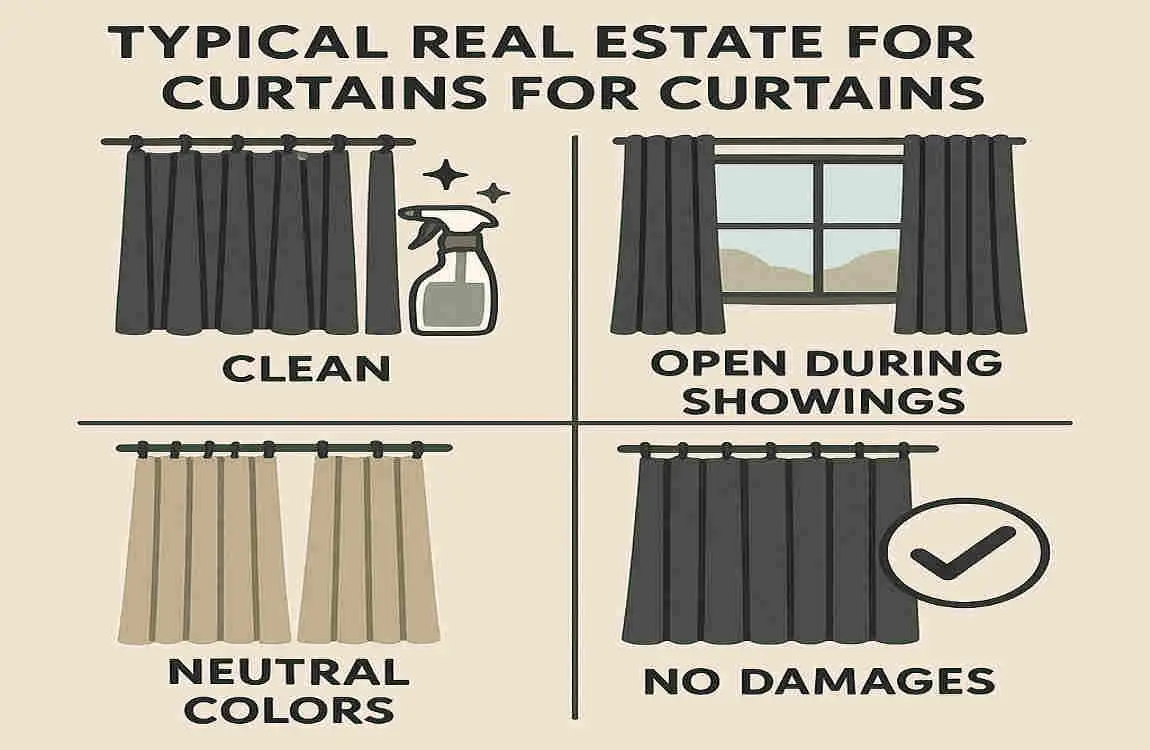
When it comes to real estate transactions, there are general practices and norms around what stays and what goes. Curtains, in particular, can be tricky because they’re often viewed differently depending on the region, the contract, and even the parties’ preferences.
Are Curtains Personal Property or Fixtures?
In most cases, curtains are considered personal property. They are removable, and unless they are specifically included in the purchase agreement, they are not assumed to stay with the house.
However, blinds, shades, and curtain rods are typically classified as fixtures because they are attached to the walls or windows. These items are generally expected to remain with the property. This distinction can lead to confusion, especially if a seller removes curtains without first clarifying their intentions.
Regional and Legal Differences
Real estate practices and laws can vary by state or even by region. For example:
- Washington State: Generally, any item attached to the home (including curtain rods) is considered a fixture and stays unless otherwise stated.
- Minnesota: The sale agreement must explicitly state whether window treatments, including curtains, are included.
- Massachusetts: Buyers and sellers are encouraged to define what is included to avoid disputes clearly.
These legal nuances highlight the importance of reviewing contracts and understanding local customs. What’s considered a fixture in one state might be treated as personal property elsewhere.
How Curtains Are Handled in Real Estate Contracts

The purchase agreement is the ultimate authority in deciding what stays and what goes in a home sale. Both buyers and sellers should carefully review this document to ensure clarity on the status of curtains and other window treatments.
What to Look for in the Contract
Many purchase agreements include language like “all window coverings to remain” or list specific exclusions. Here’s what you need to check:
- Inclusions: Does the contract specify that curtains, blinds, or other window treatments are included?
- Exclusions: Are there any items explicitly excluded from the sale?
- Ambiguous Terms: If the language is vague, such as “window treatments,” clarify whether this includes curtains or just hardware like rods and blinds.
Seller’s Role
Sellers who want to take their curtains with them should:
- Specify Exclusions Early: Clearly state in the listing or contract which items are not included.
- Communicate with the Agent: Ensure the real estate agent communicates these exclusions to potential buyers.
- Offer a Replacement (Optional): Some sellers choose to offer replacement curtains or blinds to avoid leaving bare windows.
Buyer’s Role
Buyers should:
- Ask Questions: If you’re unsure whether curtains are included, ask the seller or agent directly.
- Negotiate If Necessary: If the curtains are important to you, consider negotiating to include them in the sale.
- Document Agreements: Ensure any verbal agreements regarding curtains or other items are documented in the written contract.
Practical Tips for Homebuyers and Sellers
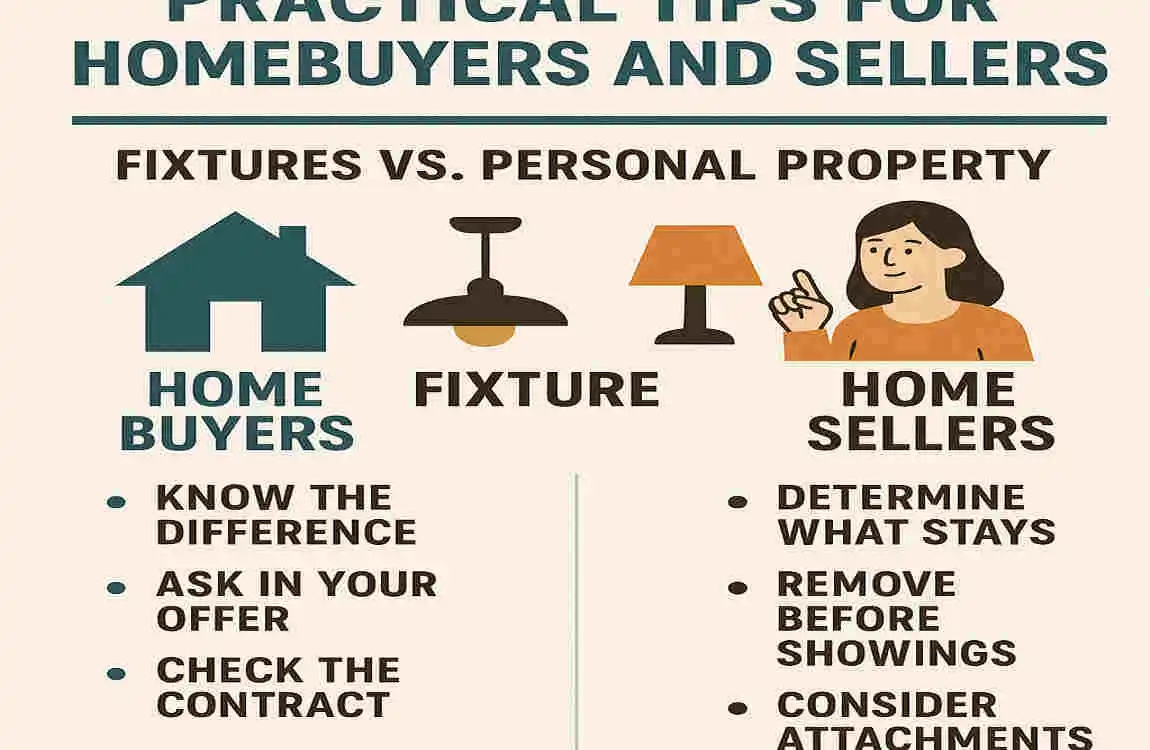
Avoiding confusion about curtains can save time, money, and frustration. Here are some practical tips tailored for both buyers and sellers.
Tips for Sellers
- Decide Early: Determine whether you want to leave or take your curtains before listing the property.
- Be Transparent: Clearly communicate your intentions in the listing and with your agent.
- Document Exclusions: Include any exclusions in the purchase agreement to avoid disputes.
- Consider Replacements: If your curtains are custom or sentimental, consider leaving a less expensive alternative for the buyer.
Tips for Buyers
- Inspect the Home Thoroughly: Note the curtains and other window treatments during showings.
- Ask for Clarifications: Confirm with the seller or agent what’s included in the sale.
- Negotiate Before Closing: If the curtains are a dealbreaker, negotiate their inclusion in the contract.
- Budget for Replacements: plan for the possibility that curtains may not stay and allocate funds accordingly.
Exceptional Cases: Custom Curtains and Curtain Rods
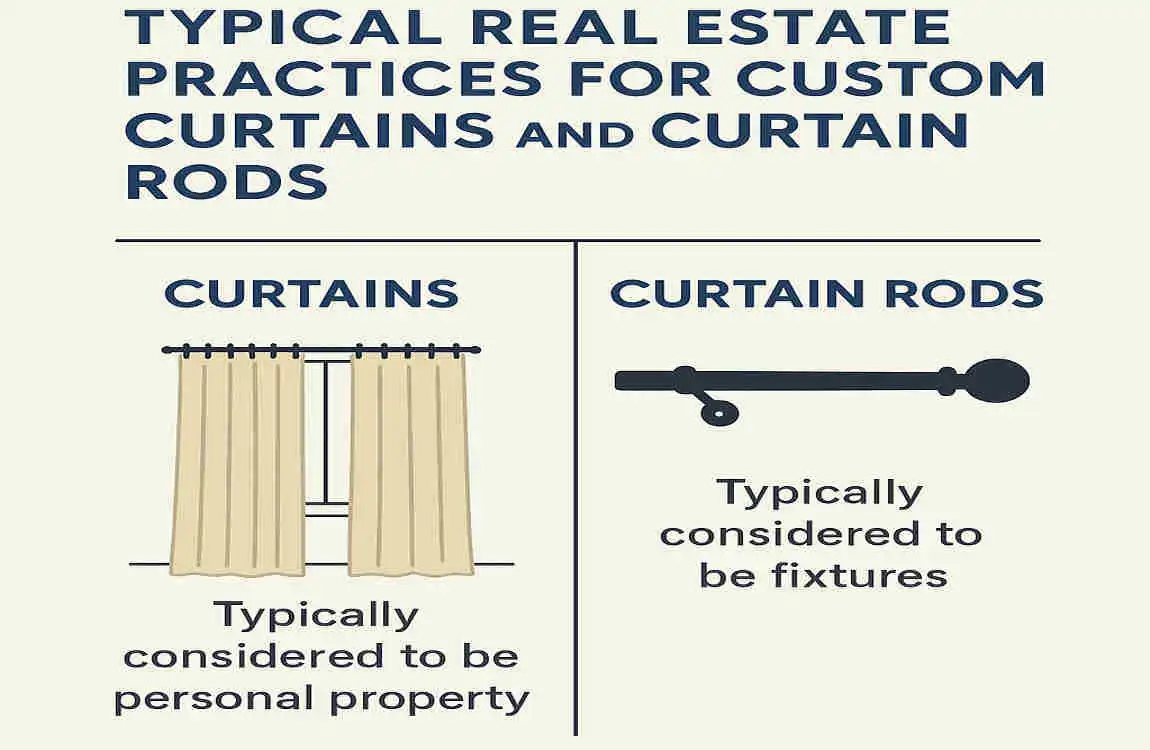
Not all curtains are created equal, and custom curtains or unique window treatments can complicate the question of whether they stay with the house.
Custom Curtains as Fixtures
Custom-fitted curtains specifically designed for a home’s windows may be considered fixtures. For example:
- Floor-to-ceiling drapes tailored to the room’s dimensions.
- Curtains made to match specific decor or hardware.
In such cases, these curtains are often kept because they may not be practical or usable in another home.
Curtain Rods and Mounting
Curtain rods, brackets, and other hardware are generally considered fixtures because they are attached to the wall. However, the situation can vary:
- Screwed-In Rods: These are fixtures and typically stay with the home.
- Tension Rods: These are removable and are considered personal property.
Why This Matters: Avoiding Conflicts and Surprises

Understanding whether curtains stay with the house is more than just a technicality. It can have real implications for both buyers and sellers.
Financial Impact
Replacing curtains can be expensive, especially for large homes or those with custom-fitted window treatments. Buyers should be prepared for this potential cost if curtains are not included.
Emotional Attachments
Sellers may have sentimental attachments to certain curtains, especially if they are custom-made or hold personal value. Clear communication and agreements can prevent misunderstandings or disputes.
Clarity Prevents Disputes
By addressing the issue of curtains upfront and ensuring all agreements are documented, both buyers and sellers can avoid conflicts and surprises during the closing process.
Do Curtains Stay with the House? FAQ
Are curtains considered fixtures or personal property?
Curtains are generally considered personal property, meaning they are not permanently attached to the home and can be taken by the seller unless otherwise specified in the contract. On the other hand, curtain rods, blinds, and shades are typically classified as fixtures because they are attached to the walls or windows and are expected to stay with the house.
Do curtains stay with the house by default?
No, curtains do not stay with the house by default. Since they are considered personal property, sellers have the right to take them when they move. However, if the curtains are custom-made or specifically mentioned in the purchase agreement, they may stay with the property.
What about curtain rods and hardware?
Curtain rods and hardware, such as brackets, are typically considered fixtures because they are screwed or mounted into the walls. As a result, they are expected to remain with the house unless the seller explicitly states otherwise in the contract.
Can sellers take the curtains with them?
Yes, sellers can take the curtains with them, but they should notify their real estate agent and potential buyers in advance. This ensures there is no confusion or dispute during the sale process. Sellers can also negotiate with buyers if they wish to take the curtains but leave the rods or other window treatments behind.
Are custom curtains treated differently?
Custom curtains that are specifically designed to fit the windows of the home may sometimes be considered fixtures, especially if they are difficult to use in another property. However, this is not always the case, and it’s important to clarify their status in the purchase agreement.
What do real estate contracts say about curtains?
Real estate contracts often include language about window treatments. For example, they may specify that “all window coverings” are included in the sale. However, this term can be ambiguous, so it’s important to confirm whether it includes curtains or just attached items like blinds and rods. If curtains are excluded, this should be explicitly stated in the contract.