Turkish house interior design is a captivating blend of cultural heritage, elegance, and modern functionality. Originating from the rich tapestry of the Ottoman Empire, this style draws inspiration from various historical influences, including Byzantine and Mediterranean aesthetics. As global interest in diverse interior styles grows in 2026, Turkish interiors continue gaining popularity for their vibrant patterns, luxurious textures, and serene, harmonious environments. The demand for handcrafted Turkish décor, sustainable natural materials, and artisanal home elements has significantly increased this year as more homeowners seek authentic, culturally enriched spaces.
Understanding the Essence of Turkish House Interior Design
Cultural Roots of Turkish Design
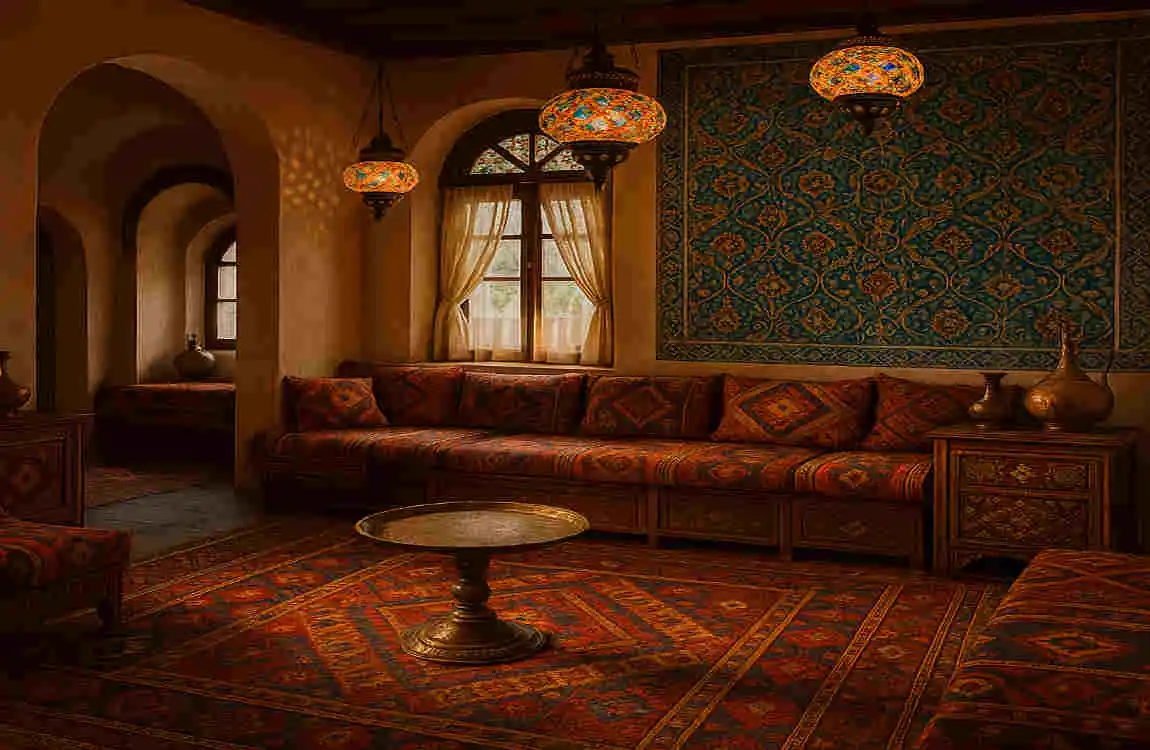
Turkish interior design is deeply rooted in its history, shaped by centuries of cultural exchange and artistic evolution. The Ottoman Empire left a profound architectural and artistic legacy, blending diverse influences across Europe, Asia, and the Middle East. In 2026, there is renewed global interest in Ottoman-era craftsmanship and motifs, with more designers incorporating historical elements such as lattice screens, mother-of-pearl inlays, and calligraphy-inspired artwork.
Beauty Meets Functionality
One of the most compelling aspects of Turkish design is its balance between beauty and functionality. In 2026, this harmony is even more relevant as modern homes prioritize comfortable living, multifunctional layouts, and soothing interiors. Turkish homes naturally adopt this approach by integrating versatile seating, practical storage, and artistic décor pieces that are both visually appealing and purposeful.
Key Components of Turkish Design
The essence of Turkish design can be distilled into several key components:
- Traditional Patterns: Geometric and floral motifs remain popular in 2026 decorative trends, often used in updated color schemes to align with modern tastes.
- Vibrant Colors: Rich tones like turquoise and deep red continue to dominate, but contemporary palettes increasingly incorporate muted golds, clay tones, and soft emerald accents.
- Natural Materials: Sustainability trends in 2026 have led to increased use of reclaimed wood, hand‑carved stone, and ethically sourced metals.
- Artisanal Craftsmanship: With the rise of handmade décor in 2026 home trends, Turkish artisanship—such as Iznik tiles, hand‑loomed textiles, and copperwork—remains highly valued.
Creating an Inviting Atmosphere
A successful Turkish interior creates warmth and openness. In 2026, design trends emphasize biophilic influences, soft natural lighting, and open-concept living areas—features that already align perfectly with traditional Turkish interiors. The integration of patio spaces, indoor gardens, and airy curtains further enhances tranquility and connection to nature.
Key Elements of Turkish House Interior Design
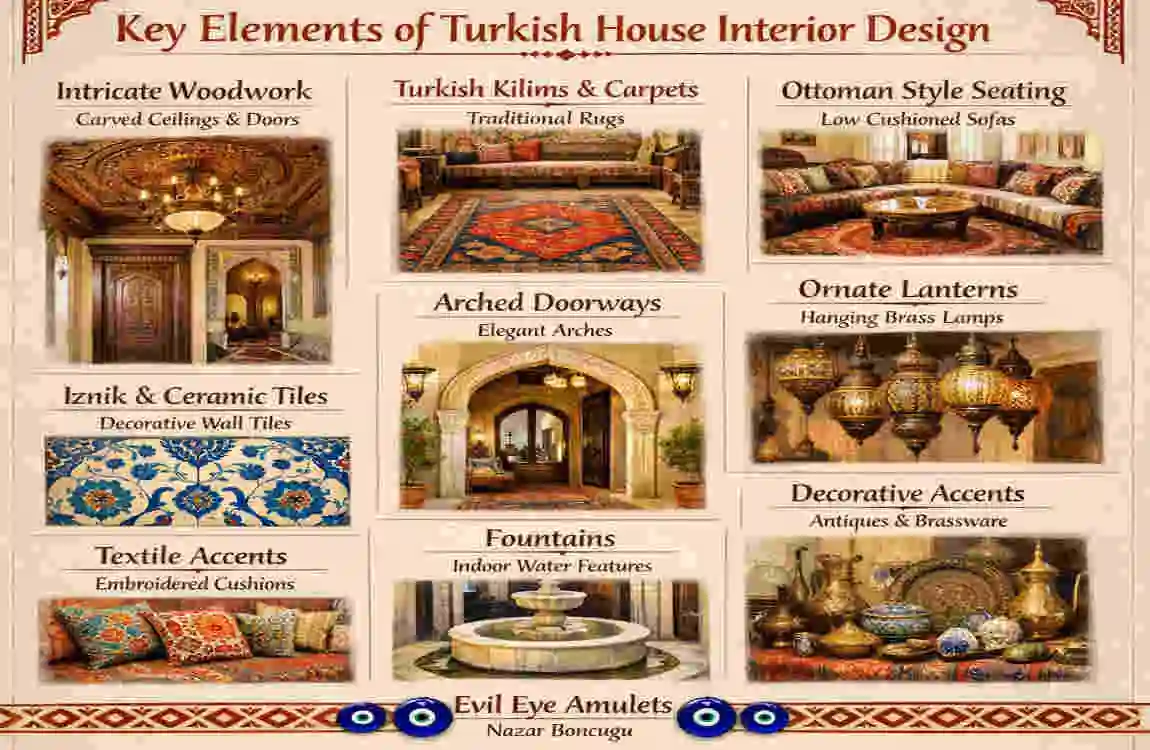
Color Palette
When it comes to color, the Turkish design ethos embraces earthy base tones blended with vibrant cultural hues. In 2026, trending Turkish palettes include:
- Earthy Tones: Warm beige, almond, coffee brown, and olive neutrals.
- Accent Colors: Updated tones such as teal, paprika red, mustard gold, and sea‑blue.
These colors create an inviting yet refined environment that connects tradition with modern preferences in 2026 décor trends.
Textiles and Fabrics
Textiles remain central to Turkish design. In 2026, eco‑friendly fabrics and ethically sourced yarns are trending, adding depth to traditional Turkish textiles such as:
- Kilim Rugs: Now available in both classic and modern reinterpretations, perfect for layering in contemporary homes.
- Embroidered Cushions: Popular in 2026 for adding texture and cultural charm to minimalist furniture.
Furniture Style
Turkish furniture in 2026 blends timeless tradition with streamlined silhouettes. Popular choices include low divan seating, modular wooden units, hand‑carved coffee tables, and lattice‑back chairs. New 2026 trends highlight curved furniture and warm wood finishes like walnut, mahogany, and cedar.
Patterns and Motifs
Patterns remain a defining feature, and in 2026 designers are revisiting ancient Anatolian symbols and modernizing classical Ottoman motifs through digital printing and hand‑painting revival techniques.
- Tiles: Enhanced by updated colorways inspired by 2026 global interior trends.
- Ceramics: Now featuring bolder contrasts and matte finishes that suit modern homes.
Materials
Natural materials are more prominent than ever in 2026:
- Wood: Reclaimed and carved wood is increasingly desired for sustainable décor.
- Stone: Travertine and marble styles are trending, especially in bathrooms and entryways.
- Metalwork: Copper, brass, and matte‑finish gold are widely used in 2026 lighting and accessories.
Lighting
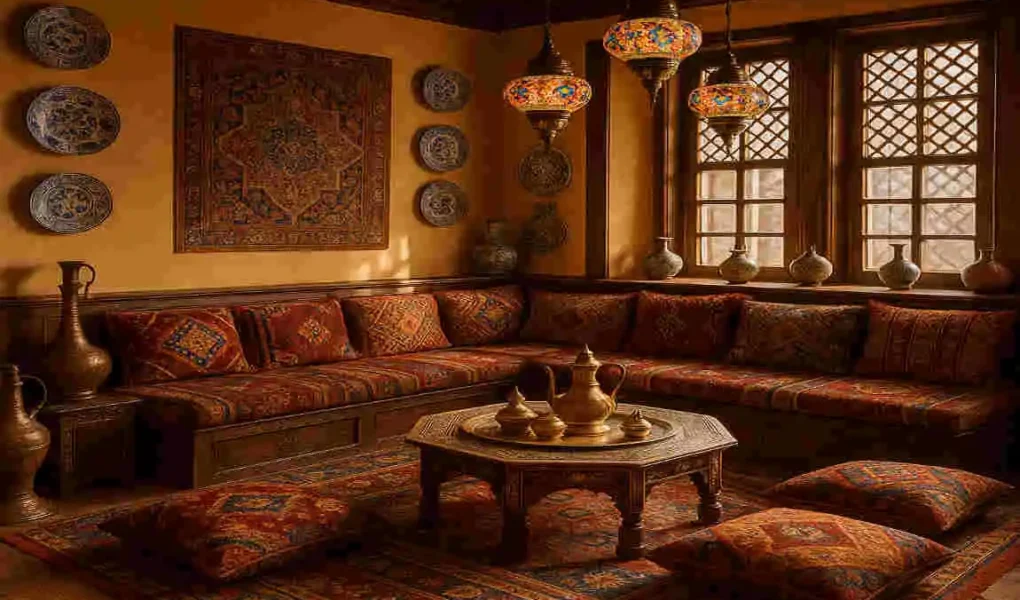
Lighting in 2026 emphasizes warm light diffusion, layered illumination, and artisan‑made fixtures. Mosaic lamps, glass lanterns, and filigree metal lights remain essential for an authentic Turkish atmosphere.
Accessories and Decorative Accents
In 2026, decorative trends favor handcrafted items and personal cultural expression:
- Handcrafted Ceramics: Highly collectible in 2026, especially limited‑edition Turkish pottery.
- Metallic Accents: Brass trays and hammered copper bowls continue to elevate interiors.
Practical Turkish Interior Design Tips to Transform Your Space
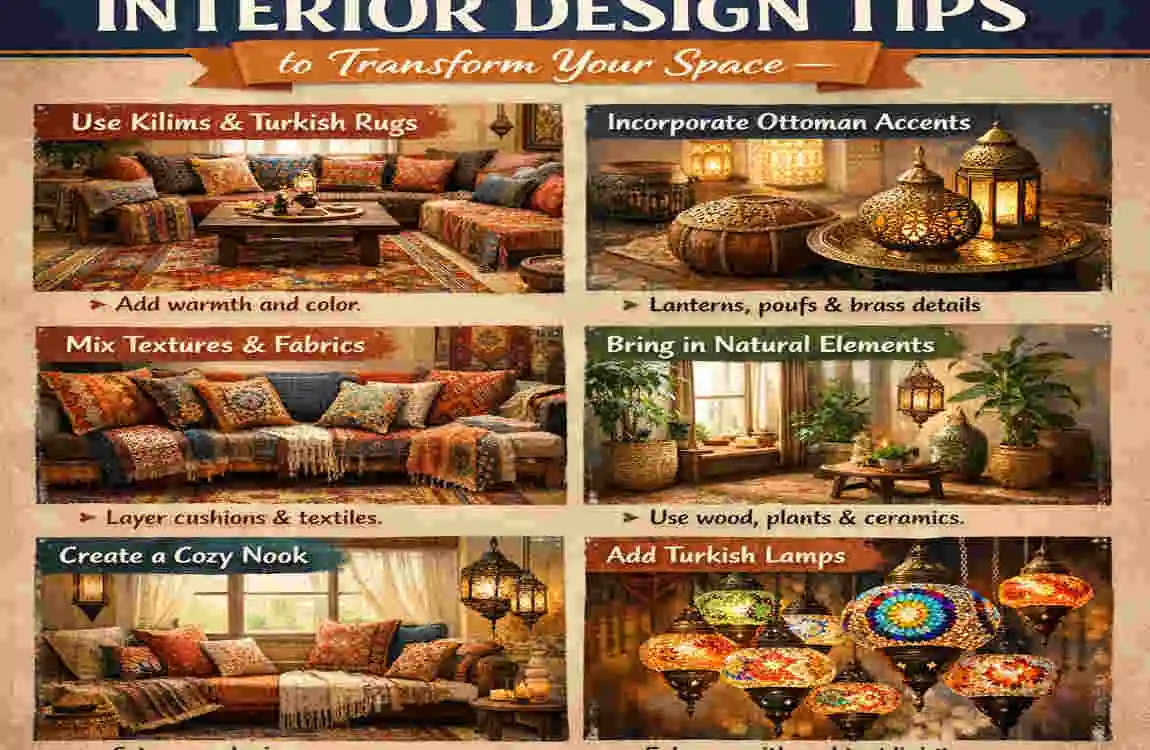
Start with a Neutral Base
Visualizing your interior has become easier in 2026 thanks to improved tools like Canva and AI‑enhanced planning apps that help you design a house layout incorporating Turkish motifs and modern comfort.
Incorporate Turkish Rugs and Textiles
In 2026, layered rugs are trending globally. Turkish kilims pair beautifully with modern furniture, making them ideal for new interior styles. Embroidered throws and cushions enhance coziness.
Use Statement Lighting Fixtures
Color‑glass lanterns and artisan chandeliers remain popular in 2026 décor trends—serving as art pieces and lighting sources.
Add Artisanal Touches
Modern homes are leaning toward handcrafted authenticity in 2026, making Turkish ceramics, copper trays, and handmade bowls perfect additions.
Blend Traditional and Modern
2026 interior trends encourage mixing heritage designs with sleek contemporary furnishings—making Turkish elements ideal for transitional style homes.
Create Cozy Nooks
Contemporary Turkish homes often include corner lounges, cushioned seating bays, and window nooks for reading and relaxation, perfectly aligning with 2026 comfort trends.
Harness Natural Light
Sheer curtains, skylights, and open windows remain essential in 2026 to highlight warm interiors and enhance well‑being.
Balance Bold Patterns with Simplicity
Current trends favor pattern layering, but moderation is key—combine bold Turkish motifs with minimalist décor to create stylish balance.
Bring Nature Indoors
Indoor plants, wooden accents, and earthen tones are trending strongly in 2026, echoing the natural spirit of the Anatolian landscape.
Maintain Functionality
In 2026, multifunctional living is essential. Turkish pieces like nesting tables, multi‑use cushions, and modular seating enhance practicality.
Benefits of Adopting Turkish Interior Design in Your Home
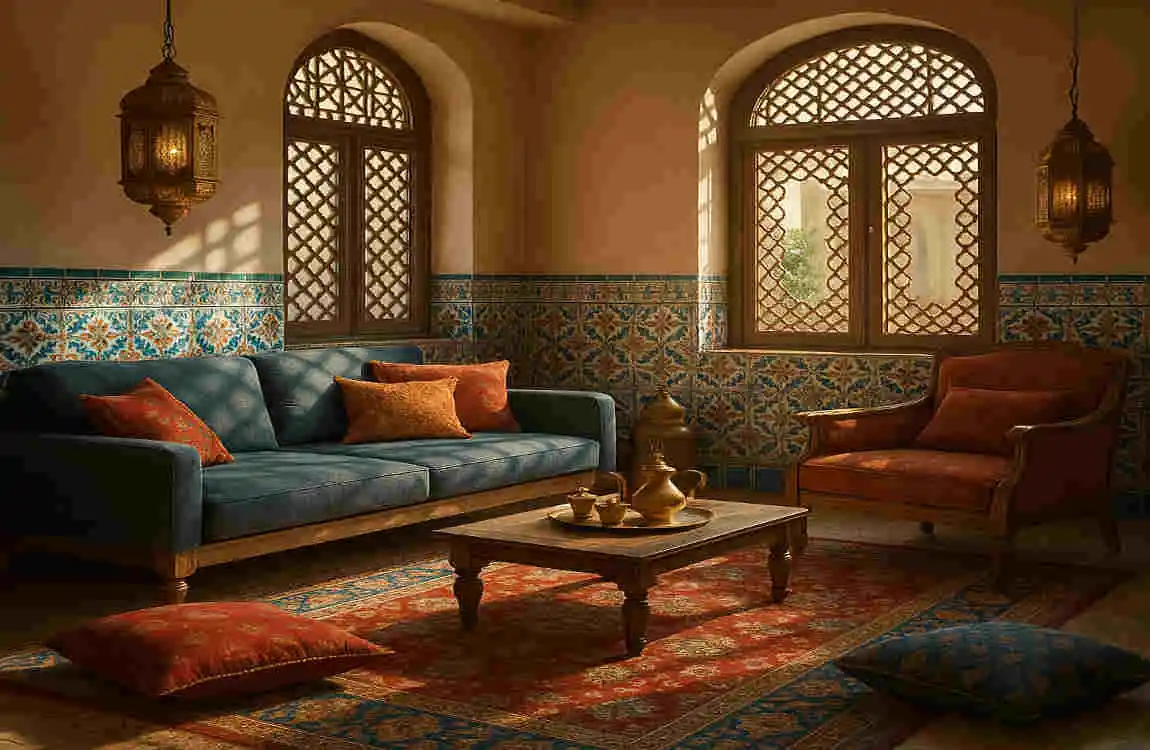
Luxurious Yet Comfortable Living
In 2026, homes increasingly prioritize comfort-driven luxury, making Turkish interiors especially relevant with their soft textiles and warm tones.
Cultural and Historical Depth
Incorporating Turkish design elements adds a narrative of heritage and artistry, perfectly complementing the 2026 trend toward culturally meaningful décor.
Versatile Style
Whether you live in a city apartment or a modern villa, Turkish interiors adapt seamlessly to spaces of all sizes—a trend strongly emphasized in 2026 modular design practices.
Warm and Welcoming Atmosphere
The emphasis on hospitality and warmth makes Turkish-style homes ideal for 2026 social living trends that prioritize cozy gathering spaces.
Timeless Appeal
As design trends shift rapidly in 2026, Turkish interiors remain timeless due to their classic patterns, quality materials, and balanced aesthetics.
Common Mistakes to Avoid When Designing a Turkish-Inspired Interior
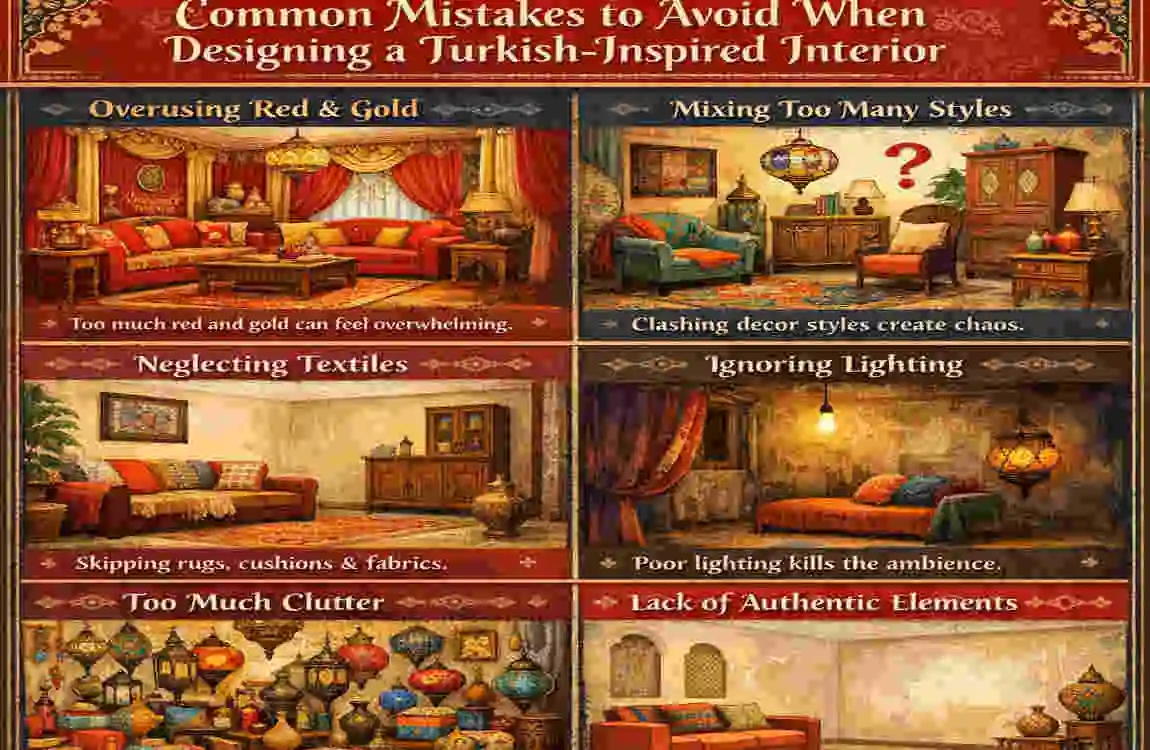
Overuse of Bold Patterns
Patterns are essential in Turkish design, but excessive layering can make spaces feel cluttered. In 2026, moderation and thoughtful placement are key.
Ignoring Balance
Balance ornate décor with open space to maintain visual harmony—an important 2026 interior design principle.
Choosing Cheap Materials
In 2026, authenticity and quality are emphasized. Synthetic materials reduce the richness of Turkish décor—opt for natural fabrics and handcrafted pieces.
Poor Lighting Choices
Lighting is crucial. Modern 2026 Turkish interiors use layered, warm-toned lighting to highlight texture and pattern.
Neglecting Functionality
Functional living is essential in 2026. Ensure every Turkish-inspired décor piece has a purpose.
Turkish House Interior Design FAQ
What are the key features of Turkish interior design?
Turkish interior design includes:
- Rich Colors: Warm tones inspired by Mediterranean and Anatolian landscapes.
- Intricate Patterns: Kilim rugs, çini tiles, and ornate carvings.
- Handmade Carpets: Highly valued in 2026 for their craftsmanship.
- Oversized Windows: Perfect for creating cozy lounging areas.
- Evil Eye Symbol: A cultural symbol widely used in 2026 décor for protection and tradition.
What materials are commonly used in Turkish interiors?
- Wood: Carved doors, ceilings, and furniture.
- Tiles: Vibrant ceramics and mosaic work.
- Glass: Colored and textured glass for lighting and windows.
- Textiles: Kilims, embroidered fabrics, and soft drapery.
How do traditional Turkish homes differ from modern ones?
- Traditional Homes: Wide windows, decorative motifs, handmade carpets, and multipurpose rooms.
- Modern Homes: Minimalist lines blended with rugs, tiles, and traditional accents.
What role do patterns and decorations play in Turkish design?
- Kilim Rugs: Symbolic geometric designs.
- Tile Work: Used for depth and vibrancy.
- Decorative Details: Lamps, vases, ceramics, and wall art enhance cultural aesthetic.
What lighting is used in Turkish interiors?
- Ambient Lighting: Warm, soft tones.
- Decorative Fixtures: Glass lamps, chandeliers, and lanterns.
- Natural Light: Large windows to brighten spaces.
How can I incorporate Turkish design into my home?
- Use kilim rugs for warmth.
- Add earthy and bold tones to your palette.
- Install ornate tiles in kitchens or bathrooms.
- Use decorative items like evil eye charms, pottery, and lamps.
- Create cozy seating nooks with cushions and low furniture.
Turkish House Interior Design Photos
| Tip | How to use it |
|---|---|
| Use whitewashed walls and natural textures | Start with a simple Mediterranean base, then layer in vibrant Turkish textiles for color and character. |
| Choose multi-functional furniture | Use pieces like a sofa bed or foldable table to keep the room flexible and uncluttered, especially in smaller spaces. |
| Add cozy seating accents | Place large Turkish pillows and a small side table to create a comfortable, welcoming corner for relaxing or entertaining. |
| Include textured metal and carved details | Style hammered or engraved metal pieces on side tables or open shelving to bring in an authentic Turkish-inspired look . |