Home improvement projects allow property owners to personalize and enhance their living spaces. However, embarking on such projects without understanding local regulations can lead to complications. Whether it’s plumbing, electrical work, or structural changes, most cities, including New York city (NYC), have strict rules in place. One of the most common questions homeowners ask is: “What home plumbing work can be done without a license in NYC?”
What Is a Building Permit and Why Is It Important?
Before jumping into what you can do without a license, it’s essential to understand what a building permit is and why it matters.
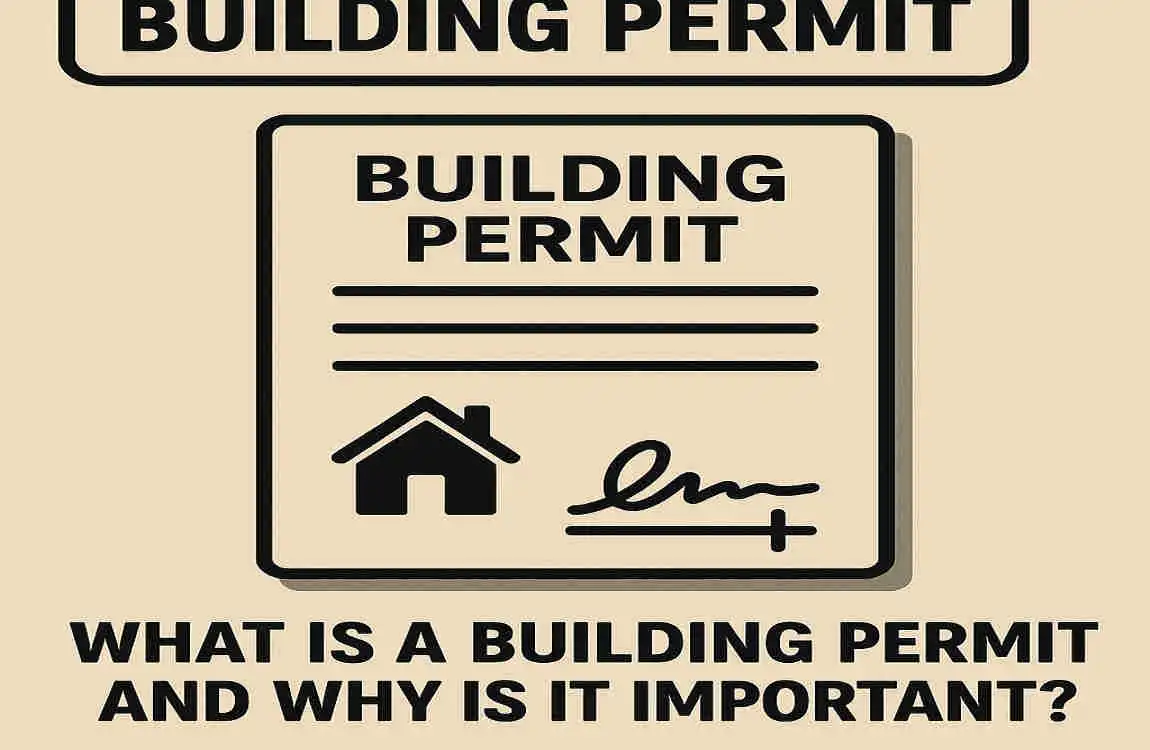
Definition of a Building Permit
A building permit is an official document issued by the NYC Department of Buildings (DOB). It grants homeowners and contractors permission to perform specific construction, plumbing, or electrical work. It ensures that the work complies with safety and building codes.
When Do You Need a Permit?
In NYC, a permit is required for most types of construction and renovations, particularly if they involve:
- Structural changes (e.g., removing walls or adding rooms).
- Plumbing modifications, such as installing new water or sewer lines.
- Electrical upgrades, like rewiring or installing new circuits.
- Installing HVAC systems, boilers, or water heaters.
Why Are Permits Necessary?
- Safety Compliance: Permits ensure that all work meets safety standards to protect your family and neighbors.
- Code Compliance: NYC has strict building codes, and permits confirm that the work complies with them.
- Protects Property Value: Unpermitted work can reduce your home’s value and complicate future sales or refinancing.
Permits may feel like a hassle, but they’re a safeguard for homeowners, contractors, and even the community.
Consequences of Doing Work Without a Permit
If you’re tempted to bypass the permit process, think again. Doing so can lead to significant consequences that outweigh any perceived time or cost savings.
Legal Repercussions
Unpermitted work can result in hefty fines from the NYC Department of Buildings. In some cases, inspectors may issue stop-work orders, halting your project entirely. For severe violations, you could even face legal action or lawsuits.
Impact on Home Insurance
Insurance companies often refuse to cover damages caused by unpermitted or improperly performed work. For instance, if an unlicensed plumbing repair leads to flooding, your insurer may deny the claim, leaving you financially responsible for repairs.
Challenges During Resale or Refinancing
When selling your home, buyers may request proof that all work was permitted and inspected. If you can’t provide this, it could reduce your home’s value or even derail the sale. Similarly, refinancing can become complicated when lenders discover unpermitted work.
Examples of Penalties
- Fines range from $500 to $10,000, depending on the violation.
- Mandatory removal of unpermitted work can be costly and time-consuming.
- Legal action is required if the work poses a safety hazard.
The risks of skipping permits are not worth it.
What Home Plumbing Work Can Be Done Without a License in NYC?

Now, let’s address the central question: What plumbing tasks can you legally perform without a license in NYC?
Licensing Requirements for NYC Plumbers
In NYC, plumbing is highly regulated. Licensed plumbers are required for most plumbing jobs to ensure compliance with city codes and safety standards. However, some minor tasks are exempt and can be done by homeowners without a license or permit.
Plumbing Tasks You Can Do Without a License
Here’s a list of plumbing work typically allowed without a licensed plumber or permit:
- Installing or repairing faucets, sinks, and toilets. Replacing a leaky faucet or installing a new sink is generally permitted.
- Connecting hoses to faucets. Attaching a garden hose or appliance hose is a simple, non-regulated task.
- Replacing pipes for dishwashers or washing machines. If the work doesn’t involve altering the plumbing system, it’s usually fine.
- Fixing minor leaks or dripping pipes. Tightening connections or replacing washers in accessible areas is permissible.
Tasks That Require a Licensed Plumber
For anything beyond minor repairs, you’ll need a licensed professional and, in many cases, a permit. These tasks include:
- Installing new plumbing systems or major modifications.
- Replacing sewer lines or gas lines.
- Upgrading water heaters or boilers.
Why Hiring a Licensed Plumber Is Crucial
Even for seemingly simple tasks, hiring a licensed plumber ensures the work is done safely and correctly. Plus, licensed professionals carry insurance, which protects you if something goes wrong.
Understanding Permit Exceptions and Ordinary Repairs
Not all home improvement projects require permits. NYC has specific rules outlining what qualifies as “ordinary repairs” and what constitutes exceptions.
Permit Exemptions in NYC
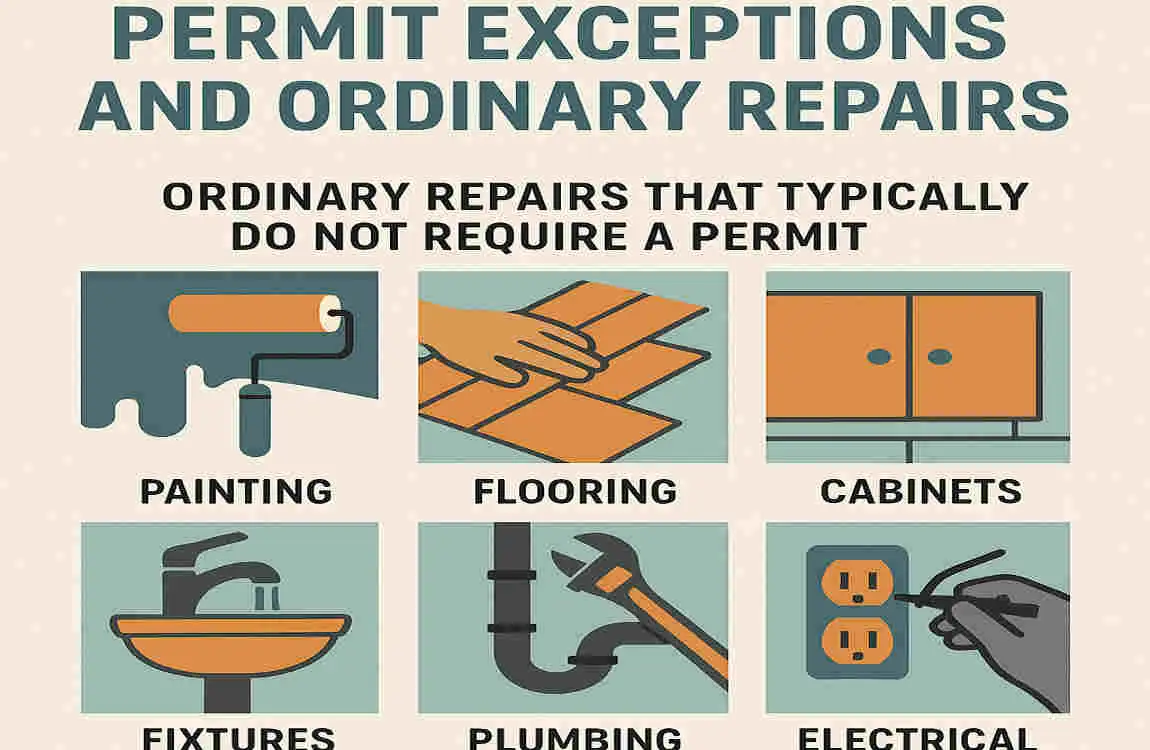
According to the NYC Administrative Code, certain types of work are classified as maintenance or minor alterations and don’t require permits. Examples include:
- Painting or wallpapering.
- Installing cabinets or shelving.
- Repairing plaster or drywall (non-structural).
Emergency Work Rules
In emergencies, such as a burst pipe, immediate repairs can be made without a permit. However, you must notify the DOB afterward and obtain any necessary permits retroactively.
How to Determine if Your Project Needs a Permit
If you’re unsure, consult the NYC Department of Buildings website or contact a licensed professional. It’s better to confirm than risk penalties later.
How to Avoid Problems When Doing Plumbing Work in NYC
Avoiding problems starts with preparation and choosing the right professionals.
Verify Contractor Licenses and Permits
Before hiring anyone, verify their license through NYC’s Department of Consumer and Worker Protection (DCWP) database. Ensure they have the necessary permits for the job.
Follow Local Building Codes
Even minor plumbing tasks must comply with NYC’s strict building codes. Research these codes or hire a professional who understands them.
Document Everything
Keep records of permits, inspections, and completed work. This documentation will be invaluable if you sell your home or face future disputes.
What to Do If You’ve Done Work Without a Permit
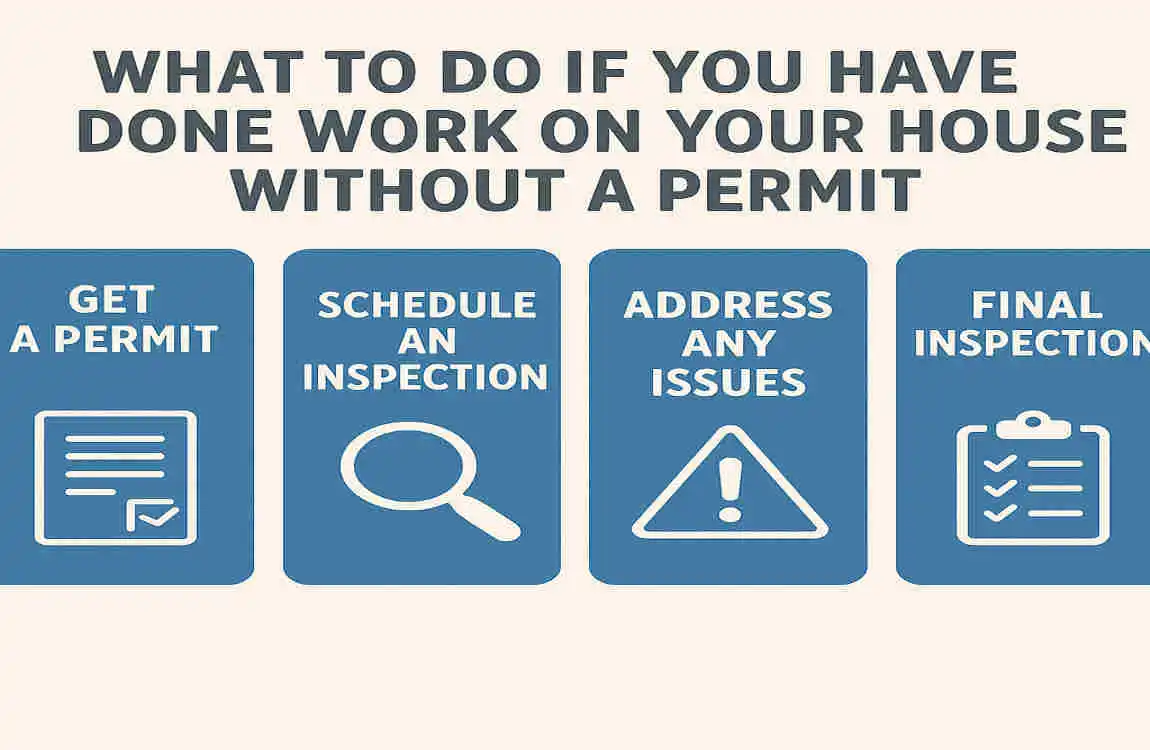
If you’ve already completed unpermitted work, don’t panic. There are steps you can take to address the issue.
Apply for Retroactive Permits
Contact the NYC Department of Buildings to apply for a retroactive permit. This process involves inspections and may require additional fees.
Resolve Violations
If you’ve received a violation notice, address it promptly. Consult a licensed professional or legal advisor to guide you through the resolution process.
Potential Costs and Time Involved
Resolving unpermitted work can be costly and time-consuming, but it’s necessary to avoid further penalties.
What Home Plumbing Work Can Be Done Without a License in NYC? – FAQ
Can I replace a faucet or fix a leaky one without a license?
Yes, you can replace or repair faucets without a license. Tasks like fixing a leaky faucet, replacing washers, or installing a new faucet are considered minor repairs and do not require a licensed plumber or a permit .
Can I install or repair a toilet myself?
Yes, homeowners are allowed to install or repair toilets without a license. This includes replacing a toilet or fixing issues like a running toilet or a broken flush mechanism. However, if the work involves altering the plumbing system (e.g., moving the toilet to a new location), a licensed plumber and permit are required .
Can I connect hoses or appliances like dishwashers and washing machines?
Yes, connecting hoses to faucets or appliances like dishwashers and washing machines is permitted without a license. As long as you’re not modifying the plumbing system or installing new pipes, this work is considered minor and does not require a professional .
Can I repair minor leaks or dripping pipes?
Yes, repairing minor leaks or dripping pipes is allowed without a license. For example, tightening connections, replacing washers, or sealing small leaks with tape or sealant is permissible. However, if the repair involves replacing significant sections of piping, you’ll need a licensed plumber .
Can I replace pipes for appliances like dishwashers or washing machines?
Yes, replacing or repairing pipes that connect to appliances like dishwashers or washing machines is allowed, provided it doesn’t involve altering the plumbing system. For example, replacing a flexible hose or a small section of pipe is fine, but installing new water lines or drains requires a licensed plumber .
Can I perform boiler or gas line work without a license?
No, boiler work and gas line repairs are strictly regulated in NYC. These tasks must be performed by a Licensed Oil Burner Installer or a Licensed Master Plumber. Attempting to perform this work without a license is illegal and poses significant safety risks .