Hey there, homeowners! Have you ever wondered how long those pesky ticks can survive in your cozy abode? Well, you’re not alone. Understanding tick Survival indoors is crucial for keeping your family and pets safe from these hidden pests.
What Are Ticks and Why Are They a Concern Indoors?
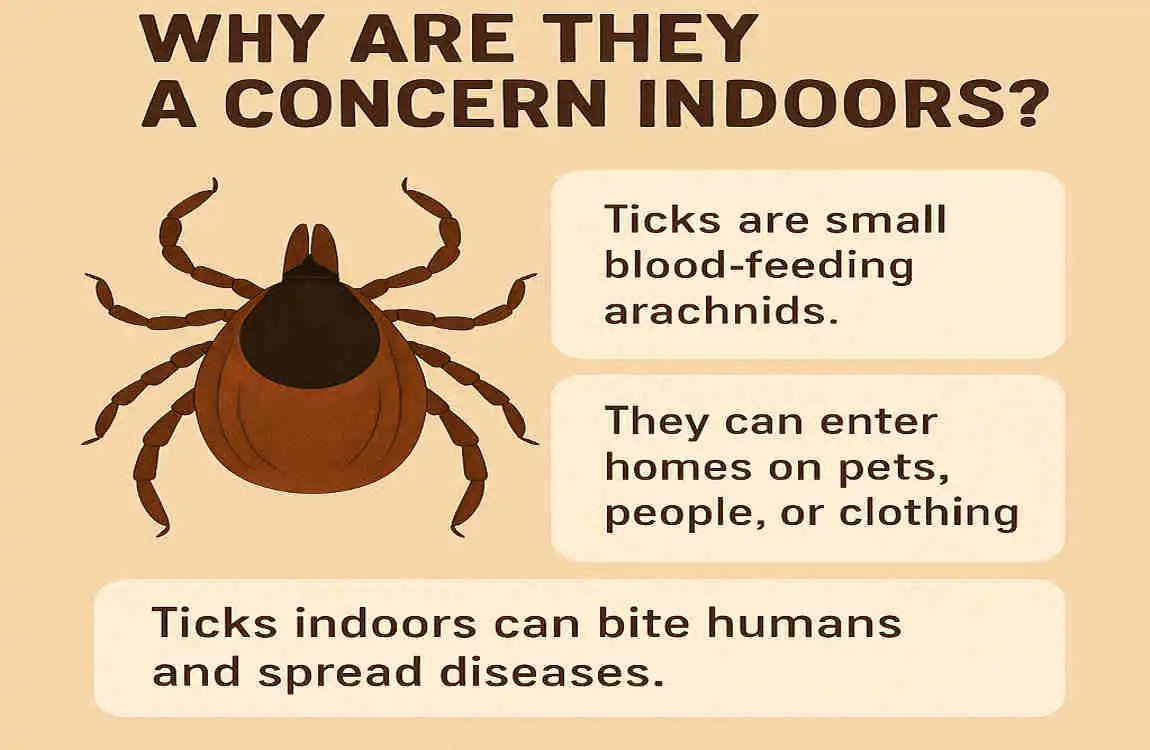
What Are Ticks?
Ticks are small, blood-sucking arachnids that can be found in various environments, including your own backyard. These creepy crawlies come in different species, with some of the most common ones found near cleaning homes being:
- Deer ticks (also known as Blacklegged ticks)
- American dog ticks
- Brown dog ticks
How Do Ticks Enter Homes?
You might be wondering how these tiny pests manage to sneak into your house. Well, ticks are sneaky little creatures and can hitch a ride on your pets, clothing, or even your luggage. They’re experts at latching onto hosts and going unnoticed until they’ve settled into your home.
Health Risks of Ticks Indoors
Ticks are more than just a nuisance; they can pose serious health risks to both humans and pets. These pests can transmit various diseases, such as Lyme disease and Rocky Mountain spotted fever, through their bites. That’s why it’s crucial to be aware of their presence in your home and take steps to prevent infestations.
How Long Can Ticks Live in a House?
General Lifespan of Ticks Indoors
Now, let’s get to the heart of the matter: how long can ticks live in a house? Under normal home conditions, ticks typically survive for 24 hours to a few days. However, this can vary depending on several factors, which we’ll explore in the next section.
Factors Affecting Tick Survival Indoors
Several factors can influence how long ticks can survive in your home:
- Humidity: Ticks thrive in humid environments, so the level of moisture in your clean home plays a significant role in their Survival.
- Temperature: Ticks prefer temperatures between 60°F and 85°F, so the warmth of your home can help them last longer.
- Environment: Ticks can find shelter in carpets, pet bedding, and cracks, thereby extending their lifespan indoors.
Species-Specific Differences
Different tick species have varying Survival times indoors:
- Deer ticks (Blacklegged ticks): These ticks can survive for a few days to weeks indoors, especially in humid environments.
- American dog ticks can live up to 2-3 months without a host, making them more resilient indoors.
- Brown dog ticks: These ticks are the most adapted to indoor life and can survive for several months, even completing their life cycle inside your home.
Extended Survival with a Recent Blood Meal
If a tick has recently had a blood meal, its Survival time can be extended. A well-fed tick can last longer without a host, increasing the risk of an infestation in your home.
Why Do Indoor Conditions Affect Tick Survival?
The Role of Moisture and Humidity
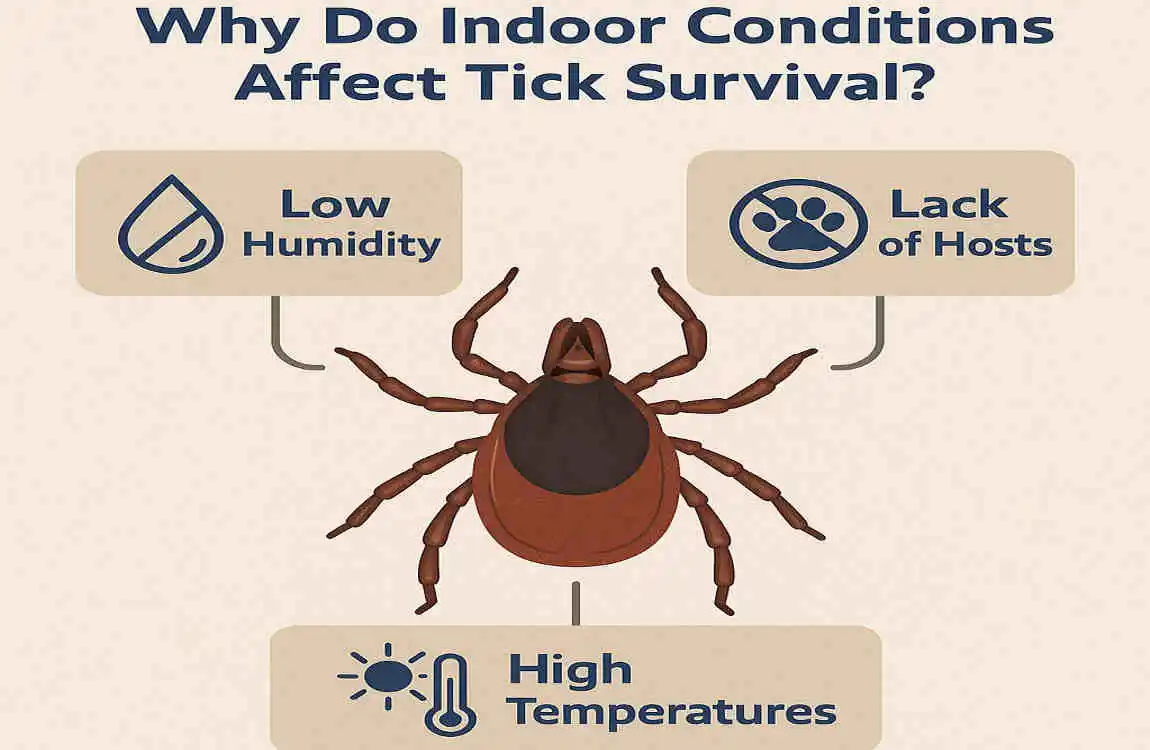
Ticks rely on moisture to survive, and indoor conditions can significantly impact their ability to stay hydrated. In a humid environment, ticks can absorb moisture from the air, allowing them to live longer without a host.
The Impact of Dry Indoor Air
On the other hand, dry indoor air, often caused by air conditioning or heating, can quickly dehydrate ticks and reduce their lifespan. This is why maintaining proper humidity levels in your home cleaning can help prevent tick infestations.
The Importance of Shelter Spots
Ticks are masters at finding hiding spots in your home. They can burrow into carpets, pet bedding, and cracks, creating a microclimate that helps them survive longer. Regular cleaning and maintenance can help eliminate these shelter spots and reduce the risk of ticks thriving indoors.
The Tick Life Cycle and Indoor Survival
Overview of the Tick Life Stages
Ticks go through several life stages: larvae, nymphs, and adults. Each stage has its own Survival needs, which can affect how long ticks live in your home.
Survival Times by Life Stage
The Survival time of ticks without a host varies by life stage:
- Larvae: These tiny ticks can survive for several months without a host, but they need to feed to progress to the next stage.
- Nymphs: Nymphs can last for several months to a year without a host, depending on the species and environmental conditions.
- Adults: Adult ticks can survive for up to a year without a host, but they need to feed to reproduce.
Potential for Indoor Reproduction
Some tick species, like the brown dog tick, can complete their entire life cycle indoors. This means that if you have a tick infestation, they can reproduce and create a self-sustaining population in your home.
Signs and Risks of a Tick Infestation in Your Home
Common Signs of Ticks Indoors
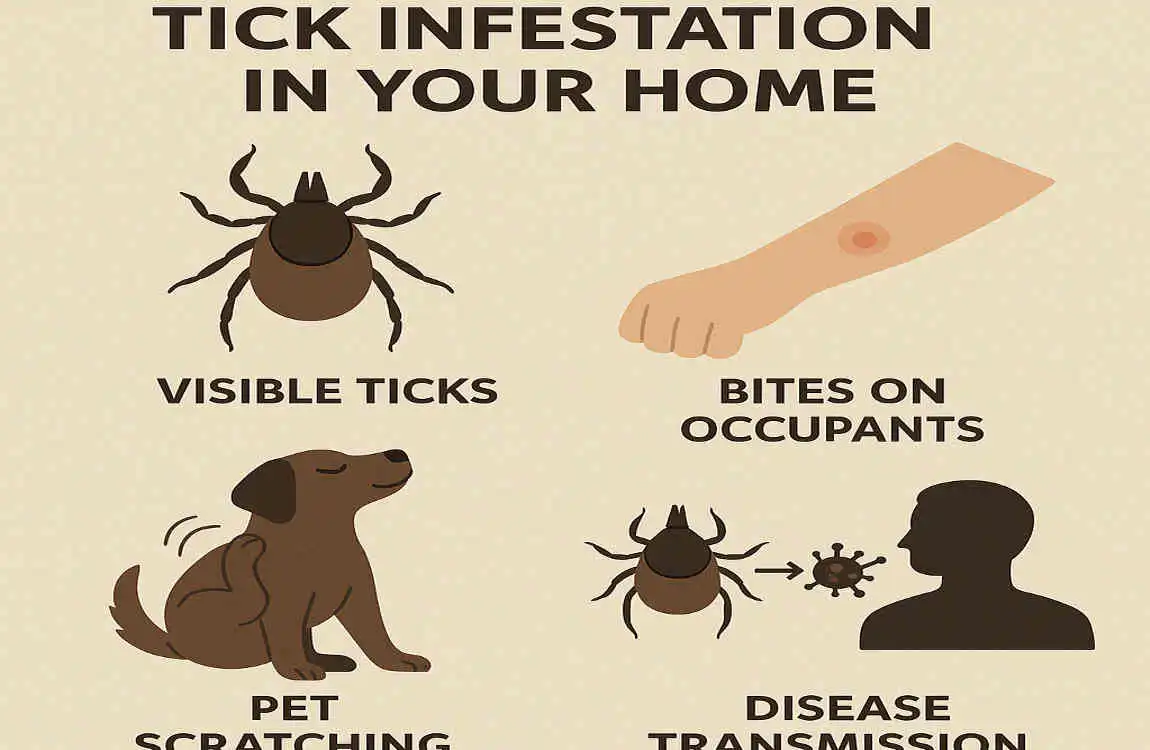
If you suspect a tick infestation in your home, keep an eye out for these signs:
- Finding ticks on your pets or family members
- Noticing ticks in your clean home, especially in areas where pets frequent
- Discovering tick eggs or larvae in your home
Risks of Tick Infestation
A tick infestation in your home can pose several risks:
- Disease transmission: Ticks can transmit diseases to humans and pets through their bites.
- Stress and discomfort: Dealing with a tick infestation can be stressful and uncomfortable for your family and pets.
- Difficulty in eradication: Tick infestations can be challenging to eliminate, requiring professional pest control services.
Rarity of Indoor Infestations
While tick infestations in homes are possible, they are relatively rare. Ticks prefer outdoor environments and typically only enter homes when they have a host to feed on. However, if you live in an area with a high tick population or have pets that frequently venture outdoors, the risk of an infestation increases.
How to Prevent and Protect Your Home from Ticks
Regular Pet Inspection and Prevention
One of the best ways to prevent ticks from entering your home is to regularly inspect your pets for ticks and use tick prevention treatments. Consult with your veterinarian to find the best options for your furry friends.
Proper Laundry and Cleaning Habits
Ticks can easily hitch a ride on your clothing and bedding, so it’s essential to practice proper laundry and cleaning habits:
- Wash pet bedding regularly in hot water
- Vacuum your home frequently, paying special attention to areas where pets spend time
- Wash your clothes after spending time outdoors in tick-prone areas
Sealing Cracks and Removing Leaf Litter
Ticks can enter your home through cracks and crevices, so sealing these entry points can help prevent infestations. Additionally, removing leaf litter and storing firewood away from your house can reduce the risk of ticks entering your home.
Use of Pest Control Services and Repellents
If you live in an area with a high tick population or have had issues with ticks in the past, consider using professional pest control services to protect your home. You can also use tick repellents in your yard and on your pets to create a barrier against these pests.
What to Do If You Find a Tick in Your Home
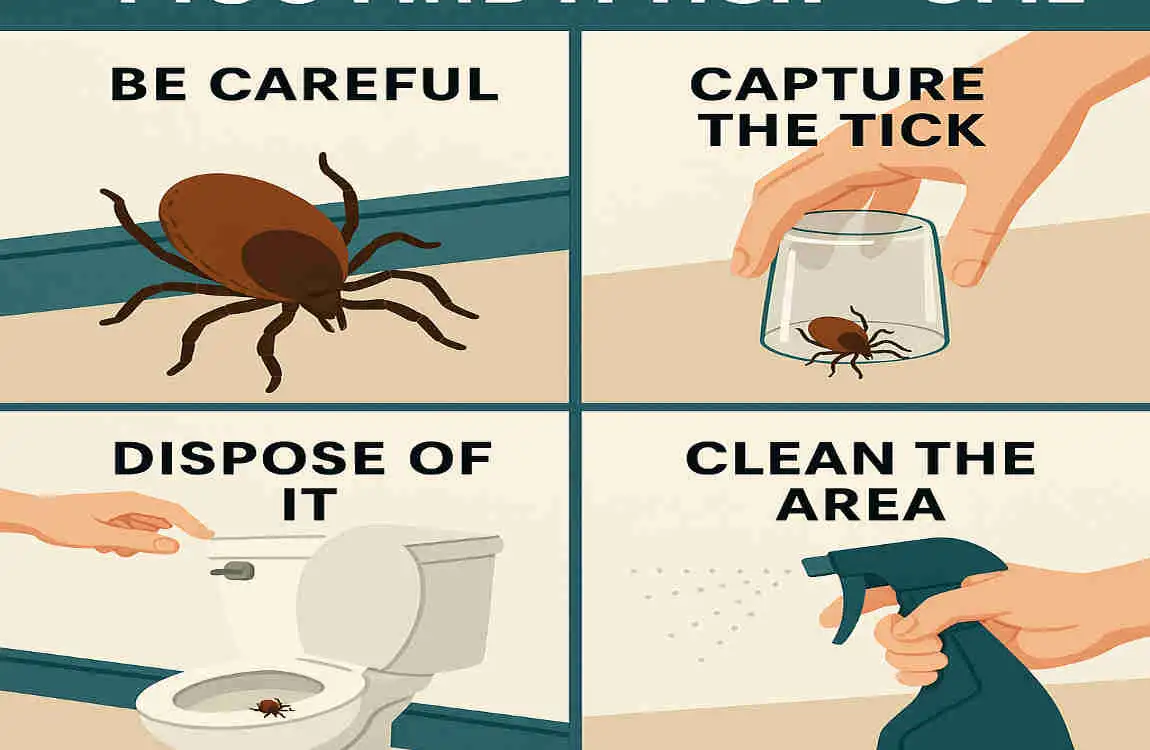
Immediate Actions for Tick Removal
If you find a tick in your home, it’s essential to act quickly and safely remove it:
- Use fine-tipped tweezers to grasp the tick as close to the skin’s surface as possible
- Pull upward with steady, even pressure, being careful not to twist or jerk the tick
- Clean the bite area and your hands with rubbing alcohol or soap and water
Cleaning and Treating Infested Areas
After removing a tick, thoroughly clean house and treat the area where it was found:
- Vacuum the area and dispose of the vacuum bag immediately
- Wash any bedding or clothing that may have come into contact with the tick in hot water
- Use a tick-killing spray or powder in the affected area, following the manufacturer’s instructions
When to Call Professionals
If you find multiple ticks in your home or suspect an infestation, it’s best to call in professional pest control services. They have the expertise and tools to eliminate ticks and prevent future infestations effectively.
How Long Can Ticks Live in a House? FAQ
How Long Can Ticks Survive in a House?
Ticks can live in a house for several weeks to several months, depending on the conditions . The exact duration varies based on factors like the tick species, humidity levels, and whether they’ve recently fed.
What Affects Tick Survival Indoors?
Several factors influence how long ticks can survive in your home:
- Humidity: Ticks thrive in humid environments. In moist areas like basements, they may last longer without a host .
- Temperature: Ticks prefer warm conditions. A tick on moist or warm clothes in a hamper may live for up to 2-3 days .
- Recent Blood Meal: A tick that has recently fed will survive longer than a starving one .
- Tick Species: Different species have varying survival times. For example, American dog ticks typically die within a few days to a week indoors , while brown dog ticks can survive for years and even breed inside a home .
Can Ticks Live in a House Without a Host?
Yes, ticks can live in a house without a host, but their survival time is limited. Without access to blood meals from pets or humans, most ticks will eventually die . However, adult ticks can survive the longest, especially if they find a host to feed on .
How Long Can Ticks Survive Without a Host?
The duration ticks can survive without a host varies by their life stage:
- Larvae and Nymphs: These younger ticks can live for several weeks to months without a host, depending on the species and environmental conditions .
- Adults: Adult ticks can survive up to two years in good conditions without a host .
Where Do Ticks Hide in a House?
Ticks can hide in various places within your home, including:
- Carpets and Rugs: Ticks can burrow into the fibers of carpets and rugs, making them difficult to spot.
- Pet Bedding: If you have pets, ticks may hide in their bedding, waiting for a chance to feed.
- Cracks and Crevices: Ticks can squeeze into tiny cracks and crevices in walls, floors, and furniture.
- Clothing and Laundry: Ticks can cling to clothing and laundry, especially if they’re moist or warm.