A halfway house is a temporary place to live for people who are moving from one stage of life to another. Some people stay there after prison, while others live there after addiction treatment or during recovery. It gives them structure, support, and a safer place to rebuild their lives.
But one big question comes up right away: who pays for a halfway house?
That matters because costs can affect almost every part of the experience. Some halfway houses are free or low-cost. Others ask residents to pay rent, program fees, or both. In some cases, government help, insurance, family support, or nonprofit funding can also cover part of the bill.
If you are considering a halfway house for yourself or someone you care about, it helps to understand the payment terms early on. That way, you can avoid surprises and choose a place that fits your budget.
What Is a Halfway House?
Definition
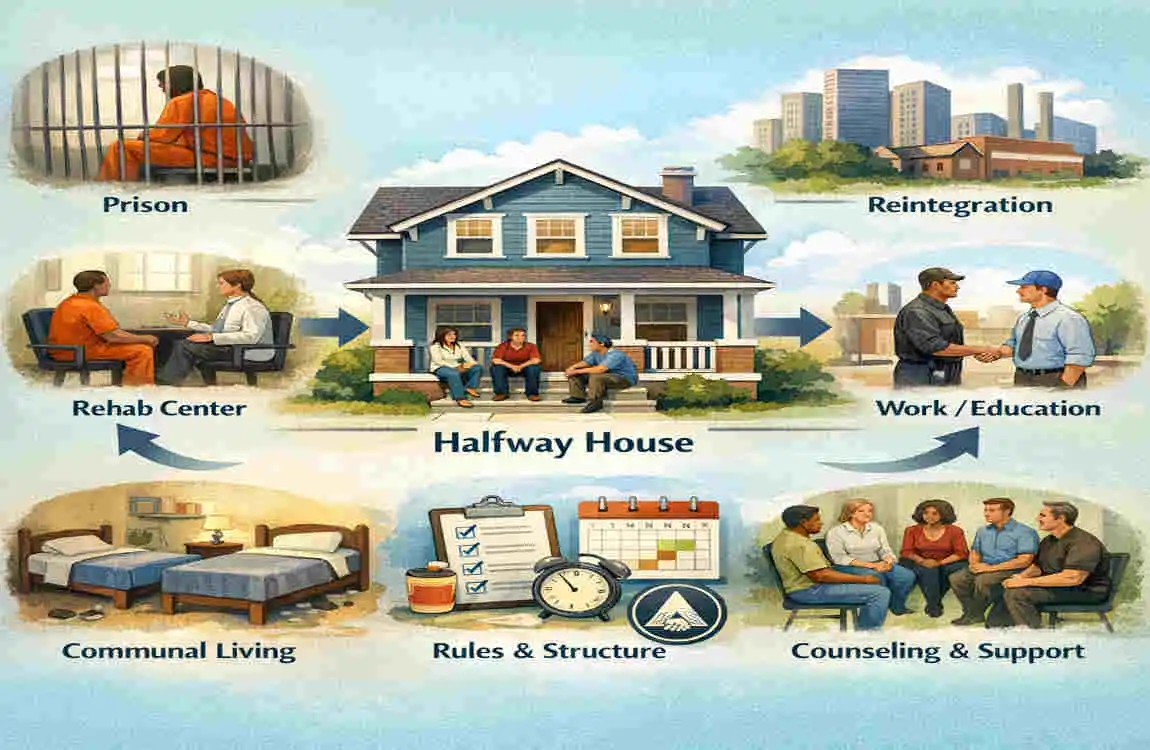
A halfway luxury house is a temporary housing option that helps people readjust to regular life. It often sits between a hospital, treatment centre, jail, or prison and full independent living.
The goal is simple. It gives people a stable place to stay while they work on recovery, job searching, sobriety, or reentry into society.
Who Lives in a Halfway House?
Different people live in halfway houses for different reasons. Common residents include:
- People leaving prison or jail
- Individuals recovering from alcohol or drug addiction
- People finishing a treatment program
- Adults who need structure before living alone again
These homes usually have rules, schedules, and support services. That structure helps residents stay focused and avoid setbacks.
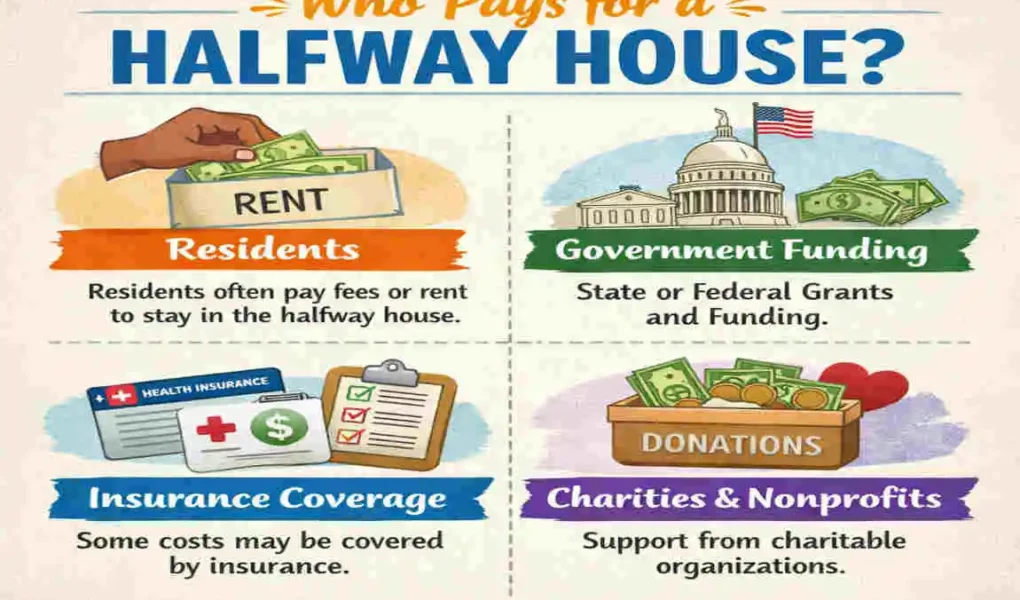
Who Pays for a Halfway House?
The Resident
In many cases, the resident pays part of the cost. This may include monthly rent, program fees, or daily living charges.
Even when the cost is lower than a private apartment, residents often still need to cover personal expenses. That can include food, clothing, toiletries, transportation, and phone bills.
Some halfway houses expect residents to pay from savings, work income, disability income, or benefits. Others may use a sliding scale based on what the person can afford.
Government Programs
Some halfway houses receive support from government funding. This can come from federal, state, or local programs designed to help people reenter society or continue recovery.
These programs may cover all or part of the housing cost. In some cases, the resident pays very little. In others, the government helps reduce the price, but the resident still pays a share of the cost.
Insurance Coverage
Health insurance may help with treatment-related services in some recovery homes. For example, counselling, therapy, or addiction care may be covered.
However, insurance does not always cover housing costs. That is an important difference. A person might have coverage for treatment, but still need to pay room and board.
Family Members
Sometimes family members step in and help cover the cost. This can happen when a loved one wants to support recovery or help someone transition safely after prison or rehab.
Family support may come in the form of:
- Paying rent
- Helping with food or transport
- Covering program fees
- Providing money for personal items
This is not always possible, but it can make a big difference when it is available.
Nonprofit Organizations
Nonprofits and faith-based groups sometimes help fund halfway houses or support residents directly. These programs often focus on helping people who cannot afford private housing.
They may offer reduced fees, scholarships, or charitable support. In some cases, they work with residents to keep costs low while still offering structure and support.
Average Cost of a Halfway House
Monthly Cost Range
The cost of a halfway house can vary a lot. Some are nearly free. Others charge several hundred dollars or more each month.
The price depends on the program type, location, and services offered. A low-cost government-supported program may be affordable for many people. A private recovery home may cost much more.
What Is Included?
Halfway house fees may cover different things. Common inclusions are:
- Housing
- Utilities
- Meals
- Counseling
- Case management
Some places include almost everything in one monthly fee. Others charge separately for certain services. That is why it is important to ask what the price really includes before you enrol.
Facility Type Estimated Monthly Cost Who Usually Pays
Government-funded Low or Free Government
Nonprofit Low Cost Charity + Resident
Private Higher Cost Resident or Family
Recovery Home Varies Insurance/Resident
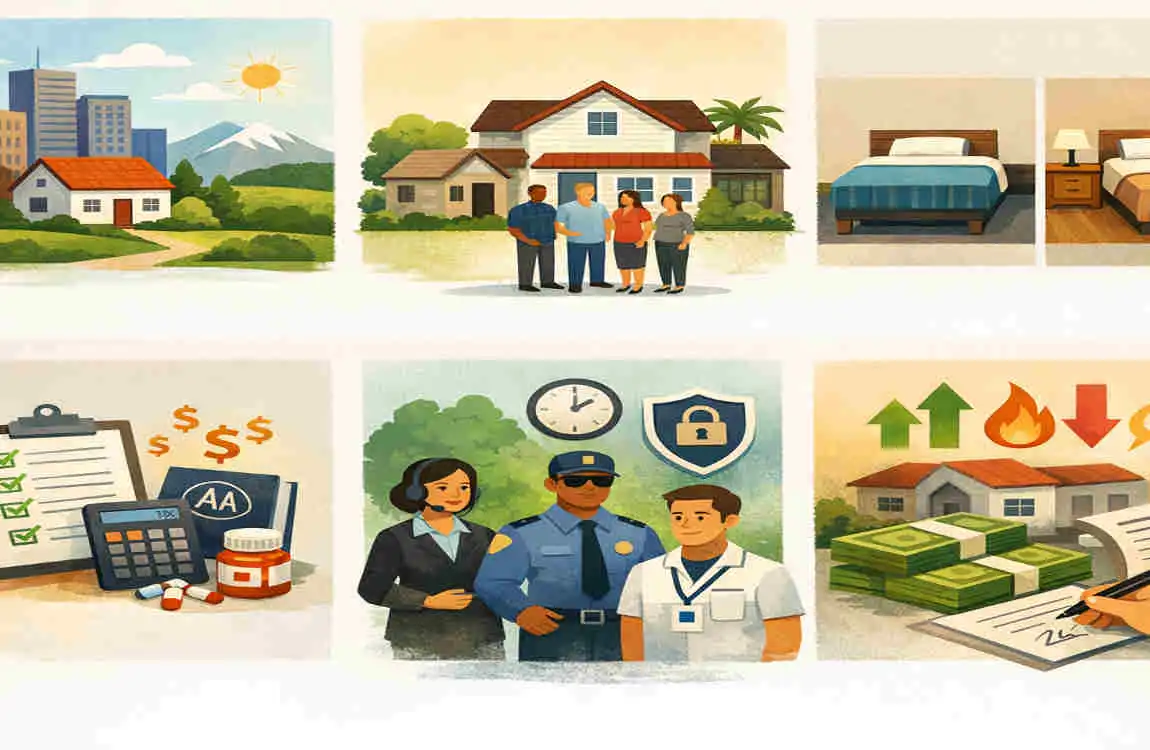
Factors That Affect Halfway House Costs
Location
Location plays a big role in price. A halfway house in a large city usually costs more than one in a smaller town.
That is because rent, utilities, and local living expenses tend to be higher in busy areas. So the same type of program can cost very different amounts depending on where it is located.
Length of Stay
How long someone stays can also affect the total cost. A short stay may cost less overall, but a longer stay may increase the total amount paid.
Some programs charge by week. Others charge by month. A few may have a set timeline based on the resident’s needs or court requirements.
Services Provided
The more services a halfway house offers, the more it may cost. A basic room in shared housing may be cheaper than a home that includes therapy, meals, transportation assistance, and job support.
This is why you should always compare what is included. A lower price is not always better if it comes with very little support.
Type of Program
Not all halfway houses serve the same purpose. Some are for people leaving prison. Others are for people in recovery from addiction.
Programs with more supervision or specialised support may charge more. On the other hand, a simpler transitional home may cost less.
Does Insurance Pay for a Halfway House?
When Insurance Covers Costs
Insurance may help when the halfway house is connected to medical treatment or recovery care. For example, it may pay for counselling, substance use treatment, or therapy services.
This usually depends on the policy and the type of care involved. Some plans are more generous than others.
When Insurance Does Not Pay
Insurance often does not cover the housing part of a halfway house. That means room and board may still need to be paid out of pocket.
This is one of the biggest surprises for families. A person may think insurance covers everything, but the actual cost of living may still be their responsibility.
How to Verify Coverage
Before choosing a halfway house, ask these questions:
- What services are covered?
- Is housing included?
- Are counselling sessions paid for?
- Are there any limits or deductibles?
Getting a clear answer early can save time, money, and stress.
Government Assistance Programs
State Assistance
Some states offer support for reentry housing or recovery housing. These programs may help people who qualify based on income, treatment history, or legal status.
State assistance can reduce the amount the resident must pay, making housing more manageable.
Medicaid When Eligible
Medicaid may cover certain treatment services in recovery settings, but it usually does not fully cover housing itself.
That means someone may get help with therapy or medical care, while still paying for the living space separately.
Veterans Benefits
Veterans may qualify for housing support or recovery-related help through veterans programs. These benefits can sometimes reduce the overall cost of a halfway house.
If you or your loved one is a veteran, it is worth checking what is available to you.
Local Community Programs
Local churches, charities, and community groups may also help. These programs often support people who need housing but cannot afford full private rates.
They may not pay everything, but even partial support can make a big difference.
What Expenses Do Residents Pay?
Residents often pay for more than just the room. Common expenses include:
- Rent
- Food
- Personal hygiene items
- Transportation
- Phone bills
- Clothing
- Medication, if needed
Some halfway houses include certain items in the monthly fee, while others do not. Always ask what the resident must pay separately.
How to Find Affordable Halfway Housing
Ask Your Case Manager
If you are leaving treatment, prison, or a rehab program, your case manager is a good person to start with. They may already know which programs are affordable and available.
Contact Local Nonprofits
Nonprofit groups often know about low-cost housing options. They may also help you apply for assistance or connect you with supportive services.
Search Government Resources
Local and state agencies sometimes list approved or supported housing programs. These options can be more affordable than private homes.
Compare Program Costs
Do not choose the first place you find. Compare cost, support, rules, and location before making a decision.
A slightly higher fee may be worth it if the home offers better structure and more services.
Tips to Reduce Halfway House Expenses
Here are a few practical ways to lower the cost:
- Apply for financial aid
- Look for nonprofit programs
- Use insurance benefits where possible
- Budget monthly income carefully
- Ask about payment plans
Even small savings can help when money is tight.
Pros and Cons of Paying for a Halfway House

Pros
A halfway house can offer real support during a hard transition. Some of the main benefits are:
- Safe environment
- Structured support
- Counseling services
- Better transition into independent living
This structure can help people stay focused, avoid relapse, and rebuild a stable routine.
Cons
There are also some drawbacks:
- Monthly fees
- Limited privacy
- House rules
- Waiting lists
For some people, the cost and rules may feel restrictive. Still, many find the support worth it.
Common Mistakes to Avoid
A few mistakes can make the process harder than it needs to be.
- Choosing a facility based only on price
- Not checking what is included
- Ignoring insurance options
- Failing to budget for personal expenses
- Missing payment deadlines
It is always better to ask questions before moving in than to deal with surprises later.
Frequently Asked Questions
Who usually pays for a halfway house?
Residents often pay part or all of the cost, although government agencies, nonprofits, or insurance may help in some cases.
Are halfway houses free?
Some government-funded or nonprofit halfway houses are free or charge reduced fees.
Does insurance cover halfway house costs?
Insurance may cover certain recovery-related services, but it does not always pay for housing costs.
Can family members pay for a halfway house?
Yes. Many families help cover rent or program fees.
How much does a halfway house cost per month?
Costs vary widely depending on location, services, and funding, from low-cost supported programs to higher-priced private facilities.
Does Medicaid pay for halfway houses?
Medicaid may cover some treatment services linked to recovery programs, but housing costs are often not fully covered.
| Payer | Who Qualifies? | What Is Usually Covered? |
|---|---|---|
| Resident (Self-Pay) | Individuals with income or savings | Monthly rent, meals, and basic living expenses. |
| Government Programs | Eligible individuals in court-ordered or public assistance programs | Part or all of the housing cost, depending on the program. |
| Health Insurance | People whose stay is part of addiction or mental health treatment | May cover a portion of treatment-related housing costs if included in the policy. |
| Nonprofit Organizations | Low-income or recovering individuals | Financial assistance, scholarships, or reduced housing fees. |
| Employer Assistance | Employees in approved recovery or support programs | Some employers may offer limited financial support through benefits. |
| Family or Friends | Residents receiving personal support | Loved ones may help pay rent or other living expenses. |
| Court or Correctional Agency | Individuals placed in a halfway house after incarceration | Government agencies may pay all or part of the cost for court-ordered placements. |