You’re washing your hands or doing dishes when you notice tiny flies buzzing around your sink. Annoying, right? These pesky insects are drain flies, and they’re not only irritating but can also raise concerns about hygiene in your home.
Drain flies, also known as Psychodidae, thrive in damp, organic-rich environments, making your kitchen and bathroom drains the perfect breeding grounds. While they don’t bite, their rapid reproduction and contamination potential make them more than just a minor nuisance.
What Are Drain Flies?
Overview of Drain Flies
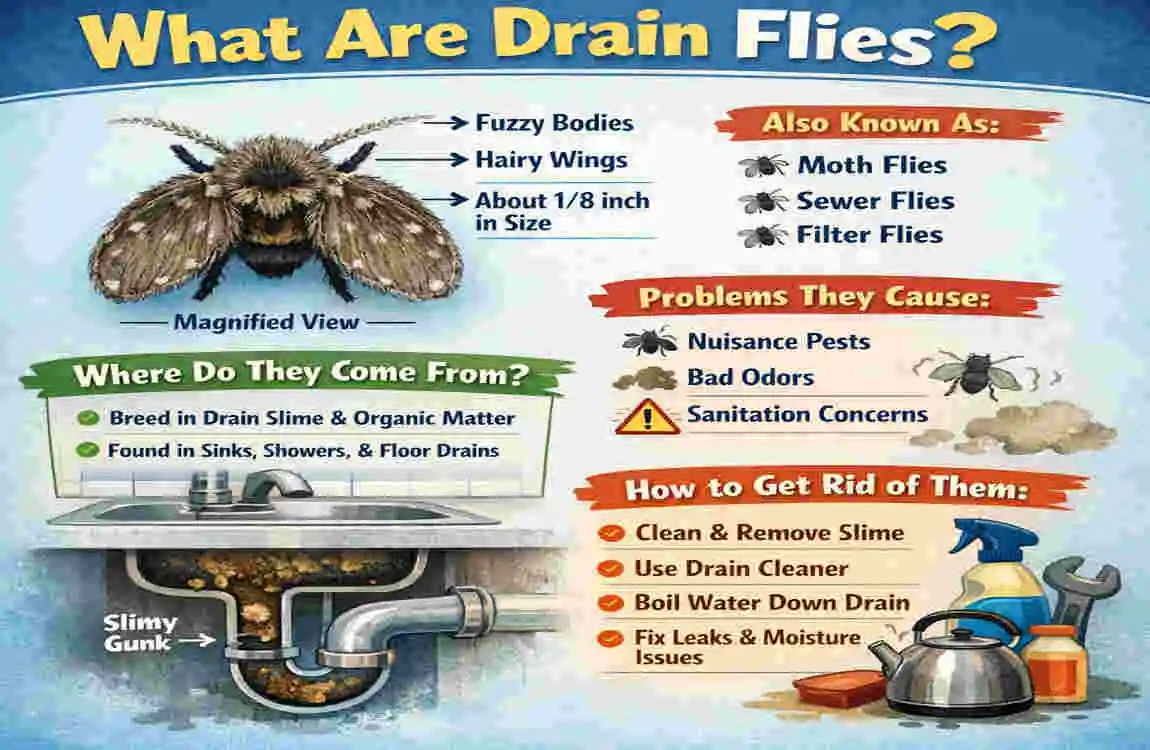
Drain flies, also called moth flies, are small insects with a fuzzy, moth-like appearance. They’re typically grey or brown and measure about 2 to 5 millimetres in length. Their wings are covered in fine hairs, giving them a furry look. These house clean flies are nocturnal and often rest on walls near drains during the day.
Despite their small size, drain flies are resilient. They reproduce rapidly, laying eggs in moist environments where organic matter accumulates. Within days, those eggs hatch into larvae that thrive in the slimy buildup inside your pipes.
Where Do They Live?
Drain flies prefer damp, organic-rich areas. Their favourite breeding grounds include:
- Kitchen and bathroom drains
- Shower or tub drains
- Garbage disposals
- Laundry room sinks
- Sewer lines or septic tanks
They feed on the grime and organic matter that builds up in these areas, making any untreated drain a potential hotspot.
Why Are They a Problem?
Drain flies can become a serious issue if left unchecked. Here’s why:
- Rapid Reproduction: A single female drain fly can lay up to 100 eggs at a time, resulting in rapid population growth and large infestations.
- Hygiene Concerns: Drain flies can contaminate surfaces in your home, potentially spreading bacteria.
- Nuisance Factor: Their persistent buzzing and presence around your home can be incredibly frustrating.
Now that you know what they are, let’s move on to identifying the signs of an infestation.
Signs of a Drain Fly Infestation
How to Identify Drain Flies in Your Home
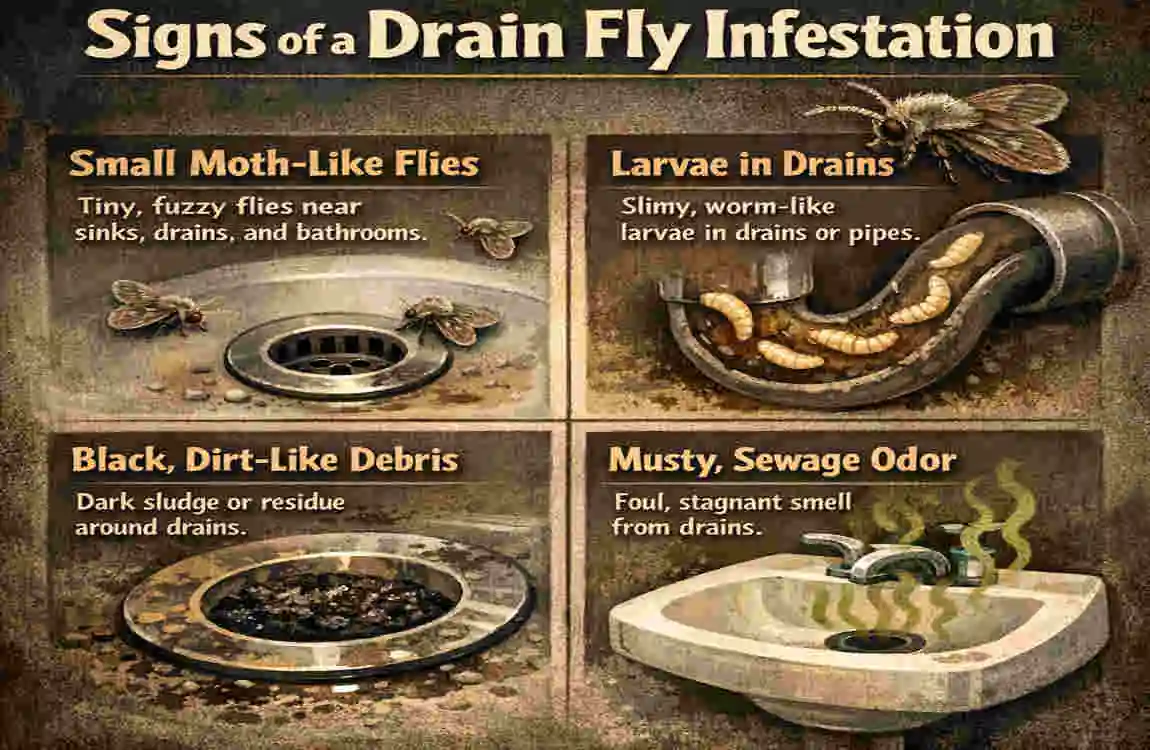
Drain flies can be sneaky, so it’s important to know the signs of their presence. Look out for:
- Small Flies Near Drains: You’ll often spot them hovering around sinks, bathtubs, or shower drains.
- Flies on Walls and Windows: Since they rest during the day, you may notice them clinging to nearby surfaces.
- Larvae in Drains: Check for wriggling larvae, which are small and slimy, often found in drain buildup.
Testing for Drain Flies
If you suspect an infestation but aren’t sure, try this simple tape test:
- Take a piece of clear tape and cover the drain opening (sticky side down).
- Leave it overnight.
- Check the tape in the morning for any flies that may have been trapped.
If you catch flies, you’ve confirmed their presence. Be sure to differentiate them from similar pests, such as fruit flies (which prefer ripening produce) or gnats (often drawn to plants).
Safe Ways to Eradicate Drain Flies
Once you’ve confirmed an infestation, it’s time to act. Below, we outline natural DIY methods and commercial solutions for removing drain flies.
A. Natural and DIY Methods
Clean the Drains Thoroughly
The first step in eliminating drain flies is to clean your drains and remove the organic buildup where they breed. Here’s how:
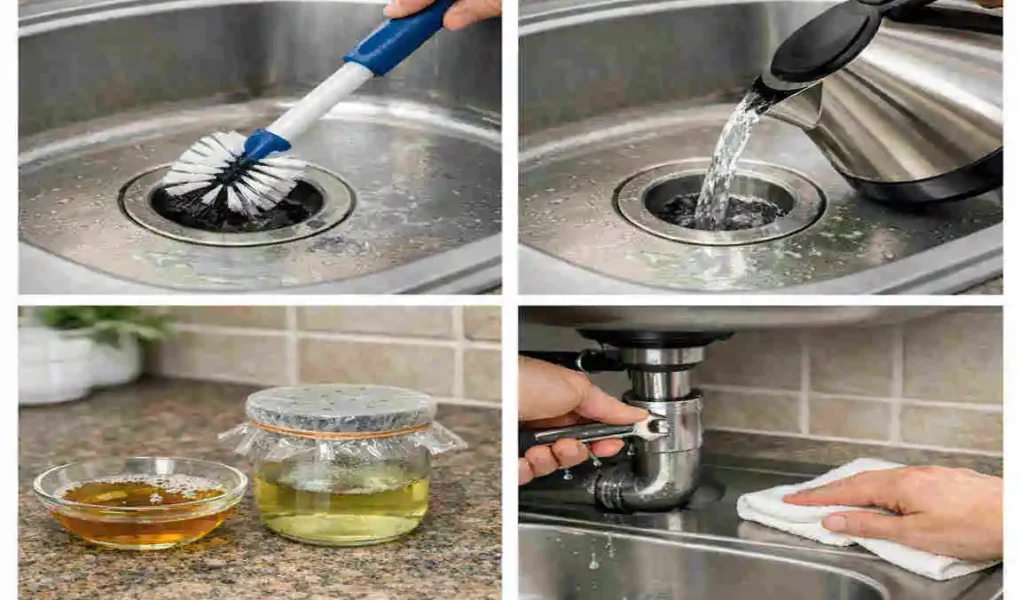
- Use a Drain Brush: Scrub the inside of the drain pipe to dislodge grime and larvae.
- Baking Soda and Vinegar: Pour 1/2 cup of baking soda down the drain, then 1/2 cup of vinegar,. Let it sit for 30 minutes, then flush with boiling water.
- Boiling Water: Pouring boiling water directly into the drain can kill larvae and loosen debris.
Use Homemade Traps
Homemade traps can help catch adult flies while you clean the drains. Two effective options are:
- Apple Cider Vinegar Trap: Fill a bowl with apple cider vinegar and add a few drops of dish soap. The soap breaks the surface tension, trapping the flies.
- Sticky Traps: Place sticky fly traps near infested areas to catch adults.
Flush Out the Infestation
Use enzymatic drain cleaners, which contain natural bacteria that break down organic matter. These cleaners are safe for pipes and the environment while effectively targeting drain fly breeding grounds.
Commercial Products for Drain Fly Control
Overview of Safe and Effective Products
If natural methods aren’t enough, consider these commercial options:
- Enzymatic Cleaners: Break down organic sludge in drains.
- Foaming Drain Cleaners: Reach deep into pipes with a thick foam that clings to the walls.
- Insecticidal Sprays: Use sprays designed specifically for drain flies to kill adults on contact.
How to Use Them Safely
When using chemical products, always follow these precautions:
- Wear Gloves: Protect your skin from irritants.
- Ventilate the Area: Open windows or use fans to avoid inhaling fumes.
- Follow Instructions: Stick to the recommended dosage and application process.
Pros and Cons
Natural Methods Commercial Products
Eco-friendly , fast, and highly effective
Safe for pets and kids . May contain harsh chemicals
Cost-effective , can be more expensive
By weighing your options, you can choose the solution that best fits your needs.
Preventing Future Drain Fly Infestations
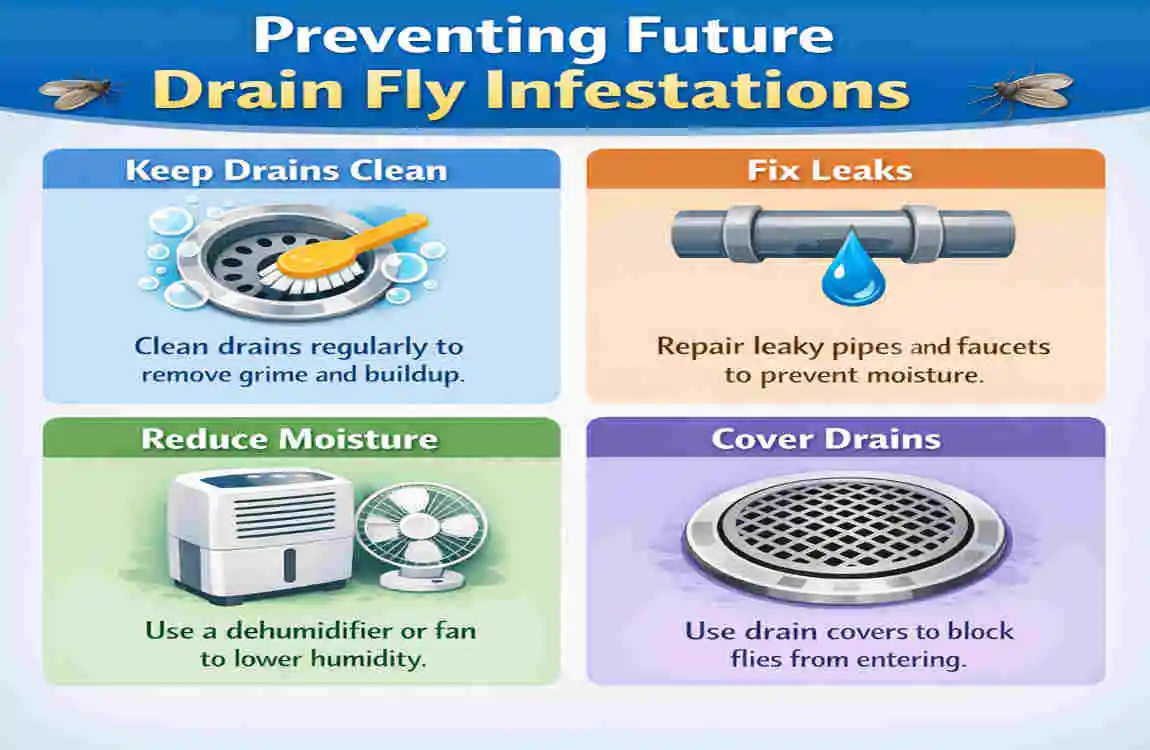
Prevention is key to keeping drain flies from returning. Here are some tips to keep your home fly-free.
Routine Maintenance Tips
- Regularly clean your drains with a brush and enzymatic cleaners.
- Schedule deep cleans for problem areas, such as bathrooms and kitchens.
Keep Your Home Dry and Clean
- Fix leaky pipes and eliminate moisture buildup.
- Ensure proper ventilation in damp areas, such as bathrooms.
Proper Waste Disposal
Dispose of food scraps and organic waste properly. Avoid washing grease or food particles down the clean drain.
Sealing Entry Points
Seal cracks and gaps around windows, doors, and drains to prevent flies from entering.
Frequently Asked Questions (FAQ) About Drain Flies
What Are Drain Flies Attracted To?
Drain flies are drawn to moisture and organic matter, such as the buildup in your pipes.
Are Drain Flies Harmful to Humans?
While they don’t bite, drain flies can contaminate surfaces and contribute to allergies or respiratory issues.
Can I Eliminate Drain Flies Without Chemicals?
Yes! Natural methods like baking soda and vinegar or DIY traps are highly effective.
How Long Does It Take to Get Rid of Drain Flies?
Depending on the method, it can take anywhere from a few days to a week to fully eliminate an infestation.
| Step | Action | Description | Tips for Safety & Effectiveness |
|---|---|---|---|
| Identify Infestation | Inspect drains and surrounding areas | Look for small flies, larvae, or organic buildup | Use the tape test to confirm presence |
| Clean Drains | Remove organic matter | Scrub drains with a brush and flush with hot water | Use gloves; avoid harsh chemicals if possible |
| Natural Treatments | Apply vinegar and baking soda | Pour baking soda, then vinegar, followed by boiling water | Wait 15 minutes between steps for best results |
| Set Traps | Use apple cider vinegar traps | Fill a bowl with apple cider vinegar and a few drops of dish soap | Place near affected drains for several days |