Fire safety in residential properties is no longer considered a secondary concern addressed only after construction. Changes in building design, increased use of electrical devices, and higher occupancy levels mean that modern homes face different fire risks than those of the past. As a result, active fire protection methods, including residential sprinkler systems, are receiving greater attention from homeowners, landlords, and housing professionals.
Fire Risk in Modern Homes
Today’s homes contain a wide range of materials and appliances that can contribute to faster fire development. Open-plan layouts, lightweight construction materials, and synthetic furnishings can allow fires to spread more quickly than in older properties. While smoke alarms remain essential for early warning, they do not intervene to slow or control a fire once it has started.
This gap between detection and suppression has prompted broader discussion about the role of sprinkler systems in residential settings.
How Residential Sprinkler Systems Work
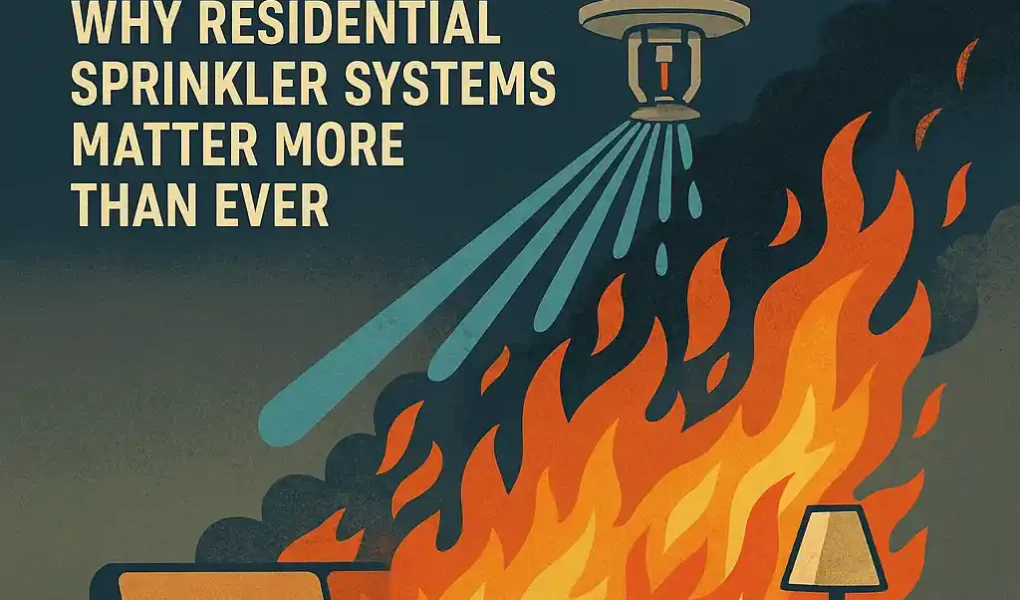
A residential sprinkler system is designed to react automatically to heat generated by a fire. Each sprinkler head operates independently, activating only when a specific temperature threshold is reached. This targeted response helps to control the fire at its point of origin rather than flooding the entire property.
A properly designed Home Fire Sprinkler System is typically connected either directly to the main water supply or to a pump and stored water, depending on the property’s size and layout. The aim is not only to extinguish fires but also to prevent them from escalating to a level that puts occupants at serious risk.
Installation Is Only Part of the Solution
While installation is essential, the long-term effectiveness of any fire sprinkler system depends on correct maintenance. Residential systems are mechanical and hydraulic, so components can deteriorate over time if not inspected. Valves can seize, pumps can fail, and sprinkler heads can become obstructed through everyday household changes.
Routine inspection and servicing ensure that systems continue to meet recognised standards such as BS 9251 and remain ready to operate in an emergency. This includes checking water flow, pressure levels, control valves, and alarm interfaces, and confirming that sprinkler heads have not been painted over or damaged during renovations.
The Role of Professional Servicing
Specialist fire protection providers conduct structured inspections and testing that are difficult to replicate through visual checks alone. For residential properties, servicing typically includes annual assessments supported by documentation that records the system’s condition and performance.
This process benefits homeowners and landlords by:
- Identifying faults before they lead to system failure
- Supporting compliance with safety and insurance requirements
- Ensuring that alterations to the property have not compromised coverage
- Providing reassurance that the system will function as intended
Regular servicing also helps clarify responsibilities between occupants and property owners, particularly in rented or managed housing.
Sprinklers as Part of a Wider Fire Strategy
Sprinkler systems are most effective when combined with other fire safety measures such as smoke detection, clear escape routes, and occupant awareness. They are not a replacement for good fire safety practice but an additional layer of protection that works automatically, even when residents are asleep or away from home.
As expectations around residential safety continue to evolve, sprinkler systems are increasingly seen as a practical response to modern fire risks rather than an optional extra.
A Growing Focus on Prevention
The emphasis in residential fire protection is gradually shifting from response to prevention and control. By addressing fires early, sprinkler systems reduce the likelihood of severe injury, loss of life, and extensive property damage. When maintained properly, they provide a reliable, long-term safety feature in the home.