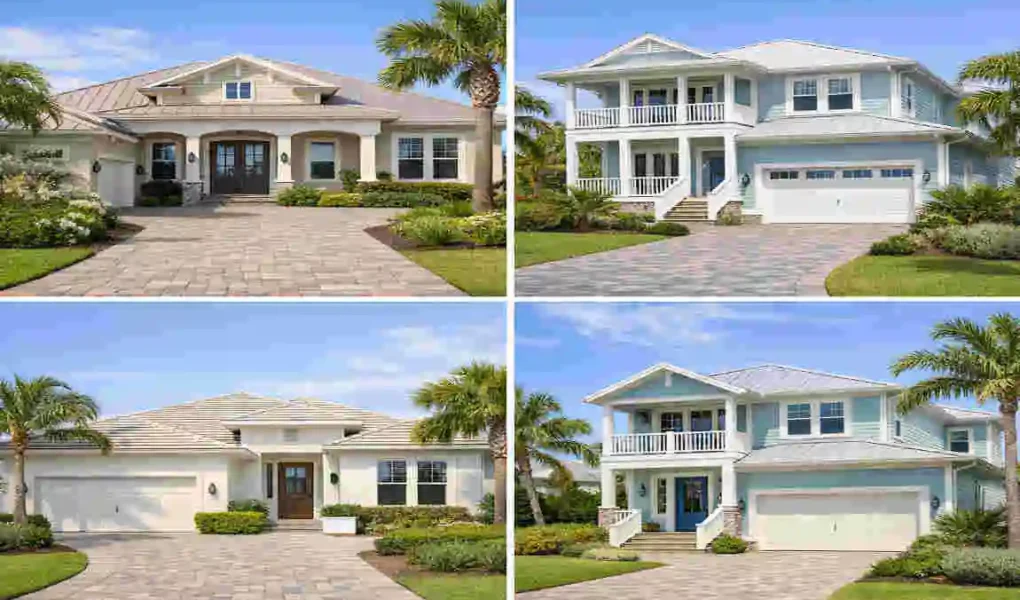
Choosing an exterior paint color in Florida is not as simple as picking a shade you like from a fan deck. The sun is stronger, the air is wetter, storms are tougher, and salt can wear down finishes faster than many homeowners expect. That is exactly why so many people ask the same question: which colour is best for the exterior of a house in Florida?
The answer usually comes down to two things. First, you need a color that can handle Florida’s climate without fading too quickly or showing mildew and grime. Second, you want a shade that makes your home look fresh, valuable, and inviting from the street. In most cases, the winning choices are light neutrals like white, beige, and soft gray, along with coastal blues that feel right at home in sunny, beach-inspired neighborhoods.
The right paint color can do more than improve looks. It can help reflect heat, support resale value, and make your home fit beautifully with the style of your area. Some studies even suggest curb appeal upgrades can boost value by 5% to 7%, and exterior paint is one of the most visible updates you can make.
Florida’s Unique Climate Needs
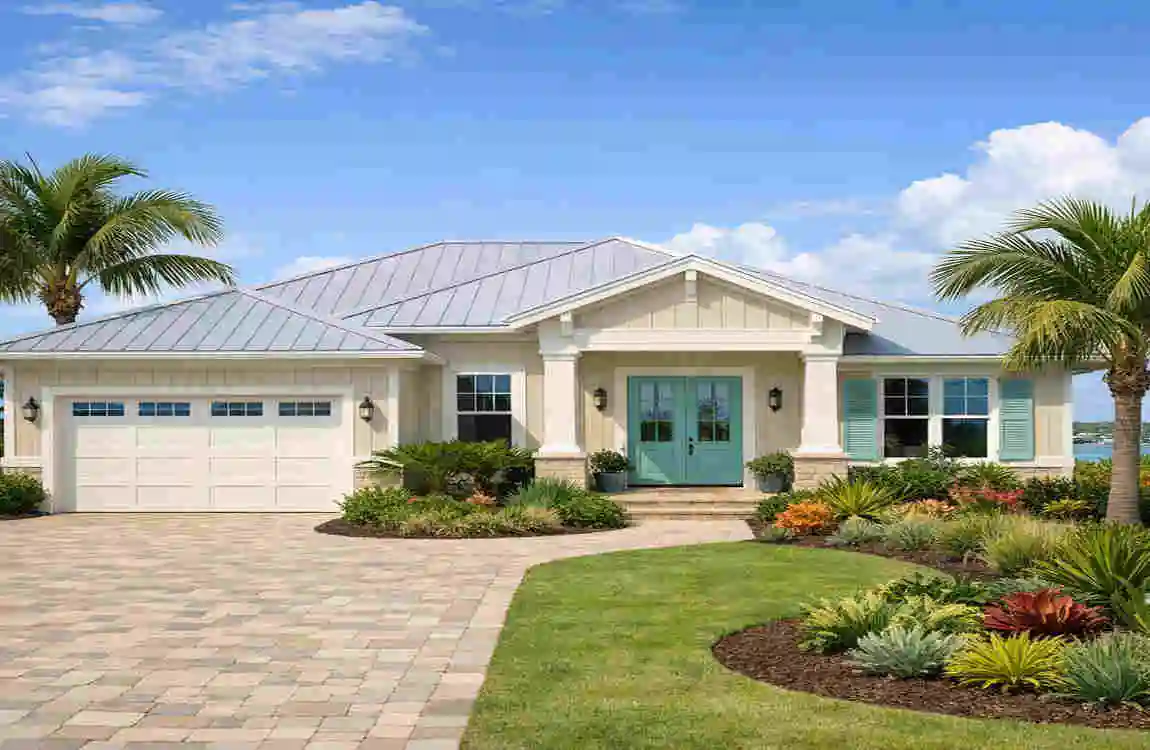
Before you choose a paint color, it helps to understand why Florida homes need a different approach than homes in cooler or drier states. Color is not only about style here. It is also about performance.
Why Florida Weather Changes the Paint Decision
Florida homes deal with a mix of high humidity, strong UV rays, salty coastal air, heavy rain, and hurricane-season wear. All of these can affect how paint looks and how long it lasts.
Dark colors tend to absorb more heat. That can make your exterior surface hotter and may even raise indoor cooling needs. Lighter colors, on the other hand, reflect more sunlight. In many cases, they can help reduce heat gain and support lower air conditioning use. Some estimates suggest light-reflective exterior colors can help reduce cooling demand by 10% to 20%, especially when combined with quality paint and proper insulation.
Humidity is another major factor. In damp conditions, paint needs to breathe. That is why many Florida professionals prefer high-quality acrylic or latex paints. These products usually hold color better, resist cracking, and allow moisture to escape more easily than older oil-based options.
If you live near the coast, salt in the air also matters. Salt can leave marks, dull the finish, and speed up wear on trim and metal accents. This is one reason neutral shades like beige and off-white stay so popular. They often hide buildup and salt staining better than bright or very dark colors.
Surfaces Matter More Than Many Homeowners Realize
Florida homes come in many exterior materials, and each one reacts differently to paint.
Stucco is one of the most common surfaces across the state. It fits well with Florida architecture, but it can retain moisture if not prepared properly. Light and breathable paint colors usually perform best here.
Brick homes are less common in some coastal regions but still appear in many inland neighborhoods. If the brick is painted, the color should support breathability and long-term adhesion.
Vinyl or fiber cement siding also needs attention. Some materials expand and contract more with heat, which can affect how darker shades wear over time.
So when asking which colour is best for the exterior of a house in Florida, you are really asking a bigger question: what color looks great and works with your home’s material and local weather?
Community Rules Can Shape Your Choice
In Florida, cities like Miami, Orlando, and Naples, as well as many planned communities, HOA guidelines can limit the colors you can use. You may love a dramatic charcoal or deep turquoise, but your neighborhood may only allow a softer palette.
That does not mean your home has to look boring. It simply means the best color choice often balances:
- UV protection: Lighter shades help reduce fading, chalking, and heat buildup.
- Mildew resistance: Breathable paint formulas in soft shades often perform better in humid conditions.
- Resale impact: Neutral palettes usually appeal to more buyers and fit more neighborhoods.
When you look at it this way, the answer to which colour is best for the exterior of a house in Florida starts with climate-smart choices. Beauty matters, but durability matters as much.
Trending Neutral Exterior Colors
If you want a safe, timeless, and high-value choice, neutrals are still the front-runners. In fact, for many homeowners, neutrals are the clearest answer to which colour is best for the exterior of a house in Florida.
They stay cooler, work with many architectural styles, and usually age well. They also make trim, shutters, doors, and landscaping stand out in a balanced way.
Why Neutrals Keep Winning in Florida
Neutral colors fit the Florida lifestyle because they feel clean, airy, and relaxed. They also echo the natural environment. White reflects bright sunlight. Beige picks up the warmth of sand. Gray gives a modern edge without feeling harsh.
These shades work on:
- Coastal cottages
- Mediterranean-style homes
- Stucco ranch houses
- New construction communities
- Traditional suburban homes
They are also easy to update. You can keep the main body color neutral and change your front door or trim later if you want a different look.
Top Neutral Picks
Color Name, Hex Code, Why Best for Florida, Pairing Tips
Crisp White #F4F0E9 reflects strong sunlight, keeps the home looking bright, and helps reduce heat absorption. Pair with navy trim or black shutters
Warm Beige #D9C2A6 Hides dirt and salt marks well, feels soft and coastal. Add wood accents or dark bronze fixtures
Soft Gray #D0D0D0 looks modern, hides mildew better than pure white, and works with many roof colors. Use white doors and charcoal accents.
Crisp White: Clean, Bright, and Classic
White remains one of the strongest answers to which colour is best for the exterior of a house in Florida. It reflects a large amount of sunlight, helping surfaces stay cooler than with dark paint. It also gives homes a fresh, polished look that fits almost every part of the state.
A crisp white exterior can feel elegant in Palm Beach, simple in the Panhandle, or modern in Orlando suburbs. The key is choosing the right undertone. In Florida light, a white that looks soft indoors may look overly bright outside. That is why warm whites and creamy whites often work better than stark, blue-based whites.
White does require some upkeep. Rain splash, mildew, and dirt can show more quickly, especially on shaded walls. But if you use a quality paint and maintain the surface well, the result is timeless.
Warm Beige: Easy to Live With
Beige is one of the most practical choices for Florida exteriors. It hides dust and salt residue better than bright white and often feels warmer and more inviting than cool gray.
For homeowners asking which colour is best for the exterior of a house in Florida when they want low maintenance, warm beige is a top candidate. It feels natural in communities with tile roofs, tropical landscaping, and earth-toned hardscaping.
Beige is especially strong for homes with:
- Stone details
- Brown or tan roofing
- Wood garage doors
- Bronze light fixtures
- Tropical plants and palms
This shade creates a calm and welcoming curb appeal without looking plain.
Soft Gray: Modern but Not Cold
Gray has evolved in Florida. Instead of flat, cold grays, many homes now use soft grays with warm undertones. These shades work beautifully with white trim, black windows, and metal roofing details.
Soft gray is often the right answer for the exterior of a house in Florida, for homeowners who want a clean, updated look without going too bold. It is especially popular in newer neighborhoods and urban areas.
Gray also does a better job of masking minor mildew streaks and weather marks than pure white. That makes it a smart and practical style choice.
Neutral Colors: Quick Pros and Cons
Neutral Shade: Main Pros, Possible Drawbacks
White has the best heat reflection, is timeless, and has high resale appeal. It can show dirt and mildew more easily.
Beige: Low maintenance, warm look, hides salt and dust. It can look dull if paired with the wrong trim.
Soft Gray Modern style, flexible, masks some weathering. Some grays can look flat in very bright sun.
Real Florida Home Examples
A stucco bungalow in Tampa often looks best in soft white with navy shutters. A Naples home with palm trees and a clay tile roof can look stunning in warm beige with cream trim. A modern Orlando home may feel sharp and current in warm gray with crisp white detailing.
These neutrals answer the question of which colour is best for the exterior of a house in Florida for homeowners who want a lasting, low-stress finish that still feels stylish in 2026.
Coastal Blues That Captivate
If neutrals are the safe favorite, blues are the emotional favorite. They are fresh, calming, and connected to the Florida lifestyle. From ocean water to bright sky, blue feels natural here. That is why coastal shades are climbing fast on the list of answers to which colour is best for the exterior of a house in Florida.
Why Blue Works So Well in Florida
Blue brings personality without always feeling risky. In the right tone, it can look cheerful, elegant, relaxed, or upscale. It works especially well in coastal towns, lake communities, waterfront properties, and tropical neighborhoods. Still, it can be used in homes in inland areas too.
The trick is choosing the right kind of blue. Very bright blue can feel childish or overwhelming in strong sunlight. But softened blue tones, washed aqua shades, and rich navies can look amazing.
Standout Blue Shades
Color Name, Hex Code, Florida Fit, Accent Ideas
Soft Aqua #A7D8DE Feels breezy and cool; suits humid coastal settings and creates a beachy look. Pair with coral pink trim or white railings.
Deep Navy #1C2526 Bold and dramatic, with a strong contrast; looks upscale with a proper coating. Use cream siding accents or white trim.
Sky Blue #B0E0E6 Reflects light well, feels airy and relaxed, often HOA-friendly in softer versions. Add brass or gold-toned hardware.
Soft Aqua: Florida Beach Energy
Soft aqua is one of the most charming choices for homes near the coast. It feels light, breezy, and tropical without being loud. This color works especially well on cottages, Key West-style homes, and houses with porches or white trim.
For many people, soft aqua is the emotional answer to which colour is best for the exterior of a house in Florida because it instantly creates a coastal mood. It feels like sea glass, shallow water, and open sky.
This shade also works well with landscaping. Palm trees, flowering shrubs, and bright green lawns all look lively against aqua. If you want curb appeal that feels cheerful and vacation-like, this is a great option.
Deep Navy: Bold, Elegant, and Sophisticated
Navy is a stronger choice, but when used well, it can be stunning. It adds depth and contrast to a home, especially when paired with cream, off-white, or natural wood.
That said, navy does absorb more heat than lighter colors. In Florida, that means you should only consider it if you use a premium exterior coating with strong fade resistance. On homes with full sun exposure, navy may need more upkeep than white, beige, or pale blue.
Still, for some styles, navy is the perfect answer to the question of which colour is best for the exterior of a house in Florida. It can make a traditional home feel rich and crisp. It can also give a modern coastal home a high-end, custom look.
Sky Blue: Fresh and Friendly
Sky blue sits between neutral and colorful. It is softer than aqua and lighter than navy, which makes it easier to use across many communities.
This shade reflects sunlight well and can fit homes with white trim, sandy stone paths, and silver or brass hardware. In neighborhoods with stricter design rules, sky blue often feels more acceptable than stronger tropical shades.
It is also a great way to add personality without hurting resale appeal. Buyers often respond well to soft blue because it feels peaceful and clean.
Before-and-After Effect of Blue Exteriors
A plain beige home with faded trim can sometimes disappear into the block. But repainting it in soft sky blue with crisp white trim can make the home look brighter, newer, and more cared for.
A dated white home with worn brown shutters can gain drama and elegance with a navy door, navy shutters, or even a navy body paired with cream trim. The visual upgrade can be dramatic without altering the structure.
When Blue Makes the Most Sense
Blue is often ideal if your home has:
- Coastal or tropical architecture
- White trim or railings
- Metal or gray roofing
- Waterfront views
- A sunny lot that benefits from light, cool tones
Coastal blues top the list for which colour is best for the exterior of a house in Florida in 2026 when the homeowner wants character, charm, and a strong connection to the Florida setting.
Color Psychology and Curb Appeal
Exterior color is not just about paint chemistry and weather resistance. It is also about how people feel when they see your home.
The Emotional Pull of Neutrals and Blues
Neutrals tend to feel safe, welcoming, clean, and timeless. They signal stability and broad appeal. That is one reason they often do well when a homeowner plans to sell.
Blues, on the other hand, feel calm, peaceful, and refreshed. In Florida, they also connect naturally with beaches, bays, and open skies. That gives blue an emotional advantage in this market. It feels right for the region.
When someone drives by your house, the color creates an instant first impression. A faded or poorly chosen color can make a house feel tired. A fresh and fitting color can make the same home feel cared for and more valuable.
Some real estate data suggests light and appealing exteriors can significantly improve perceived home value. In practical terms, a smart paint choice can help your home feel more desirable before anyone even steps inside.
Florida Style and the Power of Context
A color that looks beautiful on a home in another state may not feel right in Florida. A deep forest green might suit a mountain house, but on a sun-drenched Florida street, it may feel heavy. That is why the question of which colour is best for the exterior of a house in Florida has such a location-specific answer.
Florida buyers and neighbors often respond best to colors that echo the environment:
- Sand-inspired neutrals
- Soft cloud whites
- Driftwood beiges
- Ocean blues
- Muted sea-glass tones
These shades feel natural rather than forced.
How to Test a Color the Smart Way
Many homeowners make the mistake of choosing a paint color from a tiny paint chip indoors. Florida sunlight changes everything. A color can appear warmer, cooler, lighter, or brighter once it is outside.
For the best results, test large samples on different sides of the house. Morning sun, afternoon sun, shade, and nearby landscaping all affect how paint reads.
You should also think about architecture. A Mediterranean home often looks best with warmer body colors and accents that complement tile roofing. A coastal cottage may welcome blue or white more easily. A modern build may suit gray or greige.
Low-VOC paint is another smart choice. It improves indoor and outdoor air quality during application and often meets the growing demand for more sustainable home upgrades.
When it comes to curb appeal, the best exterior house color Florida homeowners choose is usually the one that fits the climate, the architecture, and the mood they want the home to create.
How to Choose and Apply the Right Exterior Color
Now let’s make this practical. If you are still deciding which colour is best for the exterior of your house in Florida, this step-by-step process can help you avoid common mistakes.
Step-by-Step Color Selection
- Assess your home style and local climate zone
- South Florida homes often suit bright whites, aquas, and warm beiges. Panhandle homes may lean more traditional with grays, creams, or muted blues. Think about your roof color, landscaping, and neighborhood style.
- Check any HOA or community guidelines
- Always do this early. It saves time and prevents repainting costs later.
- Sample the color on your actual exterior
- Use sample patches large enough to see clearly. Many pros recommend at least a visible test area rather than relying on tiny swatches. View the sample in sun and shade.
- Prepare the surface properly
- Power washing, scraping, caulking, repairing cracks, and priming are all essential. In Florida, moisture issues must be addressed before paint goes on.
- Use the right paint formula
- Choose a premium exterior acrylic or latex product made for humidity, UV exposure, and mildew resistance.
- Hire professionals if you want the finish to last
- A skilled team can help with prep, color testing, weather timing, and clean application. If you want a smooth and durable result, contact us for expert application and color guidance.
Why Application Matters as Much as Color
Even the best answer to which colour is best for the exterior of a house in Florida can fail if the prep work is poor. Paint applied over dirty stucco, damp siding, or cracked surfaces will not hold up the way it should.
Florida weather also affects timing. A paint job done during a wet spell or just before heavy storms can lead to delays or finish problems. Professional painters usually plan around temperature, humidity, and rain patterns to get better adhesion and curing.
Typical Budget for Exterior Painting in Florida
Pricing varies by home size, prep needs, paint quality, and architectural detail. Still, here is a general guide for an average Florida home:
Home Size / Scope Estimated Cost
Small home, basic repaint $3,000 – $4,500
Medium home with moderate prep $4,500 – $7,000
Large home or detailed exterior $7,000 – $10,000+
You may also hear pricing by square foot. In many Florida markets, exterior painting typically falls between $2 and $5 per square foot, depending on condition and complexity.
A Few Practical Tips Before You Commit
Pay attention to fixed elements that will not change easily, like the roof, driveway tone, stonework, and window trim. Your paint should work with those features, not fight them.
Also, remember that a trendy color can still be a bad fit if it makes your home look disconnected from the rest of the street. The best result usually feels personal and appropriate.
If you want help deciding which colour is best for the exterior of your house in Florida, a professional consultation can save money, stress, and second-guessing.
Trends and Expert Tips
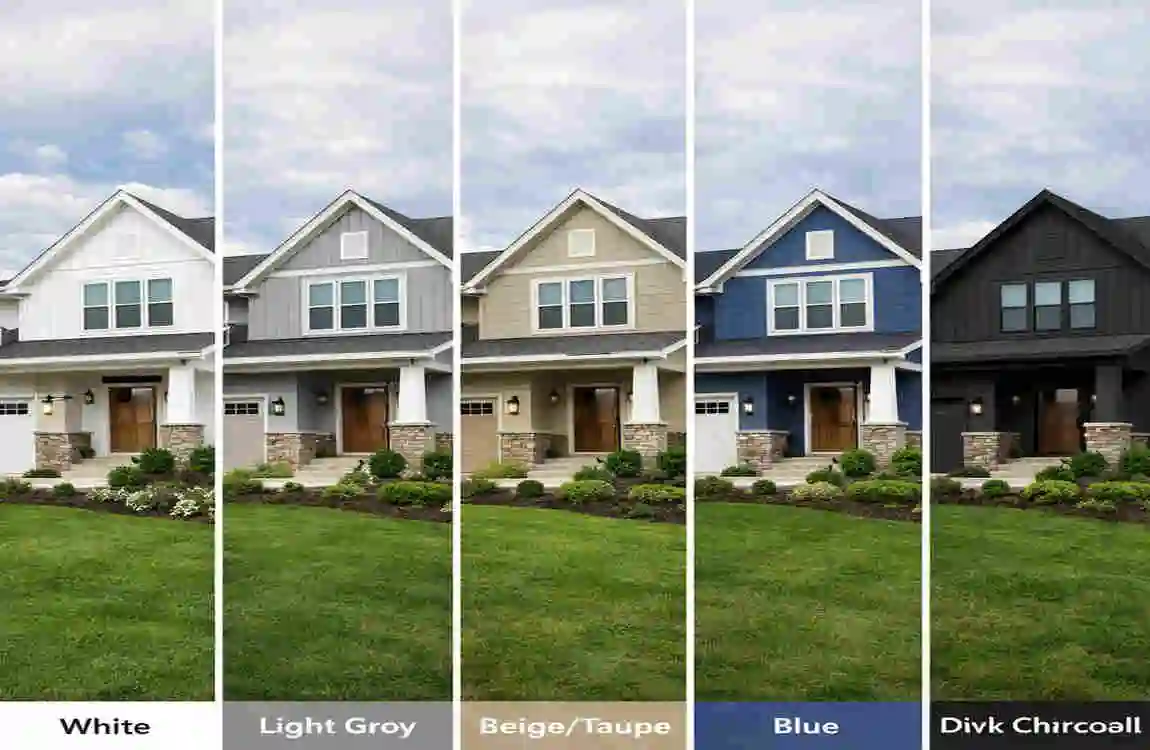
Exterior paint trends in Florida are moving in a clear direction for 2026. Homeowners still love classic colors, but they also want something with personality.
What Is Rising in 2026
One major trend is the move toward muted teal-blues. These shades feel coastal but a little softer and more refined than bright tropical turquoise. They work well in beach communities and on homes that want color without looking loud.
Another big shift is the rise of greige hybrids. Greige blends gray and beige, giving homeowners the best of both worlds. It feels modern, but it still carries warmth. That makes it one of the strongest answers to which colour is best for the exterior of a house in Florida for people who want broad appeal.
Warm whites are also staying strong. They are cleaner than beige but softer than bright white, which helps them perform well in Florida sunlight.
What to Be Careful With
Very dark exteriors are still risky in Florida. They can look dramatic at first, but they often:
- Fade faster in strong sun.
- Show surface wear sooner.
- Absorb more heat
- Need more frequent maintenance.
That does not mean you can never use a dark color. It just means dark body colors should be approached carefully, especially in homes with full-sun exposure.
Regional Preferences Across the State
Florida is not one-size-fits-all. Color tastes change by region.
In Orlando and Central Florida, soft grays, greiges, and clean whites are especially popular in newer communities.
In the Florida Keys, aquas, pale blues, and breezy tropical shades feel more natural.
In Southwest Florida, warm beige and creamy white continue to perform well because they pair so nicely with tile roofs and Mediterranean design.
A local paint consultant, Marco Ellis, often puts it: “Neutrals win for resale, but coastal blues win hearts.” That is a smart way to think about it. The best exterior house color Florida homeowners choose often depends on whether they are painting for long-term value, personal style, or both.
FAQs
Which colour is best for the exterior of a house in Florida?
For most homes, the best answer is light neutrals like white, beige, or soft gray because they reflect the sun, suit many neighborhoods, and support resale value. If you want more personality, coastal blues are also excellent, especially in beach-inspired areas.
Are dark colors a good idea in Florida?
They can work, but only with caution. Dark colors absorb more heat and often fade faster under strong UV exposure. If you want a darker shade, use high-quality exterior coatings and expect more maintenance over time.
How much does exterior painting cost in Florida?
Most homeowners can expect to pay around $2 to $5 per square foot, with many full-home jobs falling between $3,000 and $10,000, depending on size, prep work, and paint quality.
What are the best paint brands for Florida exteriors?
Popular choices include Behr, Sherwin-Williams, and Benjamin Moore. The best product depends on your surface, your climate exposure, and the level of durability you want.
Is blue a safe color for resale?
Yes, especially if you choose softer shades like sky blue, muted aqua, or blue-gray. These colors feel appropriate in Florida and usually appeal to a broader audience than very bright or unusual shades.