Many homeowners ask, “How much is it to fix plumbing in a house?” The short answer is that it depends on the problem, the pipe material, and how hard it is for a plumber to reach the damage. A small leak may cost a few hundred dollars, while a major pipe replacement can cost much more.
| Plumbing Repair Task | Typical Cost Range (approx.) | What to Expect |
|---|---|---|
| Unclogging a sink or shower drain | $100–$300 | Small parts, 1–2 hours labor; often a flat rate. |
| Repairing a leaky faucet | $100–$300 | Parts plus an hour or two of labor. |
| Fixing a running or leaking toilet | $100–$300 | Internal parts and basic labor; sometimes under $150. |
| Repairing a visible pipe leak | $150–$600 | Depends on accessibility; in‑wall or ceiling repairs cost more. |
| Burst pipe repair | $400–$2,000+ | Increases sharply if under slab, in walls, or requiring demolition. |
| Water heater repair (not replacement) | $150–$750 | Parts plus 1–3 hours; older units may push toward higher end. |
| Garbage disposal repair or install | $100–$650 | Swap or reinstall under sink; labor strongly affects price. |
| Main‑line or sewer‑line work | $600–$4,500+ | Often includes camera inspection, trenching, or jack‑hammering. |
Knowing the plumbing repair costs before you call for help can save you stress. It also helps you budget for labour, parts, permits, and hidden damage. For example, a leak inside a wall may look minor at first, but it can lead to drywall repair, mould cleanup, or floor damage later.
What Affects Plumbing Repair Costs in a House?
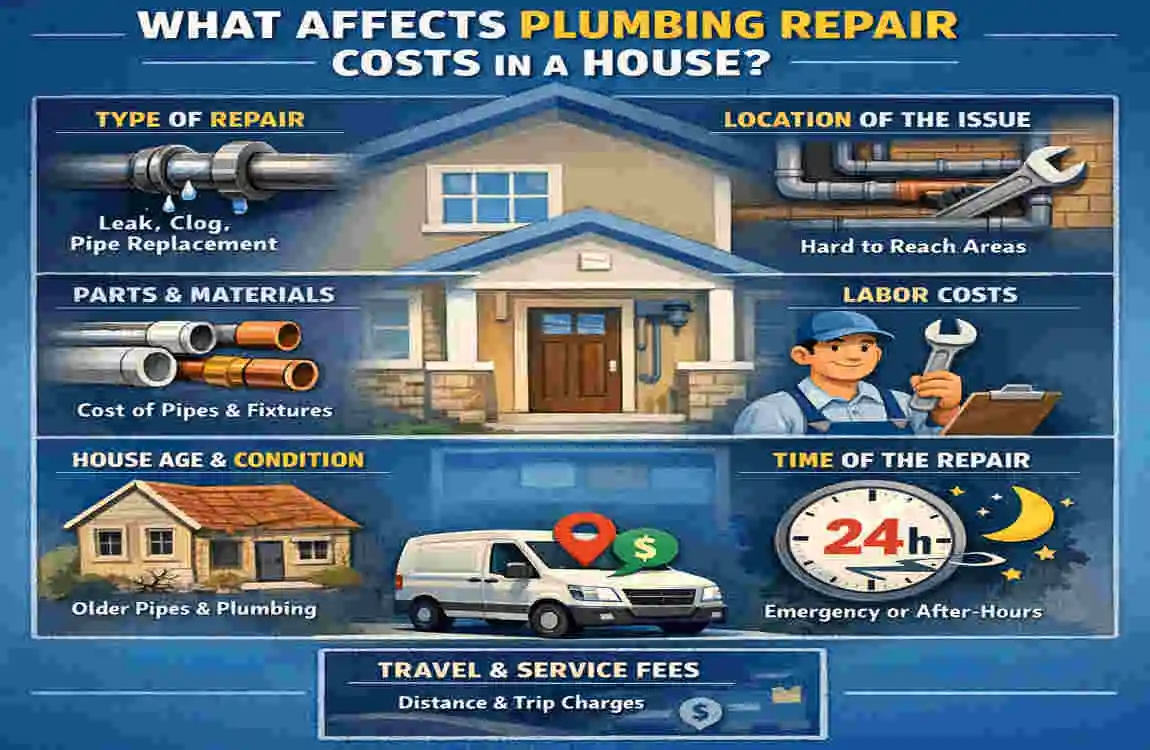
Type of Plumbing Problem
The kind of issue you have makes a big difference. A leaky faucet is usually cheaper to fix than a burst pipe or sewer line damage. Clogged drains, toilet problems, and water heater repairs also fall into different price ranges.
Severity of the Damage
Small repairs are usually quick and simple. Major damage can lead to higher repair costs for pipes in the house because the plumber may need to cut into walls, replace long pipe sections, or address water damage.
Location of the Problem
If the problem is easy to reach, the repair often costs less. But if the pipe is behind a wall, under a floor, or underground, the work becomes more complex, and the cost of fixing the water pipes increases.
Labor and Pipe Materials
Plumbers often charge by the hour, and rates may rise on weekends or during emergencies. Pipe material also matters. PVC and PEX are usually cheaper than copper, while old galvanised steel can be harder to work with.
Average Plumbing Repair Costs for Common Household Problems
Here is a simple plumbing repair pricing guide to help you understand common prices.
Plumbing Repair Average Cost Range
Leaky faucet repair $100–$350
Toilet repair $150–$400
Drain cleaning $150–$500
Pipe leak repair $200–$1,000
Burst pipe replacement $500–$4,000
Water heater repair $200–$900
Sewer line repair $1,000–$7,000
Small Plumbing Repairs
Small repairs often include dripping faucets, running toilets, and low water pressure. These jobs are usually faster and cheaper, especially when the problem is easy to spot.
Medium Plumbing Repairs
Medium jobs may include pipe leaks, garbage disposal replacement, or shower valve repairs. These repairs often take more time and may require replacement parts.
Major Plumbing Repairs
Major jobs include whole-house repiping, slab leaks, and main sewer line replacement. These are the kinds of repairs that can quickly raise the average cost of plumbing repairs in a house.
How Much Does Emergency Plumbing Repair Cost?
Emergency service is usually more expensive. An emergency plumber’s cost can be higher because the plumber is working after hours, on weekends, or during holidays.
You may pay a flat emergency fee, or the hourly rate may be 1.5 to 3 times the normal rate. Flooding, broken pipes, or a failed water heater often need immediate help.
When to Call Right Away
Call for emergency service if you have:
- A burst pipe
- Rapid leaking
- No water in the house
- Flooding near electrical areas
When It Can Wait
A slow drip, a minor clog, or a loose faucet handle may be able to wait until normal business hours. That simple choice can save money.
Cost to Replace Plumbing Pipes in an Older House
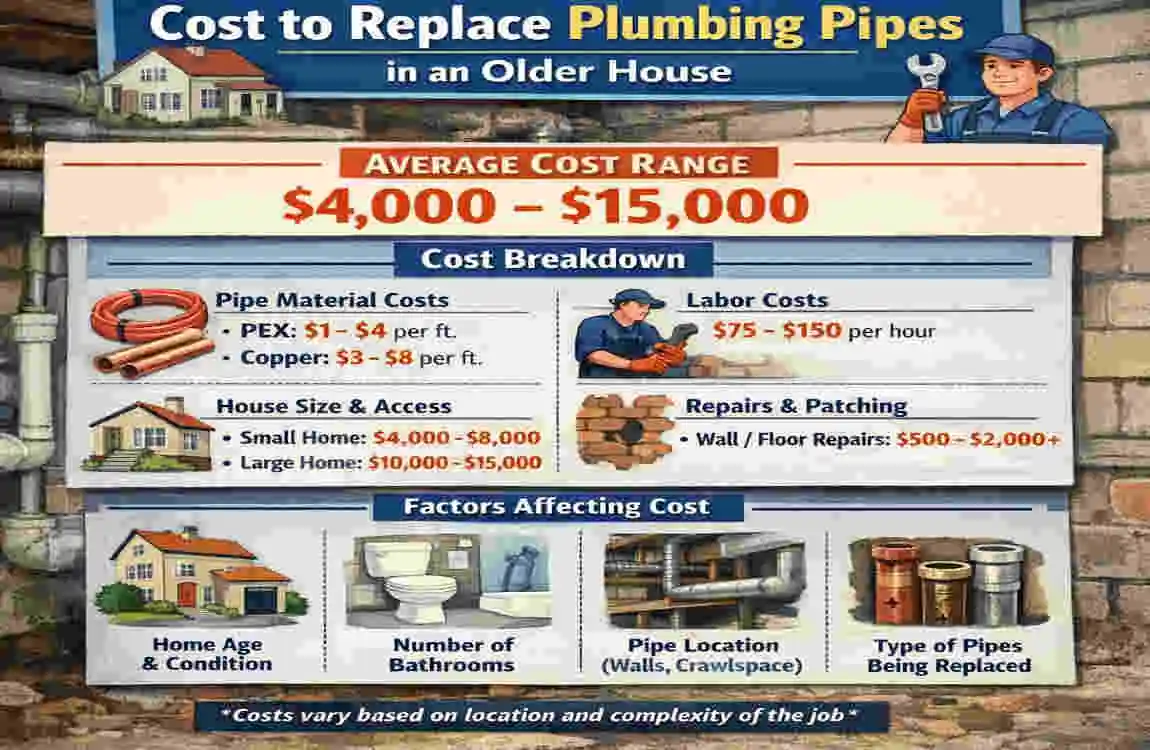
Older homes often need more work because old pipes wear out over time. If you see rusty water, frequent leaks, low water pressure, or old galvanised pipes, repiping may be the better long-term solution.
Signs Your Home Needs Repiping
Look for these warning signs:
- Rusty or discoloured water
- Repeated leaks
- Weak water pressure
- Outdated galvanised steel pipes
Whole-House Repiping Cost
The cost of replacing the house plumbing depends on home size, pipe material, and how easy it is to reach the pipes.
Home Size Estimated Repiping Cost
Small home $2,000–$6,000
Medium home $4,000–$15,000
Large home $8,000–$20,000+
Best Pipe Materials for Replacement
The most common choices are copper, PEX, and CPVC. PEX is often popular because it is flexible and usually less expensive to install.
DIY vs Hiring a Professional Plumber
Some small jobs are fine for homeowners to handle. Others should be left to a licensed expert.
Plumbing Repairs You Can DIY
You may be able to handle:
- Minor drain clogs
- Replacing faucet washers
- Simple toilet fixes
Repairs That Need a Licensed Plumber
You should call a pro for:
- Gas line plumbing
- Sewer line problems
- Burst pipes
- Water heater repairs
DIY mistakes can create bigger leaks, higher repair bills, and insurance problems. Professional work also helps with code compliance and safety.
Hidden Costs Homeowners Often Forget
The repair bill is not always the full price. Many homeowners forget the extra costs that come after the plumbing issue.
Water Damage Restoration
A leak can lead to mould cleanup, drywall repair, and flooring replacement. These costs can be just as stressful as the plumbing repair itself.
Permit and Inspection Fees
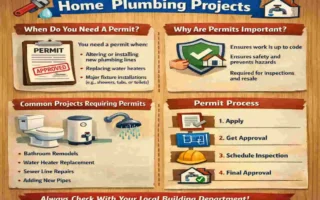
Large plumbing jobs may need city permits or inspections. Leak detection services and camera inspections can also add to the final bill.
Cleanup and Restoration Costs
If the plumber has to cut into walls, there may be extra cleanup, excavation, or wall patching after the plumbing is done.
How to Save Money on Plumbing Repairs
You can lower plumbing repair costs with a few simple habits.
Smart Ways to Save
- Schedule annual inspections and drain cleaning
- Fix small leaks early before they spread
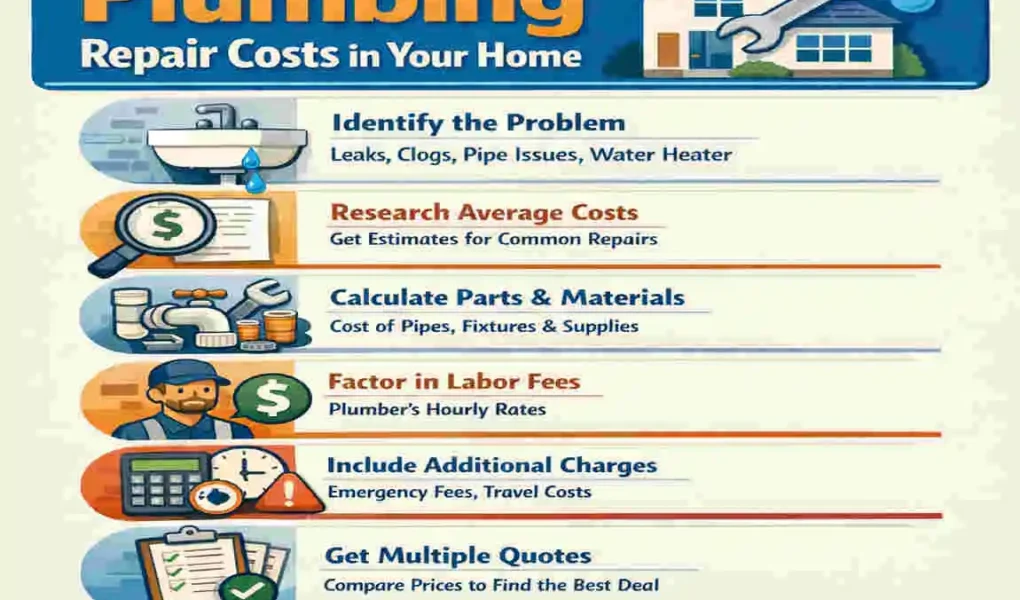
- Compare at least 3 quotes before hiring
- Ask about labour warranties and part guarantees
- Upgrade old fixtures and pipes over time
Also, shut off the water right away during a leak and avoid chemical drain cleaners, as they can damage pipes.
Questions to Ask Before Hiring a Plumber
Before you hire anyone, ask the right questions so you know what you are paying for.
- Are you licensed and insured?
- Do you provide a written estimate?
- What warranties do you offer?
- Do you handle emergency services?
- Are permits included in the quote?
It also helps to check reviews, certifications, and experience. A lower price is not always the best value.
Plumbing Repair Cost by Region
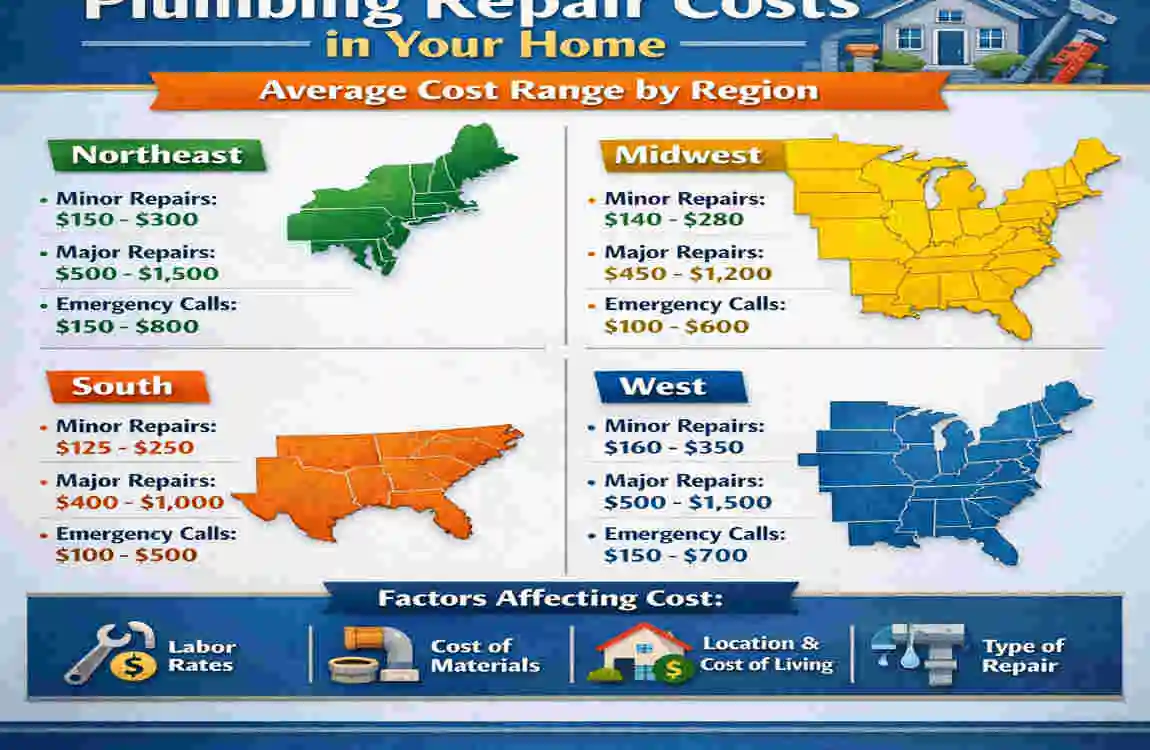
The home plumbing repair estimate can change based on where you live. Urban areas often have higher labour costs than rural areas. Cities with a higher cost of living usually charge more for both parts and labour.
Local rules can also affect pricing. In some places, permits and inspections are more expensive, which increases the total cost.
Frequently Asked Questions
How much does it cost to fix plumbing in a house?
It can range from about $100 for a small repair to several thousand dollars for major pipe or sewer work. The final price depends on the damage, labour, and materials.
What is the average plumbing repair cost?
A common repair often falls between $150 and $500, but serious problems like pipe replacement cost much more.
Does homeowners’ insurance cover plumbing repairs?
Sometimes. Insurance may cover sudden damage, but it usually does not cover gradual wear and tear or poor maintenance.
How much does it cost to replace pipes in a house?
Pipe replacement can cost $2,000 to $20,000+, depending on house size, pipe material, and access.
Is repiping a home worth it?
Yes, if your pipes are old, leaking often, or causing water pressure problems. It can prevent bigger repairs later.
Why are plumbers so expensive?
You pay for skill, tools, licensing, labour, and sometimes emergency response. Good plumbing work also helps prevent costly damage later.
How can I reduce plumbing maintenance costs?
Do regular checks, fix leaks early, avoid harsh drain cleaners, and schedule preventive service before small problems grow.