A home plumbing system works under pressure whenever water is available through the main supply. If a pipe, connection, valve, or fixture develops a problem, water can slowly escape even when nobody is using a faucet. A static plumbing test is a simple way to check whether the water-supply system maintains pressure when water is not flowing.
| Testing Location | What Is Tested | Why Test There? | Common Signs of a Problem |
|---|---|---|---|
| Main Water Supply Line | Main supply piping entering the home | Checks the overall condition of the home’s water-supply system | Pressure drops, unexplained water loss |
| Near the Water Meter | Plumbing between the meter and house | Helps determine whether water is being lost after entering the property | Meter movement when fixtures are off |
| Main Shutoff Valve | Main plumbing system after the shutoff | Provides a convenient point to isolate and test the system | Pressure does not remain stable |
| Individual Branch Lines | Separate hot or cold water branches | Helps narrow down the location of a suspected leak | Pressure loss in one section |
| Fixture Supply Lines | Pipes supplying sinks, toilets, or other fixtures | Useful when a particular fixture is suspected | Dampness, dripping, or pressure changes |
If you are wondering what is a static test for home plumbing, it is essentially a pressure check performed. In contrast, the plumbing system is isolated from normal water use. By monitoring the pressure over time, you may be able to spot signs of a possible leak or other plumbing problem.
What Is a Static Test for Home Plumbing?
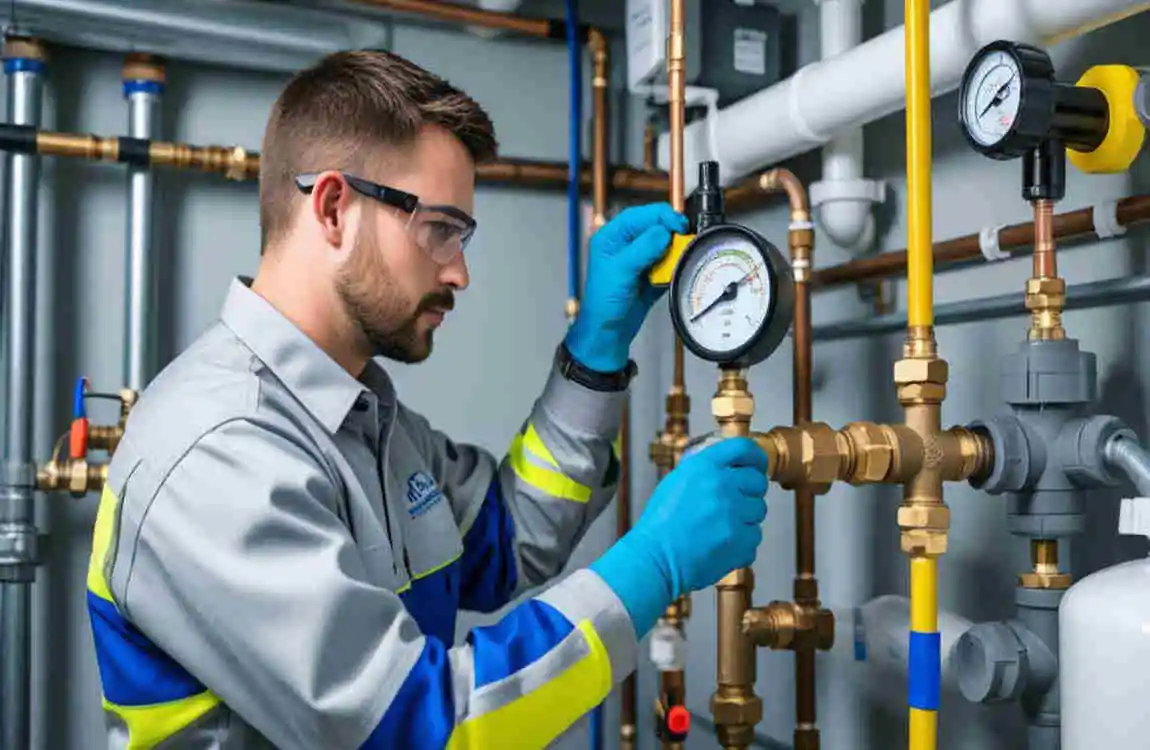
A static test checks whether a plumbing system can hold pressure while water is not actively flowing through the pipes.
During normal household use, pressure can change whenever someone opens a faucet, flushes a toilet, runs a washing machine, or uses another water fixture. A static test removes much of this normal activity, so you can observe pressure under relatively steady conditions.
How a Static Plumbing Test Works
The basic idea is straightforward. Water use is stopped, the appropriate part of the plumbing system is isolated, and a pressure gauge is connected to a suitable test point.
The starting pressure is recorded. Then observe the pressure for a specified period.
If the pressure remains reasonably stable under controlled conditions, the system may be holding pressure properly. If the pressure falls unexpectedly, it could indicate a leak, a faulty valve, a leaking fixture, or another problem that needs further investigation.
A pressure drop alone does not automatically prove that a pipe is leaking. You must also consider the testing conditions and the condition of the plumbing system.
Static Testing vs. Normal Water Use
Static refers to the fact that the water is not being actively used during the test.
This differs from checking water pressure while a faucet is running. A flowing-water test shows how the system behaves under demand, while a static test focuses on whether pressure is maintained at rest.
Why Static Testing Is Important
A plumbing leak does not always produce an obvious puddle. Some leaks occur behind walls, beneath floors, inside ceilings, or underground. By the time visible damage appears, the plumbing problem may already have existed for some time.
A static pressure test can provide an early indication that something needs attention.
Finding Possible Leaks Early
One of the main reasons homeowners use static testing is to investigate possible water-supply leaks.
If the system is properly isolated and the pressure falls without an obvious reason, the result can provide a useful clue. A plumber can then use additional inspection methods to determine where the problem may be located.
Checking Repairs
Static testing can also be useful after plumbing work.
For example, if a section of supply piping has been repaired or replaced, testing can help determine whether the repaired section is maintaining pressure. This gives the homeowner or plumber another way to check the work before the plumbing returns to normal use.
Preventing Bigger Problems
Small plumbing problems can become expensive when they remain unnoticed.
A hidden leak can damage drywall, flooring, insulation, cabinets, or other building materials. Testing can help identify a potential problem before it develops into more serious water damage.
Where Should You Conduct a Static Plumbing Test?
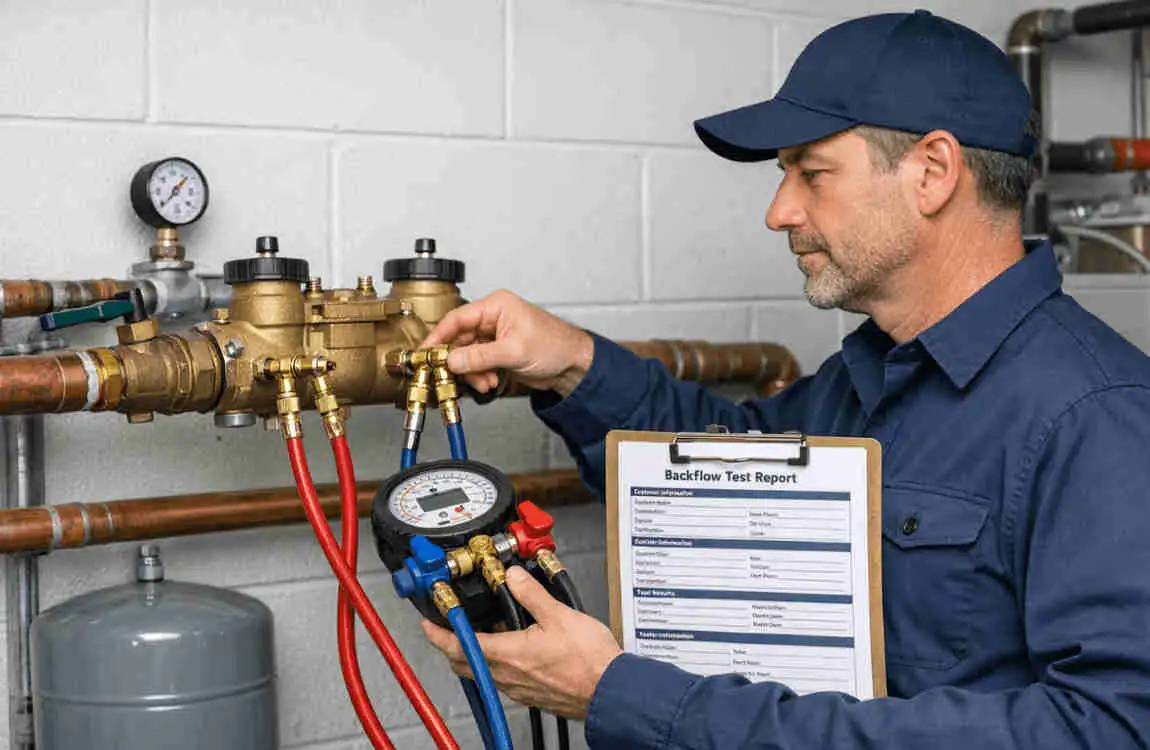
The right test location depends on the home’s plumbing layout and the test’s purpose.
In many homes, a suitable location is somewhere on the main water-supply system, where you can safely connect a pressure gauge and isolate the relevant section.
Near the Main Water Supply
A test point near the main supply can provide useful information about the overall water-supply piping.
Depending on the plumbing arrangement, this may be near the water meter or the main shutoff valve. The exact connection point varies from house to house.
The important consideration is that the gauge should measure the portion of the plumbing system you actually want to test.
At an Accessible Plumbing Connection
Some homes have accessible connections where you can attach a pressure gauge without removing major plumbing components.
An accessible connection makes testing easier and reduces the risk of damaging the plumbing during setup.
Why Test Location Matters
The gauge location affects what the result tells you.
If you test the main supply line, the result may reflect a larger portion of the system. If you isolate a smaller branch, the test can focus on that particular section.
This is why a plumber may change the test location during troubleshooting.
Testing Different Plumbing Sections
A whole-house test may show pressure changes, but it doesn’t necessarily tell you where the problem is.
In that situation, the plumbing system can sometimes be divided into smaller sections for further testing.
Testing Individual Branches
A home may have separate branches supplying bathrooms, kitchens, outdoor fixtures, laundry areas, and other parts of the property.
By isolating the right sections, a plumber may be able to narrow down the area causing pressure loss.
Testing Fixtures
Individual fixtures can also contribute to pressure loss.
A leaking faucet, toilet valve, appliance connection, or other fixture may allow water to escape from the system. You may need to isolate or inspect the fixture separately.
Isolating Pipe Sections
If a problem appears to be inside a particular section of piping, testing that section independently can provide more useful information.
This approach is especially helpful when a house has a complicated plumbing layout or when the suspected leak is hidden.
How to Perform a Static Test on Home Plumbing
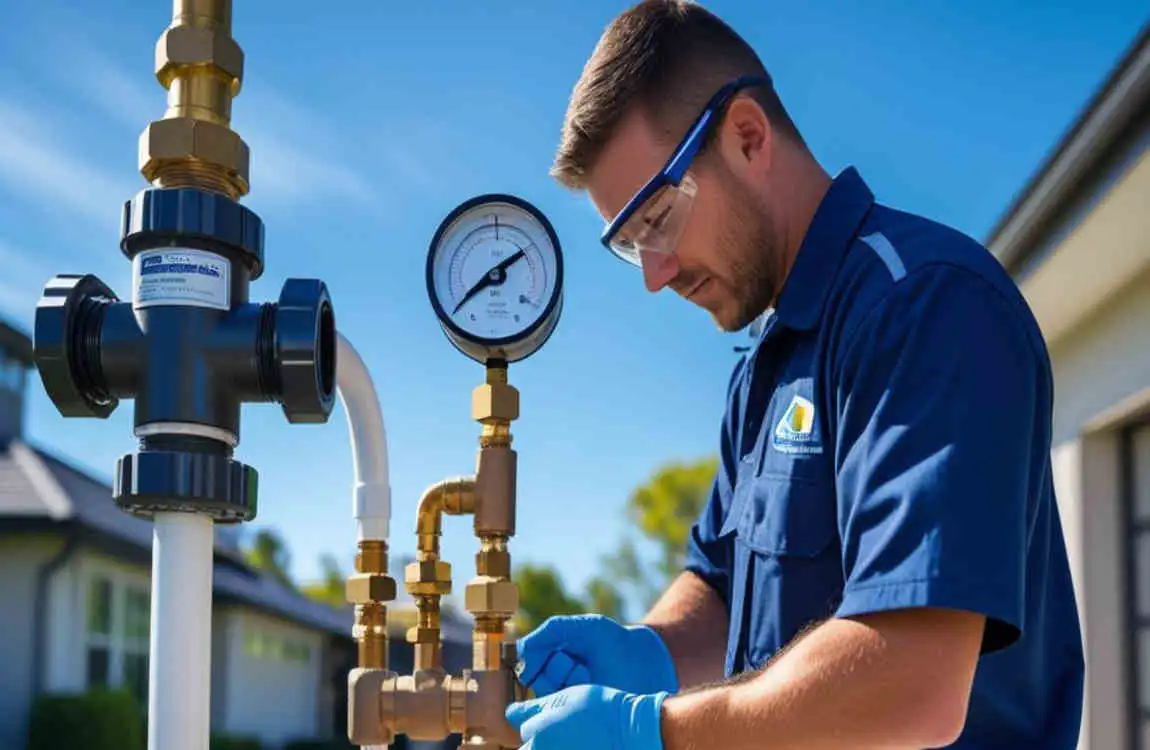
A basic static test follows a simple concept. Still, the exact procedure should match the plumbing system and the test’s purpose.
First, stop normal water use throughout the house. Make sure faucets, appliances, toilets, and other water-consuming fixtures are not operating.
Next, isolate the section being tested, if needed. Use the appropriate shutoff valves to separate the test area from other parts of the plumbing system.
Connect a suitable pressure gauge to an appropriate test point. The gauge and adapter should be compatible with the plumbing connection.
Record the initial pressure once the system has settled.
After that, observe the gauge for the required testing period. A stable reading generally suggests that the tested section is maintaining pressure. In contrast, an unexplained pressure decrease may indicate that further investigation is necessary.
Basic Things to Check Before Testing
Before beginning, make sure:
- All normal water use has stopped.
- You have isolated the correct plumbing section when required.
- The pressure gauge is suitable for the system.
- Connections are secure and do not introduce an additional leak.
- The test pressure does not exceed the system’s safe limits.
If you are unsure about the plumbing material, pressure rating, or isolation procedure, professional assistance is the safer choice.
Tools Used for the Test
A static plumbing test does not always require complicated equipment, particularly when a plumber is performing a basic pressure check.
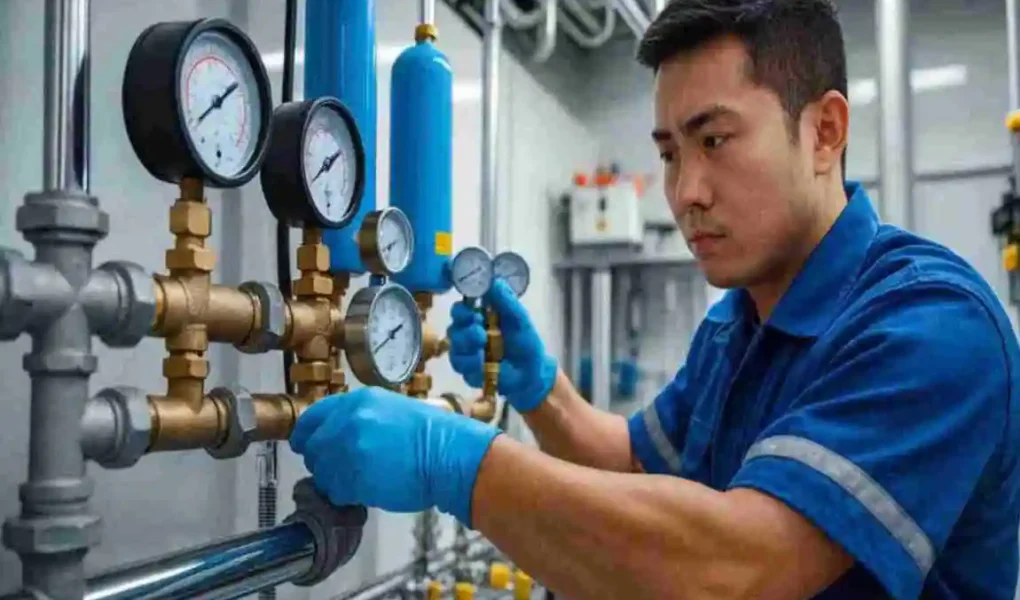
A plumbing pressure gauge is one of the most important tools because it lets you measure and monitor pressure.
Common Testing Equipment
Typical equipment may include:
Tool or Equipment Purpose
Pressure gauge Measures water pressure in the tested system
Adapters Connects the gauge to the appropriate plumbing connection
Shutoff valves Helps isolate the section being tested
Plumbing fittings Provides secure connections between components
Test equipment Allows a plumber to perform more controlled testing when required
Professional plumbers may also use specialized equipment when investigating difficult or hidden leaks.
The equipment should always be properly rated for the plumbing system. Using an unsuitable gauge, adapter, or testing method can create inaccurate results or damage the plumbing.
How to Read Static Test Results
Reading the pressure gauge is only one part of the process. You also need to understand what the pressure behavior means.
A stable pressure reading generally indicates that the tested system is maintaining pressure under test conditions.
A noticeable pressure decrease can indicate that water is escaping somewhere. Still, it shouldn’t be treated as proof of a leaking pipe.
What Stable Pressure Can Tell You
If pressure remains stable during a properly controlled test, the tested section may be holding pressure as expected.
This can provide reassurance, particularly after repair work or when investigating a suspected leak.
However, no single test should be treated as a guarantee that every plumbing component in the house is problem-free.
What a Pressure Drop Can Tell You
An unexpected pressure drop means you should investigate.
Possible explanations include a hidden leak, a leaking fixture, a faulty valve, temperature-related pressure changes, or a test setup issue.
A plumber can use additional checks to determine the actual cause.
What Can Cause Pressure Loss?
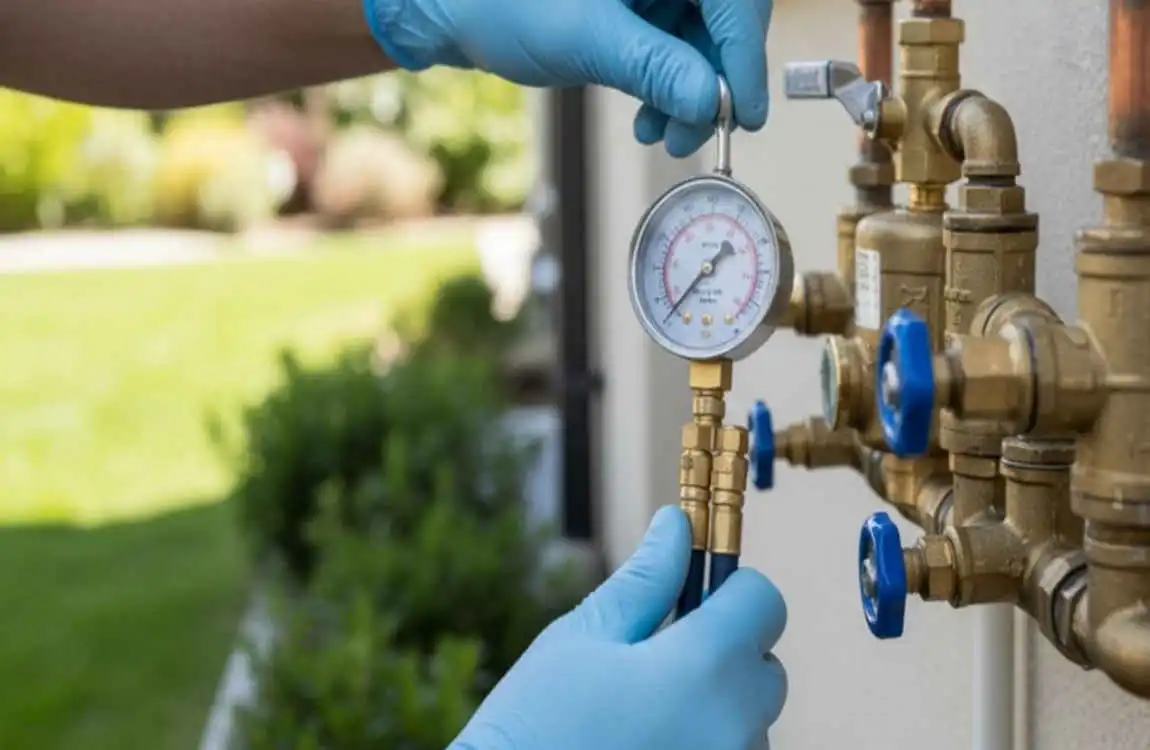
Pressure loss during a static test can have several explanations. A leaking pipe is one possibility, but it is not the only one.
Hidden Plumbing Leaks
A damaged supply pipe behind a wall or underneath a floor can allow water to escape without producing an immediately visible leak.
If the system has been properly isolated and pressure continues to fall, you may need to investigate hidden leakage.
Faulty Valves
A valve that doesn’t close completely can allow water to move into another part of the plumbing system. This can affect the test result and make it appear as though the tested section is losing pressure.
Leaking Fixtures
Fixtures and appliances can sometimes contribute to pressure loss.
When troubleshooting an unexplained pressure change, consider toilets, faucets, water-connected appliances, and other components.
Temperature Changes
Water temperature can affect pressure readings in a closed plumbing system.
For this reason, consider testing conditions and environmental changes before interpreting a small pressure variation as evidence of a leak.
Plumbing Connections
Loose or damaged connections can also cause problems.
Check the connection used to attach the test gauge carefully, because an improperly sealed connection can cause a misleading pressure drop.
When Should You Call a Professional Plumber?
A basic pressure check may seem simple, but professional testing is especially useful when the plumbing system is complicated or the suspected problem is hard to access.
Consider professional help when you suspect a hidden leak behind walls, under floors, or beneath the property.
A plumber can also help when you don’t know which valves to close, what pressure the system can safely handle, or where the appropriate test point is located.
Hidden or Inaccessible Plumbing
If the plumbing runs through walls, concrete floors, crawl spaces, or other difficult areas, locating a suspected leak can require specialized methods.
A pressure test can be a useful starting point, but you may need additional inspection.
Older or Unfamiliar Plumbing
Different homes can contain different pipe materials, fittings, valves, and plumbing configurations.
If you are unfamiliar with your system, avoid applying pressure simply because a particular testing method worked on another house.
Specialized Testing
Professional plumbers may have equipment designed for more advanced leak detection and pressure testing.
They can also interpret the results in relation to the specific plumbing installation and applicable requirements.
Safety and Testing Precautions
Safety should always come first when testing plumbing.
Never apply excessive pressure simply to see whether a system holds. Plumbing components have limitations, and older or damaged systems may be especially vulnerable.
Use equipment that is properly rated for the pressure and plumbing materials involved.
Also avoid forcing valves, fittings, or connections that are difficult to operate. A damaged valve can create a separate plumbing problem.
If you are uncertain about the system’s materials, condition, or pressure limitations, have a qualified plumber perform the test.
The test should also follow any applicable local plumbing requirements. Requirements vary by the type of plumbing work and location.
FAQ About Static Testing in Home Plumbing
What is a static test for home plumbing?
A static test checks whether a plumbing system can maintain pressure when water is not actively flowing through the pipes. It can help identify possible leaks or other problems affecting the water-supply system.
Where is the best place to conduct a static plumbing test?
A suitable test point is generally located on the home’s water-supply system, such as an accessible connection near the main supply or water meter. The best location depends on the plumbing layout and which section you want to test.
How long should a plumbing static test take?
The appropriate testing period depends on the test’s purpose, the plumbing system, and applicable local requirements. A professional plumber can determine a suitable testing period for the particular situation.
Does a static test detect hidden plumbing leaks?
A static test can indicate a possible leak when pressure falls unexpectedly. However, it usually does not identify the exact location of the leak. You may need additional inspection to confirm and locate the problem.
Can I perform a static plumbing test myself?
A basic pressure check may be possible if you have suitable equipment and understand your plumbing system. However, professional testing is recommended if the system is complex, inaccessible, old, or if you suspect a significant leak.
What does a pressure drop during a static test mean?
An unexplained pressure drop can indicate leakage, but it can also result from faulty valves, leaking fixtures, temperature changes, plumbing connections, or testing conditions. The result should therefore be investigated rather than automatically considered proof of a leak.