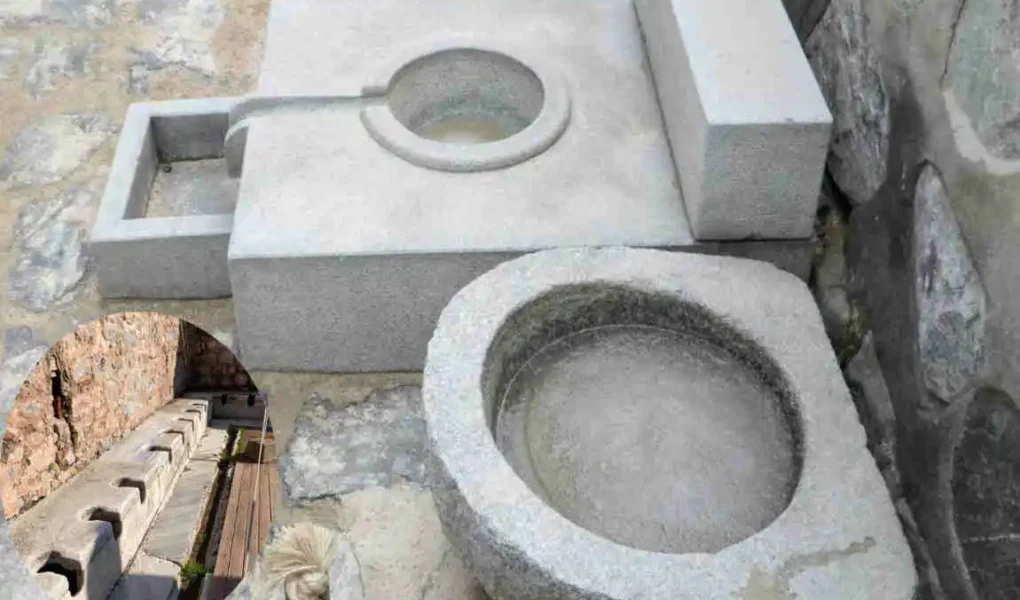
The White House opened as the presidential residence in 1800, when John Adams moved into the unfinished building. At the time, modern indoor plumbing did not exist there as we understand it today.
One important early development came during Thomas Jefferson’s presidency. Jefferson ordered the outdoor wooden privy to be removed and had two water closets installed upstairs. These early facilities show that plumbing improvements began before the White House received a broader running-water system.
| Topic | Historical Information |
|---|---|
| White House construction | Construction began in 1792, and the building was first occupied in 1800. |
| Early water facilities | The early White House did not have the modern indoor plumbing system people are familiar with today. Water had to be obtained and managed using much more basic methods. |
| First plumbing improvements | Plumbing and water systems were introduced gradually during the 19th century as Washington, D.C., developed its water infrastructure. |
| Indoor running water | Running water was introduced to the White House during the 19th century, with plumbing improvements continuing over subsequent decades. |
| Indoor toilets | Toilets and other sanitary fixtures became part of the White House as indoor plumbing developed, replacing older sanitation practices. |
| Major modernization | Later renovations significantly expanded and modernized the building’s plumbing, water supply, and sanitation systems. |
The major turning point came in 1833 during Andrew Jackson’s presidency. Water was piped into the White House through reservoirs, pumps, and pipes. The initial purpose was largely to provide drinking water and support fire protection. Still, the new supply soon enabled other indoor water facilities.
The Early White House and Its Plumbing Conditions
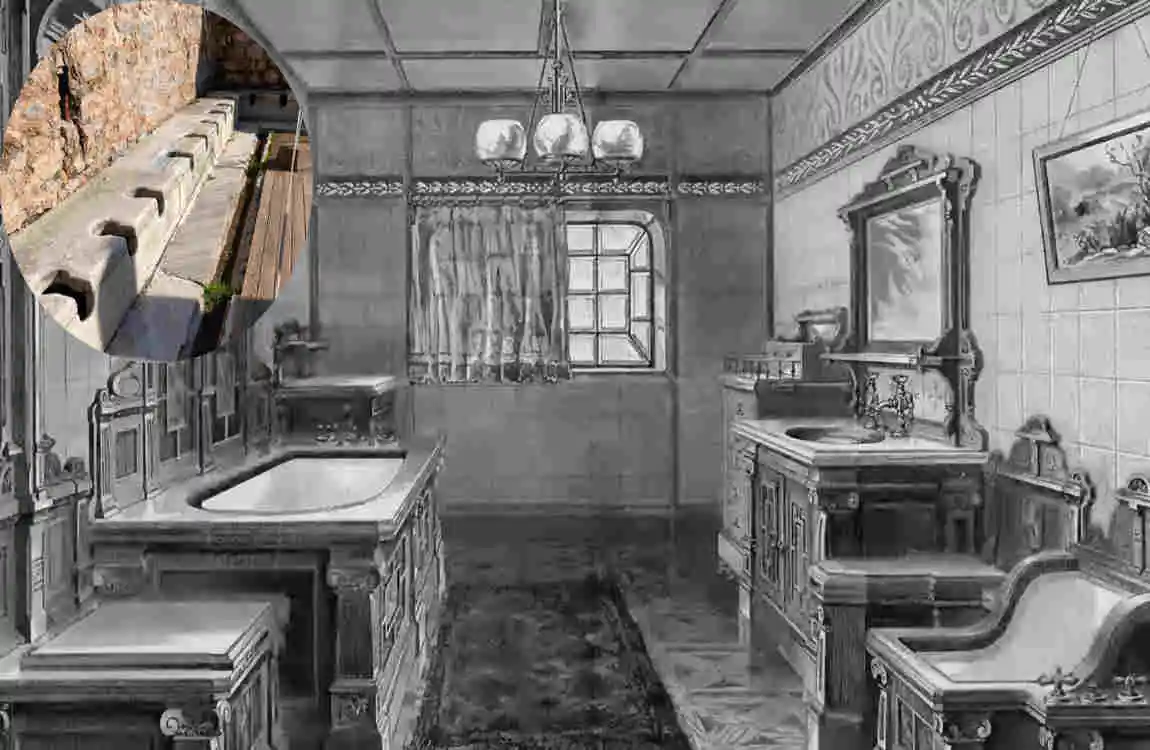
Life inside the early White House differed greatly from modern presidential life.
Water was not simply available from a faucet in every room. Residents and staff relied on older methods to obtain and use water. The first bathtubs, for example, were portable tin tubs, and people had to carry water in buckets.
The building’s size also created practical challenges. Supplying water to a large residence required pumps, reservoirs, pipes, and workers to manage the system.
Life Before Modern Plumbing
Before convenient indoor plumbing, bathing could be labor-intensive.
People could bring a portable tub into a room, fill it with water, and later empty it. This meant that a simple bath required considerably more effort than turning on a faucet.
Sanitation was also handled differently. People used outdoor privies and other facilities instead of the private indoor bathrooms we expect today.
Even after water entered the White House, indoor plumbing remained limited. Historical records indicate that running water was initially available only in selected areas, not throughout the building.
This is an important distinction. Having pipes carrying water into a building did not mean that every room had a modern bathroom.
Water Supply in Early Washington
Washington, D.C.’s water infrastructure was also developing during this period.
In 1833, engineer Robert Leckie helped create a system of reservoirs, pumps, and pipes that supplied water to the White House and several government buildings. The water came from a spring near what is now Franklin Square and was moved through the developing system toward government buildings.
This improvement was significant because it provided a more dependable water source close to the presidential residence.
The original system was not designed to provide modern household convenience. Drinking water and fire protection were major reasons for its introduction. But once water was available inside the building, it enabled additional uses.
When Did the White House Get Indoor Plumbing?
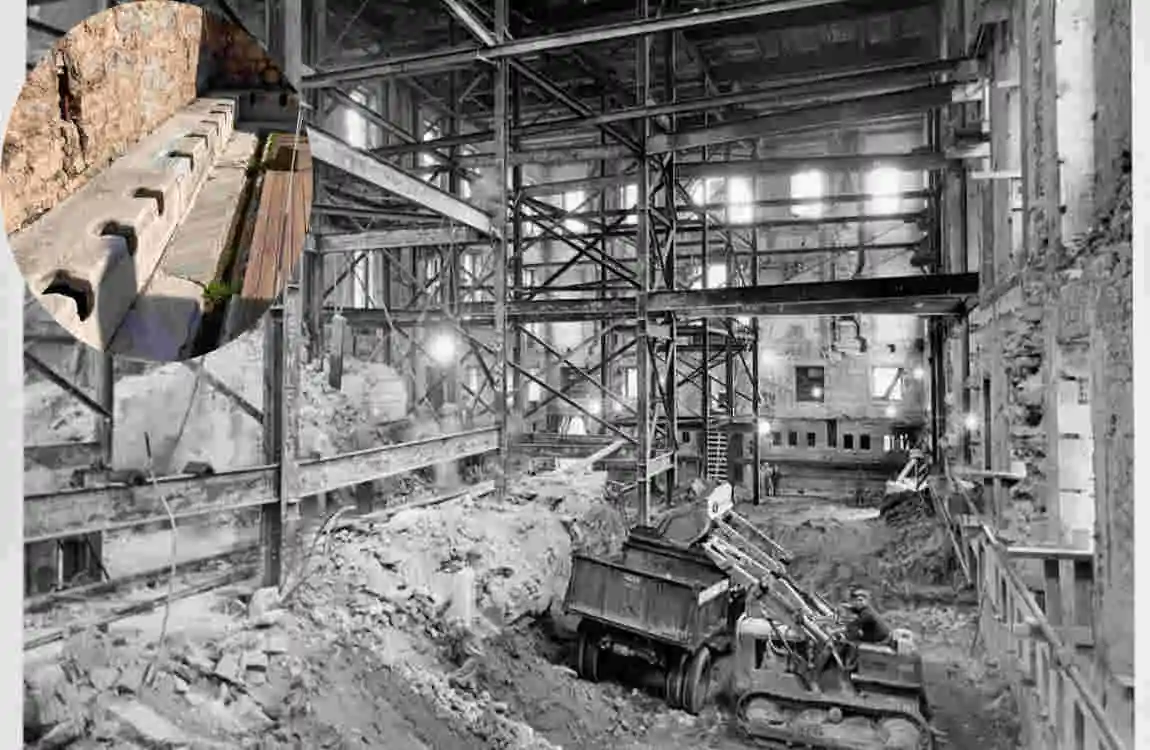
The most useful answer is 1833 for the introduction of running water, while recognizing that plumbing facilities had been developing before and after that date.
The historical record does not support the idea that the White House suddenly received a complete modern plumbing system on one particular day. Instead, different fixtures and water systems appeared at different times.
Thomas Jefferson had already introduced two water closets during his presidency. Later, Andrew Jackson’s administration brought running water into the building in 1833 and created an indoor bathing room.
By 1853, the plumbing had developed further. Records indicate that the White House’s second floor had central plumbing, including hot- and cold-water taps. A permanent bathtub with hot and cold running water replaced the earlier portable tubs in the president’s quarters.
Early Plumbing Improvements
The early plumbing system was modest compared with modern standards.
Water had to be moved through pipes and managed using pumps and reservoirs. The technology was useful, but it did not provide the effortless water service found in a contemporary home.
The White House continued receiving improvements as plumbing technology developed in the United States.
Historical records also show that plumbing fixtures became increasingly common in large buildings during the 19th century. The White House followed this broader trend, although its facilities developed in stages.
By 1876, a 2,000-gallon tank had been installed in the White House attic to help supply water throughout the building. This represented another important step in expanding the water system.
Toilets, Running Water, and Bathrooms
Early water closets did not match modern toilets.
A water closet generally referred to a toilet using water for waste removal. Still, early systems varied significantly in design and performance.
The White House also had an important difference between facilities available to the presidential family and those available to servants.
Historical information indicates that servants did not immediately receive the same access to indoor bathrooms. Servants continued using portable tubs and privies even after plumbing improvements had been introduced in parts of the building.
This illustrates how early indoor plumbing was often considered a convenience for particular parts of a building rather than a universal feature.
How Plumbing Changed Life Inside the White House
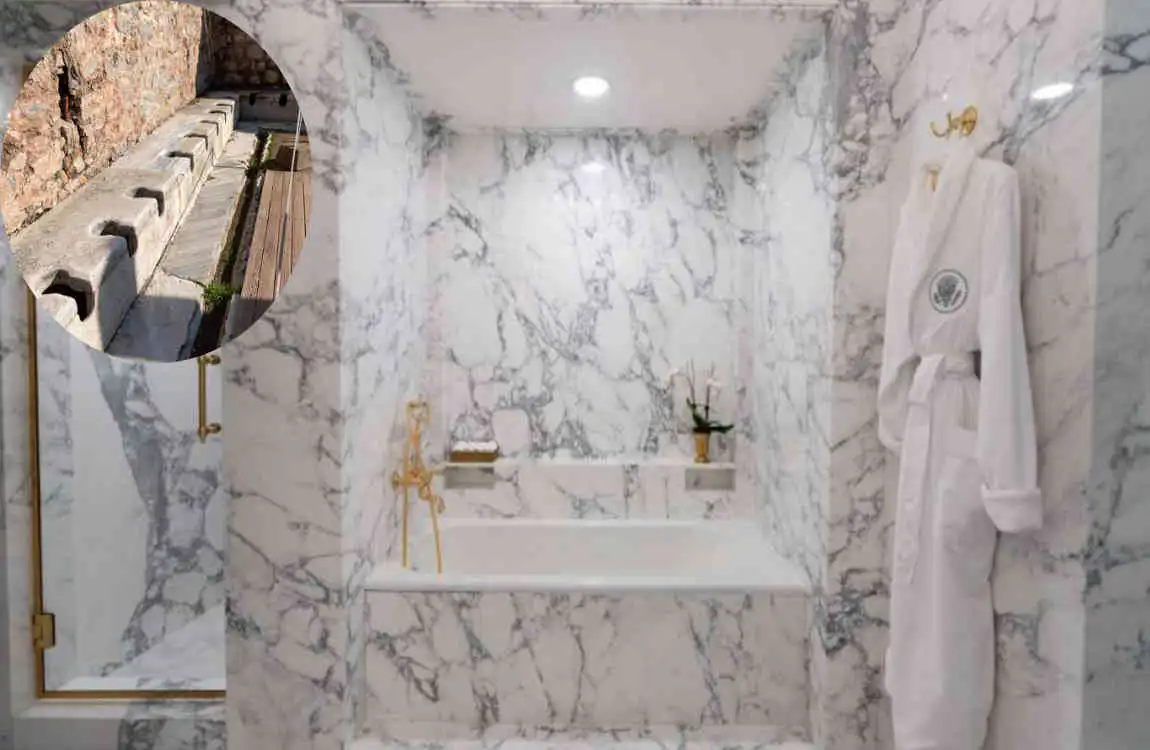
The arrival of running water gradually changed everyday life inside the presidential residence.
Instead of carrying water by hand, residents could access it more easily in selected parts of the building.
The changes affected bathing, drinking water, cleaning, cooking, and sanitation.
Better Hygiene and Sanitation
Indoor water made personal hygiene considerably easier.
A bathing room connected to the water system gave residents access to facilities that were more convenient than portable tubs filled manually. The White House’s 1830s bathing room included a cold bath, shower, and hot bath.
Later access to hot and cold running water made bathing even more practical.
However, the development was gradual. Plumbing did not immediately transform every part of the White House. Some areas continued using older methods for years.
This gradual transition was typical of the period. New technology was introduced where it was most useful, and additional improvements followed as funding, infrastructure, and technology allowed.
Impact on Presidential Life
For presidents and their families, better plumbing made the White House more comfortable.
Running water reduced the amount of work involved in obtaining water for certain daily activities. It also helped make bathing and cleaning more convenient.
These changes mattered because the White House was not only a residence. It was also a workplace, reception space, and center of government activity.
Many employees, visitors, and guests used the building. As the country and federal government expanded, reliable water and sanitation became increasingly important.
The introduction of plumbing therefore represented more than a household convenience. It marked the White House’s transition from an early 19th-century residence into a complex modern government building.
Major White House Plumbing Upgrades Over Time
The White House plumbing system continued changing long after running water was first introduced.
The building went through numerous renovations and technology upgrades, and plumbing became part of a much larger network of modern building systems.
The major developments included:
- Early 1800s: Jefferson introduced two water closets.
- 1833: Running water was piped into the White House.
- 1830s: An indoor bathing room was established.
- 1853: Hot and cold running water reached the first family’s second-floor bathroom.
- 1876: A large attic water tank helped distribute water throughout the building.
- Later renovations: Plumbing and sanitation systems were expanded and modernized.
19th-Century Developments
The 19th century brought major technological change to the White House.
Running water arrived in 1833. Gas lighting followed in 1848, and heating systems were also improved during this period. These developments gradually made the building more comfortable and functional.
The plumbing system was similarly expanded over time.
By the 1850s, the White House had more advanced water facilities than it had possessed only a few decades earlier. Hot and cold water became available in important residential areas.
This was still far from today’s plumbing standards, but it represented a significant improvement.
Modern Plumbing Systems
As the White House underwent additional renovations, its plumbing became part of a much more sophisticated building infrastructure.
Modern presidential facilities require dependable water supply, wastewater removal, sanitation, heating, cooling, and other building services.
The White House has therefore gone through repeated modernization rather than keeping its original 19th-century plumbing system unchanged.
The key point is that White House plumbing reflects more than two centuries of upgrades.
White House Plumbing History: Key Facts to Know
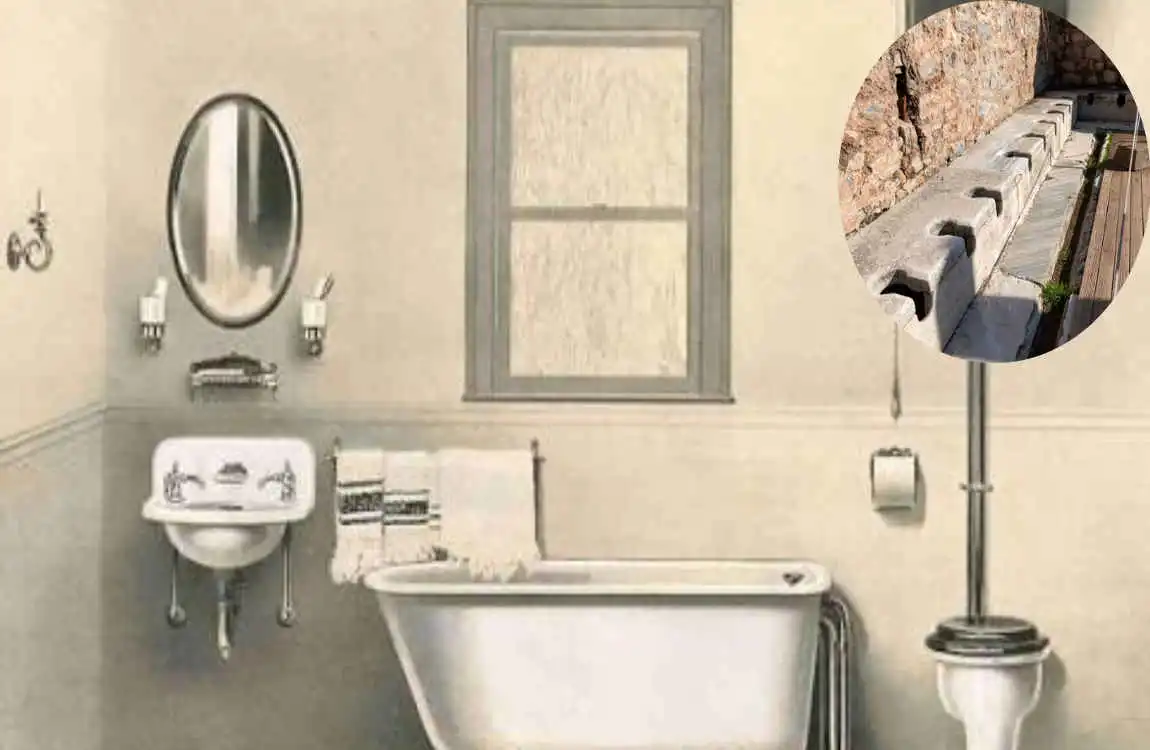
Topic Key Information
Early White House Early residents relied on wells, pumps, buckets, portable tubs, and privies.
Jefferson-era improvements Two water closets were installed during Thomas Jefferson’s presidency.
Running Water Water was piped into the White House in 1833
Indoor Bathing An indoor bathing room was established in the East Wing in the 1830s
Hot and Cold Water By 1853, the first family’s second-floor bathroom had hot and cold running water
Water Storage A 2,000-gallon attic tank was installed by 1876
Later Renovations Plumbing continued to expand and modernize
Today The White House has sophisticated modern water and sanitation infrastructure
The timeline makes one fact especially clear: 1833 is the landmark year for running water at the White House, but indoor plumbing developed gradually before and after that date.
Frequently Asked Questions About White House Plumbing
When did the White House get indoor plumbing?
The White House received running water in 1833 during Andrew Jackson’s presidency. However, plumbing improvements had begun earlier, including two water closets installed during Thomas Jefferson’s presidency. The plumbing system continued expanding throughout the 19th century.
Did the White House have toilets before indoor plumbing?
Yes. Thomas Jefferson ordered the outdoor wooden privy removed and had two water closets installed upstairs. These early facilities existed before the broader running-water system introduced in 1833.
When did the White House get running water?
The White House received running water in 1833. The original system was designed primarily to provide drinking water and support fire protection. Still, it soon supported other uses, including an indoor bathing room.
Who was the first president to use indoor plumbing?
Thomas Jefferson’s administration is associated with some of the earliest documented plumbing improvements, including two water closets. Andrew Jackson’s presidency saw the introduction of running water and an indoor bathing room in 1833. Because plumbing was introduced in stages, identifying one president as the first user of a complete indoor plumbing system would be misleading.
Did the White House have bathrooms in the 1800s?
Yes. The East Wing established an indoor bathing room in the 1830s. By 1853, the first family’s second-floor bathroom had hot and cold running water. However, facilities were not equally available throughout the building, and servants continued using less convenient bathing and sanitation arrangements for some time.
Has the White House plumbing system been renovated?
Yes. The White House has undergone many improvements and renovations over its long history. Its water and sanitation systems were expanded as building technology changed, including the addition of larger water-storage and distribution systems in the 19th century. Later modernization projects created the sophisticated infrastructure the building needs today.