House Siding Costs
CONSTRUCTION

House Siding Costs: Complete Pricing Guide for Homeowners

Are you standing in your driveway, looking at your home’s exterior, and feeling a little underwhelmed? Maybe the paint is peeling, the boards are cracking, or the color has faded from years of harsh sunlight. If you are nodding your head, you are probably asking yourself a very important question right now: how much does new siding for a house cost?

You are certainly not alone in asking this. Every year, millions of homeowners decide it is time to give their property a fresh, protective facelift. Upgrading your exterior walls is one of the most exciting and rewarding home improvement projects you can take on. However, it is also a significant financial investment. Knowing exactly what to expect when it comes to pricing is the very first step toward making a smart, confident decision.

the national average to reside in a typical American home falls anywhere between $10,000 and $30,000. That is quite a broad range, right? The reason for this wide gap is that your final bill depends on several unique factors. The materials you choose, the size of your property, your geographic location, and the current condition of your exterior all play a massive role in the final price tag.

Let us look at some quick numbers to put things into perspective. The average size of a single-family home in the United States is roughly 2,500 square feet. Covering a house of this size requires a lot of material and significant labor. But do not let the initial numbers scare you away. Upgrading your exterior is not just an expense; it is a true investment.

Understanding Average House Siding Costs

House Siding Costs

When you start researching new siding prices in 2026, the numbers can quickly become overwhelming. Contractors throw around terms like “squares,” “linear feet,” and “underlayment.” Let us simplify all of that right now. We are going to look at the numbers in a way that makes complete sense for your everyday budget.

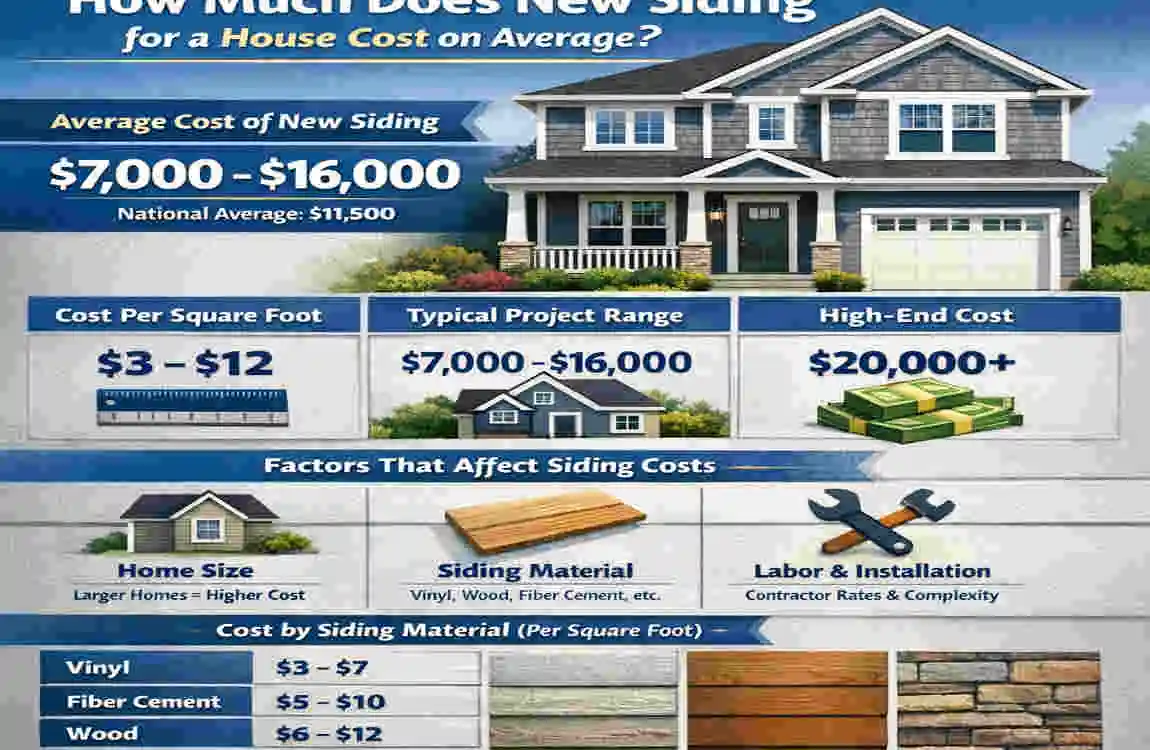
Across the United States, the national average cost of materials alone ranges from $5 to $15 per square foot. However, unless you are planning to nail every single board to the wall by yourself, you also have to pay for labor.

When you factor in the cost of professional installation, the total project cost ranges from $7 to $25 per square foot. This inclusive number covers the fresh materials, the labor of the construction crew, and the removal of your old, worn-out exterior.

How Home Size Changes Your Bill

The biggest factor influencing your house residing cost is the physical size of your property. Simply put, a larger house requires more boards, more nails, and more hours of hard work from the installation crew.

Let us look at a few realistic examples. If you own a cozy, single-story ranch home that measures about 1,500 square feet, your total project cost will likely land comfortably around the $12,000 mark. This is a very manageable project that a crew can finish in just a few days.

On the other hand, if you live in a sprawling 3,500-square-foot luxury home, you are looking at a much larger undertaking. For a house of this size, total costs can easily climb to $35,000 or even $45,000, depending on the premium materials you select.

Single-Story vs. Two-Story Homes

The square footage of your floor plan is not the only measurement that matters. The vertical height of your home is just as important.

If you own a two-story or three-story home, you should expect your labor costs to increase by roughly 20%. Why does this happen? Working at high heights requires specialized safety gear, tall ladders, and expensive scaffolding.

The installation crew has to move more slowly to stay safe while lifting heavy materials high into the air. This extra time and the required safety equipment naturally drive up the project’s final price.

Regional Price Variations

Where you live plays a massive role in your overall costs. If you live in areas with a high cost of living, such as California, New York, or Massachusetts, you will likely pay more for labor. Workers in these states need higher wages to cover their living expenses.

Conversely, if you live in the Midwest or the South, your local labor rates will be noticeably lower. A project that costs $25,000 in Los Angeles costs $18,000 in Ohio.

Comprehensive Siding Material Cost Breakdown

Choosing the right material for your home is the most important decision you will make during this project. Your choice affects not only the upfront cost of house siding, but also how much time you will spend on maintenance in the years to come.

Some materials are incredibly cheap to buy but require painting every few years. Other materials are expensive upfront but will last for decades with zero effort on your part. Let us compare the most popular types so you can find the perfect match for your lifestyle and budget.

Material Cost/Sq Ft, Installed Cost/Sq Ft, Durability (Years), Maintenance

Vinyl $3–$8 $4–$10 20–40 Low

Fiber Cement $6–$12 $7–$14 50+ Medium

Aluminum $4–$9 $5–$11 30–50 Low

Wood $5–$15 $6–$17 20–40 High

Vinyl Siding Cost: The Budget-Friendly Favorite

When people ask, “How much does new siding for a house cost at $7/sq ft?” they are usually talking about vinyl. Vinyl is by far the most popular choice in North America, and it is easy to see why.

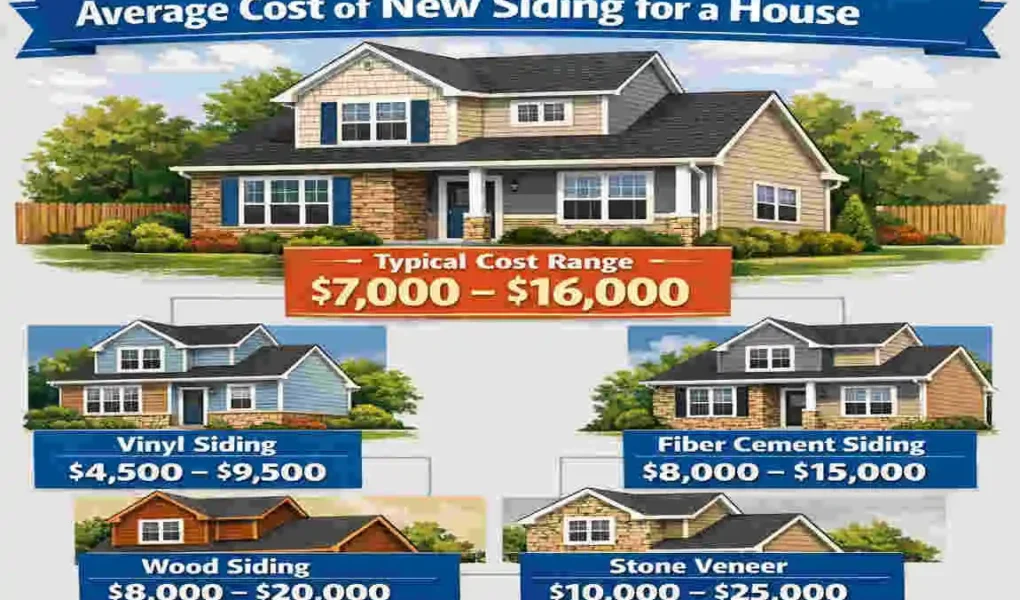
Vinyl is basically a tough, weather-resistant plastic. The material cost is very friendly, ranging from $3 to $8 per square foot. Once you add the labor, the vinyl siding cost usually lands between $4 and $10 per square foot installed.

Why do so many homeowners love vinyl? First, it is incredibly kind to your wallet. If you are renovating a home on a strict budget, vinyl is your best friend. Second, it requires almost zero maintenance. You never have to paint, scrape, or seal it. A quick wash with a garden hose once a year is usually all it takes to keep it looking brand new.

However, standard vinyl does have a few drawbacks. Extremely cold weather can make the panels brittle and prone to cracking if bumped. Additionally, while modern vinyl looks great, it does not quite capture the authentic, rich texture of real wood.

Fiber Cement Siding Price: Tough as Nails

If you want a material that combines incredible durability with a stunning, high-end appearance, look no further than fiber cement. This innovative product is made by mixing wood fibers, sand, and cement together. The result is a heavy, rugged board that looks exactly like real wood but performs like concrete.

The fiber cement siding price generally runs between $6 and $12 per square foot for the raw materials. When installed by professionals, you can expect to pay between $7 and $14 per square foot.

Fiber cement is a favorite in areas prone to extreme weather. It is completely fire-resistant, impervious to hungry termites, and will not rot even in damp climates. Many manufacturers offer warranties that last up to 50 years.

The catch? It is very heavy. Installing fiber cement requires specialized cutting tools and a larger crew, which is why labor costs are higher than for vinyl. It also requires repainting every 10 to 15 years to keep the color looking sharp.

Aluminum Siding: The Unsung Hero

Aluminum often gets overlooked, but it is a fantastic option, especially if you live near the ocean. The raw materials cost about $4 to $9 per square foot, bringing the installed price to roughly $5 to $11 per square foot.

Because it is metal, aluminum is completely waterproof and will never rust. It is also an excellent insulator, helping to keep your home cool in the summer and warm in the winter. It provides a sleek, modern look that many contemporary homeowners love.

The main downside to aluminum is that it can dent. If a heavy hail storm rolls through, or if a neighborhood kid hits a baseball against your house, you might be left with a permanent dimple in your wall. Over time, the factory paint can also become chalky and fade in direct sunlight.

Wood Siding: The Classic Beauty

Nothing beats the warm, natural charm of real wood. Whether you prefer rustic cedar shakes, elegant pine lap boards, or trendy vertical panels, wood offers a timeless curb appeal that artificial materials cannot replicate.

Wood is considered a premium choice. The materials range from $5 to $15 per square foot, depending on the species of tree you select. Cedar and redwood are much more expensive than basic pine. With labor included, your total cost will be around $6 to $17 per square foot.

While wood is incredibly beautiful, it is also very demanding. You must commit to a strict maintenance routine. Wood needs to be repainted, stained, or sealed every few years to protect it from moisture. If you neglect it, wood will warp, rot, and attract damaging insects like termites and carpenter ants.

Key Factors Affecting Your House Siding Cost

By now, you understand that picking a material sets your baseline budget. However, that is just the beginning of the story. Several other crucial factors will push your final estimate up or down.

When a contractor hands you a quote, they are taking all of the following variables into account. Understanding these factors will help you see exactly where your hard-earned money is going.

The Heavy Impact of Labor Rates

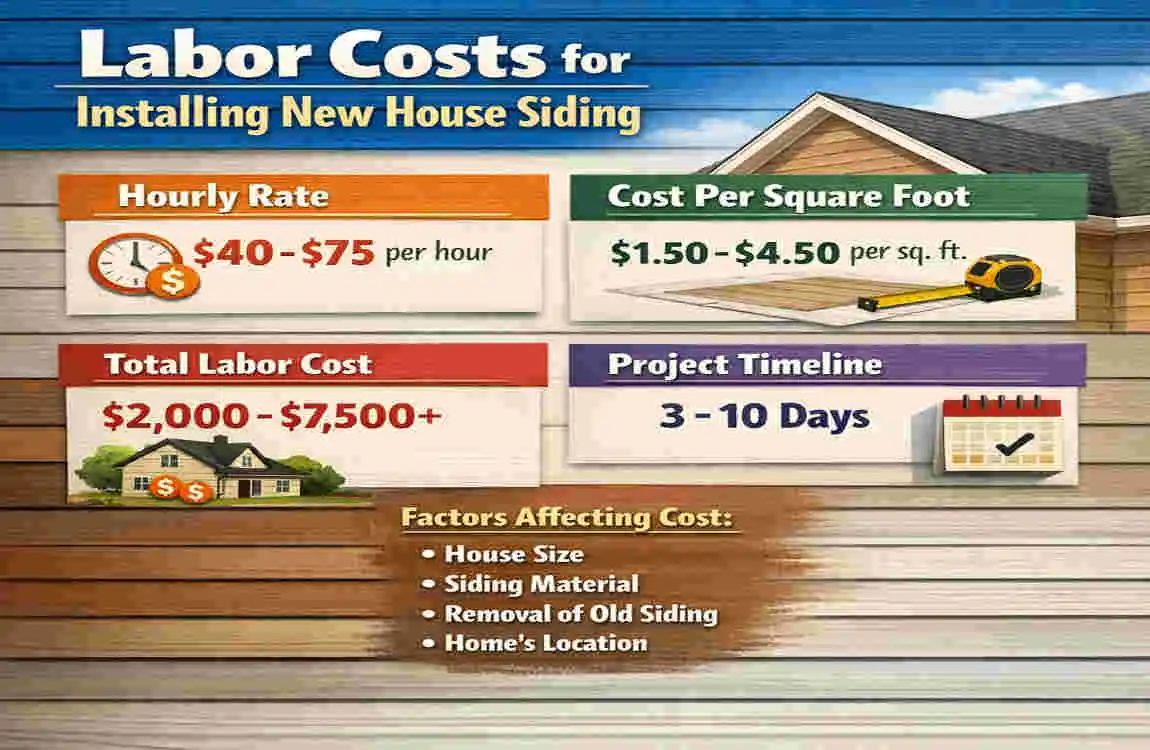
You might be surprised to learn that the physical materials only make up about half of your total bill. The other half goes directly to labor. In fact, labor accounts for roughly 40% to 60% of any exterior renovation project.

On average, you are paying contractors  $2 to $5 per square foot for their time and expertise. Installing exterior walls is hard, physical labor. It requires precision, stamina, and years of experience to make sure everything is perfectly level and watertight. As mentioned earlier, if you live in a bustling city with a high cost of living, these hourly labor rates will be at the higher end of the spectrum.

Tearing Down the Old to Make Way for the New

Before the beautiful home new boards can go up, the old, ugly ones have to come down. Removing and disposing of your existing exterior materials is a messy, time-consuming job.

Contractors typically charge an extra $1 to $2 per square foot for removal. This fee covers the physical labor of prying off the old boards, pulling out thousands of rusty nails, and safely hauling the debris away to a local landfill.

Home Layout, Access, and Preparation

Not all houses are shaped like simple square boxes. If your home has a complex architectural design, your siding installation cost per sq ft will increase.

Think about the shape of your house. Do you have multiple rooflines, dormer windows, or rounded turrets? Do you have very steep roofs that make it hard to place ladders safely? Contractors have to spend extra time making precise, complicated cuts to fit the materials around these unique features. Generally, a complex home layout will add about 15% to your overall labor costs.

Furthermore, if your home is surrounded by dense bushes, delicate flower beds, or tight fencing, the crew will have a harder time moving around. Limited access slows down the project, and time is money.

Location and Specific Climate Needs

Your local weather patterns dictate what kind of protection your house needs. If you live in a region with freezing, brutal winters, standard materials might not be enough to keep your family comfortable.

Homeowners in cold climates often choose insulated siding. These premium panels have a thick layer of rigid foam attached to the back. This foam acts like a warm blanket for your home, trapping heat and lowering your winter energy bills. While this saves you money in the long run, insulated options cost more upfront.

Permits and HOA Bureaucracy

Before any hammers swing, you have to deal with paperwork. Almost every city and county requires a building permit for major exterior renovations. The cost of these permits varies widely by local government. Still, you should budget  $500 to $2,000 for legal paperwork.

Additionally, if you live in a neighborhood governed by a Homeowner Association (HOA), you have another hurdle to clear. HOAs often have strict rules about what materials and colors you are allowed to use. Getting their approval can sometimes involve paying application fees.

Quick Bullet Savings Tips for Savvy Homeowners

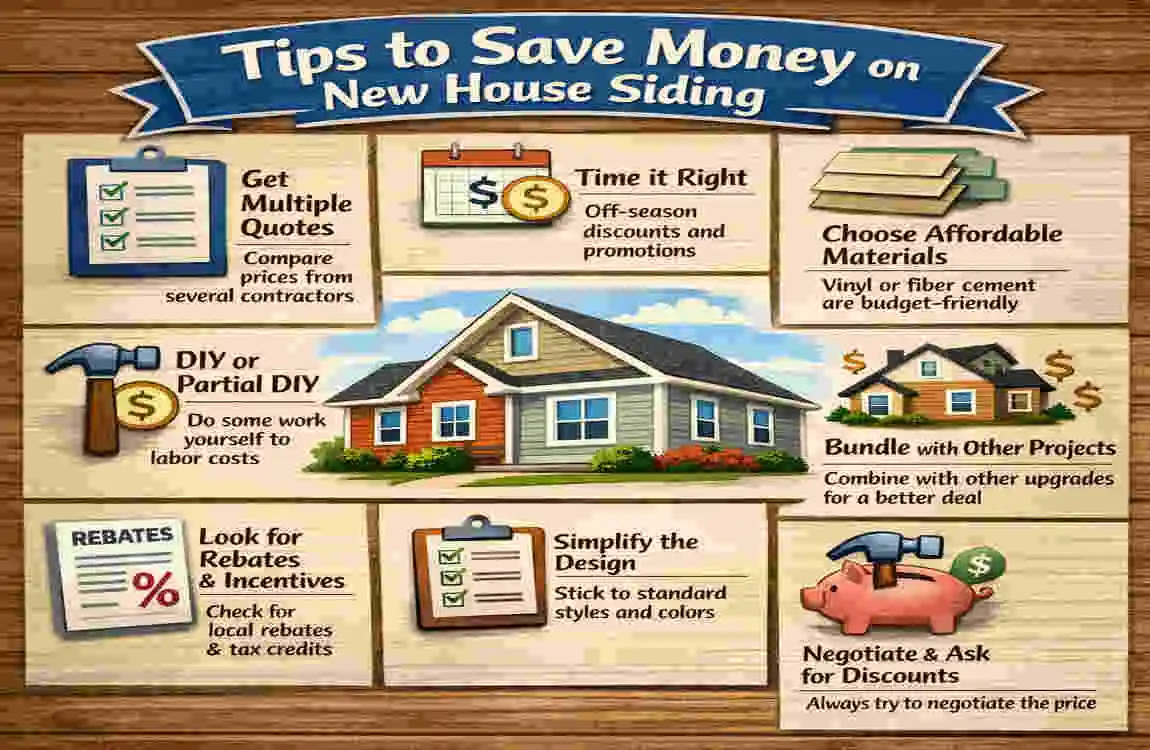
Want to keep these extra costs under control? Here are a few clever ways to shrink your bill:

  • Do the Prep Work Yourself: Spend a weekend trimming back your heavy bushes and clearing away outdoor furniture so the crew has easy access to your walls.
  • Book During the Off-Season: Contractors are swamped during the spring and summer. If you schedule your project for late fall or winter, many companies will offer a discount to keep their crews busy.
  • Handle the Demolition: If you are handy and careful, you can tear off the old exterior materials yourself before the professionals arrive. Just be sure you know how to dispose of the waste safely!

Additional Installation Expenses to Keep in Mind

We want to make sure you are completely prepared for your project, which means talking about the “hidden” costs. When people calculate the cost of their house siding, they often forget about the supporting cast of materials.

Your exterior walls are made of layers. The visible boards are just the outer shell. To make your home truly weather-proof, you have to invest in the layers underneath and around the edges.

House Wrap, Underlayment, and Insulation

Before the new panels are attached, the bare wood of your home must be protected. Contractors will wrap your entire house in a specialized weather-resistant barrier, often called house wrap. This magical material prevents rain from getting in while allowing trapped moisture to escape.

Installing fresh house wrap and basic insulation typically adds an extra $1 to $3 per square foot to your project. Do not skip this step! A good underlayment is the only thing protecting the wooden bones of your house from devastating water rot.

Soffits, Fascia, and Detailed Trim Work

The large, flat walls of your house are only part of the puzzle. You also have to cover the corners, the areas around your windows, and the underside of your roof overhangs.

These areas require specialized materials, including trim, soffits, and fascia. Because these pieces require detailed, custom cutting, they are priced differently. You should expect to pay about $5 to $10 per linear foot for high-quality trim work. Updating your trim at the same time as your main walls ensures that your entire home looks cohesive and perfectly matched.

Painting and Sealing Treatments

If you choose a material like real wood or fiber cement, it will need to be painted and sealed before the project is truly finished. While some fiber cement boards come pre-painted from the factory, others are installed bare and painted on-site.

Hiring a professional painting crew to seal your new exterior will generally cost an additional $2 to $4 per square foot.

The Hidden Costs of Waste Disposal

We mentioned this briefly before, but it is worth repeating. Construction generates a massive amount of trash. You will have old panels, leftover scraps, empty cardboard boxes, and thousands of nails to deal with.

Contractors have to rent large commercial dumpsters and pay heavy fees at the local landfill. These waste-disposal fees usually range from $500 to $1,500, depending on how much trash your project generates. Make sure your contractor clearly lists the disposal fees in your written estimate so you are not surprised later.

Smart Cost-Saving Strategies for Your Project

By now, you might be looking at all these numbers and feeling your wallet tighten. Do not worry! There are plenty of highly effective ways to bring the total cost down without sacrificing the beauty or safety of your home.

As a professional content writer who has researched countless home improvement projects, I want to share practical advice to help you keep your money in your pocket.

Always Compare Multiple Quotes

This is the golden rule of home renovation. Never, ever accept the first estimate you receive. You should always reach out to at least three different, reputable contractors in your local area.

When contractors know they are competing for your business, they are much more likely to offer you their best possible price. Comparing quotes also helps you spot red flags. If two contractors quote you $15,000 and a third quotes you $6,000, that ultra-low bid is probably too good to be true. They might be planning to use cheap materials or cut corners on safety.

Opt for Mid-Tier Materials

It is easy to get distracted by luxury products. Still, you do not need the most expensive option to make your home look spectacular.

Instead of choosing the highest-grade premium cedar, consider a high-quality vinyl that mimics the texture of real wood. You get the same gorgeous aesthetic from the curb, but you save thousands of dollars on materials and future maintenance. Mid-tier materials offer the perfect sweet spot between affordability and long-lasting durability.

Bundle Upgrades for Better Deals

If you know your roof is getting old, or your windows are drafty, consider tackling those projects at the same time.

Many contracting companies offer a range of exterior services. If you hire one company to replace your walls, your roof, and your windows all at once, they will almost always give you a significant “bundled” discount. Plus, it is much less stressful to deal with one major construction project than to drag out three separate projects over five years.

Hunt for Energy-Efficient Rebates

The government wants your home to be energy-efficient and is willing to pay you for it. If you choose to install premium insulated panels that meet strict energy guidelines, you might qualify for local, state, or federal tax credits.

Check with your local utility companies as well. Many power companies offer cash rebates to homeowners who upgrade their exterior insulation, as it reduces overall strain on the local power grid.

A Real-World Case Study: Sarah’s Savings

Let us look at a practical example. Meet Sarah, a homeowner in the Midwest who wanted to upgrade her 2,000-square-foot home. Her initial dream was to use high-end fiber-cement, but the $25,000 quote was beyond her budget.

Instead of giving up, Sarah got creative. She requested three more quotes and found a contractor offering a winter discount. She switched her material choice to a premium, thick-grade vinyl that looked identical to painted wood. Finally, she gathered a few friends and spent a weekend pulling off the old, damaged aluminum panels herself.

By making these smart compromises, buying her vinyl in bulk through her contractor’s supplier, and doing the basic prep work, Sarah brought her total project cost down to $14,000. She successfully saved over 25% of her original budget, and her home looks absolutely flawless.

DIY vs. Professional Installation: Which is Right for You?

House Siding Costs

When trying to figure out how much new siding for a house costs, many ambitious homeowners look at the heavy labor fees and think, “I can just do this myself!”

Taking the Do-It-Yourself route is certainly tempting. If you handle all the labor, you only have to pay for the raw materials, which can slash your total expenses by up to 50%. For a tight budget, that is a massive amount of savings.

The Perks and Perils of DIY Siding

If you are a highly experienced DIY enthusiast with a garage full of professional tools, installing simple materials like vinyl might be within your wheelhouse. Vinyl is relatively lightweight, forgiving, and snaps together in a logical system.

However, before you grab your hammer, you need to understand the serious risks involved. Your exterior walls are your home’s only defense against rain, snow, and wind. If you install the panels incorrectly, leave tiny gaps, or fail to tape the luxury house wrap properly, water will find its way inside. Invisible water damage can rot the structural beams of your house and cause toxic black mold to grow in your living room walls.

Furthermore, making a mistake can completely void your manufacturer’s warranty. Many material companies clearly state in their fine print that their 30-year warranty is only valid if a licensed, certified professional installs the product. If you make a DIY mistake, you are entirely on the hook for the repair bills.

When to Hire the Pros

In almost every scenario, hiring a professional contractor is the smartest and safest choice. You should absolutely hire pros if:

  • You are installing heavy materials, such as fiber cement or real wood.
  • Your home is taller than one story (do not risk a fall from a high ladder!).
  • You want peace of mind knowing the job meets all local building codes.
  • You want a warranty that guarantees the quality of the artistry.

Professionals have the training, the heavy-duty equipment, and the insurance needed to get the job done quickly, safely, and correctly the very first time.

Frequently Asked Questions About New Siding

When homeowners start planning a major exterior renovation, they often have the same list of worries and concerns. To make your research easier, we have compiled the most common questions people ask about this process.

How much does new siding for a house cost per square foot?

On average across the United States in 2026, you can expect to pay between $7 and $25 per square foot for a complete, professionally installed project. This broad price range includes the cost of removing your old materials, purchasing the new panels, and paying for the expert labor required to put it all together.

Is vinyl siding cheaper than brick?

Yes, absolutely! Vinyl is significantly cheaper than real brick. While vinyl siding costs about $3 to $8 per square foot, authentic brick siding can cost $15 to $30 per square foot. Brick requires specialized masonry skills, heavy mortar, and a much longer installation timeline, making it a premium luxury option.

How long does the installation take?

For a standard, single-story 2,000-square-foot home, a professional crew can usually complete the entire tear-off and installation process in about 1 to 2 weeks. However, if you have a large home, a complex roofline, or choose heavy materials like fiber cement, the project can easily stretch to 3 or 4 weeks. Weather delays can also pause the progress.

What is the best time of year to replace siding?

The ideal time for an exterior renovation is during the mild weather of fall or spring. The temperatures are comfortable for workers, and the materials (especially vinyl) perform well in moderate climates. However, if you want to save money, booking your project in late winter can often unlock off-season discounts from contractors looking for work.

Does new siding increase home value?

Yes, it is one of the best investments you can make! Upgrading your home’s exterior offers a fantastic return on investment. On average, homeowners recoup about 76% of their project costs when they sell their home. Buyers love seeing a fresh, low-maintenance exterior, which dramatically boosts your home’s curb appeal.

You may also like...

Leave a Reply

Your email address will not be published. Required fields are marked *