Building a new home is an exciting journey. It’s not just about creating a place to live; it’s about creating a space that reflects your dreams and lifestyle. But to make this dream a reality, you need to start with the right foundation—literally and figuratively.
Choosing the right materials is one of the most critical aspects of home construction. The materials you choose will impact your home’s durability, energy efficiency, aesthetics, and overall cost. So, understanding the materials needed to build a house is essential before breaking ground.
Planning Phase: Setting the Foundation for Success

Importance of Planning Ahead
Before you even think about laying the first home brick, proper planning is essential. Here’s why:
- Budgeting for Materials: Materials can take up a significant portion of your construction budget. By planning, you ensure that you’re spending wisely without compromising on quality.
- Consulting with Professionals: Architects, contractors, and designers can provide valuable insights into material requirements, ensuring that your home is both beautiful and structurally sound.
- Researching Building Codes: Every region has its own building codes and regulations. Understanding these ensures compliance and avoids costly rework later.
Factors Influencing Material Choice
Your choice of materials will depend on several factors:
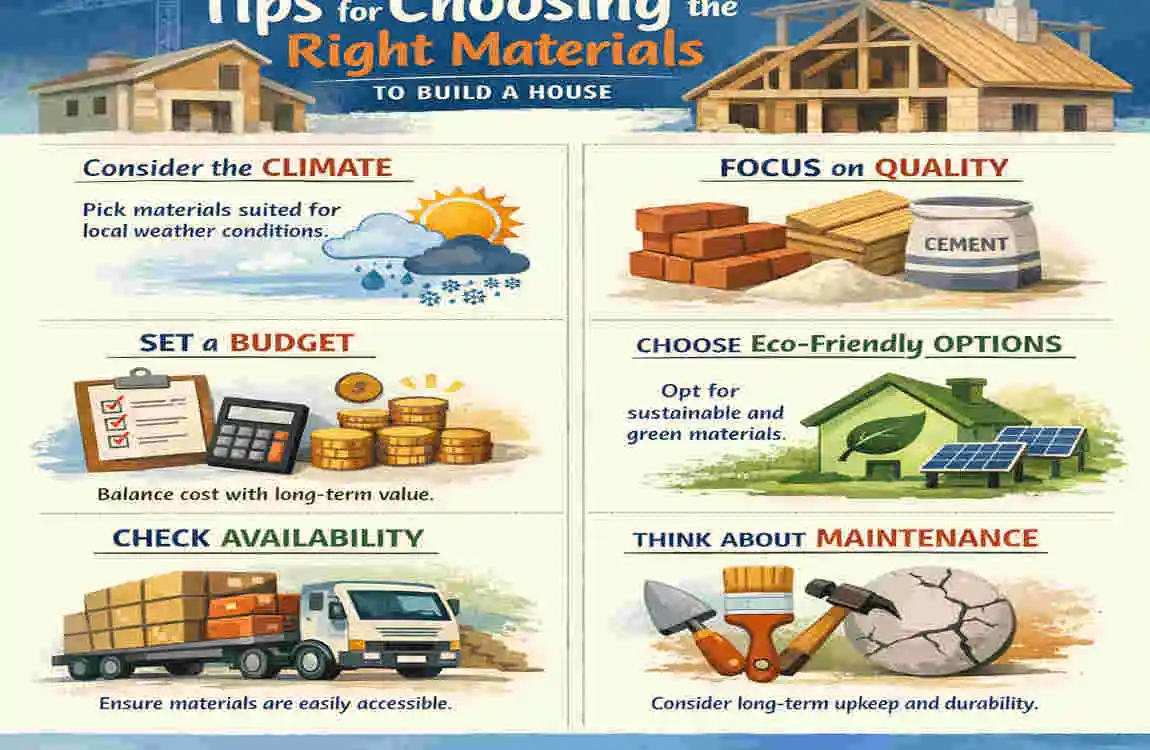
Climate and Environment
- For hot regions, materials like concrete and clay tiles help keep interiors cool.
- In colder areas, insulating materials such as fibreglass and wood are more appropriate.
Durability vs. Cost
Finding the right balance between cost and longevity is vital. Opting for cheaper materials might save money upfront, but can lead to higher maintenance costs in the long run.
Aesthetic Preferences
Your home’s design should reflect your personality. Materials like brick, wood, or stone offer distinct looks. Choose what complements your vision.
Sustainable and Eco-Friendly Materials
Sustainability is no longer optional—it’s a necessity. Eco-friendly materials not only lower your carbon footprint but also save you money on energy bills.
- Bamboo: A fast-growing, renewable material perfect for flooring and furniture.
- Recycled Steel: Durable and reduces waste in construction.
- Reclaimed Wood: Adds a rustic charm while being environmentally friendly.
Essential Materials Needed to Build a House
Let’s break down the core materials required for constructing a house.
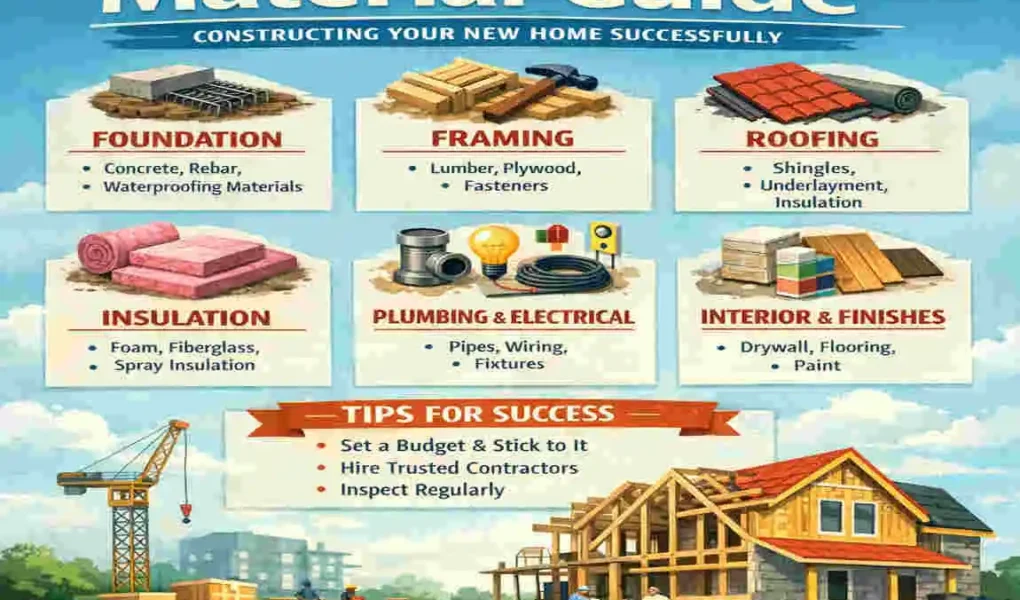
Foundation Materials
The foundation supports the entire structure, so it needs to be robust.
- Concrete: A mix of cement, sand, and gravel, concrete is the most common foundation material due to its strength and durability.
- Reinforcement Materials: Steel rebar and mesh are used to strengthen concrete and prevent cracking.
Framing Materials
The frame is like your house’s skeleton—it holds everything together.
- Wood Framing: Lightweight, cost-effective, and easy to work with. However, it may not be ideal for areas prone to termites or fires.
- Steel Framing: Strong and resistant to pests, but more expensive than wood.
- Prefabricated Frames: These save time and reduce waste, making construction quicker and more efficient.
Roofing Materials
Your roof protects your home from the elements, so choose wisely.
- Asphalt Shingles: Affordable and versatile, but may not last as long as other options.
- Metal Roofing: Durable, weather-resistant, and energy-efficient.
- Clay Tiles: Perfect for hot climates due to their cooling properties.
Exterior Walls and Siding
The exterior walls define your home’s look and provide insulation and protection.
- Brick and Concrete Blocks: Offer durability and a timeless appearance.
- Wood Siding: Gives a natural, rustic look but requires regular maintenance.
- Vinyl and Fibre-Cement: Low-maintenance, budget-friendly options with various design possibilities.
Insulation
Insulation is key to energy efficiency.
- Fibreglass: Affordable and easy to install, ideal for walls and attics.
- Spray Foam: Provides superior insulation but can be more expensive.
- Rigid Board: Durable and moisture-resistant, perfect for flat roofs or basement walls.
Plumbing and Electrical Systems
Your home’s functionality depends on reliable plumbing and electrical systems.
- Pipes: PVC is lightweight and cost-effective, while copper is durable and long-lasting.
- Wiring: Copper wiring is the most common choice due to its conductivity and safety.
Flooring Materials
The flooring sets the tone for your interiors.
- Hardwood: Elegant but requires maintenance.
- Laminate: Budget-friendly alternative to hardwood.
- Tile: Durable and available in a variety of home designs.
- Carpet: Soft and cosy, but can be challenging to clean.
Windows and Doors
Windows and doors impact aesthetics, energy efficiency, and security.
- Windows: Aluminium is lightweight, wood offers a classic look, and vinyl is low-maintenance.
- Doors: Solid wood provides durability, while fibreglass and steel offer excellent weather resistance.
Tips for Choosing the Right Materials
Working with Your Contractor or Builder
- Ask Questions: Ensure you understand why certain materials are recommended.
- Inspect Samples: Always review material samples before finalising your choice.
Comparing Costs Without Compromising Quality
- Get Multiple Quotes: This helps you find the best deal while maintaining quality.
- Consider Long-Term Costs: Cheaper materials often require more maintenance or replacements.
Prioritising Safety and Durability
- Use materials that withstand natural disasters, such as hurricanes or earthquakes.
- Opt for fire-resistant, moisture-resistant materials for added safety.
Managing Supply Chain and Availability
- Plan for Delays: Order materials well in advance to avoid construction delays.
- Choose Local Materials: These are often more affordable and readily available.
Common Mistakes to Avoid
- Overlooking Functionality: Don’t prioritise aesthetics over practicality.
- Ignoring Energy Efficiency: Energy-efficient materials save money in the long run.
- Skipping Building Codes: Ensure all materials comply with local regulations.
Case Studies/Examples
Successful Home Construction Projects
- A family in a hot region used clay tiles and concrete for a durable, cool home.
- A modern eco-home incorporated bamboo flooring and recycled steel for sustainability.
Lessons from Material-Related Failures
- A project failed due to the use of cheap, substandard wood that couldn’t withstand humidity.
- Another house experienced roof leaks because asphalt shingles were chosen in a storm-prone area.
Future Trends in Construction Materials
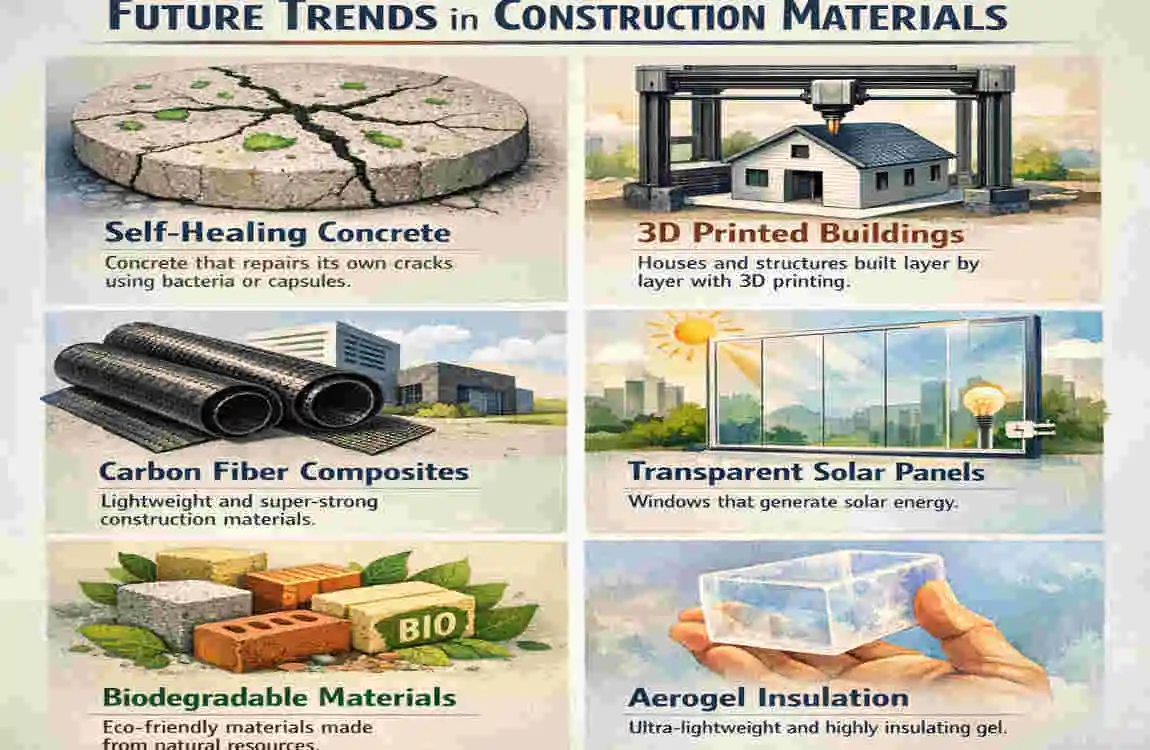
- Hempcrete: A lightweight, sustainable alternative to traditional concrete.
- 3D-Printed Homes: Revolutionising construction with speed and precision.
- Smart Materials: Innovations like self-healing concrete and energy-efficient glass are on the rise.
FAQs
What are the most common materials needed to build a house?
Concrete, wood, steel, insulation, and roofing materials such as asphalt shingles or metal are among the most common.
How can I save money on construction materials?
Plan, get multiple quotes, and prioritise durable materials to reduce long-term costs.
What is the most sustainable material for building a house?
Bamboo, recycled steel, and reclaimed wood are excellent eco-friendly options.
| Material Category | Common Materials | Key Benefits | Considerations |
|---|---|---|---|
| Foundation | Concrete, Rebar | Strong, durable, load-bearing | Requires proper curing, moisture control |
| Framing | Wood, Steel | Versatile, strong, easy to work with | Wood prone to pests; steel can be costly |
| Roofing | Asphalt shingles, Metal, Clay tiles | Weather-resistant, long-lasting | Cost and climate suitability |
| Exterior Walls & Siding | Brick, Vinyl, Fiber-cement | Aesthetic variety, durability | Maintenance needs, insulation properties |
| Insulation | Fiberglass, Spray foam, Rigid board | Energy efficiency, thermal regulation | Installation method, environmental impact |
| Plumbing | PVC, Copper, PEX | Corrosion resistance, flexibility | Cost and local code compliance |
| Flooring | Hardwood, Tile, Vinyl | Aesthetic appeal, durability | Maintenance and moisture resistance |
| Windows & Doors | Wood, Vinyl, Aluminum | Energy efficiency, design options | Durability, security features |