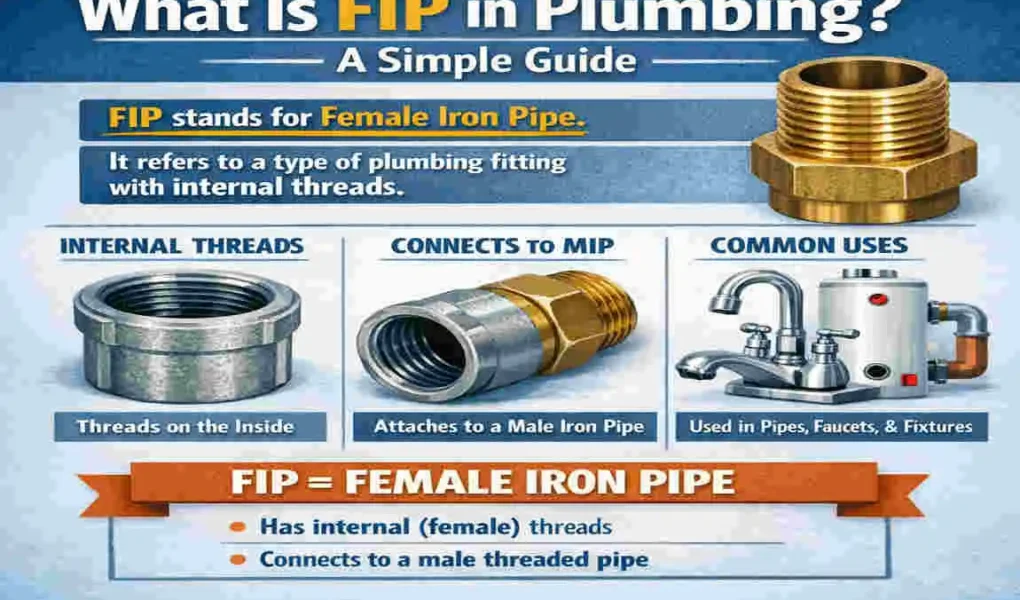
If you are wondering what FIP is in plumbing, the short answer is this: FIP stands for Female Iron Pipe. It refers to a fitting with internal threads that connects to a matching male-threaded part.
This may sound technical, but it is actually a very common part of everyday plumbing. You will see FIP fittings in faucets, water lines, water heaters, outdoor pipes, and appliance connections.
Understanding thread types matters because the wrong match can lead to leaks, loose connections, or damaged parts. So if you are working on a home plumbing project, knowing FIP can save you time and trouble.
What Does FIP Mean in Plumbing?
Full Form of FIP
FIP stands for Female Iron Pipe. In simple words, it means a fitting with a female-style threaded opening.
You may also hear people call it a female threaded pipe connection. That is the same basic idea.
How FIP Threads Work
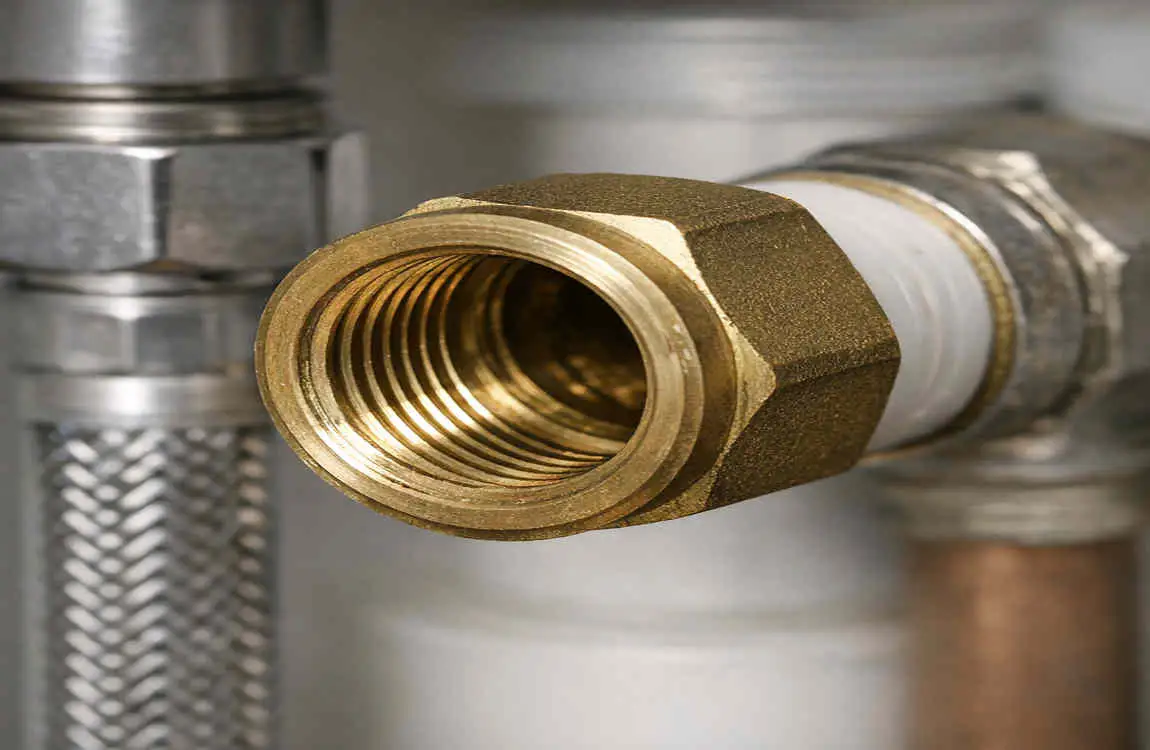
FIP fittings have threads on the inside. These threads receive a male fitting, which has threads on the outside.
The two parts screw together to form a secure connection. In many cases, this connection is used for water lines and fixtures that require a strong seal.
Common Materials
FIP fittings are made from different materials, such as:
- Brass
- PVC
- Stainless steel
- Copper adapters
The material depends on the job. For example, brass is common for strong plumbing connections, while PVC is often used in lighter applications.
Where Are FIP Fittings Used?
Water Supply Lines
FIP fittings are often used in water supply lines because they create a reliable connection between pipes and fixtures.
Faucets and Fixtures
You will also find them in sink faucets, shower parts, and other household fixtures. These are places where a tight, threaded fit is important.
Water Heaters
Many water heater connections use threaded fittings like FIP. This helps connect supply lines safely and securely.
Outdoor Plumbing
Outdoor plumbing parts, such as hose bibs and exterior shutoff valves, may also use FIP connections.
Irrigation Systems
Some irrigation systems use FIP fittings too, especially where threaded pipe ends need to join with valves or adapters.
FIP vs MIP: What’s the Difference?
Table: FIP vs MIP
FeatureFIPMIP
Full Form Female Iron Pipe Male Iron Pipe
Thread Type Internal External
Connection Receives male fitting Fits into female fitting
Common Use Valves and fittings Pipe ends and adapters
Simple Difference
The main difference is easy to remember:
- FIP has threads on the inside
- MIP has threads on the outside
They are designed to connect.
Is FIP the Same as NPT?
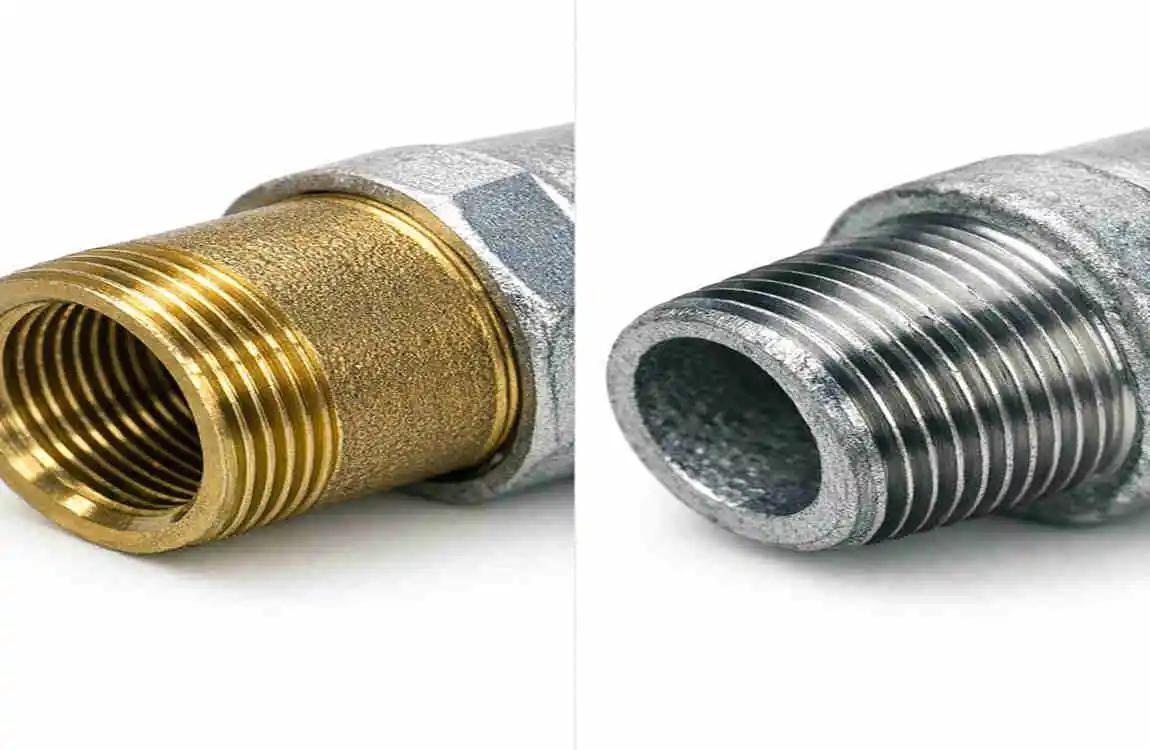
Similarities
FIP and NPT are often confused because both are threaded pipe connections used in plumbing.
They can look very similar, and in many cases, they are used in similar types of jobs.
Key Differences
NPT stands for National Pipe Taper. It refers to the thread shape and standard, while FIP refers more to the fitting type.
So, FIP is the female-fitting style, and NPT is the thread standard.
Compatibility Tips
In many plumbing situations, FIP and NPT parts may work together if the sizes and thread types match. Still, it is always smart to check the exact fitting size and style before connecting anything.
A small mistake here can lead to leaks or a bad seal.
Advantages of FIP Fittings
FIP fittings are popular for good reasons:
- Easy installation
- Secure threaded connection
- Widely available
- Suitable for residential plumbing
- Long-lasting performance
They are useful because they make it easier to connect and disconnect parts when needed. That is especially helpful during repairs or replacements.
Common Mistakes to Avoid
Mixing Thread Types
One of the biggest mistakes is trying to force together parts that do not match. Even if they look close, the wrong threads can cause damage.
Overtightening
Many people think tighter is always better. But overtightening can crack fittings, strip threads, or make future repairs harder.
Forgetting Thread Seal Tape
Thread seal tape, often called PTFE tape or Teflon tape, helps improve the seal on many threaded connections. Skipping it can sometimes lead to leaks.
Choosing the Wrong Size
FIP fittings come in different sizes. If the size is wrong, the connection will not fit properly, even if the thread type is correct.
How to Identify an FIP Fitting
Check Internal Threads
The easiest clue is the inside of the fitting. If the threads are inside the opening, it is likely an FIP fitting.
Measure Pipe Size
Always check the pipe size before buying or installing a fitting. Size matters as much as the thread style.
Read Manufacturer Markings
Many fittings have markings that indicate their size or type. These labels can help you avoid confusion.
Compare with MIP Fittings
If you have both parts in front of you, compare them. FIP has internal threads, while MIP has external threads.
Tips for Installing FIP Plumbing Fittings
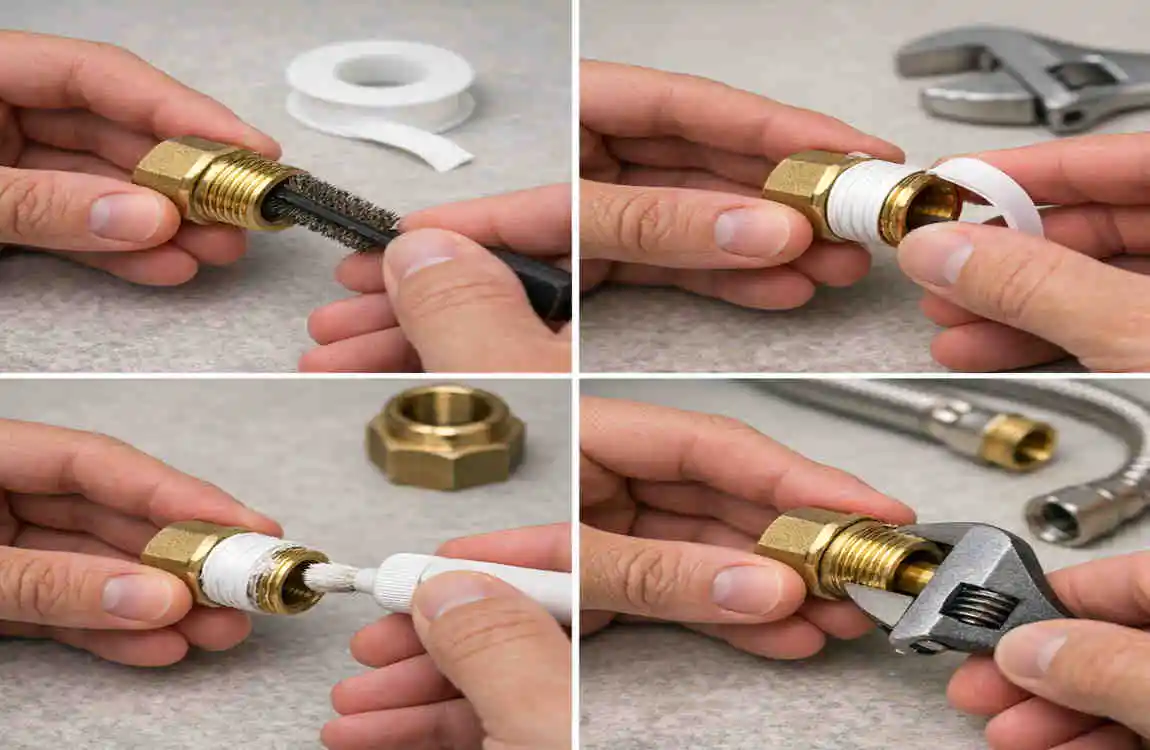
Here is a simple process you can follow:
- Clean the threads.
- Apply PTFE thread tape.
- Hand-tighten first.
- Finish with a wrench.
- Test for leaks.
Helpful Tip
Do not rush the job. A clean, careful installation usually works better than a fast one.
When Should You Use an FIP Connection?
Use an FIP connection when you are working on:
- Bathroom plumbing
- Kitchen plumbing
- Water heaters
- Outdoor hose bibs
- Appliance connections
These are common places where a female-threaded fitting is needed to connect to a male pipe end or adapter.
Frequently Asked Questions
What is FIP in plumbing?
FIP means Female Iron Pipe. It is a threaded fitting with internal threads.
Is FIP the same as female threaded?
Yes, in everyday plumbing talk, FIP is often used to mean a female threaded fitting.
Can FIP connect to PVC?
Yes, if the size and thread type match and the proper adapter is used.
Does FIP require Teflon tape?
In many cases, yes. Thread seal tape can help create a better seal and reduce leaks.
Is FIP compatible with MIP?
Yes, FIP and MIP are designed to connect when the threads and sizes match.
What size are FIP fittings available in?
FIP fittings come in many common plumbing sizes, depending on the job and the pipe system.