You vacuum your carpets daily, you mop your hard floors until they shine, and you keep everything in your house absolutely spotless. You take pride in your clean house. Yet, as you sit down to relax on the couch, you notice your dog scratching nonstop. Or worse, you feel a sudden, sharp itch on your own ankle.
Many homeowners mistakenly believe that these tiny jumping pests only infest dirty, cluttered, or neglected spaces. Let me be the first to tell you that this is a complete myth. Fleas do not care about how often you dust or how much money you spend on Premium cleaning supplies. They only care about finding a warm host to feed on.
If you are trying to figure out how to know if you have fleas in your home without seeing an obvious, crawling mess, you are in the right place. These master hide-and-seek champions are incredibly skilled at slipping under the radar. They tuck themselves deep into carpet fibers, hide in the tiny cracks of your hardwood floors, and bury themselves in your pet’s thick fur.
Why Fleas Thrive in Clean Homes

Before we look at the signs, you need to understand exactly what you are up against. Knowing your enemy is the first step in defeating them.
The Myth of the Messy House
First, let us bust a massive myth. Cleanliness does not prevent fleas. You can have the most immaculate house on the block and still fall victim to a flea infestation. Why? Because fleas are hitchhikers.
They do not magically generate from dirt or garbage. Instead, they catch a ride indoors. Common entry points include your family pets, wild animals passing through your yard, second-hand furniture, or even the bottom of your own shoes after walking through an infested grassy area.
The Flea Lifecycle Explained
To understand how fleas survive, you have to look at their biology. Adult fleas are incredibly tiny, usually measuring just 1 to 3 millimeters long. Despite their small size, they have powerful back legs that allow them to jump 12 to 18 inches into the air.
Their lifecycle happens in four stages:
- Eggs: Laid on the host but quickly fall off into your home.
- Larvae: Tiny, worm-like creatures that hide from light.
- Pupae: The cocoon stage, where they wait for a host.
- Adults: The jumping, biting pests we all hate.
Even if you vacuum up the adult fleas, the eggs, larvae, and pupae are often hiding deep in your upholstery or floor cracks. According to veterinary experts, fleas bite people in 5 to 15% of U.S. households every single year. So, if you are wondering how fleas get in the house, remember that all it takes is one pregnant female hitching a ride on your sock.
Unexplained Pet Scratching and Fidgeting
When you want to know how to know if you have fleas in your home, your furry best friend is usually the very first alarm bell. Pets are the primary targets for hungry fleas.
Decoding Your Pet’s Body Language
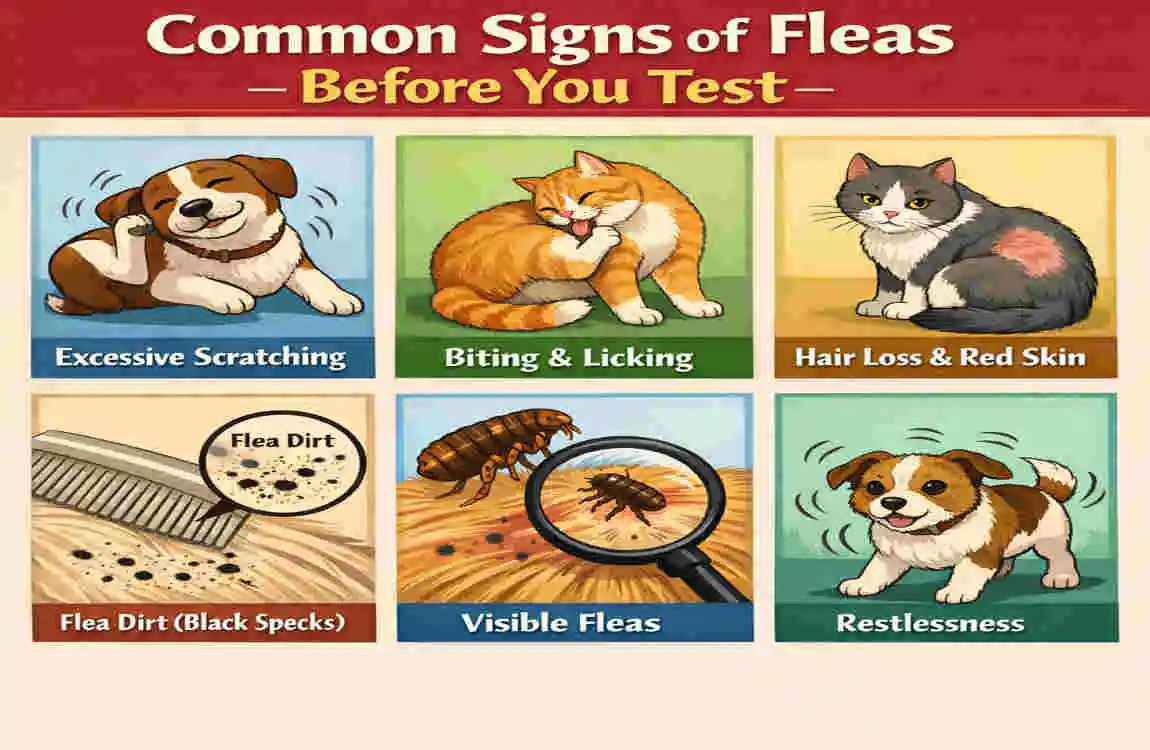
It is totally normal for a dog or cat to scratch an occasional itch. However, you need to pay attention to sudden, obsessive behavior. Are they violently chewing at their skin? Do they constantly twitch their ears or shake their heads? Do you catch them aggressively rubbing their backs against your living room furniture?
These are massive red flags. Flea bites are highly irritating. When a flea bites your pet, it injects a tiny amount of saliva. This saliva causes an intense allergic reaction, leading to that frantic, unstoppable scratching.
How to Do a Quick Fur Check
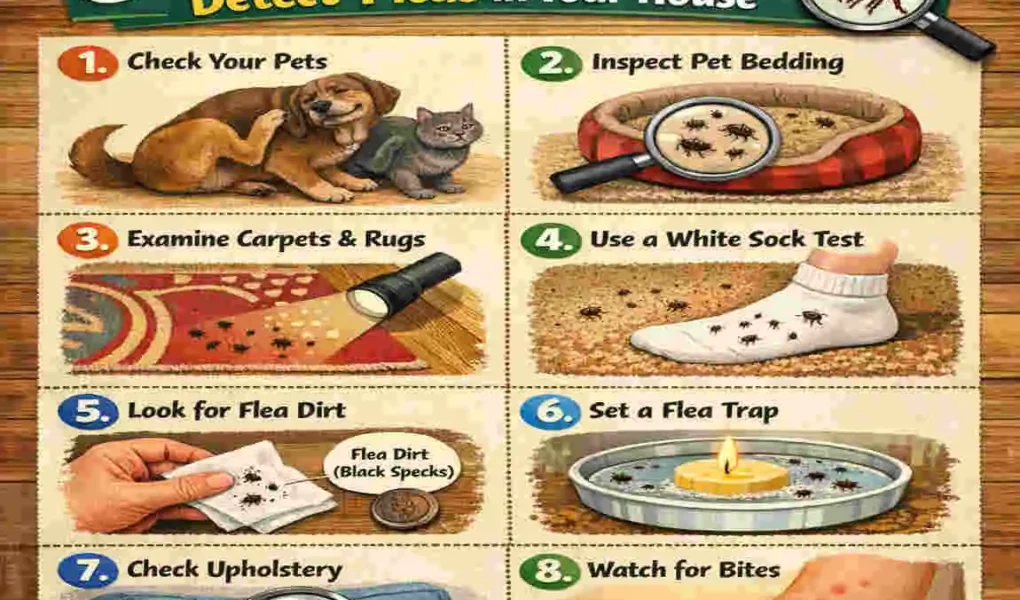
If your pet is acting restless, it is time to investigate. Have your pet sit down in a well-lit area. Gently part their fur using your fingers, paying special attention to the base of the tail, the back of the neck, and their belly. You are looking for actual bugs, but you are also looking for “flea dirt,” which looks like tiny black specks of pepper.
Pro Tip: Grab a fine-toothed flea comb. Run it slowly through your pet’s fur, making sure to touch the skin. After a few strokes, wipe the comb on a damp white paper towel. If those black specks turn reddish-brown on the wet paper, you have just found dried blood—a guaranteed sign of fleas.
A Real-Life Example
Consider a recent case with a client who kept an absolutely spotless home in Lahore. She swept and mopped twice a day. Yet, her Persian cat was pulling out clumps of its own hair. She was baffled because her cat never went outside.
It turned out that a neighbor’s stray dog had been sleeping near her front door. The fleas jumped off the dog, hitched a ride on the client’s shoes, and found their way to the indoor cat. Remember, you can get fleas without pets going outdoors!
Red, Itchy Bites on Your Ankles and Legs
Sometimes, you do not have pets at all. In that case, the first sign of an invasion might appear right on your own body.
The Breakfast, Lunch, and Dinner Pattern
Flea bites on humans have a very distinct look and feel. Because fleas live close to the ground in carpets and floorboards, they usually target your feet, ankles, and lower legs.
When a flea bites you, it rarely just bites once. As they move across your skin, they tend to bite in clusters or straight lines of three or four. In the pest control world, this is jokingly called the “breakfast, lunch, and dinner” pattern.
Differentiating the Bites
How do you know if that itchy red bump is a flea bite, a mosquito bite, or something worse, like a bedbug? Here is a simple comparison to help you figure it out:
Table: Spotting the Difference in Bug Bites
Feature Flea Bites Bedbug Bites Mosquito Bites
Location on Body : Feet, ankles, calves, lower legs. Face, neck, arms, upper body. Anywhere exposed to the air.
Appearance : Small red dots with a dark red center (like a tiny pimple). Raised, flat red welts in zigzag lines. Large, puffy, pale center with a red ring.
Timing Bites happen anytime you walk through infested areas. Bites happen almost exclusively at night while sleeping. Dawn and dusk are peak times.
Itch Intensity Extremely intense, almost immediate itching. Delayed itching, sometimes taking days to feel. Mild to moderate itching.
When to Take Immediate Action
I once visited a lovely, clean home in Punjab where the owner thought she had a simple heat rash on her ankles. She tried every lotion imaginable. Once we realized her “rash” was actually clustered flea bites, she understood the hidden problem.
You should monitor these bites closely. While they are usually just an itchy nuisance, scratching them too much can break your skin and lead to secondary bacterial infections. If you notice severe swelling, blistering, or oozing, you might be having a severe allergic reaction and should consult a doctor.
Tiny Black Specks (Flea Dirt) on Floors and Bedding
If you want to master how to know if you have fleas in your home, you need to become a bit of a detective. One of the sneakiest clues they leave behind is called “flea dirt.”
The Sneaky Nature of Flea Feces
Let’s call it what it really is: flea poop. Because fleas feed entirely on blood, their waste is essentially dried, digested blood. To the naked eye, flea dirt looks exactly like regular dirt. It looks like someone sprinkled a little bit of finely ground black pepper on your floors or your pet’s bed.
This is why it is so easily missed in clean homes. You might see a tiny speck on your baseboards, assume it is just dust from your shoes, and wipe it away without a second thought.
The Paper Towel Test
So, how do you tell the difference between regular household dust and flea dirt? You use the moisture test.
Gather up some of those suspicious black specks using a white tissue or a white paper towel. Add a single drop of water to the specks. Alternatively, you can wipe the specks with a slightly damp white cloth.
Wait about one minute. If the specks remain black or dark gray, it is just regular dirt. But if you see a rusty, reddish-brown halo form around the specks, you have a confirmed positive. That red color is the rehydrated blood from the flea feces.
Where to Look and the Sticky Tape Trick
You will usually find flea dirt in places where your pets spend the most time. Check their favorite sleeping blankets, the rugs in your living room, and the corners of your baseboards.
If you have hard floors and want to do a quick sweep, use the sticky tape test. Take a piece of clear packing tape and press the sticky side lightly against the floor in suspect areas. Peel it up and hold it against a white background. If you see those black specks, do the water test right on the tape.
Keep in mind that a single female flea can lay up to 50 eggs every single day. Where there is flea dirt, there are adult fleas, and rapid spread is happening right under your nose.
Flea Eggs and Larvae Hiding in Carpets and Cracks
Adult fleas are only a tiny fraction of the problem. In fact, adult fleas make up only about 5% of a total flea infestation. The other 95% is made up of eggs, larvae, and pupae hidden out of sight.
What Do Flea Eggs Look Like?
Flea eggs are incredibly difficult to spot, especially in a spotless space. They are tiny, oval-shaped, and smooth. They measure about 0.5 millimeters long, making them look like microscopic grains of salt or tiny flakes of dandruff.
Because they are smooth and not sticky, they do not stay on your pet. When your dog or cat walks around your home, the eggs slide right off their fur and fall deep into your carpet fibers, into the cracks of your hardwood floors, or between the cushions of your sofa.
The White Sock Walk Test
If you suspect you have eggs or larvae in your carpets, try the “White Sock Walk Test.”
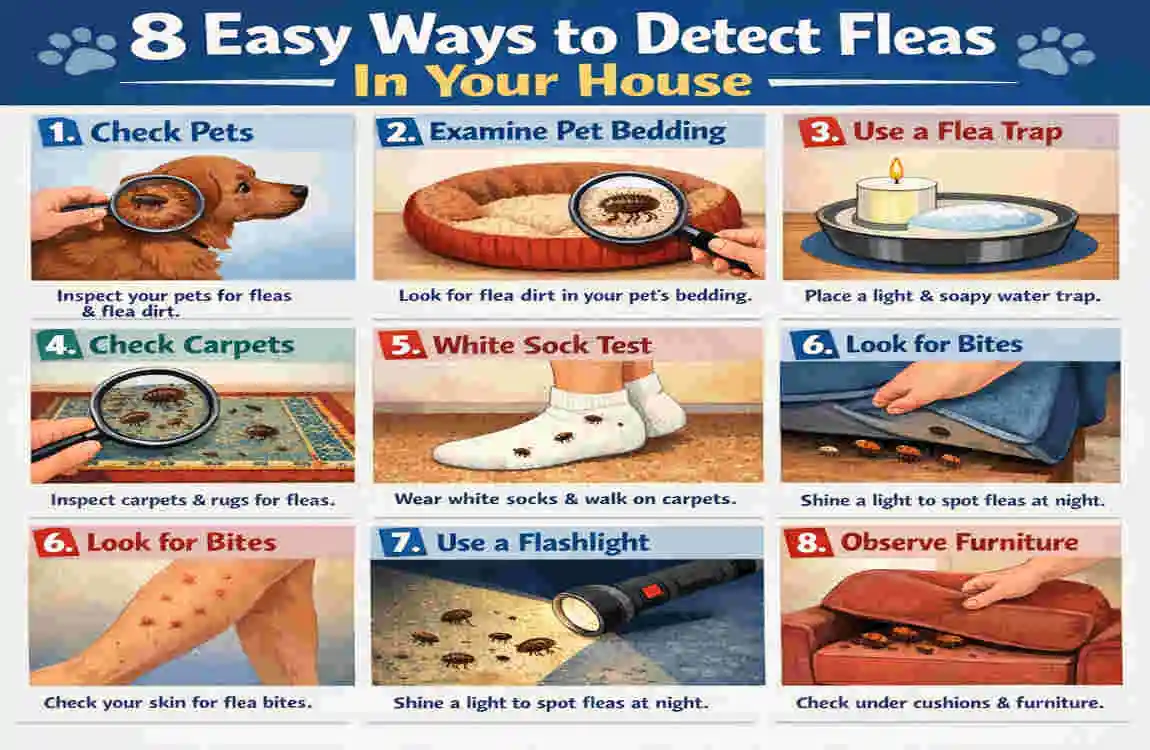
Put on a pair of clean, bright white socks. Walk slowly through the areas of your home where your pet spends the most time. Shuffle your feet slightly to disturb the carpet fibers. After a few minutes, sit down and carefully inspect your socks. If you see tiny black specks (adults or dirt) or tiny white specks (eggs) clinging to the fabric, you have your answer.
Targeting the Hot Spots
Flea larvae—the stage after the egg hatches—are terrified of light. They are tiny, semi-transparent, worm-like creatures that actively crawl away from sunlight.
Because of this, you will almost never find them in the middle of a brightly lit room. Instead, you need to check the dark, hidden hot spots in your spotless home. Look deeply under your heavy furniture, along the dark edges of your area rugs, and deep inside the crevices of your upholstered chairs.
Once eggs drop, they can hatch into larvae in just 1 to 12 days, depending on how warm and humid your house is. This is why aggressive action, like heavy steam cleaning, is necessary to melt the eggs and kill the larvae before they grow up to bite you.
Sudden Jumping Dots on White Socks or Sheets
Sometimes, the clues are not subtle at all. Sometimes, the primary way to know if you have fleas in your home is actually seeing the adults in action.
The Jump Factor
As mentioned earlier, adult fleas are reddish-brown and very small. What makes them unique is their incredible speed and jumping ability. They do not fly—they have no wings. But if you see a tiny dark speck suddenly vanish from your sight with a powerful leap, you are almost certainly looking at a flea.
This usually creates an “aha” moment for homeowners. You might be making your bed with fresh, crisp white sheets, and suddenly you see a dark speck land, pause, and launch itself into the air.
Why They Avoid the Light
Adult fleas, much like their larvae, prefer to hide deep within fibers. They do not want to be out in the open. They use their flat bodies to navigate swiftly through animal hair and carpet loops.
If you want to catch them in the act, you can set a simple visual trap. Place a white piece of paper or a white towel on the floor near your pet’s bed. Shine a warm desk lamp directly over the paper. Turn off the main overhead lights in the room.
Fleas are attracted to the warmth of the lamp. When they jump toward the heat source, they will land on the bright white surface, making them instantly visible to the naked eye. Imagine watching a slow-motion video of a flea jump; its back legs act like coiled springs, launching it up to 200 times its own body length.
Increased Indoor Allergy Symptoms or Pet Hair Loss
Not all signs of a flea invasion are things you can see crawling on the floor. Sometimes, the symptoms manifest as physical health issues for both you and your pets.
Flea Allergy Dermatitis Explained
We touched on this briefly, but it deserves a deeper look. One of the most severe reactions to flea bites is called Flea Allergy Dermatitis (FAD). This is a severe allergic reaction to the proteins found in the flea’s saliva.
For pets with FAD, a single flea bite can cause weeks of agony. You might notice your dog or cat developing bright red, oozing hot spots. You might see them losing large patches of hair, especially around their lower back and tail base, leaving them completely bald in spots. The American Veterinary Medical Association notes that fleas are responsible for over 50% of all pet skin issues.
Don’t Blame the Dust Mites Just Yet
Humans can suffer from flea-related allergies, too. If you maintain a perfectly clean home, you might be confused when you suddenly start developing unexplained rashes, hives, or respiratory issues.
Many people mistakenly blame these sudden allergy symptoms on seasonal changes, new laundry detergents, or indoor dust mites. However, the shed skin casings, dried feces, and airborne particles from a hidden flea population can strongly trigger human asthma and allergies.
If your home is pristine and free of dust, but your skin is breaking out in an unexplained, itchy dermatitis, you need to consider fleas as the hidden culprit seriously.
Wildlife or Neighbor Clues (Droppings Nearby)
What if you do not have any pets, your house is spotless, and you rarely go outside? How on earth did fleas get inside? If you want to know how to know if you have fleas in your home under these circumstances, you have to look outside your four walls.
Unwanted Outdoor Guests
Fleas are primarily outdoor pests that live on wild animals. If you have an unexpected flea problem indoors, look for clues of wildlife around your property.
Are there raccoon, possum, or squirrel droppings near your patio? Have stray cats taken up residence under your porch? Do you hear the pitter-patter of mice or rats in your attic or inside your walls? Any of these warm-blooded mammals can carry hundreds of fleas. When the wild animal sleeps near your foundation, the flea eggs drop off into your yard.
Securing Your Borders
Consider the dense urban environments, like the bustling neighborhoods of Lahore or heavily populated city blocks. Homes are built very close together. If your immediate neighbor has a severe flea infestation in their yard or home, it is incredibly easy for those fleas to migrate.
They can travel through shared ventilation systems, hop across shared fences, or slip under the tiny gap beneath your front door.
To prevent this, you need to inspect your property’s perimeter. Look for any animal droppings in your attic, basement, or outdoor pet areas. Make sure to seal up any cracks in your foundation, fix torn window screens, and ensure your doors have tight-fitting weather stripping. A clean interior won’t save you if your exterior is wide open to wildlife.
What to Do Next: Confirm and Eliminate Fleas Fast
If you have read through these seven signs and are nodding your head, do not panic. The fact that you keep a spotless home is actually going to work in your favor now. It means you have less clutter to clear away before you start the elimination process.
Set a DIY Flea Trap to Confirm
First, let’s get 100% confirmation. You can build a highly effective, cheap flea trap tonight.
Take a shallow dish, like a pie pan, and fill it with warm water. Add a few generous squirts of liquid dish soap and stir it gently (don’t make too many bubbles). Place this dish on the floor in the room where you suspect the most fleas. Finally, place a small desk lamp right over the dish and turn it on. Turn off all other lights in the room and go to sleep.
The fleas will be drawn to the warmth and light. They will jump toward the bulb, fall into the soapy water, and sink because the soap breaks the water’s surface tension. Check the bowl in the morning. If you see tiny black bugs sunken at the bottom, you have confirmation.
Step Treatment plan
Now that you know they are there, you have to break the life cycle. Here is your action plan:
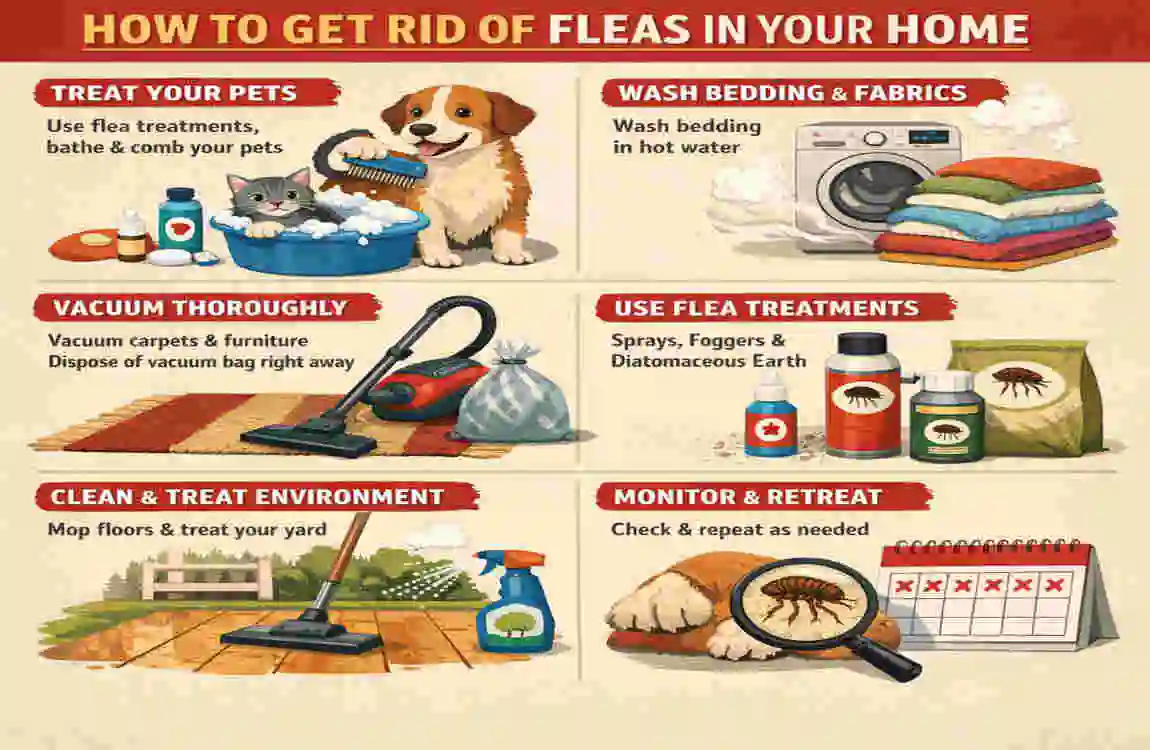
- Vacuum Obsessively: Vacuum every floor, rug, couch, and mattress in your home at least twice a day. The vibration causes pupae to hatch, allowing you to suck them up. Crucial: Empty the vacuum canister outside in a sealed trash bag immediately after every use.
- Wash All Bedding on High Heat: Strip your beds, your pet’s beds, and gather all throw blankets. Wash them in the washing machine using the hottest water setting possible. Dry them on high heat. The heat will kill all life stages.
- Treat Your Pets Professionally: Do not rely on cheap grocery store flea collars. Speak to your veterinarian and get a high-quality, prescription-strength topical or oral flea medication. This turns your pet into a walking flea-killer.
- Use an IGR Spray: Purchase an indoor premise spray that contains an Insect Growth Regulator (IGR). IGRs stop eggs and larvae from maturing into biting adults. Spray your carpets and baseboards according to the label directions.
- Call a Professional Exterminator: If the infestation is severe or continues after a few weeks of your own hard work, call the pros.
Cost Guide: Doing it yourself with sprays and traps will usually cost between $20 to $50. If you have to hire a professional exterminator, expect to pay anywhere from $200 and up, depending on the size of your house.
Prevention Tips for a Flea-Free Clean Home

Once you have done the hard work of getting rid of them, you want to make sure they never come back. Maintaining a flea-free environment requires a little bit of ongoing vigilance.
Here is a quick checklist to keep your clean home protected:
- Maintain Monthly Pet Meds: Keep your dogs and cats on a vet-approved flea preventative 12 months a year. Do not skip the winter months!
- Manage Your Yard: Keep your grass cut short and trim back overgrown shrubs. Fleas love tall, shaded, moist grass. Letting the sun hit your soil naturally kills flea larvae.
- Be Careful with Second-Hand Items: If you love thrifting, never bring an antique rug or a used upholstered chair directly into your home. Vacuum it thoroughly and steam clean it outside or in the garage first.
- Use Natural Repellents: Consider using food-grade Diatomaceous Earth (DE). You can lightly dust this natural powder along your baseboards and in your pet’s outdoor sleeping areas. It is completely safe for humans but destroys the tough outer shell of fleas, drying them out.
- Wash Pet Bedding Weekly: Make it a Sunday habit. Throw the dog bed covers into a hot wash every single week to destroy any stray eggs before they can hatch.
Frequently Asked Questions (FAQs)
Can fleas live in my house if I don’t have any pets? Yes, absolutely. While fleas prefer furry animals, they will happily feed on human blood if no pets are available. They usually enter pet-free homes via wildlife like mice, raccoons, or squirrels living near the foundation or in the attic, or by jumping onto your shoes when you walk through infested outdoor areas.
How long can fleas live in a house without a host? Adult fleas need a blood meal to survive and will typically die within a few days to two weeks without a host. However, the pupae stage (the cocoon) can lie dormant deep inside your carpets for several months, waiting for the vibration or carbon dioxide of a passing host to hatch.
Will vacuuming alone get rid of a flea infestation? Vacuuming is one of the most powerful tools against fleas, but it is rarely enough to cure a heavy infestation on its own. While it sucks up adults and stimulates pupae to hatch, many eggs and larvae are sticky or hidden too deeply in fibers. You must combine vacuuming with hot water washing and proper flea treatments for full eradication.