Chalet House
Architecture

How to Choose the Perfect Chalet House for You
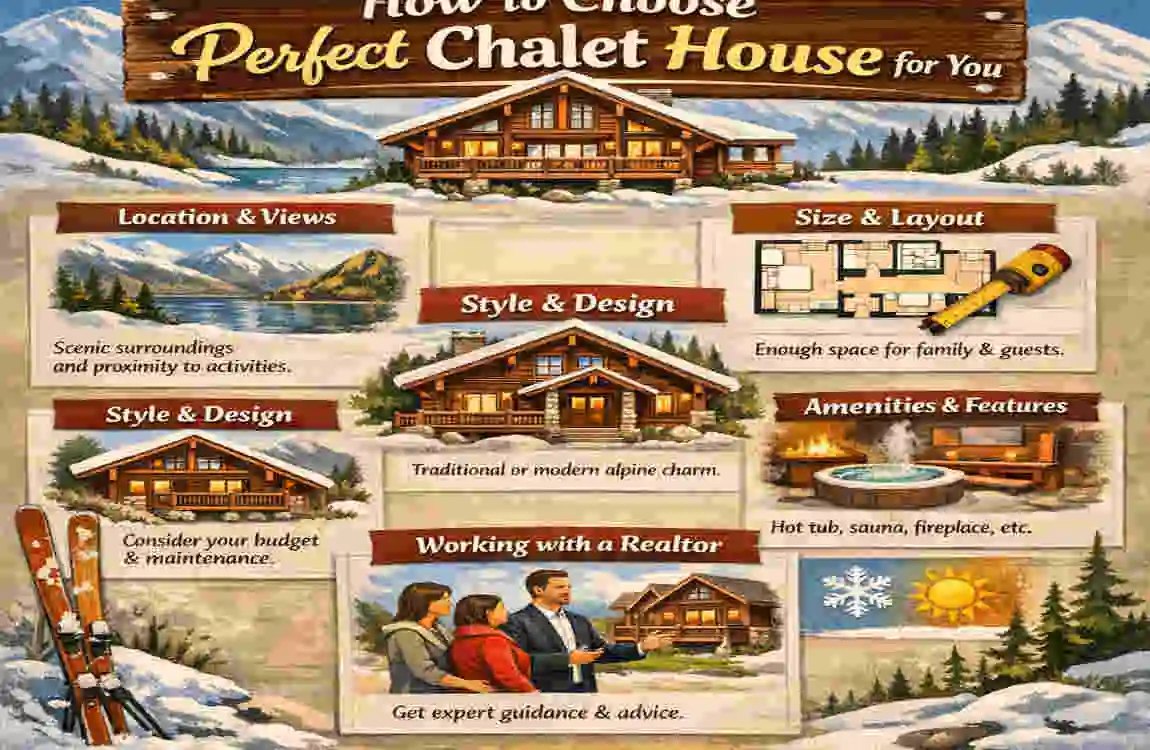
Snow sits on the roof, the fire crackles in the fireplace, and big windows frame a quiet mountain view. That picture is exactly why so many people fall in love with chalet homes.

If you have ever wondered what a chalet is, the simplest answer is this: it is a wooden, Alpine-style home with a steep roof, wide eaves, and a cozy, rustic look, originally built for snowy mountain regions. Over time, this style has grown beyond its European roots and become a popular choice for those seeking comfort, character, and a deep connection to nature.

Today, chalet homes are not just old-world mountain cottages. They can be simple and traditional, or sleek and modern. They can work as vacation retreats, full-time family homes, or luxury mountain escapes. Some feel warm and rustic, while others feel bright, stylish, and open. That flexibility is part of what makes them so appealing.

Style Description Key Traits
Traditional Swiss Chalet Rustic Alpine huts for herders, focused on functionality. Wood construction, gentle roof slope, compact footprint.
Modern Chalet Blends rustic wood/stone with sleek glass and tech. Expansive windows, energy-efficient features, open interiors.

What Is a Chalet House?

Chalet House

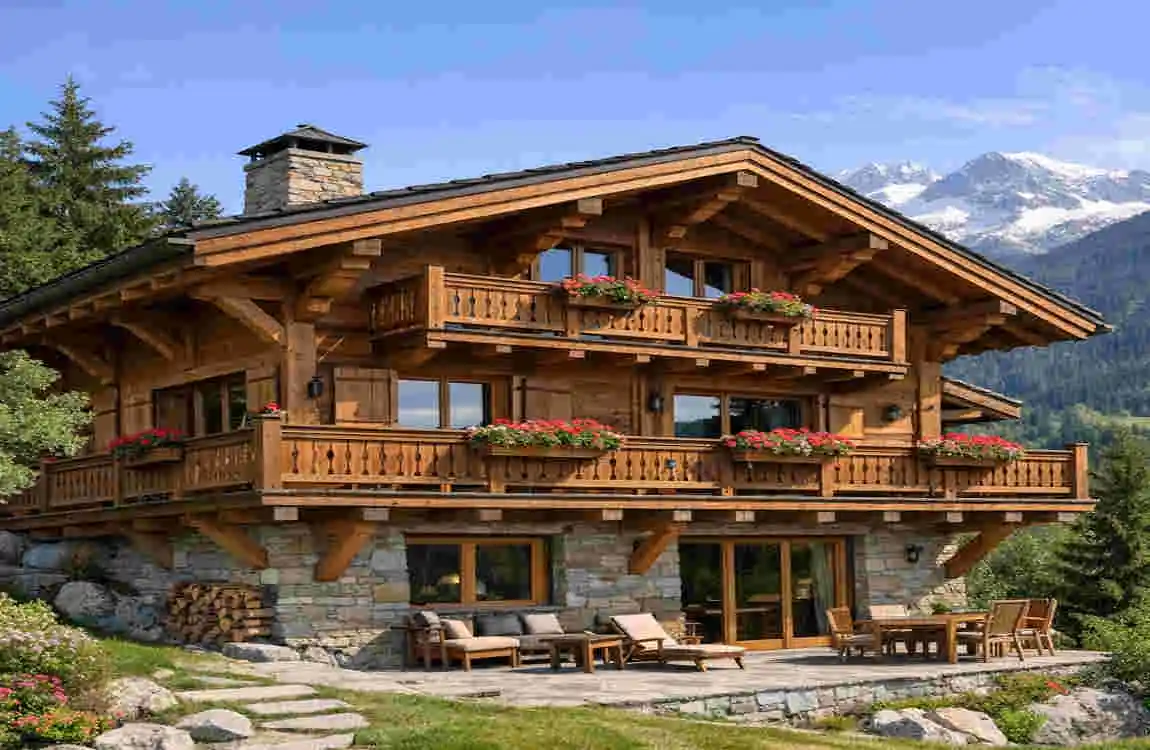
A chalet house is a home inspired by the traditional houses of the European Alps. At its core, it is a timber-framed structure designed to handle snow, cold weather, and sloped land. The most recognizable part is the roof. Chalet homes usually have steeply pitched roofs that help snow slide off easily. They also often have wide eaves, which protect the walls from rain and snow.

When people ask what a chalet house is, they often picture a wooden house with a natural, cozy look. That image is correct, but there is more to it than just appearance. A chalet is not only about style. It is also about function. These houses were originally built to keep people safe and warm in harsh mountain weather. Every part of the design served a purpose.

The defining look of a chalet house

A classic chalet usually has:

  • A steep roof to shed snow
  • Wide overhanging eaves for protection
  • Exposed wood beams and timber details
  • Stone foundations or lower walls
  • Large windows for light and views
  • Balconies or terraces that connect the home to the outdoors

This mix of materials and shapes gives chalet homes their famous warm and welcoming feel. They look rustic, but they are not rough or plain. Instead, they feel carefully built, sturdy, and inviting.

How a chalet differs from other home styles

It is easy to confuse chalets with cabins, bungalows, or even cottage-style homes, but they are not the same thing.

A cabin is usually simpler and often set in forests, lakes, or wilderness. A bungalow is generally a low-rise home with one main level, and it usually does not have the steep alpine roof associated with chalets. A chalet bungalow is a mixed-style house, often with one-and-a-half stories, dormers, and a loft-like upper space.

So, when someone asks what is a chalet house, the answer is not just “a wooden house in the mountains.” It is a very specific style that blends practical snow-ready design with natural beauty.

A style that feels warm and grounded

One reason chalet homes remain popular is that they feel human and comfortable. They do not try too hard. They feel rooted in the land, which is why they work so well in mountain settings. The materials are often natural, the lines are simple, and the overall atmosphere is calm.

That is also why chalet houses continue to attract buyers and builders today. Even when they are updated with modern features, they still keep that timeless feeling of shelter and retreat.

The History of Chalet Houses

To understand what is a chalet house, it helps to look at where the style began. Chalet homes started in the European Alps, especially in Switzerland and nearby mountain regions. At first, they were not luxury homes at all. They were practical shelters used by shepherds, herders, and seasonal workers.

From mountain shelter to seasonal home

The earliest chalets were simple wooden buildings. They were used during warmer months when people worked in higher mountain areas. These buildings needed to be strong enough for changing weather. Still, they also had to be easy to build with the materials available nearby. Wood was the natural choice.

As time passed, these mountain shelters became more permanent. Families began using them as seasonal homes, and eventually the chalet became a recognizable architectural style. The design remained useful, but it also began to take on beauty and charm.

The rise of chalet homes in tourism

During the 19th century, the Alps became a popular travel destination. People visited for the scenery, the fresh air, and the experience of mountain life. As tourism grew, the chalet began to take on a new identity. Instead of being just a worker’s shelter, it became a romantic symbol of mountain living.

Visitors admired the natural wood, the sloped roofs, and the homes’ cozy shapes. The style spread because it felt authentic and peaceful. It represented a life closer to nature, away from the noise of the city.

Chalet design reaches North America

By the 20th century, chalet architecture had moved well beyond Europe. It became popular in mountain areas across North America, especially in places where snow, skiing, and alpine views were part of everyday life. Resort towns, vacation properties, and luxury retreats all began using chalet-inspired design.

Over time, the style shifted from purely functional to more luxurious. People still loved the traditional feel, but they also wanted bigger windows, better insulation, open layouts, and modern comforts. That evolution helped chalet homes stay relevant.

Why the style still matters today

The chalet survived because it is more than a trend. It solves real problems in mountain areas while also creating a beautiful living space. Today, it is both practical and emotional. It offers warmth, comfort, and a strong connection to the natural world.

If you are still asking what a chalet is, the history gives the best clue: it is a house born of necessity, then refined by culture, travel, and design.

Key Features That Define a Chalet House

A chalet has a very clear visual identity. Even when the style is updated, it usually keeps several key features that make it feel unmistakable. These details are not random. They are shaped by climate, geography, and the need for comfort.

Steeply pitched roofs

The roof is one of the most important parts of chalet design. A steep roof helps snow and rain slide off easily, protecting the structure and reducing buildup. In mountain areas, that matters a lot. A flat or shallow roof would collect too much snow, causing problems.

A steep roof also gives the house a strong silhouette. It makes the home feel taller and more dramatic, while still keeping a rustic charm.

Wide eaves and overhangs

Chalet houses often have broad roof overhangs. These wide eaves protect walls and windows from bad weather. They also create a softer look by extending the roofline beyond the main body of the house.

The eaves are useful and add character. They give the home a layered, sheltering appearance that feels welcoming.

Timber framing and natural materials

Wood is the heart of chalet design. You will often see exposed timber beams, wooden shingles, and natural wood siding. Many chalet homes also include stone foundations or stone accents at the base. This combination of wood and stone creates a balanced, earthy look.

The materials help the house blend into the mountain environment. They also make the home feel warm from the outside before you even step inside.

Large windows and outdoor views

A chalet home is often built to take advantage of scenery. Large windows bring in natural light and frame views of the mountains, forests, or valleys. This creates a stronger connection between the inside and outside of the house.

Balconies and terraces are also common. They let you enjoy fresh air and scenery without leaving home. In modern chalet homes, large glass walls are often used to amplify this effect.

Warm interiors

Inside, chalet homes often feature:

  • Exposed beams
  • Wood paneling
  • Fireplaces or wood stoves
  • Open living spaces
  • Soft textures and warm colors

These details turn a house into a retreat. The inside feels like a natural extension of the landscape. You feel protected, but not boxed in.

Why these features matter in mountain living

These design elements do more than look beautiful. They help the house deal with the realities of mountain weather. The roof handles snow, the materials stand up to the climate, and the windows bring in light during dark winter days.

That is why chalet homes are such a strong example of architecture that works hard and looks good at the same time. They are built for comfort while also respecting the environment around them.

Chalet House Styles: From Traditional to Modern

Chalet House

Not all chalet homes look the same. In fact, one of the best things about this style is how flexible it has become. If you are exploring what is a chalet house, it helps to know that there are several versions of it today.

Classic Alpine chalets

This is the most traditional version of the style. Classic Alpine chalets usually feature:

  • Heavy wood construction
  • Low, practical layouts
  • Steep roofs
  • Decorative balconies
  • A strong rustic feel

These homes often have two or three bedrooms and are designed to be functional and efficient. They are especially common in traditional mountain regions where snow and cold are major concerns.

Classic chalets feel authentic and timeless. If you love the idea of a house that feels deeply tied to alpine culture, this style may be the most appealing.

Chalet bungalows

A chalet bungalow is a hybrid style. It usually has 1.5 stories, with the main living areas on the ground floor and extra space in the roof, often lit by dormer windows. This layout makes the home feel more spacious while still keeping a compact footprint.

Chalet bungalows are popular because they are flexible. They can work well for families, downsizers, or anyone who wants a home with character but without the size of a full mountain lodge.

They often blend chalet features with more familiar bungalow living, which makes them easier to adapt to suburban or hillside settings.

Modern chalet homes

Modern chalet homes keep the steep roof and mountain-friendly shape. Still, they add cleaner lines, larger glass areas, and contemporary materials. You might see:

  • Floor-to-ceiling windows
  • Reclaimed wood
  • Metal accents
  • Solar panels
  • Open-concept interiors
  • Smart home technology

This version is ideal for people who want the cozy feel of a chalet without a fully rustic look. It suits modern life very well because it combines warmth with convenience.

Luxury chalet homes

Luxury chalets take the basic style and raise the level of comfort. These homes may include spa bathrooms, gourmet kitchens, private wellness areas, wine rooms, and very large view-facing windows. Some are designed like high-end vacation properties, while others serve as full-time homes.

Luxury chalets often focus on the experience of living. The architecture still matters, but the primary goals are comfort, privacy, and connection to the scenery.

Which style is right for you?

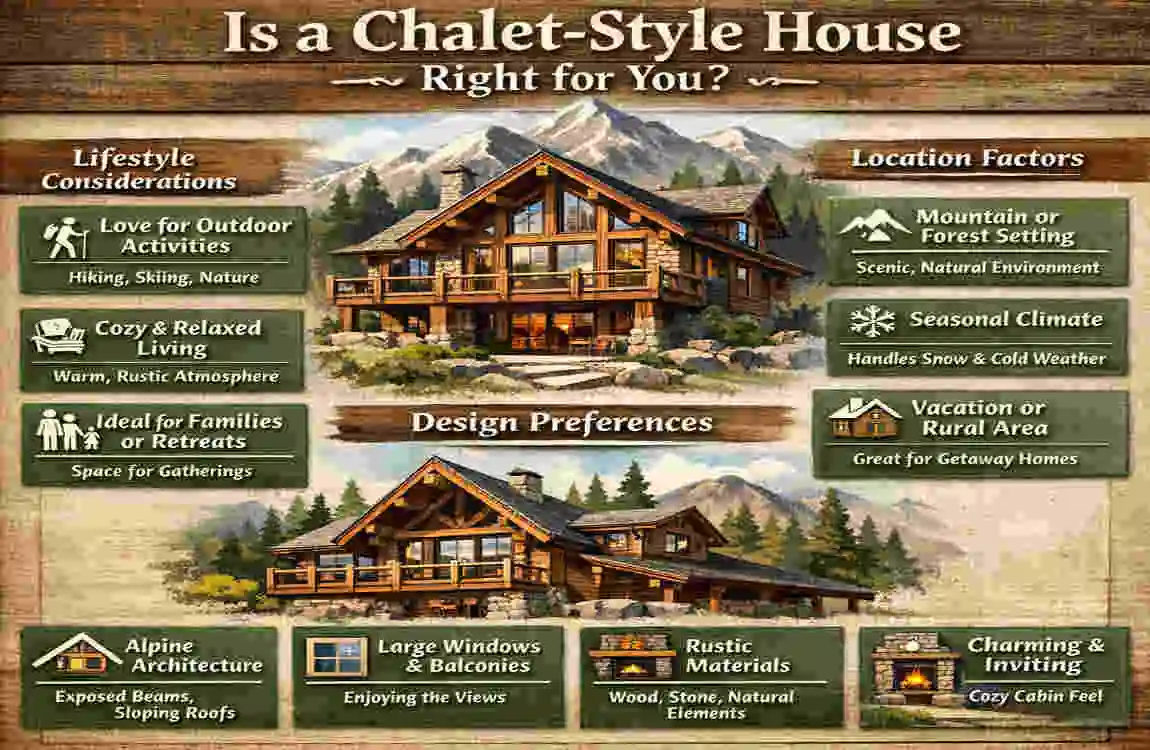
The right chalet style depends on your lifestyle. If you value tradition, a classic Alpine chalet may be ideal. If you want flexibility, a chalet bungalow could be the better choice. If you prefer clean lines and modern comfort, a contemporary chalet may suit you best.

This variety is one reason chalet homes remain popular in so many places. The style can change without losing its identity.

Style comparison table

StyleRoof / DesignMaterialsIdeal Location

Traditional Chalet Steep, heavy roof with rustic form Wood, stone, natural finishes Alps, mountain towns, snowy regions

Chalet Bungalow One and a half stories with dormers Mixed materials, often wood and brick Hillsides, suburbs, semi-rural areas

Modern Chalet Pitched roof with glass and clean lines Reclaimed wood, metal, glass, solar-ready materials Resorts, luxury neighborhoods, mountain retreats

Current design trends in chalet homes

Today, many chalet homes are built with sustainability in mind. That means energy-efficient windows, better insulation, solar panels, and materials that last longer while using fewer resources. There is also a growing interest in blending rustic charm with modern function.

In other words, chalet design is no longer stuck in the past. It keeps evolving.

Modern Chalet Designs for Today’s Lifestyle

Modern chalet homes are especially appealing because they work well for the way people live now. Many homeowners want more open space, better natural light, and room to work from home. Chalet design has adapted to meet those needs.

Open layouts and high ceilings

Traditional chalets could feel smaller and more divided. Modern versions often use open floor plans to make the home feel larger and more connected. Living, dining, and kitchen spaces may flow into one another.

High ceilings are another common feature. They help the home feel airy and spacious. In a chalet, this also creates room for dramatic windows and exposed beams.

Comfort-focused design

Modern chalet homes often include features that support everyday living, such as:

  • Large, practical kitchens
  • Spa-style bathrooms
  • Cozy family rooms
  • Built-in storage
  • Home offices or study areas
  • Lofts for extra sleeping or relaxation space

These details make the home more livable without losing the cozy feeling that defines the style.

Sustainable building choices

Many people who build modern chalets want the house to be comfortable and efficient. That is why sustainability matters. Common choices include:

  • Energy-efficient windows
  • Strong insulation
  • Reclaimed wood
  • Low-impact building materials
  • Solar panels
  • Efficient heating systems

These features can help reduce energy use and improve long-term comfort. They also support a more responsible approach to building.

Designed for remote work and hybrid living

The modern chalet is also a great fit for remote work. Many people now want a home office with privacy, natural light, and a quiet atmosphere. Chalet homes can provide that easily, especially when lofts, upper floors, or bonus rooms are included.

This makes them attractive not just as vacation homes but also as full-time residences.

A mix of old and new

What makes modern chalet homes so special is the balance between tradition and innovation. They still feel warm and grounded, but they also meet the demands of current living. That balance gives them a lasting place in home design.

If you are asking what is a chalet house in the modern sense, the answer is simple: it is a home that honors alpine tradition while embracing today’s needs.

Costs and Building Guide for Chalet Houses

Building a chalet can be a dream project, but, like any custom home, it requires careful planning. Costs can vary widely depending on the size of the house, location, terrain, materials you choose, and the level of customization you want.

What affects the cost?

Several factors influence the final budget:

  • Size of the home
  • Slope and quality of the land
  • Type of materials used
  • Roof complexity
  • Labor costs in the area
  • Permits and site preparation
  • Interior finishes and upgrades

A chalet built on flat land may be easier to manage than one on a steep hillside. But mountain homes often sit on sloped land, which can mean extra foundation work and engineering.

General budget range

A chalet home can range widely in price. Smaller, simpler builds may be more affordable, while custom luxury homes can cost much more. The final total depends on your goals and your location.

It is also important to remember that a chalet house is often not just a build cost. It is a lifestyle investment. You are paying for design, comfort, and long-term value.

Steps to building a chalet house

Here is a simple way to think about the process:

  1. Choose the right land
  2. Look for a site that fits the home’s shape and purpose. Sloped land can be ideal, but it needs proper planning.
  3. Work with an architect or designer
  4. Decide whether you want a traditional chalet, a chalet bungalow, or a modern version. A good plan will save time and money later.
  5. Handle permits and surveys
  6. Mountain- and hillside sites often require additional checks for drainage, stability, and local rules.
  7. Prepare the site
  8. Clear and level the land where needed. Build access roads or support systems if required.
  9. Start construction carefully
  10. In snowy or wet climates, roof structure and weather protection are especially important.
  11. Focus on insulation and efficiency
  12. A chalet should be cozy, not drafty. Good insulation and quality windows make a big difference.

Should you use pre-made plans?

For some buyers, pre-made mountain home plans are a smart starting point. They can reduce design time and give you a clear idea of room layout and roof shape. You can often customize them later to fit your needs.

This is a useful option if you want the chalet look but do not want to start entirely from scratch.

Why planning matters so much

A chalet house may look simple from the outside, but it can involve serious design decisions behind the scenes. Planning the roof, structure, heating, and insulation properly will make the home more comfortable and more durable.

If you are serious about building one, take time to study the land, the climate, and the long-term costs before you begin.

Pros, Cons, and Maintenance Tips

Chalet House

Like any home style, chalets come with strengths and trade-offs. Knowing both sides will help you decide whether this style is right for you.

The main advantages

Chalet houses are loved for many reasons. They are:

  • Cozy and inviting
  • Beautiful in mountain settings
  • Strong in snowy climates
  • Flexible in style
  • Great for vacation living
  • Able to hold long-term value when built well

Their charm is hard to ignore. They create a feeling of escape and comfort that many modern homes struggle to match.

The possible downsides

There are also challenges to consider. Chalet homes may require:

  • More maintenance on roofs and wood surfaces
  • Careful insulation planning
  • Higher costs for custom mountain builds
  • Extra attention to snow load and drainage
  • Regular checks for weather wear

These are not deal-breakers, but they do matter. A chalet home needs thoughtful upkeep to stay beautiful and safe.

Easy maintenance habits

A few simple habits can make a big difference:

  • Check the roof each year for damage
  • Refinish or treat wood as needed
  • Keep gutters and drainage systems clear
  • Inspect windows and seals before winter
  • Watch for moisture in stone or timber areas

If you stay ahead of maintenance, your chalet will be much easier to enjoy.

Is a chalet house worth it?

For many people, yes. The combination of beauty, comfort, and connection to nature is hard to beat. If you love mountain views, cozy interiors, and timeless design, a chalet home can be a wonderful choice.

Frequently Asked Questions About Chalet Houses

What is a chalet house exactly?

A chalet is a wooden, Alpine-style home with a steep roof, wide eaves, and a design suited to snowy or mountainous regions.

Is a chalet house the same as a cabin?

No. A cabin is usually simpler and more rustic, while a chalet has a more defined Alpine look and a roof shape built for snow.

What is a chalet bungalow?

A chalet bungalow is a one-and-a-half-story home that combines bungalow living with chalet-style roof features and upper-level dormers.

Are chalet houses expensive to build?

They can be. Costs depend on size, materials, land slope, permits, and custom design details. A simple chalet is less expensive than a luxury mountain home.

Where do chalet houses work best?

They work especially well in mountain areas, snowy climates, forest settings, and scenic hillside locations.

Can a chalet house be modern?

Yes. Many modern chalet homes feature glass, solar elements, open floor plans, and contemporary finishes while retaining the classic roof and warm alpine feel.

Do chalet houses need special maintenance?

They do need regular care, especially for the roof, wood surfaces, insulation, and drainage systems. Good maintenance helps them last longer.

You may also like...

Leave a Reply

Your email address will not be published. Required fields are marked *