More people are looking at Laos as a place where home building can be simple, practical, and more affordable than in many other countries. Whether you are a local buyer, an expat, or an investor, one question usually comes first: how much does it cost to build a house in Laos?
That question matters because the total cost is not just about bricks, cement, and labor. It also depends on land, permits, design, materials, and the location you choose. A home in Vientiane will not cost the same as a house in a rural province. A basic family home will also cost much less than a modern luxury build with imported finishes.
The good news is that Laos offers real opportunities for careful builders. If you plan well, keep your design simple, and understand the local rules, you can control your budget without giving up comfort. At the same time, you need to know the legal side, especially if you are a foreigner, because land ownership rules can be different from what you may expect.
How Much Does It Cost to Build a House in Laos?

Still, many people can expect to spend somewhere between basic to mid-range construction prices per square meter, depending on the location and finish level. If you want a simple, practical home, your budget may stay relatively modest. If you want a large house with imported materials and a custom design, the price can rise quickly.
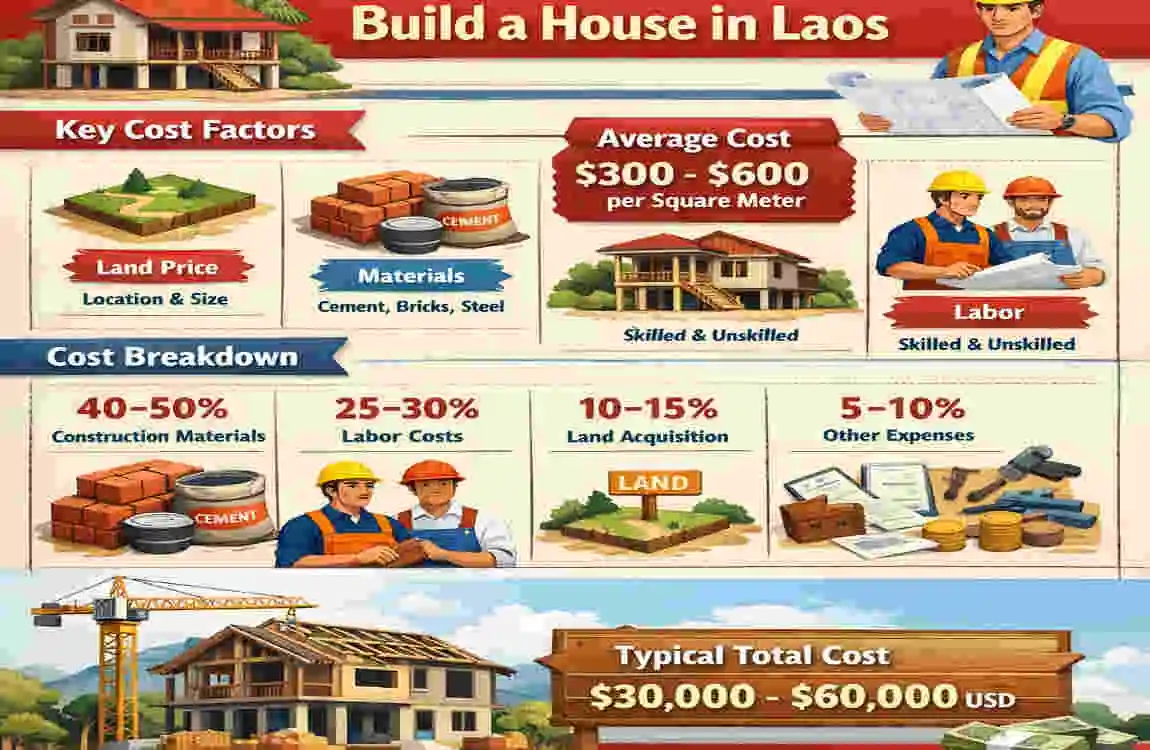
Average Cost Per Square Meter
When people ask how much it costs to build a house in Laos, the most useful way to answer is per square meter. That gives you a rough starting point before you compare houses or plan your budget.
Here is a general guide:
- Basic build: around $250 to $400 per square meter
- Mid-range build: around $400 to $700 per square meter
- High-end build: around $700 to $1,200+ per square meter
These numbers are only estimates, but they help you understand the market. A basic home usually uses simple finishes, local materials, and a straightforward layout. A mid-range home may include better flooring, stronger fixtures, and a more polished design. A high-end house often includes imported finishes, custom features, larger glass areas, and more detailed work.
For example, a 100-square-meter basic home could start at $25,000 to $40,000, while a mid-range house of the same size might cost between $40,000 and $70,000. A luxury build could go much higher, especially if you want premium materials or a large compound.
Factors That Influence Cost
The final price does not depend solely on size. Several other things can change your budget quickly.
Location
Building in a city usually costs more than building in the countryside. In urban areas like Vientiane, land prices are often higher, and labor or transport costs may be higher as well. In rural areas, land may be cheaper, but access to utilities, roads, and construction supplies may be more difficult.
Materials
This is one of the biggest cost drivers. Local materials are usually more affordable because they are easier to source. Imported materials can improve the look and quality of the house, but they often sharply raise the total cost.
Labor Costs
Labor in Laos is often more affordable than in many nearby countries, but prices still depend on workers’ skill levels. A general labor team will cost less than experienced masons, electricians, or specialists. If your design is complex, labor costs will rise too.
Design Complexity
A simple rectangular house is faster and cheaper to build than a custom home with many angles, balconies, special roof shapes, or decorative details. The more complex the design, the more time, material, and skill it needs.
Cost Comparison with Neighboring Countries
It helps to compare Laos with nearby markets. In general, Laos can be more affordable than Thailand, especially in major Thai cities. However, this depends on the area and finish level. Compared with Vietnam, the gap may be smaller, but Laos can still be competitive for basic and mid-range homes.
This is why many buyers see Laos as a place where they can get more value for their money. Of course, low cost should never be your only goal. Quality, legal safety, and long-term maintenance matter just as much.
Can Foreigners Build a House in Laos?
Yes, foreigners can often build a house in Laos, but the legal side is important. This is not a place where you should make assumptions. The rules around land and property are more restricted than in some other countries, so you need to understand what you can and cannot do before you spend money.
Property Ownership Laws
In Laos, foreigners generally cannot own land directly, as local citizens can. This is a major point to understand from the start. You may be allowed to own or use certain structures or lease property under specific arrangements, but land ownership rules are limited.
That means your plan may need to focus on:
- Leasehold land
- Long-term land use agreements
- Ownership through approved business structures, where legally allowed
- Partnerships with local citizens, depending on the case
Because laws can be strict and situations can vary, it is wise to get proper legal advice before you sign anything.
Legal Workarounds and Partnerships
Some foreigners work with local partners or use long-term lease agreements to access land. These options may make sense in some cases, but they must be handled carefully. A handshake deal is not enough. You want clear documents, legal review, and complete transparency.
A long-term lease can offer stability, especially if you plan to live in Laos for many years or use the home as part of an investment plan. But even then, you should understand exactly who controls the land, what rights you have, and what happens when the lease ends.
Permits and Documentation Required
Before construction begins, you may need several approvals. These can include:
- Construction permits
- Local authority approvals
- Land use or lease documents
- Identity and ownership papers
- Project drawings or plans
The exact requirements may vary by location and project type. If you are not familiar with the local process, work with someone who understands Laos construction rules and can help you avoid delays.
Choosing the Right Location
One of the smartest decisions you will make is where to build. Location affects cost, convenience, quality of life, and future value. A good location can make everyday life easier and may also protect your investment over time.
Urban vs. Rural Areas
Urban areas
Cities like Vientiane offer easier access to services, schools, shops, hospitals, and transport. If you want convenience and better infrastructure, city life can be attractive. Urban areas may also be a better fit if you want to rent the home later or sell it in the future.
The downside is cost. Land is usually more expensive, and there may be more competition for good plots.
Rural or suburban areas
Rural or suburban locations can be cheaper and quieter. You may get a larger plot for less money, which is useful if you want a spacious home or garden. These areas can also offer a more relaxed lifestyle.
However, lower land prices can come with trade-offs. Roads may be less developed, utilities may be limited, and sourcing materials or finding skilled workers may take longer.
Infrastructure Considerations
Before you choose a plot, look closely at the basic services around it. Ask practical questions:
- Is there reliable road access?
- Can you connect to electricity?
- Is clean water available?
- Is internet access strong enough for your needs?
- Are drainage and flood risks under control?
These questions matter because cheap land can become expensive if you later need to pay for utility connections, road improvements, or drainage fixes.
Land Prices and Availability
Land prices in Laos vary by province, district, and neighborhood. Areas near business centers, schools, or major roads often cost more. Land in developing areas may be cheaper, but you need to check the long-term outlook.
If you are building for personal use, consider comfort and accessibility. If you are building for investment, think about growth potential and future demand.
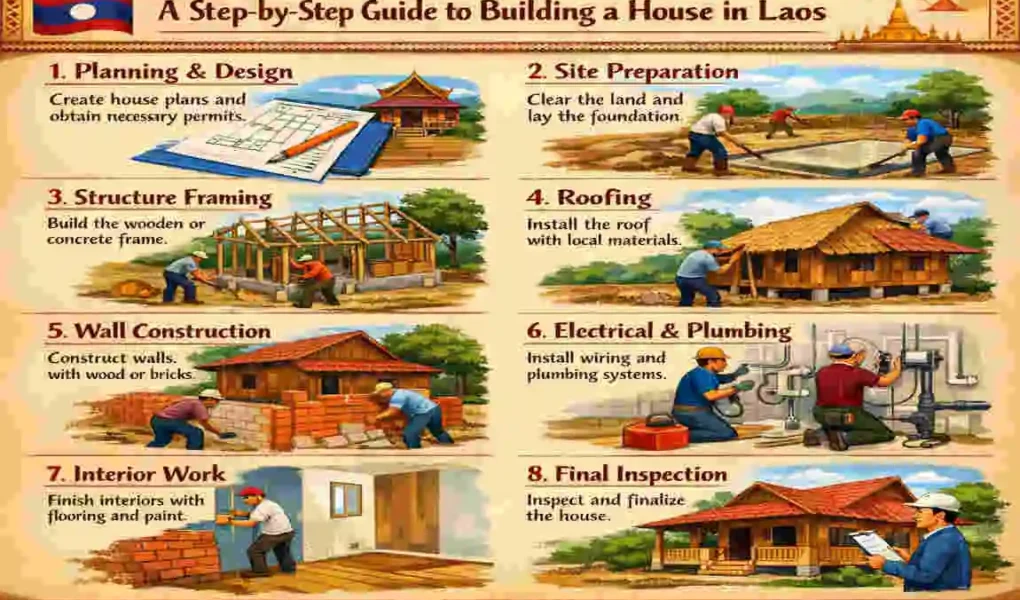
Step-by-Step Process to Build a House in Laos

Building a house is easier when you break it into clear steps. If you try to rush, you are more likely to overspend or make avoidable mistakes. A slow, organized approach is usually safer and cheaper in the long run.
Budget Planning and Design
Start with a realistic budget. This is the moment to decide what kind of house you truly want and what you can honestly afford. Do not begin with a dream design that exceeds your budget. Instead, build a plan that matches your financial limits.
Think about:
- House size
- Number of bedrooms and bathrooms
- Style of the home
- Type of roof
- Interior finish level
- Outdoor space
A simple design is often the smartest choice. Straight lines, practical room sizes, and local materials can help you save money right away. You can also hire an architect or designer to create plans that fit the land and follow local building rules.
Acquire Land or Lease Property
Once you know your budget and design goals, you need to secure land or a lease. This stage deserves patience. Always check the property’s legal status before moving forward.
Make sure you verify:
- Who truly owns or controls the land
- Whether the land is legally usable for your project
- Whether any disputes or restrictions exist
- Whether the property has the right documents
If you are a foreigner, this step is especially important. Do not rely on verbal promises. Get everything in writing and have it checked carefully.
Obtain Permits and Approvals
Before breaking ground, get the needed permits. Local rules can vary, so the process may differ in every area. You may need to submit drawings, project details, and proof of your right to build on the land.
It is smart to keep all your papers in one folder. That can include:
- Land or lease documents
- Copies of identification
- Site plans
- Design drawings
- Approval letters
- Contact details for local offices
Having organized paperwork can save you a lot of stress if questions come up later.
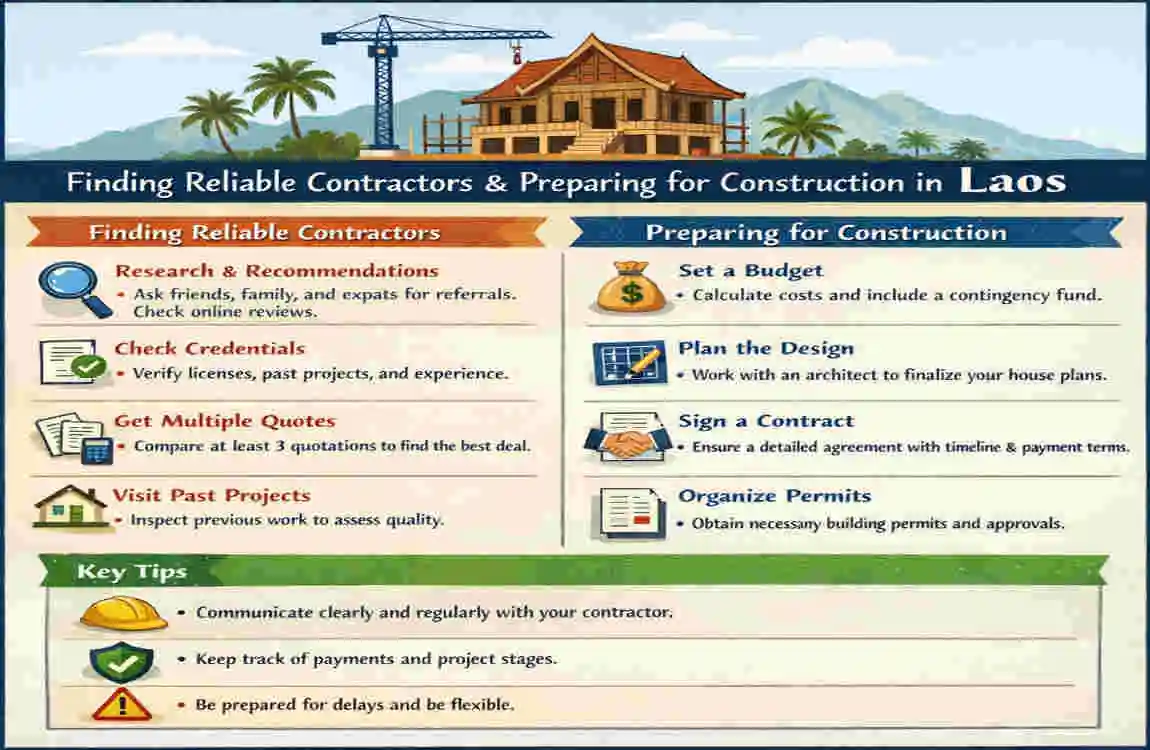
Hire Contractors and Labor
Choosing the right contractor is one of the most important parts of the project. A cheap quote is not always a good quote. You want someone reliable, clear, and experienced with the type of house you’re looking for.
When comparing builders, ask about:
- Past projects
- Timeline
- Labor team size
- Material sourcing
- Payment schedule
- Warranty or repair support
Try to speak with more than one contractor. This helps you compare prices and spot major differences in quality or service. A good contract should clearly state what is included, what is not, and when payments are due.
Site Preparation and Foundation Work
After approval and hiring, the actual build starts with site preparation. This may include clearing the land, leveling the ground, and checking the soil. Soil testing matters because weak soil can create serious problems later.
The foundation is the base of the whole house. If it is done badly, the rest of the project may suffer. So even if you want to save money, do not cut corners here. Good foundation work supports safety and long-term durability.
Structural Construction
Now the main structure begins to take shape. This stage usually includes:
- Columns and beams
- Walls
- Roof framing
- Roofing material
- Basic room layout
Your material choices matter a lot here. Some people prefer concrete blocks for strength and durability. Others may choose wood or mixed materials, depending on style and climate. The best choice depends on your budget, maintenance needs, and the local environment.
This is also where project supervision matters. Watch progress closely and ensure the work aligns with the plan. Small mistakes in the structure can become big and expensive problems later.
Plumbing, Electrical, and Utilities
Once the structure is in place, the house needs its working systems. This includes water lines, drainage, wiring, sockets, switches, and sometimes air conditioning setup.
These systems should be installed carefully and safely. Poor electrical work can be dangerous. Bad plumbing can lead to leaks, mold, or water damage. A qualified worker may cost more, but the extra cost is often worth it.
You should also think about utility access before finishing the build. It is better to solve these issues early than to open walls again later.
Step 8: Interior and Exterior Finishing
This stage brings the house to life. Finishing work may include:
- Flooring
- Painting
- Ceiling work
- Doors and windows
- Kitchen fittings
- Bathroom fixtures
- Lighting
- Exterior paint
- Landscaping
Finishing is where style and budget meet. This is also where many people overspend without realizing it. Fancy tiles, imported taps, or decorative lighting can add up fast. If you want to stay within budget, choose your finishing materials carefully and focus on the items that matter most to daily comfort.
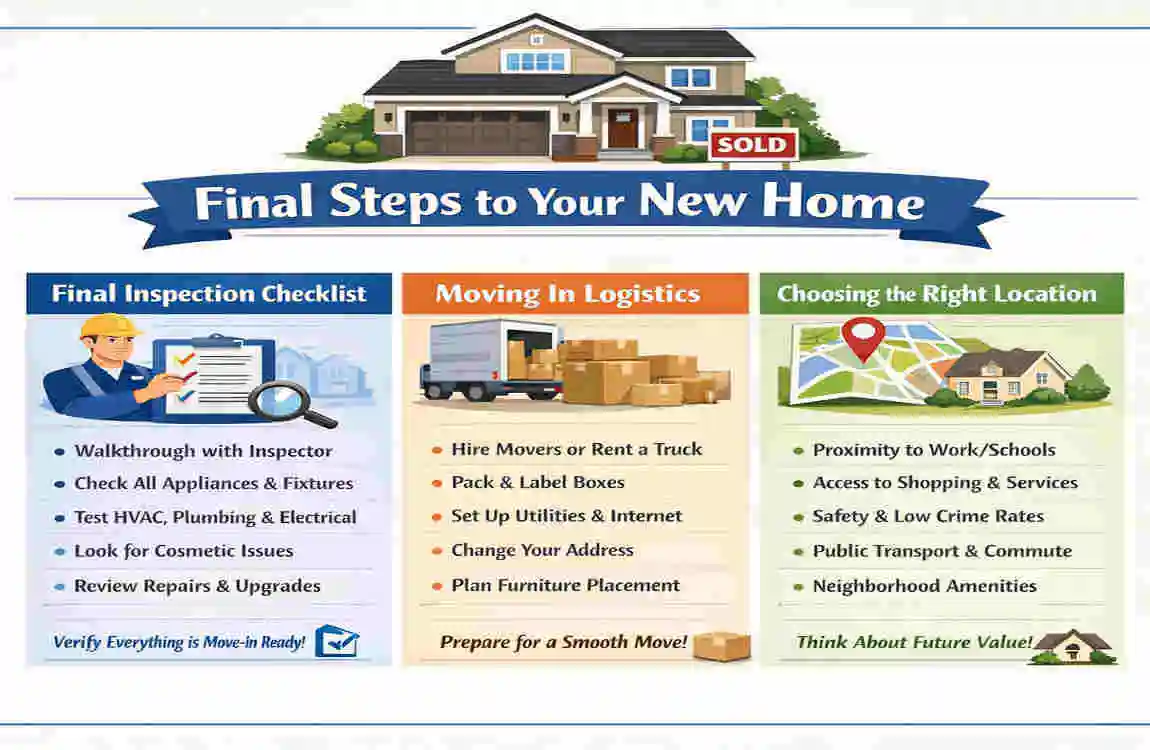
Final Inspection and Move-In
Before you move in, walk through the house and inspect everything. Look for cracks, leaks, uneven surfaces, or loose fittings. Test the water, lights, doors, locks, and drainage.
If possible, make a checklist and go room by room. Some builders will fix small issues before final handover. After that, arrange final utility connections, if needed, and prepare your home for move-in.
A careful final inspection can save you from future repair costs and frustration.
Cost Breakdown by Construction Stage
Many first-time builders want to know where the money really goes. This table provides a simple overview of the typical cost areas in a Laos house project.
Construction StageWhat It Usually CoversApproximate Share of Total Budget
Land and legal fees Land purchase or lease, documentation, approvals 10%–30%+
Site preparation and foundation Clearing, leveling, soil work, foundation materials 10%–15%
Structure and shell Walls, beams, roofing, framing 30%–40%
Plumbing and electrical Wiring, pipes, drainage, utility setup 10%–15%
Finishing Flooring, paint, fixtures, doors, windows, décor 15%–30%
These percentages are only general guides. Your exact numbers will depend on the size of the house, location, and finish level. Still, the table makes one thing clear: the structure and finishing stages usually account for the largest share of the budget.
Land and Legal Fees
If you are buying land, this may be one of the biggest early expenses. If you are leasing, the upfront cost may be lower, but the lease structure matters. Legal fees, approvals, and paperwork also add to the total, especially if the process is not simple.
Construction Materials
Materials like cement, steel, sand, bricks, tiles, wood, and roofing can take a large part of the budget. If imported materials are involved, costs can rise quickly because of shipping and availability.
Labor Costs
Labor in Laos is often more affordable than in many developed markets. However, skilled workers still cost more than general laborers. Good labor is worth paying for because it can reduce mistakes and rework.
Finishing Costs
The final stage often surprises people. A house can look nearly complete, but once you start adding paint, lights, fixtures, cabinets, and decorative touches, the budget can rise fast. This is why many builders keep a reserve fund for finishing.
Tips to Save Money When Building in Laos
You do not need to spend more than necessary to build a good home. Smart planning can make a huge difference.
- Use locally sourced materials whenever possible.
- Keep the design simple with fewer complex shapes.
- Compare contractor quotes before you decide.
- Build in phases if your budget is tight.
- Track progress closely so problems are caught early.
These small choices can protect your budget without significantly lowering quality. In many cases, the best way to save is to plan carefully before work starts.
A good tip is to spend more on what affects safety and durability, and save on features that are mainly decorative. That balance can help you get a home that feels solid, comfortable, and affordable.
Common Challenges and How to Overcome Them

Like any construction project, building in Laos comes with challenges. The key is not to panic. Most problems can be managed if you know what to expect.
Language Barriers
If you are not fluent in Lao, communication can become difficult. Misunderstandings can lead to delays or mistakes. The best solution is to work with someone who can translate clearly and accurately. Written notes, drawings, and clear agreements also help.
Quality Control Issues
Some contractors may cut corners if they are not supervised carefully. This is why regular site visits matter. If you cannot visit in person often, have someone you trust check the work for you.
Delays in Construction
Weather, supply problems, or slow approvals can delay your project. Build some extra time into your schedule. If your plan is too tight, even a small delay can create stress.
Regulatory Hurdles
Rules and approvals may feel slow or unclear at times. Stay patient and keep your documents organized. If needed, work with a local professional who understands the process.
Is Building a House in Laos Worth It?
For many people, the answer is yes, but only if they plan well. Laos can offer good value, especially if you want a more affordable build and a calmer lifestyle. In many cases, the cost of construction can be lower than in nearby areas, making the country attractive to both residents and investors.
Cost vs. Value
The true value of a home is not just the price tag. It is also about location, comfort, durability, and future use. If you choose the right land, use the right materials, and manage the build carefully, your home can deliver strong long-term value.
Lifestyle Benefits
Many people enjoy the slower pace, natural surroundings, and relaxed lifestyle that Laos can offer. If you want a home that feels peaceful and practical, building house may be a better option than buying a ready-made property that doesn’t fit your needs.
Investment Potential
If you are building for investment, location and legal structure are everything. A well-placed home with the right approvals can hold good value over time. But you should never treat the project as a shortcut. Careful planning is the key to making it worthwhile.
FAQs
How much does it cost to build a house per square meter in Laos?
A rough estimate is $250 to $400 per square meter for a basic build, $400 to $700 for a mid-range build, and $700 to $1,200+ for a high-end build. The real price depends on location, materials, and finish level.
Can foreigners own land in Laos?
In general, foreigners cannot directly own land in Laos the way local citizens can. Leasehold options and other legal structures may be available. Still, you should always check the current rules and get proper legal guidance.
How long does it take to build a house in Laos?
A simple home may take several months to around a year, depending on size, permits, labor, weather, and material availability. Larger or more complex projects can take longer.
Is labor cheap in Laos?
Labor is often more affordable than in many neighboring markets, but skilled workers still cost more than general labor. Cheap labor should not mean poor quality, so it is important to choose reliable contractors.
What is the biggest expense when building a house?
Usually, the biggest costs are structure, finishing, and land-related expenses. In some projects, imported materials or legal fees may also become major cost drivers.