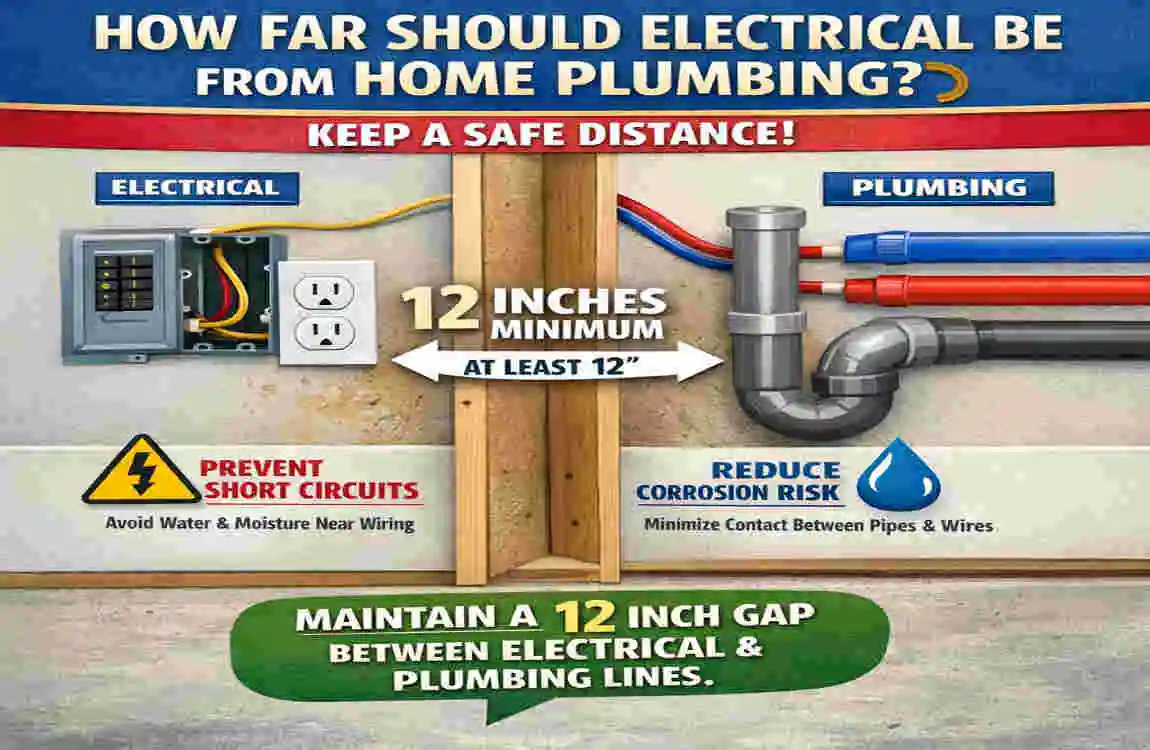
Mixing water and electricity is one of the biggest safety risks in any home. Even a small mistake in how wiring and pipes are placed can lead to serious problems, including shock, fire, or expensive damage. That is why the question of how far electrical needs to be from home plumbing matters so much.
If you are a homeowner, a DIYer, or someone planning a remodel, you need to understand the basic spacing rules for electrical and plumbing systems. These rules are not just there to make the job look neat. They are there to protect people, keep equipment working properly, and help your home pass inspection.
The truth is, there is no single answer that works for every home or situation. The exact clearance depends on the type of wiring, the location, and the building code used in your area. Bathrooms, kitchens, basements, laundry rooms, and outdoor spaces each pose different safety concerns.
| Scenario | Minimum Distance | NEC Reference/Notes |
|---|---|---|
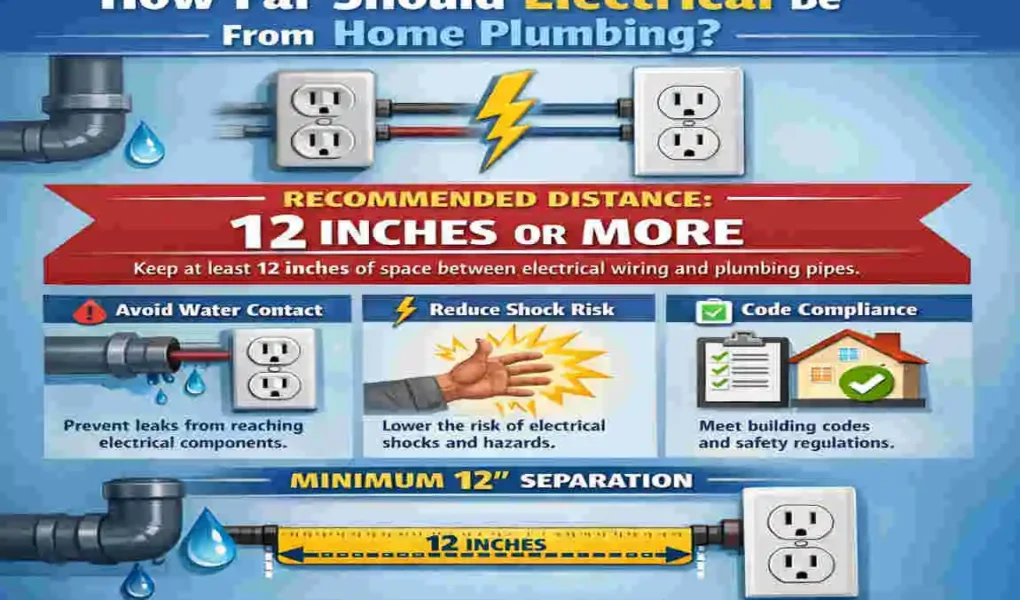
| Electrical runs (conduit/cable) to water lines | 18 inches | NEC 300.20.B; measured from outermost surfaces |
| Copper water lines to main electrical panel | 6 inches (or 3 inches with insulation/metal raceway) | Standard NEC guideline; exceptions for protected lines |
| Plumbing fixtures (e.g., sinks) to electrical panels | 24 inches vertically | International Residential Code P2803.42 |
| General electrical wires to plumbing pipes | No fixed minimum (except panels) | Keep separated to avoid moisture/corrosion risks |
| Pipes in front of electrical panel access | Outside 30″x36″x78″ zone | No pipes allowed in required working clearance |
Why Electrical-to-Plumbing Distance Matters

Safety Risks of Poor Separation
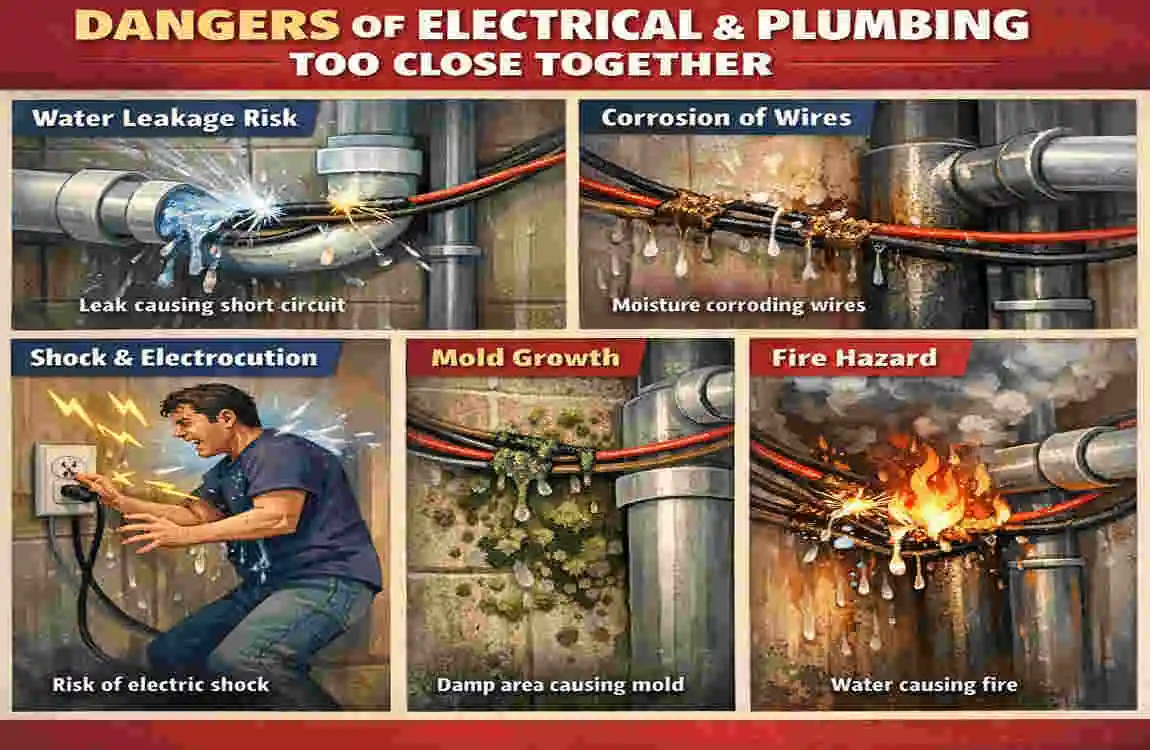
When wiring sits too close to plumbing, the first concern is electrical shock. Water is a conductor, which means it can help electricity travel where it should not. If a pipe leaks, sweats, or bursts near wiring, the risk goes up fast.
Another major danger is fire. Damaged insulation, loose connections, or overheated wires can spark. If those wires are crowded around pipes, insulation, wood framing, or other materials, a minor issue can quickly escalate.
There is also the issue of water-damaged wiring. Electrical systems are not built to handle constant moisture. Water can corrode metal parts, weaken insulation, and lead to short circuits. Even if the damage is not obvious right away, the system may fail later.
Building Code Requirements
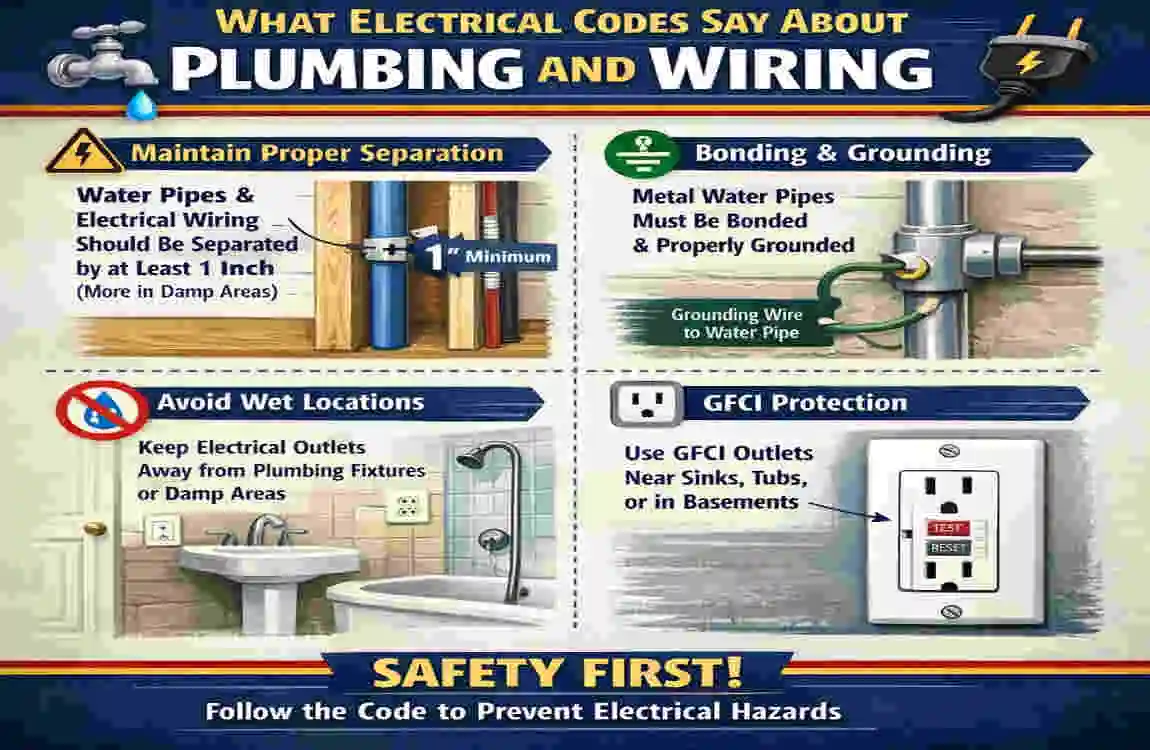
Spacing rules are not based on guesswork. They are tied to national and local building codes, which are written to reduce danger and improve consistency in construction. The National Electrical Code, often called the NEC, provides broad safety standards, but local rules can be stricter.
This is important because a project that looks fine to a homeowner may still fail inspection if it does not meet code. If you are adding wiring near a sink, pipe chase, water heater, or basement line, the inspector may check clearances, protection methods, and device placement.
Following the code also protects you in the long run. It can help prevent failed inspections, delays, and rework. More importantly, it helps make sure your home is built in a way that is safer for everyone who lives there.
Long-Term Reliability
Good separation between plumbing and wiring is not only about avoiding emergencies. It also improves long-term reliability. If wires stay dry and protected, they are less likely to corrode or break down over time.
That means fewer electrical faults, fewer nuisance trips, and less maintenance. It also helps prevent hidden damage inside walls, ceilings, or crawl spaces. Once water and electricity interact in the same confined space, repairs often become more difficult and more expensive.
So when you ask how far does electrical have to be from home plumbing, you are really asking how to protect your home from avoidable damage. The answer affects safety today and performance years from now.
How Far Does Electrical Have to Be from Home Plumbing?
General Distance Guidelines
The short answer is that the required distance can vary. Still, the main idea is simple: wiring should not be installed so close to plumbing that normal moisture, leaks, or pipe movement can affect it. In many cases, the code does not provide a single universal number for every situation. Instead, it focuses on safe separation, proper routing, and protection.
For example, if an electrical cable runs near a pipe in a wall, the cable should be kept far enough away to avoid direct contact, friction, and condensation. If the pipe can sweat or drip, the wire should be placed where water cannot collect on it.
In practice, many electricians aim for a clear, comfortable gap rather than a tight fit. A few inches may be acceptable in some dry, protected conditions. At the same time, wet or high-risk areas may require greater separation and additional protection. The exact need depends on the setting and local code.
Horizontal vs. Vertical Separation
Distance rules are not only about how far things are side by side. Vertical spacing matters too.
If electrical wiring runs above plumbing, there is always a chance of water dripping downward if the pipe leaks. If wiring is below plumbing, it may still be at risk from condensation, flooding, or maintenance work. This is why electricians think about both the direction and the location of the run.
A pipe and a wire can sometimes cross safely if they are properly protected. But they should not be bundled together or forced into the same tight path unless the code allows it and the installation is properly shielded.
Code-Based Standards
The NEC provides broad rules for safe wiring near water and in wet locations. Still, it does not always provide a single number for every plumbing situation. Instead, it focuses on proper equipment, protection, and safe installation methods.
That is why local building codes matter so much. A city, county, or state may have extra requirements for bathrooms, basements, crawl spaces, or outdoor areas. In some places, the inspector may also expect certain conduit types, protective boxes, or moisture-resistant materials.
If you are wondering how far electrical needs to be from home plumbing, the most accurate answer is: far enough to avoid contact, moisture exposure, and code violations, with the exact distance depending on the location and the type of installation.
Situations Where Distance Rules Change
There are some places where the rules become stricter very quickly:
- Wet locations like bathrooms, laundry areas, unfinished basements, and outdoor spaces
- Areas with condensation, such as near cold-water lines in humid spaces
- Spaces around water heaters, sump pumps, or utility sinks
- Places where pipes may move because of temperature change, expansion, or maintenance work
In these areas, a small gap may not be enough unless the wiring is also protected. Moisture-resistant devices, GFCI protection, conduit, and proper box placement often become part of the solution.
Key Areas Where Electrical and Plumbing Interact
Bathrooms
Bathrooms are among the most important areas to consider when planning electrical and plumbing clearance. They contain sinks, showers, tubs, and toilets, and often have limited space, which means wiring must be installed with extra care.
One of the most important safety features in bathrooms is the GFCI outlet. This device helps reduce the risk of shock by quickly shutting off power if it detects an unsafe electrical fault. In wet areas, that protection is essential.
Bathroom outlets also need to be placed with the sink, tub, and shower layout in mind. Wiring should not be squeezed behind plumbing lines where moisture may collect. Even if the distance looks small, the real issue is whether the installation is protected from splashes, leaks, and humidity.
Kitchens
Kitchens create another high-risk mix of water and electricity. You have sinks, dishwashers, refrigerators, disposals, and sometimes water filtration lines all in the same space.
Kitchen wiring must be carefully planned around the sink and the plumbing wall. Electrical outlets serving countertops must comply with spacing and safety rules, and appliance circuits must be installed. Hence, they avoid contact with pipes and water.
Dishwashers and garbage disposals are especially important. These appliances often sit directly below the sink, where plumbing is already crowded. Wiring in this area should be protected, secured, and kept clear of drain lines, supply lines, and any place where leaks could develop.
Laundry Rooms
Laundry rooms are often overlooked, but they can be just as tricky. Washing machines use both electricity and water, and the hookups are often close together.
The electrical outlet for a washer should be placed in a dry, accessible location. It should not be hidden behind plumbing lines in a way that makes repairs difficult. If a hose leaks or bursts, wiring in the splash zone can be damaged very quickly.
Dryers also need careful planning. While a dryer does not use water, the room still contains plumbing for the washer, and moisture may collect on walls or floors. Good layout and separation help reduce future problems.
Basements and Utility Areas
Basements and utility rooms often contain water heaters, shutoff valves, drain pipes, sump pumps, and electrical panels all in one place. That makes them some of the most important areas for electrical-plumbing spacing.
Electrical panels should always stay dry and accessible. Pipes should not run directly over the panel if possible, as leaks or condensation can pose a serious hazard. Even a slow drip can cause lasting damage.
Water heaters also need enough room for safe servicing. Electrical connections and plumbing lines should be arranged so that future maintenance can happen without disturbing the wiring. Good planning here saves time and avoids dangerous shortcuts later.
Minimum Clearance Rules and Best Practices

Horizontal Separation Guidelines
In general, you want enough horizontal space between pipes and wires so that one does not interfere with the other. There is no single rule that fits every home. Still, the goal is to prevent direct contact, heat transfer, water exposure, and physical damage.
When running cable near a pipe, think about what could happen during everyday use. Could someone drill into the wall later? Could a plumber need to move the pipe? Could a leak form and wet the cable? If the answer is yes, the layout probably needs more space or more protection.
Here is a simple way to think about it: the farther apart, the safer, as long as the installation remains practical and code-compliant.
Vertical Clearance Rules
Vertical clearance is just as important. A wire placed above a pipe might seem safe at first, but gravity does not care about neat layouts. A leak can drip downward. A sweating pipe can wet the material below it. A fitting failure can cause water to spread farther than expected.
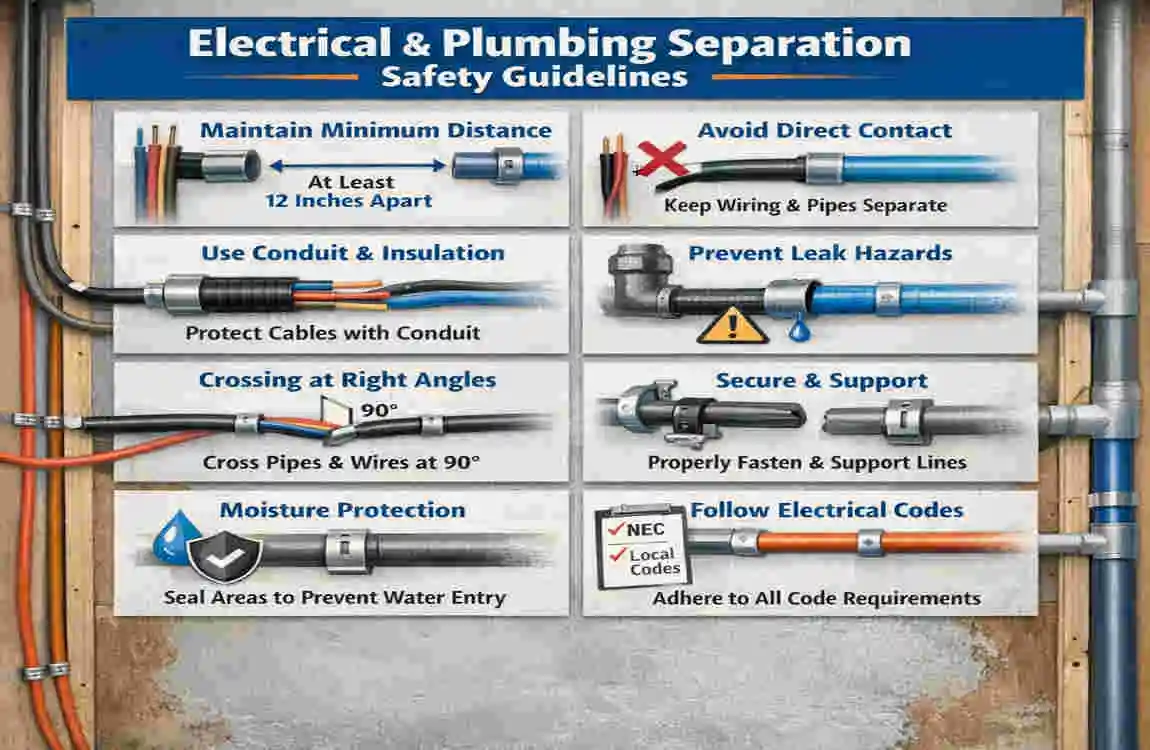
When possible, separate the two systems so water cannot fall directly onto electrical parts. If crossing is unavoidable, use proper protection and secure the installation to keep it stable.
Protective Barriers and Conduits
Sometimes the best solution is not extra distance but extra protection. That is where conduits, shielding, and barrier methods come in.
Conduit helps protect wiring from moisture and physical damage. It can also make the installation easier to inspect and maintain. In some locations, waterproof or moisture-resistant boxes are also needed.
Pipe insulation can also help in some situations by reducing condensation. This is useful around cold-water lines where sweating can happen in humid conditions. If a pipe is less likely to drip, the nearby electrical system is safer.
GFCI and AFCI Protection
In wet or high-risk areas, GFCI protection is one of the best safety tools available. It helps stop power when it detects a ground fault, which is exactly the kind of problem that can happen around water.
In other parts of the home, AFCI protection may also be required. AFCI devices help reduce the risk of arcing faults, which can occur when wiring is damaged or improperly installed. While AFCI is not a plumbing-specific device, it adds another layer of safety in crowded utility spaces.
Clearance and Protection Overview
Area Main Risk Common Protection Good Practice
Bathroom Splashing, moisture, shock risk GFCI outlets, moisture-resistant boxes Keep wiring away from sink and shower zones
Kitchen Sink leaks, appliance moisture GFCI, protected appliance circuits Separate wire runs from drain and supply lines
Laundry room Hose leaks, humidity GFCI, secure cable routing Do not crowd washer hookups
Basement/utility room Condensation, dripping pipes Conduit, panel clearance, insulation Keep panels dry and accessible
Outdoor area Rain, weather exposure Weather-rated boxes, conduit Use materials approved for wet locations
Common Electrical-Plumbing Installation Mistakes
One of the biggest mistakes is running wires too close to water pipes just because there is limited space. Tight spaces are common, but that does not make them safe. A wire should not be pressed against a pipe, hidden behind a leak-prone fitting, or placed where it can rub over time.
Another common problem is ignoring wet-location requirements. A room may look dry most of the time, but if it has a sink, washer, shower, or basement drain, it may still count as a damp area under the code.
Improper grounding is another issue. If electrical work is done near plumbing, the plumbing system must be properly grounded. Metal pipes should never be treated as a shortcut for safe grounding unless the code specifically allows the method and it is installed correctly. Guessing here can be dangerous.
People also make mistakes in overcrowded utility spaces. They pack in too many lines, boxes, and devices, making future repairs difficult. This increases the risk of accidental damage and makes inspection more difficult.
Finally, many problems come from DIY work done without code knowledge. A homeowner may know how to connect a wire or fit a pipe but still miss a spacing rule, a protection requirement, or a box location rule. That is how small mistakes turn into expensive fixes.
DIY vs. Professional Installation
What Homeowners Can Safely Do
Homeowners can often do the planning stage safely. That means thinking through the layout, identifying wet areas, and deciding where pipes and wires should not overlap.
You can also help by marking likely problem areas, checking for visible leaks, and ensuring the area is clear before work begins. If you are replacing a fixture or moving a small outlet, you can prepare the space and identify the risks.
The key is to know the difference between planning and licensed installation. Planning is helpful. Connecting wiring or changing plumbing in a code-sensitive area is another matter.
When to Hire a Licensed Electrician or Plumber
If the job involves new circuits, panel changes, bathroom remodels, kitchen rewiring, water heater hookups, or hidden-wall work, it is usually time to call a professional.
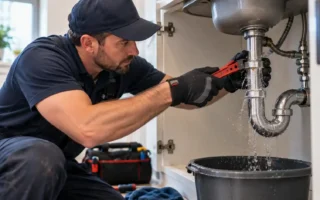
A licensed electrician understands the rules for wiring near water pipes, grounding, box placement, and protection requirements. A licensed plumber understands pipe routing, pressure, shutoffs, and leak prevention. In many projects, both trades need to work together.
This is especially important when the space is tight or the code is not obvious. One bad decision can create a serious hazard later.
Cost Considerations
DIY work may seem cheaper at first, but that is not always the real cost. If you make a mistake, you may pay twice: once to fix the error and again to pass inspection.
Professional work costs more up front, but it often saves money in the long run through better safety, cleaner installation, and fewer repairs. When water and electricity are involved, that extra peace of mind is often worth it.
Safety Tips for Homeowners
To keep your home safer, focus on simple habits that reduce risk over time. Here are a few of the most useful ones:
- Inspect visible wiring and plumbing regularly for signs of leaks, corrosion, or damage.
- Avoid overloading circuits near sinks, washers, and other water sources.
- Keep electrical panels dry and easily accessible at all times.
- Use GFCI outlets in bathrooms, kitchens, laundry rooms, basements, garages, and other wet locations.
- Know your emergency shut-offs so you can quickly stop water or power if a problem arises.
It also helps to listen for warning signs. Buzzing, tripping breakers, warm outlets, rust marks, discoloration, or dripping water near wiring should never be ignored. These are early signals that the system needs attention.
If you are ever unsure, pause and get advice. Safety is much more important than finishing quickly.
Tools and Materials for Safe Installation’

A safe installation often depends on having the right materials from the start. Some of the most useful items include conduit, cable protectors, pipe insulation, voltage testers, and waterproof electrical boxes.
Conduit gives wiring a physical layer of defense. Cable protectors help prevent damage where wires pass through hard-to-control areas. Pipe insulation can reduce condensation on cold lines. Voltage testers help confirm that power is off before work begins, and waterproof boxes are important in damp or exposed locations.
Using the right materials is not just about meeting code. It also makes the system easier to maintain and less likely to fail later. Good materials give you a stronger, cleaner, and more dependable finish.
FAQs
How far does electrical have to be from home plumbing?
There is no single universal distance that works for every home and every situation. In general, wiring should be kept far enough from plumbing to avoid contact, moisture exposure, and physical damage. The exact spacing depends on the room, the type of installation, and your local building code.
Can electrical wires touch plumbing pipes?
As a rule, they should not be allowed to touch unless a specific code-approved method and protection are in place. Even then, direct contact is usually a bad idea due to moisture, vibration, pipe movement, and the risk of long-term damage.
Are there different rules for bathrooms and kitchens?
Yes. Bathrooms and kitchens often have stricter requirements because they contain sinks, tubs, showers, appliances, and other water sources. These rooms often require GFCI protection, careful outlet placement, and greater spacing from plumbing.
What happens if electrical is too close to plumbing?
If electrical wiring is too close to plumbing, you may face shock hazards, fire risk, water damage, corrosion, code violations, and failed inspections. In some cases, the problem may not appear right away, which makes it even more dangerous.
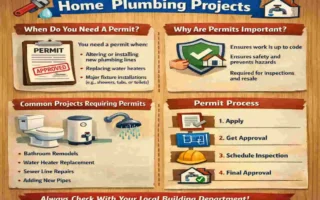
Do I need an inspection for electrical or plumbing work?
In many cases, yes. Permits and inspections are often required for electrical or plumbing work that changes the structure, circuits, or utility layout of the home. Even if your area does not require one for a small project, inspection is still a smart way to confirm that the work is safe and legal.