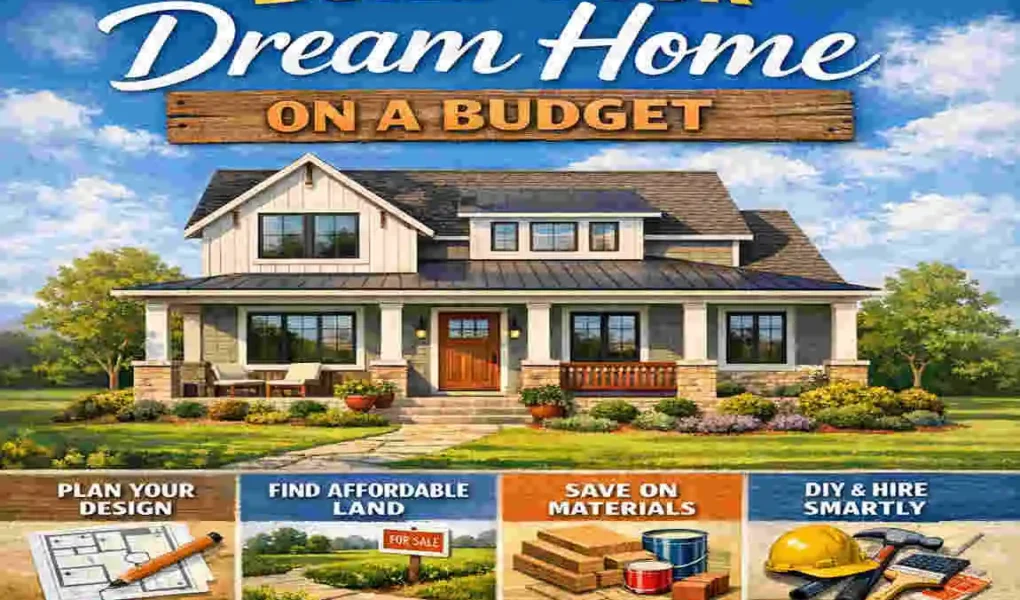
Building your dream home can sound expensive, but it doesn’t have to drain your savings. With the right plan, smart choices, and a clear budget, you can create a home that feels personal, practical, and affordable. The key is not spending less on everything. The key is spending wisely.
| Key Tips | Budget Benefit | ||
|---|---|---|---|
| Define needs vs. wants | Separate “must-haves” (bedrooms, baths, basic finishes) from “nice-to-haves” (luxury fittings, extra rooms). | Prevents overspending on non-essentials early. | |
| Set total budget & contingency | Fix a maximum spend and keep 10–15% aside for surprises. | Avoids stopping mid-project or taking expensive last-minute loans. | |
| Choose plot & house size wisely | Prefer a slightly smaller, well-designed home on a good plot over a large, inefficient layout. | Smaller footprint cuts structure, finishes, utilities, and long-term energy costs. | |
| Simplify design | Use simple shapes (rectangular plans, simple roof), standard window/door sizes. | Reduces structural complexity, labor time, and material waste. | |
| Prioritize structure over finishes | Invest in foundation, frame, and waterproofing first; choose mid-range finishes that can be upgraded later. | Keeps core of the house durable while allowing future cosmetic upgrades. | |
| Get 2–3 quotes | Compare at least three contractors or trades for major work. | Helps find fair prices and spot unrealistic low bids that risk quality. | |
| Use cost-effective materials | Consider engineered wood, ceramic tiles, and good local brands instead of premium imports. | Maintains performance while lowering per-square-foot cost. |
If you are wondering how to build your dream home on a budget, start by planning before you begin construction. Many people go over budget because they choose the wrong land, change plans too often, or buy materials without comparing prices. A smart approach helps you avoid those mistakes.
Define What Your Dream Home Really Means

Before you think about paint colors or fancy features, take a step back and decide what your dream home actually needs. A dream home is not always the biggest home on the street. Often, it is the one that fits your lifestyle, your family, and your budget.
Prioritize Needs vs Wants
Start by separating must-haves from nice-to-haves. You may need two bedrooms, a kitchen with good storage, and a safe outdoor space. A home theater, luxury bathroom, or extra guest room may be nice, but they are not always essential.
This simple step helps you make better decisions later. When money gets tight, you can protect the features that matter most.
Set Realistic Expectations
It is easy to get carried away when looking at house plans online. But bigger homes cost more to build, heat, cool, clean, and maintain. A smaller home with a smart layout can often feel more comfortable than a larger one with wasted space.
Focus on function first. A practical home often gives you more value than a flashy one.
Create a Vision Board
Collect ideas that match your taste and budget. This could include room layouts, exterior styles, storage ideas, or simple design features you love. A vision board helps you stay consistent and avoid expensive changes later.
Create a Realistic Construction Budget
A solid home construction budget is the foundation of your project. If you do not know where your money is going, it is very easy to overspend.
Estimate Total Building Costs
Your budget should include more than just the house itself. Think about:
- Land purchase
- Design and planning fees
- Permits and approvals
- Labor costs
- Materials
- Utility connections
Each of these adds up quickly. Planning for them early gives you a more accurate picture of your total cost.
Include Hidden Costs
Many first-time builders forget the extra expenses. These may include soil testing, drainage work, taxes, landscaping, and insurance. These are not optional in many cases, and they can affect your final bill.
A good budget always has room for these hidden items.
Build an Emergency Fund
Even the best plans can run into problems. Prices can rise. Deliveries can be delayed. Weather can slow work down. That is why you need an emergency reserve.
A smart rule is to set aside 10% of your total budget for surprises. This helps you stay calm when something unexpected happens.
Choose the Right Land Without Overspending
The land you buy can make a big difference in your total cost. A cheap plot may seem like a bargain, but it can become expensive if it needs too much work.
Compare Urban vs Rural Land Prices
Land in the city is usually more expensive. Still, it may already have access to roads, water, electricity, and sewer services. Rural land may cost less upfront, but you may end up paying more for utilities and site preparation.
The cheapest land is not always the cheapest option overall.
Check Site Conditions
Before you buy, check the soil, slope, drainage, and flood risk. If the land needs heavy grading or soil correction, your costs may rise fast. Also think about access for builders and trucks. If the site is hard to reach, labor costs may increase.
Understand Legal Restrictions
Always check zoning rules, permit requirements, and utility connection options before buying land. Some plots look perfect but have restrictions that limit what you can build.
Design a Budget-Friendly Home Plan
Good design can save a lot of money. In fact, one of the best affordable home building tips is to keep the design simple and efficient.
Keep the Layout Simple
Simple shapes are easier and cheaper to build. A rectangular floor plan often costs less than a home with many corners, angles, or unusual features.
Open layouts can also help reduce costs by using space more efficiently and requiring fewer walls.
Build Smaller but Smarter
A smaller home can still feel spacious if the layout is well planned. Use multi-purpose rooms, built-in storage, and open common areas to make the most of every square foot.
This is one of the smartest ideas in budget house construction because it saves money now and in the future.
Focus on Energy Efficiency
A home that uses less energy costs less to live in. Add good insulation, natural lighting, and proper ventilation from the start. These choices may cost a little more upfront, but they can reduce monthly bills for years.
Plan for Future Expansion
If your budget is tight, consider building in phases. You can start with the main structure and add extra rooms later when your finances improve. This approach gives you flexibility without forcing you to delay your dream completely.
Pick Affordable Building Materials
The materials you choose affect both the cost and the durability of your home. Cheap does not always mean smart. The goal is to find affordable construction materials that last.
Compare Traditional vs Alternative Materials
Traditional materials like brick and concrete are strong and dependable. But in some areas, prefab parts, recycled items, or steel framing can be more cost-effective.
The best option depends on your climate, design, and local market.
Buy in Bulk
If possible, buy materials in larger quantities to get better pricing. Suppliers often give discounts on bulk orders, and you may also save on delivery costs.
Reuse and Recycle Materials
Salvaged wood, reclaimed doors, and repurposed fixtures can add character while lowering costs. Just make sure the materials are still in good condition and safe to use.
Avoid Low-Quality Products
Some people try to save money by buying the cheapest product available. That often leads to more repairs later. It is usually better to choose durable materials that will last longer and need less maintenance.
Hire the Right Professionals Wisely
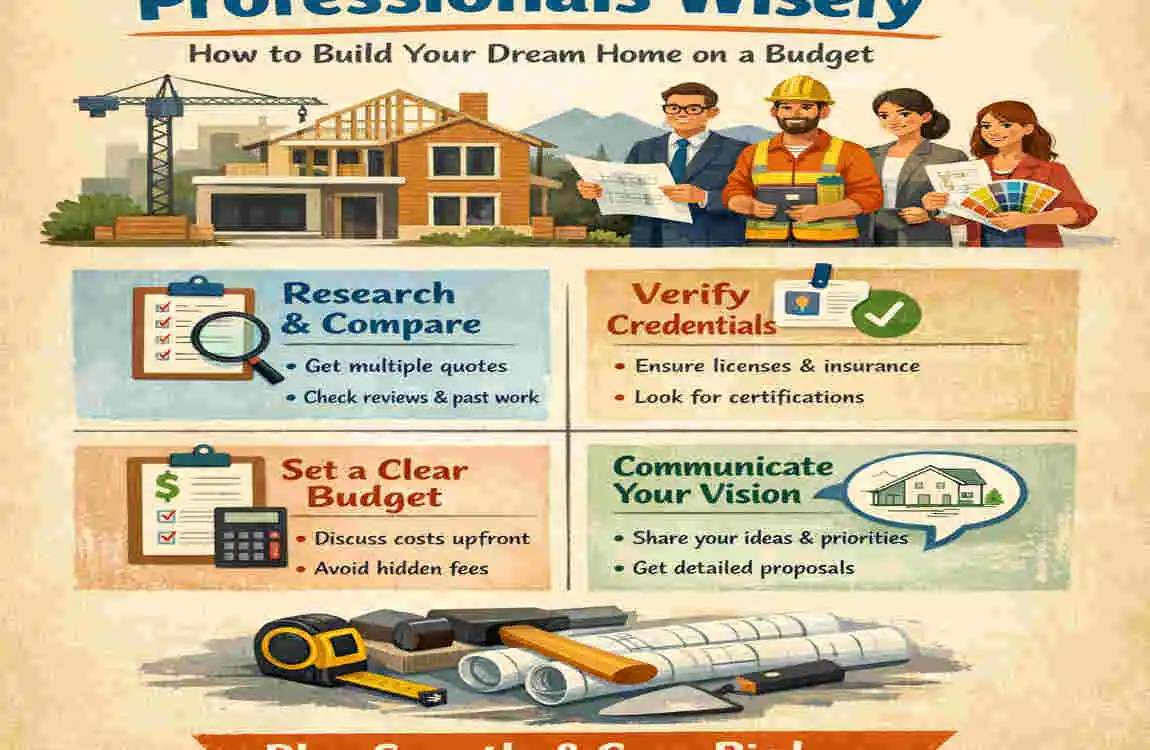
You do not have to do everything yourself. In many cases, the right contractor or designer can help you save money by avoiding mistakes.
Compare Multiple Contractors
Get at least 3 to 5 estimates before hiring anyone. Look at price, experience, and past work. The lowest bid is not always the best choice if the quality is weak.
Work With an Architect Efficiently
If you use an architect, be clear about your budget from the start. Try to limit changes once the plan is approved. Every revision can add time and cost.
Understand Contracts Clearly
Make sure the contract explains the work, timeline, payment schedule, and materials. A clear agreement protects both sides and helps prevent surprise charges.
DIY What You Can
You may be able to handle painting, landscaping, or simple finishing work yourself. This can reduce labor costs, but only take on tasks you can manage safely and properly.
Save Money During Construction
Even with good planning, you still need to manage costs carefully while the home is being built. These budget home construction tips can help.
Build in Phases
If your budget is limited, build the essential parts first. Start with the foundation, structure, and key rooms. Add non-essential features later when you can afford them.
Track Expenses Weekly
Review your spending every week. This helps you spot problems early and stay close to your budget. Small overruns can become large ones if you ignore them.
Avoid Last-Minute Changes
Changing the design after construction starts can be very expensive. New orders, delays, and extra labor all add up. Try to finalize your choices before building begins.
Invest in Energy-Efficient Features That Save Long-Term
Saving money does not stop when the house is built. Some choices help lower your monthly bills for years.
Insulation and Roof Design
Good insulation keeps your home cooler in summer and warmer in winter. A well-designed roof also helps control energy use and better protects the house.
Water-Saving Systems
Low-flow faucets, efficient toilets, and rainwater collection can reduce water bills over time. These are small upgrades that create long-term savings.
Smart Windows and Ventilation
Windows that let in natural light and fresh air reduce the need for lights and cooling during the day. That means lower utility costs and a more comfortable home.
Common Mistakes to Avoid
When learning how to build your dream home on a budget, it helps to know what not to do.
- Underestimating total costs
- Buying poor-quality materials
- Ignoring permit and legal fees
- Hiring the wrong contractor
- Building bigger than you need
These mistakes can quickly push your project beyond what you can afford.
Sample Budget Breakdown
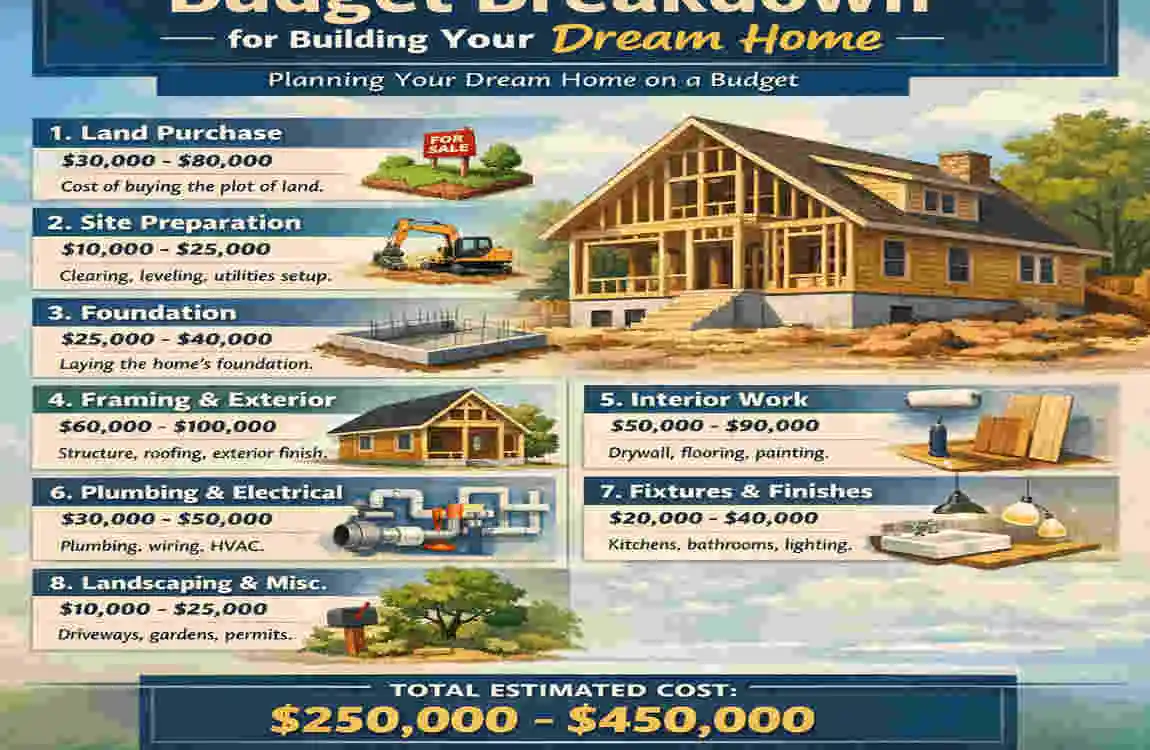
Here is a simple example of how your budget home might be divided:
Category Estimated Share
Land 20–30%
Foundation 10–15%
Structure 25–30%
Roofing 8–10%
Interior Finishing 15–20%
Utilities 5–10%
Emergency Reserve 10%
This is only a sample, but it gives you a clear idea of how costs may be spread out.
Frequently Asked Questions
How much money do I need to build a dream home on a budget?
It depends on land price, labor, materials, and local permit costs. A detailed budget helps you understand your actual total before you begin.
Is it cheaper to build a smaller home first?
Yes. Smaller homes cost less to build and maintain. You can also add more space later if you plan for expansion.
What are the cheapest materials for building a house?
Affordable options may include prefabricated materials, recycled materials, and local building products. The best choice depends on your location and design.
Can I build a house myself to save money?
You can do some parts yourself, like painting or landscaping. But for major structural work, it is safer to hire professionals.
How do I avoid overspending during home construction?
Track your budget weekly, avoid design changes, compare contractor quotes, and keep an emergency reserve for surprises.