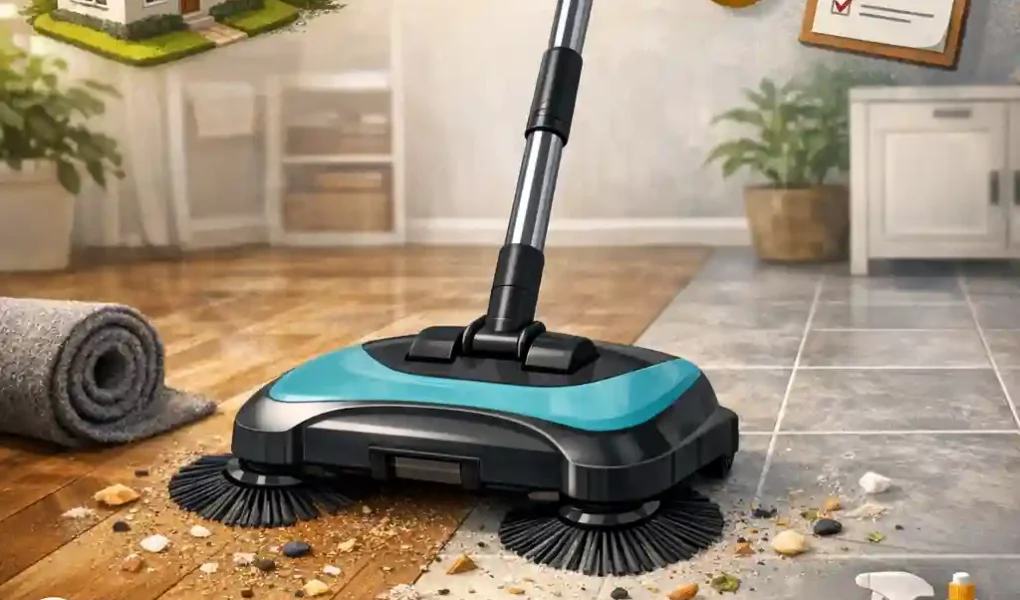
A push floor sweeper can make a real difference in how someone keeps their home or workspace clean. These tools help remove dirt, dust, and debris from floors without the need for heavy equipment or constant bending. However, buyers need to think about several factors before they choose a model that fits their needs.
The right push floor sweeper depends on factors like the size of the space, the type of floors, and whether someone prefers a manual or powered option. Each person has different needs based on their environment and how they plan to use the sweeper. Some spaces require compact models that fit into tight storage areas, while others benefit from larger sweepers with bigger dustbins. The type of debris, the amount of noise someone can tolerate, and how often they want to empty the bin all matter in the decision.
This guide covers the main points to review before someone buys a push floor sweeper. The details help readers understand what features work best for their situation and what to avoid.
1. Sweeper Size and Weight for easy maneuverability
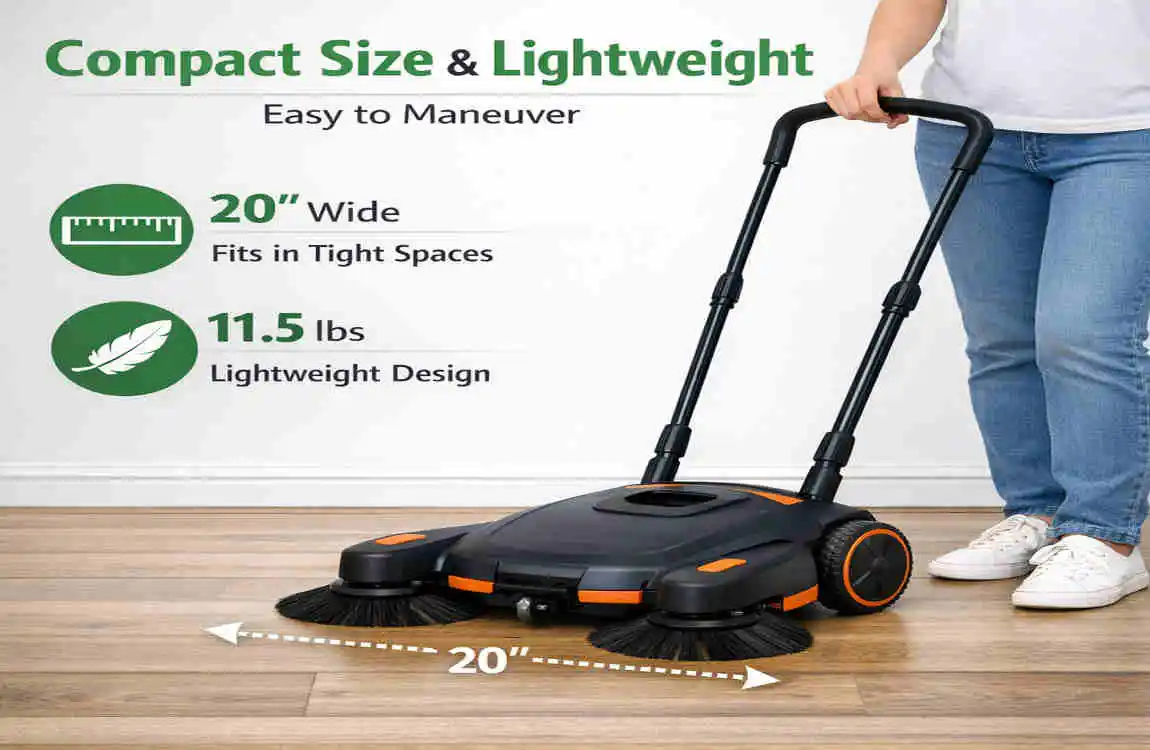
The size of a push floor sweeper affects how well it moves through different spaces. A larger model covers more ground per pass but may struggle in narrow aisles or tight corners. Smaller units turn more easily and fit through cramped areas better.
Weight plays a big role in how much effort operators need to push the machine. Heavier sweepers require more physical strength to move and turn. Lighter models reduce fatigue during long shifts and allow workers to clean faster.
Look for sweepers with large wheels that roll smoothly over uneven surfaces. Adjustable handles help operators of different heights use the machine comfortably. These features make daily tasks less tiring and improve overall performance.
2. Compatibility with floor types like hardwood or tile
Different floor surfaces require different care, and a push sweeper must work well with what someone already has in their home. Hardwood floors need soft bristles or rubber blades that won’t scratch the finish. Tile floors can handle tougher bristles since they resist damage better.
Some sweepers come with adjustable heads that work across multiple surfaces. Others specialize in just one type. A buyer should check if the sweeper’s wheels and brushes suit their specific floors before they make a purchase.
3. Dustbin Capacity and Ease of Emptying
The dustbin size affects how often a person needs to stop and empty the sweeper. A larger capacity allows users to cover more floor space before they must take a break. However, bigger bins can feel heavy and awkward to remove.
Most push sweepers hold between 5 and 20 liters of debris. Smaller homes may need less capacity, while larger spaces benefit from bigger bins. The removal process matters just as much as size. Look for bins that detach with one hand and feature handles for comfortable transport to the trash.
4. Brush Type and effectiveness on debris
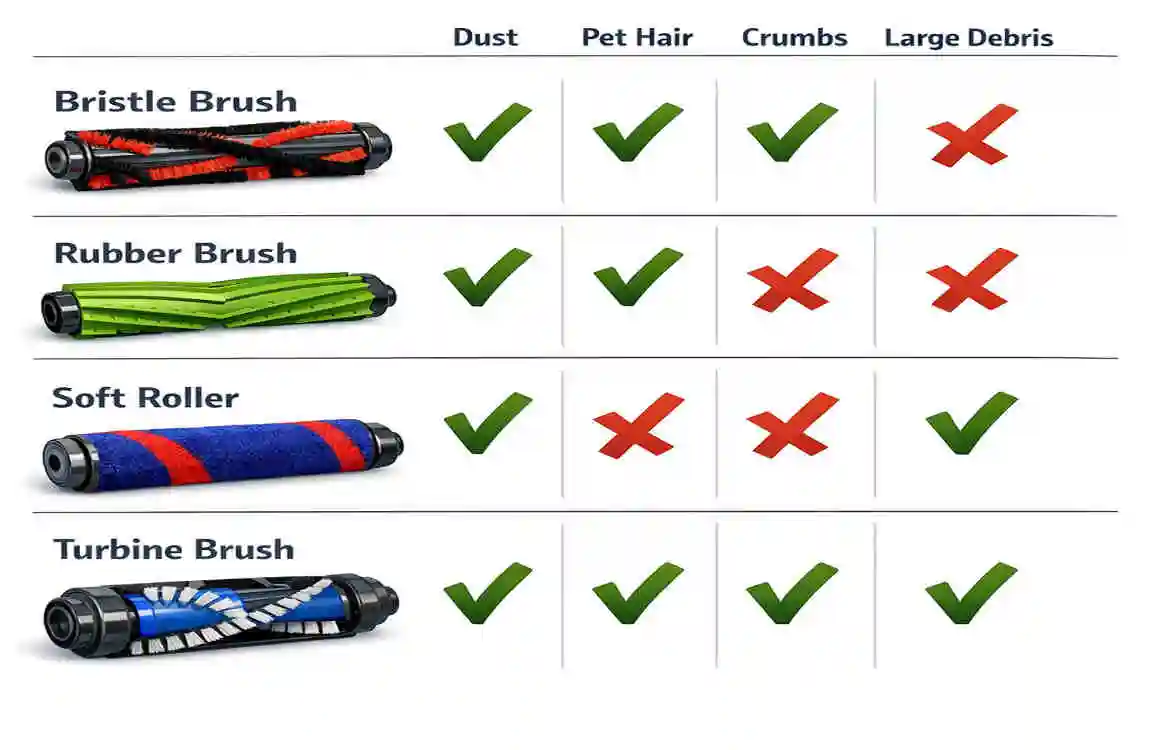
The bristle material affects how well a push floor sweeper picks up different types of debris. Natural bristles work best on fine dust and light particles, while synthetic bristles handle heavier materials like dirt and gravel more effectively. Some sweepers combine both materials to offer better performance across various tasks.
Different brush designs also impact results. Roller brushes cover large areas quickly on flat surfaces, while side brushes reach into corners and edges. The stiffness of the bristles determines whether the sweeper can tackle stubborn debris or works better for light daily maintenance.
5. Manual vs. electric-powered models
Manual push floor sweepers rely on physical effort to operate. They work through simple mechanics as users push them forward, which spins brushes that collect dirt and debris. These models cost less and need no batteries or power outlets.
Electric-powered sweepers use motors to do most of the work. They require less physical strength and move faster across floors. However, they cost more upfront and need regular battery charges or access to electrical outlets for corded versions.
Manual options work well for small spaces and light cleaning tasks. Electric models handle larger areas more efficiently and reduce fatigue for daily use.
6. Ease of Maintenance and Part Replacement
A floor sweeper requires regular upkeep to work well over time. Buyers should check how easy it is to access brushes, filters, and other parts that need frequent attention. Some models feature tool-free designs that allow quick removal of components for inspection or cleaning.
Part availability matters just as much as the machine itself. Operators should confirm that replacement brushes, belts, and wheels are easy to find and order. Machines with simple designs typically cost less to maintain and reduce downtime for repairs.
7. Noise Level during Operation
The sound a push floor sweeper produces affects both the person who operates it and everyone nearby. Some models run quietly, while others create enough noise to disrupt conversations or disturb customers in retail spaces. Buyers should check the decibel ratings in the product specifications before they make a purchase.
A quieter sweeper works better in offices, hospitals, or stores where people need to focus or shop in peace. Manual sweepers tend to produce less noise than electric models. However, many electric options now feature quieter motors that reduce sound levels without losing power.
8. Durability and Build Quality
A push floor sweeper needs strong materials to last through regular use. Metal frames and high-quality plastics hold up better than cheap alternatives. These machines take a lot of physical stress from daily use, so the construction matters.
The brushes should attach firmly and resist wear over time. Look for sweepers with solid wheels that can handle different floor surfaces without breaking down. A well-built sweeper saves money because it won’t need replacement as often.
Check customer reviews to see how long the product lasts for other buyers. Products with better build quality prove themselves through years of service rather than just months.
9. Storage Requirements and Compactness
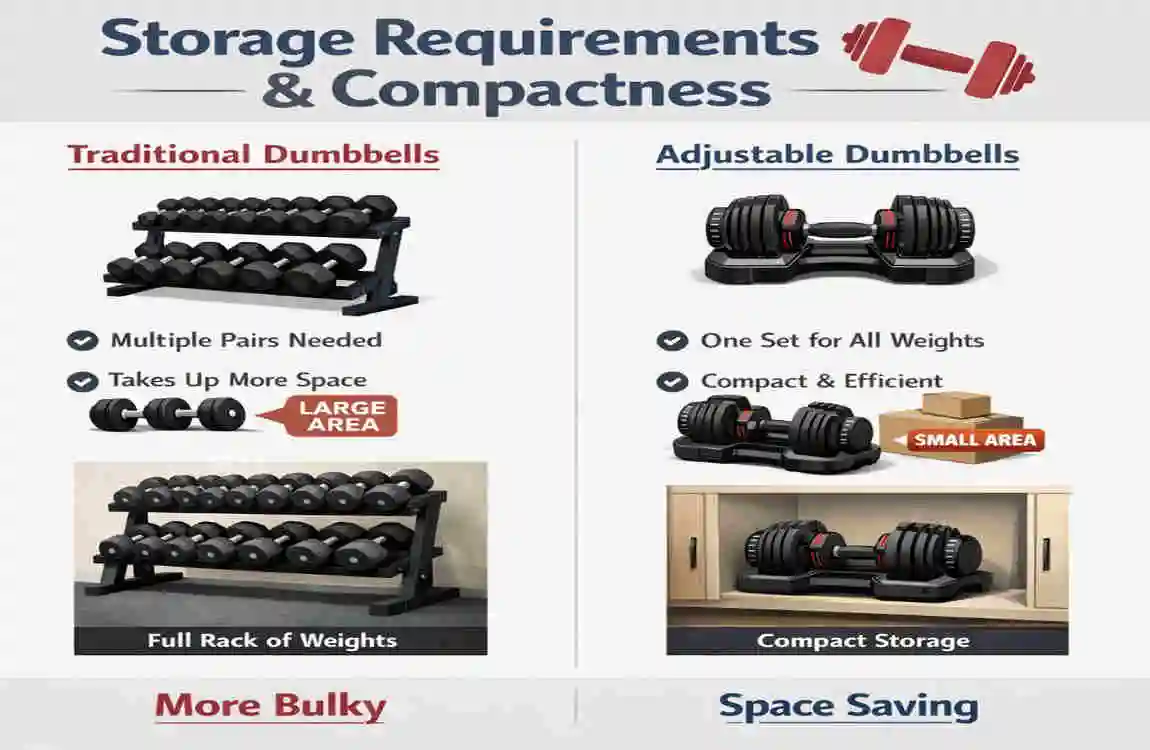
A push floor sweeper needs a place to rest after each use. Homeowners with limited storage space should measure their available area before they purchase a model. Many sweepers stand upright and fit in small closets or corners.
The width and height of the unit matter for tight spaces. Compact models work well for apartments or small utility rooms. Some sweepers feature handles that fold down to reduce their footprint.
Larger sweepers with wider cleaning paths require more storage room. However, they cover more area per pass and can finish the job faster.
10. Battery life for cordless models
Battery life directly affects how much area a person can clean before the device needs to recharge. Most cordless push sweepers run between 20 to 60 minutes on a single charge. People with larger spaces should look for models that offer longer run times.
The power setting also impacts battery performance. Higher suction levels drain the battery faster than lower settings. Some models include multiple battery options that allow users to swap in a fresh one to continue work without delays.
Buyers should verify the actual run time through reviews rather than rely only on manufacturer claims.
10 Things to Consider Before Buying a Push Floor Sweeper for Home – FAQ
What is a push floor sweeper?
A push floor sweeper is a manual cleaning device that uses rotating brushes to pick up dust, crumbs, pet hair, and small debris without electricity.
Why should I buy a push floor sweeper?
It offers a quick, quiet, and energy-efficient way to clean floors between deeper vacuuming sessions.
What floor types can it clean?
Most models work well on hardwood, tile, laminate, vinyl, and low-pile carpets.
How important is brush quality?
High-quality brushes improve dirt collection, reach corners more effectively, and last longer.
Should I check the sweeper’s width?
Yes. A wider cleaning path can cover more area quickly, while narrower models are better for tight spaces.
Does dustbin capacity matter?
Yes. Larger dustbins require less frequent emptying, especially in bigger homes.
Is weight an important factor?
Absolutely. Lightweight sweepers are easier to maneuver, carry, and store.
Can a push sweeper handle pet hair?
Many models are designed to collect pet hair, but performance varies depending on brush design.
How easy is maintenance?
Most push sweepers require simple maintenance, such as emptying the dustbin and cleaning the brushes regularly.
What is the most important thing to consider before buying?
Choose a model that matches your floor type, cleaning needs, and home size for the best results.
Conclusion
A push floor sweeper can make daily cleanup tasks much easier and faster. However, buyers need to think about their specific needs before they make a purchase. The right choice depends on floor type, space size, and how often the sweeper will be used.
People should also consider factors like durability, maintenance requirements, and budget. A well-chosen push floor sweeper will save time and effort for years to come.