how much to replace all plumbing in a house
Plumbing

Complete House Plumbing Replacement Costs: Your Essential Budget Guide

Imagine waking up on a chilly Tuesday morning, stepping into your kitchen for a cup of coffee, and feeling a strange squish beneath your feet. You look down to see water seeping through the floorboards. Your heart sinks. You’ve been patching up small leaks for years, but this time, it feels different. After a quick inspection from a professional, you hear the words every homeowner dreads: “Your entire system is failing.” Suddenly, the most pressing question on your mind is how much it costs to replace all the plumbing in a house.

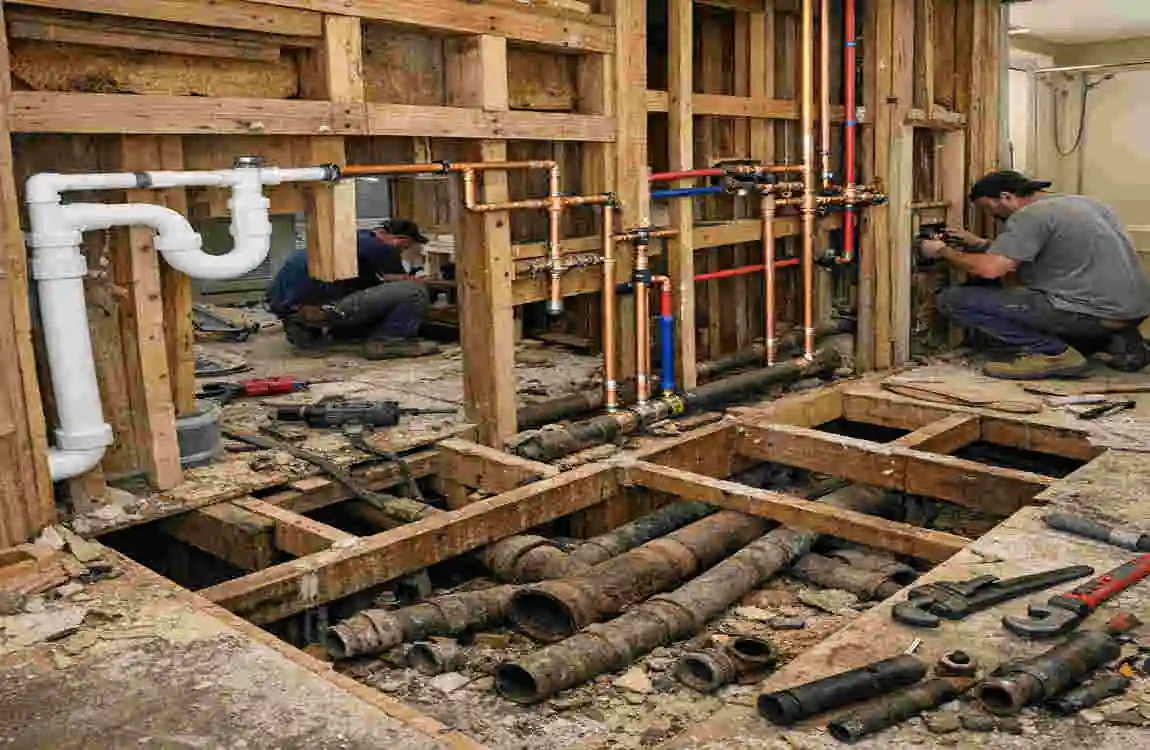
It is a daunting thought. Replacing the “veins and arteries” of your home isn’t just a weekend DIY project; it is a major surgical operation for your property. Whether you are dealing with aging galvanized pipes that are rusting from the inside out or concerned about the health risks associated with old lead lines, a full replacement is often the only way to ensure your home stays safe and dry. This guide is designed to be your ultimate companion in this journey. We will break down every cost, from the price of the pipes themselves to the labor fees, which can vary widely depending on where you live.

When Do You Need to Replace All Plumbing in a House?

how much to replace all plumbing in a house

Deciding to gut your entire plumbing system isn’t a choice most people make lightly. It’s expensive, messy, and disruptive. However, there comes a point where “patching” a leak is like putting a band-aid on a dam that’s about to burst. You need to know the signs that you need a full-house plumbing replacement before a minor drip becomes a catastrophic flood.

Recognizing the Red Flags

The first thing you should do is listen to your house. It often tells you when something is wrong long before a pipe actually bursts. Are you noticing a strange metallic taste in your water? Is the pressure in your shower so low that it feels like a sad trickle? These aren’t just annoyances; they are symptoms of a deeper problem.

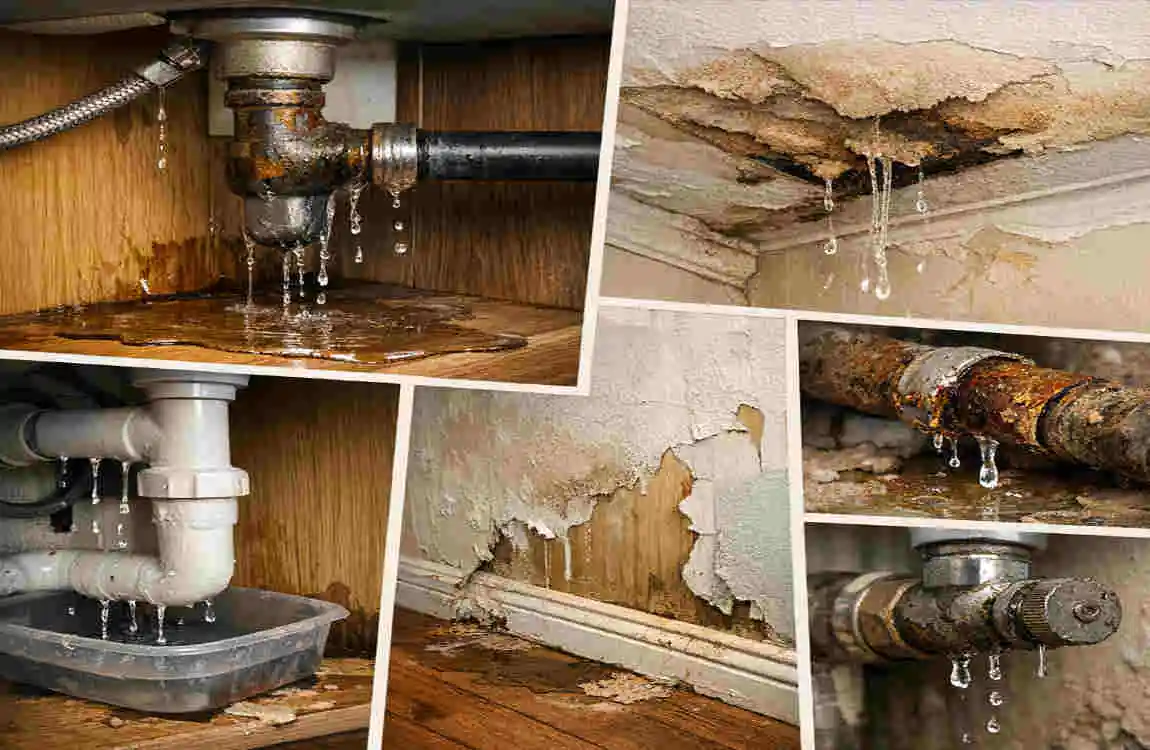
Rusty or discolored water is a major warning sign. If your water looks brown or yellow when you first turn on the tap, your pipes are likely corroding from the inside. This is common in older homes with galvanized steel pipes. As the metal breaks down, it flakes off into your drinking water. Not only is this gross, but it also narrows the pipe’s diameter, leading to the low water pressure we mentioned.

The Material Matters

The age of your home is the biggest indicator of what’s hiding behind your walls. If your home was built before the 1960s, there is a high chance you have galvanized steel or even lead pipes. Galvanized pipes have a lifespan of about 20 to 50 years. If you’re living in a classic 1950s home in Lahore or an older suburb in the U.S., you are likely past the expiration date for those pipes.

Modern materials like PEX (cross-linked polyethylene) and CPVC have changed the game. They don’t corrode, they are flexible, and they are much cheaper to install. Transitioning from old metal to modern plastic can save you a fortune in the long run. In fact, retrofitting an older home with PEX can often cost 50% less than using traditional copper, making it a favorite for budget-conscious homeowners.

Your Plumbing Health Checklist

If you can check off more than three of the following items, it’s time to call in a professional for a full assessment:

  • Frequent Leaks: You’ve had more than two leaks in the past year.
  • Visible Corrosion: You see stains, flaking, or “pimples” on exposed pipes in the basement.
  • Low Water Pressure: Even after cleaning your faucet aerators, the flow is weak.
  • Water Discoloration: Red, brown, or yellow tints in your bath water.
  • Old Age: Your home is over 50 years old and has never been repiped.
  • High Water Bills: Your monthly bill is climbing even though your usage hasn’t changed.
  • Bad Smell: A persistent “sewer” or “musty” smell near your drains.
  • Failed Inspections: A home inspector flagged your plumbing during a recent valuation.

Factors Affecting How Much to Replace All Plumbing in a House

When you ask a plumber for a quote, they don’t just pull a number out of thin air. Several moving parts determine the final price. Understanding these factors will help you negotiate better and choose the right options for your specific situation.

Home Size and Layout

It goes without saying that a bigger house costs more. But it’s not just about the square footage; it’s about the layout. A single-story ranch home with a crawlspace is a plumber’s dream. They can easily get under the house and run new lines.

On the other hand, a multi-story home or a house built on a concrete slab is much more complicated. If the plumber has to cut through your beautiful hardwood floors or tear down drywall on three different levels to reach the “wet walls,” the labor costs will skyrocket. More bathrooms also mean more “drop points,” which adds to the complexity and the material count.

Pipe Material Choices: Copper vs. PEX

This is where you have the most control over the budget. You generally have three main choices in 2026:

  1. PEX ($0.50 – $2.00 per foot): This is the modern gold standard for affordability. It’s flexible, which means it can be fished through walls like electrical wire. This reduces the need to tear down large sections of drywall.
  2. CPVC ($1.00 – $3.00 per foot): A step up from standard PVC, this is approved for hot water. It’s rigid but easier to work with than metal.
  3. Copper ($2.00 – $10.00+ per foot): Copper is the “luxury home” option. It lasts forever (up to 70-80 years) and has natural antibacterial properties. However, it is very expensive, and the labor is intensive because every joint must be soldered with a torch.

Location and Accessibility

Where you live matters just as much as what you’re installing; if you are in a major metropolitan area like New York, London, or Lahore’s center, labor rates will be significantly higher than in rural areas. In big cities, you might pay $150 per hour for a master plumber, whereas a rural contractor might charge $60 per hour.

Accessibility is the “hidden” factor. If your pipes are buried deep within a concrete slab foundation, the plumber will need to use a jackhammer to reach them. This can add $3,000 to $5,000 to your total bill, just for demolition and floor repair.

Cost Multiplier Table for Planning | Factor | Low-End Impact | High-End Impact | | :— | :— | :— | | Material Choice | 1.0x (PEX) | 2.5x (Copper) | | Foundation Type | 1.0x (Crawlspace) | 1.5x (Slab) | | Number of Floors | 1.0x (Single Story) | 1.3x (Multi-Story) | | Accessibility | 1.0x (Open Access) | 1.4x (Tight Walls/Slab) |

Average Costs: How Much to Replace All Plumbing in a House

Let’s get into the nitty-gritty of the numbers. When we talk about full-house plumbing replacement costs, we are referring to a multi-stage process. You aren’t just paying for the pipes; you are paying for the expertise, the removal of the old system, and the restoration of your home.

Breakdown by Project Phase

If you receive an itemized bid (which you should always ask for), it will likely be broken down into these categories:

  • Demolition and Removal ($1,000 – $3,000): This covers the labor of cutting out the old, heavy galvanized or lead pipes and hauling them away.
  • New Piping Installation ($3,000 – $12,000): This is the core of the project. It includes the cost of the PEX or copper and the labor to run the lines to every sink, toilet, and shower.
  • Fixtures and Valves ($1,500 – $5,000): While you’re replacing the pipes, you’ll likely want new shut-off valves and perhaps new faucets or showerheads. This is a great time to upgrade to water-saving models.
  • Permits and Inspections ($500 – $2,000): Most cities require a permit for a full repipe. This ensures the work meets local building codes and is safe for your family.

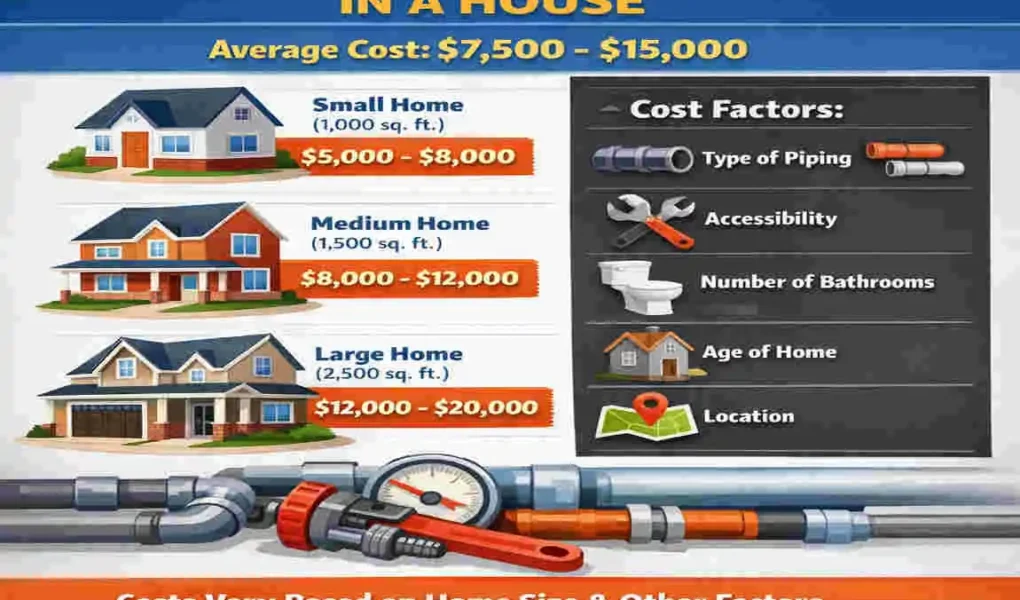
Cost by Home Size (PEX vs. Copper)

To give you a better sense of the spread, here are estimates for 2026. Remember, PEX is almost always the more affordable choice for modern retrofits.

  • 1,500 sq ft Home:
    • PEX: $5,500 – $8,500
    • Copper: $10,000 – $16,000
  • 2,500 sq ft Home:
    • PEX: $9,000 – $14,000
    • Copper: $18,000 – $28,000
  • 3,500 sq ft Home:
    • PEX: $14,000 – $22,000
    • Copper: $25,000 – $45,000+

Regional Nuances

In Pakistan, particularly in growing hubs like Lahore and Islamabad, costs are often calculated differently. You might see quotes based on “per point” (each sink or toilet being a point) or per square meter. A rough estimate for a full repipe in a modern Pakistani home might range from PKR 800 to PKR 2,000 per square meter, depending on whether you use imported PPRC pipes or high-end copper.

Pro Tip: The Quick Calculator Formula. Want a “napkin math” estimate right now? Use this simple formula:

(Total Sq Ft × $6) + (Number of Bathrooms × $1,000) = Your Estimated Base Cost. (Adjust the $6 to $12 if you want copper or have a concrete slab.)

Hidden Costs and Budget Busters in Full Plumbing Replacement

If you only budget for the plumbing, you are going to be in for a shock. A full repipe is an invasive process. Plumbers are water experts, but they aren’t usually experts at finishing work. Here are the “gotchas” that can add thousands to your bill.

Drywall and Paint Repair

To access the pipes, your plumber will need to cut holes in your walls. Sometimes these are small “access panels,” but other times they are long trenches across your ceiling. Most plumbing quotes do not include the cost of patching the drywall, sanding, and repainting. You should set aside an extra $2,000 to $5,000 for a professional finisher to come in after the plumber is done.

Water Heater Upgrades

Once the system is open, many homeowners realize their water heater is on its last legs as well. Replacing a standard tank heater costs about $1,000 to $2,000. If you decide to switch to a modern tankless water heater during the repipe, expect to add $2,500 to $4,500 to the total. It’s a great upgrade, but it definitely impacts the immediate budget.

Common “Gotchas” to Watch Out For:

  • Tree Root Intrusion: If your main line is being replaced, you might find that trees have crushed your outdoor pipes.
  • Code Violations: Once a plumber opens your walls, they are legally required to fix any other code violations they find.
  • Water Shut-Off Delays: If your main street valve is stuck, the city might charge you to come out and shut off the water.
  • Relocating Fixtures: “While you’re at it, can we move the sink?” Moving a fixture even three feet can add $500 in labor.
  • Permit Fees: Some jurisdictions base permit fees on the total value of the project, which can be surprisingly high.

Ways to Save on Your Plumbing Replacement Project

I know these numbers look scary. But don’t panic! There are several ways to reduce costs without sacrificing the quality of your home’s water system. You have to be strategic about how you plan the work.

Choose PEX Over Copper

As we’ve mentioned, PEX is the ultimate budget-saver. It’s not just about the material cost; it’s about the labor. PEX can be snaked through walls, meaning the plumber spends 3 days on the job instead of 7. This can easily save you 40% on the total bill. Don’t worry about quality; PEX is incredibly durable and resistant to freezing.

Do Your Own “Demo” and Prep

Ask your plumber if you can save money by doing the “unskilled” labor yourself. Can you move the furniture away from the walls? Can you clear out the cabinets under the sinks? If you are handy, you can cut the drywall holes yourself based on the plumber’s markings. Every hour you save the plumber, you save money in your pocket.

Bundle Your Renovations

Are you planning to remodel your kitchen next year? Do it now! Replacing plumbing while the cabinets and flooring are already being ripped out is much cheaper than doing it as a standalone project. You avoid paying for demolition and repair twice.

Schedule During the “Off-Season”

Plumbers are busiest in the dead of winter (when pipes freeze) and at the height of summer. If you can schedule your repipe during the “shoulder seasons” like spring or autumn, you might find contractors more willing to negotiate their rates to fill their schedules.

DIY vs. Professional: Is Repiping a House Worth It Yourself?

We all love a good DIY project, but repiping a house is where most people should draw the line. It is a massive undertaking that requires specialized tools, a deep understanding of local building codes, and significant physical stamina.

FeatureDIY ApproachProfessional Approach

Cost Low (Materials only) High (Labor + Materials)

Time Weeks/Months of weekends 3–5 Days

Permits are hard to obtain for non-pros. Included/Managed by pro

Warranty None (You break it, you fix it) 10–25 year labor warranty

Risk High (Leaks, code failure) Low (Insured and bonded)

If you make a mistake during a DIY tile job, the floor ends up looking crooked. If you make a mistake on a DIY plumbing job, you could flood your house and cause tens of thousands of dollars in mold and structural damage. Furthermore, most insurance companies will not cover water damage if a licensed professional didn’t do the work. Save the DIY for the painting and the landscaping!

Choosing the Right Plumber for Full House Repiping

When you are spending this much money, you need to be sure you are hiring the right person. Don’t just go with the first person who answers the phone. You want a specialist—someone who does “whole-house repipes” regularly, not just someone who clears drains.

Questions to Ask Your Potential Plumber:

  1. Are you licensed, bonded, and insured in this specific jurisdiction?
  2. Will you handle the permits and inspections, or is that on me?
  3. Does your quote include the cost of repairing the drywall and paint?
  4. What material do you recommend for my specific home age and water type?
  5. Can you provide three references from customers who had a full repipe done in the last year?

In Lahore, ensure they are registered with the relevant local authorities or have a solid reputation in established housing societies such as DHA or Bahria Town, where standards are strictly enforced.

Long-Term ROI: Is Replacing All Plumbing Worth the Cost?

how much to replace all plumbing in a house

It is hard to see $15,000 leave your bank account, but look at it as an investment rather than an expense. A full plumbing replacement offers a fantastic Return on Investment (ROI).

First, there is the home value. When you go to sell your house, a “newly repiped” tag is a huge selling point. It gives buyers peace of mind and can increase your home’s value by 5% to 10%. Buyers are often terrified of old plumbing; taking that fear away makes your home much more attractive.

Second, think about the efficiency. Modern pipes and fixtures can reduce your water usage by 20% to 30%. Over a decade, those savings add up. Plus, you’ll stop paying for those “emergency” plumber visits that cost $300 every time a small leak pops up. You are buying decades of silence and security.

FAQs

How much to replace all plumbing in a 2,000 sq ft house?

On average, you should expect to pay between $7,000 and $15,000 for PEX piping. If you choose copper, the price can jump to $20,000 or more.

How long does a full house repipe take?

A professional crew can usually finish a standard home in 3 to 5 days. You will likely be without water during working hours, but most plumbers will ensure you have water back on by evening.

Does homeowners’ insurance cover plumbing replacement?

Usually, no. Insurance covers “sudden and accidental” damage (like a pipe bursting), but they do not cover the “wear and tear” of old pipes. Replacing them is considered general maintenance.

Can I live in the house during the repipe?

Yes, most people do. It will be noisy and dusty, and you’ll have to plan around the water being off during the day, but it is rarely necessary to move out.

What is the best pipe material in 2026?

For most homeowners, PEX is the best balance of cost, durability, and ease of installation. However, copper remains the Premium choice for those who want the absolute longest lifespan.

You may also like...

Leave a Reply

Your email address will not be published. Required fields are marked *