Expert home selling tips for a quick home sale
REAL ESTATE

Expert Home Selling Tips: Sell Your House Fast with Top Strategies

Welcome to the fast-paced world of real estate in 2026. If you are looking to put your property on the market, you might be feeling a mix of excitement and absolute dread. Let us face it, selling a home can feel like a massive, overwhelming mountain to climb. But what if I told you you didn’t have to let your property sit on the market for months on end?

Grab your coffee and pay close attention to these current market statistics. In the ever-changing landscape of 2026, homes priced correctly and prepared properly are selling 30% faster than the competition, even amid rising interest rates. Buyers are out there and hungry for move-in-ready properties. They want a home they can fall in love with the moment they pull into the driveway.

This is exactly where expert home-selling tips for a quick home sale come into play. These are not just random suggestions; these are proven, data-backed steps to help you prepare your property, price it flawlessly, and close the deal swiftly. By utilizing the right strategies, you can transform your house into a hot commodity that buyers will fight over.

House Preparation Essentials

Expert home selling tips for a quick home sale

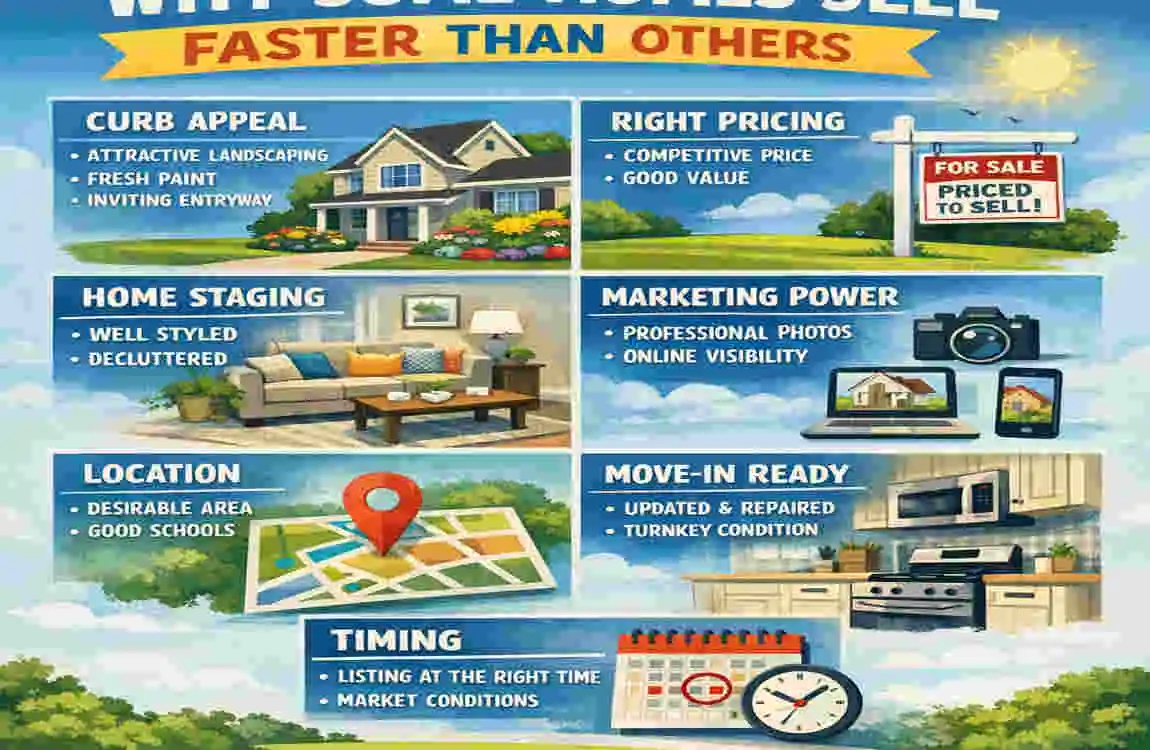
Before you even think about putting a “For Sale” sign in your front yard, you need to roll up your sleeves and get to work on the house itself. Think of your home as a product on a store shelf. If the packaging is dusty and the product looks worn out, nobody is going to buy it. House preparation is absolutely critical if you want to sell your house fast. Let us break down the essentials.

Curb Appeal Upgrades

First impressions are everything in real estate. Buyers will judge your entire home based on what they see in the first seven seconds of pulling up to the curb. If the outside looks neglected, they will automatically assume the inside is a disaster, too.

Start by giving your home a good bath. Power wash your siding, your driveway, and your walkways. You will be amazed at how a simple wash can make your home look years younger. It strips away the grime, dirt, and mildew that you might have stopped noticing years ago.

Next, pay attention to the landscaping. Mow the lawn, trim the overgrown bushes, and clear away any dead leaves or branches. To add an immediate splash of life and color, place some vibrant potted plants or blooming flowers near the entryway. According to recent market data, these simple, low-cost exterior upgrades can actually boost your offers by up to 7%.

Finally, focus on the front door. This is the focal point of your home’s exterior. Give your front door a fresh coat of paint. A bold, welcoming color like charcoal grey, deep navy, or classic red can provide an instant “wow” factor. Pair that fresh paint with updated, modern lighting fixtures and shiny new house numbers, and you have just created an entryway that practically begs buyers to come inside.

Interior Deep Clean and Declutter

Once you get the buyers through the front door, you need to keep them impressed. This requires a level of cleanliness that goes far beyond your normal Saturday morning chores. We are talking about a top-to-bottom, meticulous deep clean.

You need to scrub the kitchen and bathrooms until they sparkle. Buyers will open your oven, look inside your fridge, and inspect the grout in your shower. Make sure everything is spotless. Furthermore, you must neutralize all odors. We often become “nose-blind” to the smells of our own pets, cooking, or damp basements. Skip the heavy, artificial air fresheners, as buyers often think you are hiding a worse smell. Instead, use natural baking soda to absorb lingering odors and open the windows to let in fresh air.

After cleaning, the hardest part for most homeowners comes next: decluttering. You need to remove your personal life from the house so that the buyer can imagine their own life there.

Take down family photos, clear off the kitchen counters completely, and pack away out-of-season clothing to make the closets look bigger. It is highly recommended to rent storage pods for your excess furniture and boxes. This gets the clutter completely off the property. The statistics back this up: data from the National Association of Realtors shows that well-staged, decluttered homes sell 73% faster than messy, cramped ones.

Smart Minor Repairs

You do not need to gut your kitchen or add a new bathroom to sell your house. In fact, major renovations rarely offer a full return on investment. However, you absolutely must tackle the smart minor repairs.

Walk through your house with a critical eye. Do you see scuff marks or holes from picture frames? Patch the walls and add a touch of paint. Is there a leaky faucet in the guest bathroom? Fix it. Does a door squeak or fail to latch properly? Oil the hinges and adjust the strike plate. These tiny flaws might not bother you anymore, but to a buyer, they scream “deferred maintenance.” If they see a broken cabinet handle, they will wonder what major, hidden problems exist behind the walls.

One of the best expert home-selling tips for a quick home sale is to get a pre-listing inspection. Yes, this costs a few hundred dollars upfront, but it is worth its weight in gold. By having a professional inspect your home before the buyers do, you can identify and fix hidden issues—like a small roof leak or an outdated electrical panel—at your own pace. Taking care of these repairs beforehand prevents nasty surprises during the buyer’s inspection, saving you from delayed closings or last-minute price reductions.

Optimal Pricing Strategies

You can have the most beautiful, pristine home in the neighborhood, but if you price it too high, it will sit on the market, collecting dust. Pricing is both an art and a science, and getting it right from day one is your most powerful tool for selling a house fast.

Analyze Local Comps

To figure out what your home is worth, you need to look at “comps,” which is real estate slang for comparable properties. You need to find out what similar homes in your specific neighborhood have sold for recently.

You can start by using popular online real estate platforms like Zillow or Redfin to look at recent sales in your zip code. However, you must be careful to compare apples to apples. You cannot compare your three-bedroom ranch to a five-bedroom mansion down the street. You must adjust for your house size, location, and condition. If your neighbor’s house sold for $400,000 and had a fully renovated kitchen, but yours does not, you need to adjust your price expectations downward.

Here is a bold strategy that expert sellers use: intentionally price your home 5-10% below the current market value. While this sounds terrifying, it is a brilliant psychological tactic. By pricing slightly below market, your home suddenly looks like a bargain. This attracts a massive flood of buyers, sparks a sense of urgency, and often leads to intense bidding wars that drive the final sale price higher than you originally hoped!

Agent CMA vs. DIY Tools

While online valuation algorithms are fun to look at, they are essentially just robots making educated guesses based on public data. They do not know about your brand-new hardwood floors, and they do not know that your backyard backs up to a noisy highway.

This is why relying on a professional real estate agent’s CMA (Comparative Market Analysis) is crucial. Real estate professionals deliver precise, highly accurate 2026 valuations because they understand the subtle nuances of shifting inventory and hyper-local neighborhood trends. They walk through the houses, they talk to the buyers, and they know the exact pulse of the market.

Agents also know the tactical secrets of listing. For example, data shows that mid-week listings—specifically on Thursdays—see 20% more showings. By listing on a Thursday, your home hits the top of buyers’ email alerts right as they are planning their weekend house-hunting schedules.

Flexible Pricing Tactics

Sometimes, the sticker price is not the only number that matters. In a competitive 2026 market, you need to be flexible and creative to secure a quick sale.

Consider offering strategic incentives. For instance, you could offer closing cost credits to buyers. Let us say a buyer loves your house but is short on the cash needed to close the loan. By offering to pay $5,000 towards their closing costs, you solve their immediate problem and secure the deal instantly.

You should also be willing to negotiate favorably for cash buyers. Cash buyers eliminate the risk of mortgage delays, appraisal failures, and bank red tape. It is often worth accepting a slightly lower offer in cold, hard cash for the peace of mind and lightning-fast closing.

Comps Comparison for 3-Bedroom Houses

Feature Your House Neighbor’s Comp 1Neighborhood Comp 2

Price per Sq Ft $250 $260 $245

Days on Market Target: 10 Days , 45 Days , 7 Days

Sale Date Current 2026 Jan 2026 Feb 2026

Condition : Move-in Ready , Fully Renovated, Needs Minor Paint

Pro-Level Home Staging

Let us talk about staging. Staging is the art of dressing up your home so that buyers fall head over heels in love with it. You are not just selling four walls and a roof; you are selling a lifestyle. The best home staging tips focus on making the buyer feel like they are stepping onto a magazine cover.

Virtual vs. Traditional Staging

In 2026, you have two main options for staging: the traditional physical route or the modern virtual route.

Virtual staging is an incredible tool for making your online photos look spectacular without the heavy lifting. For around $200, graphic designers can take photos of your empty, vacant rooms and digitally insert beautiful, modern furniture and decor. Software and tools like BoxBrownie are perfect for doing quick, stunning room edits. This catches the buyer’s eye online and gets them in the door.

However, traditional, physical staging is still the heavyweight champion for in-person impact. Actually renting real furniture, rugs, and artwork to fill your space provides a tangible experience for the buyer. It helps them understand the room’s scale. Studies consistently show that physical staging can add between 1% and 5%  to your final sale price.

Room-by-Room Tips

Staging does not mean you have to buy all new furniture. Often, it is about rearranging what you have to maximize flow and appeal. Here is how to tackle the main areas:

The Living Room: This is the heart of the home. You want to create an atmosphere of relaxation and space. Stick to neutral tones for your large furniture pieces. Arrange seating to create conversational areas and maintain open layouts. Do not push all your furniture flat against the walls. Pull couches slightly inward to create a cozy, defined space.

The Kitchen: Kitchens sell houses. Period. Clear off absolutely everything from the countertops except for one or two decorative items. A bowl of fresh green apples or a small vase of fresh herbs near the sink adds a pop of life. Set the dining table with nice plates and wine glasses. You want the buyers to instantly envision themselves cooking family meals and entertaining friends in this space.

The Main Bedroom: The goal here is to create a serene, relaxing retreat. Think of a high-end luxury hotel. Make the bed with crisp, white, high-thread-count linens. Add a textured throw blanket at the foot of the bed and arrange an abundance of plush pillows. Keep the nightstands totally clear of personal clutter, leaving only matching lamps and perhaps a small book. The message should be: “This is a place to rest and escape the world.”

Small House Hacks

If you are trying to sell a smaller property, you have to play a few visual tricks to make the square footage feel grander than it actually is.

One of the oldest and most effective tricks in the book is using mirrors. Mirrors expand spaces by bouncing natural light around the room, making narrow hallways or small dining nooks feel twice as large.

Another golden rule for small houses is the “One-Third Rule.” Go through your small rooms and intentionally remove one-third of the furniture. It will feel incredibly bare to you, but to a buyer, it will suddenly feel open and spacious. Taking out a bulky armchair or an oversized coffee table frees up walking space, preventing the buyer from feeling cramped as they tour the home.

Marketing Mastery

You have cleaned, repaired, priced, and staged your home. Now, you need to shout from the rooftops that it is for sale. In 2026, putting a sign in the yard and crossing your fingers is a recipe for failure. You need a multi-channel, aggressive marketing strategy. These quick sale strategies will ensure maximum visibility.

Professional Photos and Tours

Over 95% of buyers begin their home search online. If your listing photos are dark, blurry, or taken on a cell phone, buyers will scroll right past your house without a second thought. Professional photography is non-negotiable.

Hire a real estate photographer who uses wide-angle lenses and professional lighting to make your rooms look bright and spacious. Furthermore, interactive media is highly expected today. Adding 360° virtual tours to your listing allows buyers to “walk” through your home from their laptops. Listings with these 360-degree tours have been shown to convert 49% more leads.

Do not forget the exterior perspective! Using drone exteriors shines a spotlight on your entire property line, shows off your roof, and highlights the neighborhood amenities like nearby parks or walking trails.

Once you have stunning visual media, you need to ensure your listing is found. This requires MLS optimization (Multiple Listing Service). Your agent should write a compelling, keyword-rich property description that highlights your home’s best features while naturally capturing terms buyers are typing, such as “fenced backyard” or “move-in ready.”

Digital Promotion Tactics

We live in a social media-driven world, and real estate marketing has evolved to meet buyers where they spend their time.

Short-form video is king right now. Creating highly engaging TikTok and Instagram Reels house tours is a fantastic way to generate organic buzz. Use trending music, fast transitions, and highlight the coolest, most unique features of your home. You can even use targeted social media ads aimed at local demographics actively searching for phrases like “sell house fast.”

Another modern tactic is collaborating with local influencers. Having a popular local lifestyle blogger tour your home and post it to their audience can drive hundreds of local eyeballs to your listing. You can also rebrand the dreaded garage sale into a trendy “moving sale” open house, creating community buzz and getting neighbors to bring their friends who might be looking to move into the area.

Open House Best Practices

When it is time to open your doors to the public, strategy is key.

Timing matters immensely. Aim for weekend timing, typically Sunday afternoons, when families are out and about and have free time to browse casually.

Instead of a boring walk-through, turn your open house into a memorable event. Try hosting themed events if you have an amazing backyard patio. Set up a Sunday BBQ theme with the smell of hot dogs on the grill and cold lemonade. This creates a positive, emotional connection for the buyer.

Finally, the fortune is in the follow-up. Make sure you have a digital sign-in sheet on a tablet. After the event, your agent should send immediate, personalized follow-up emails to nurture those leads, request feedback, and address any lingering questions.

Free Marketing Tools to Boost Your Listing:

  • Canva: Perfect for designing beautiful, professional digital flyers and feature sheets.
  • Facebook Marketplace: A massive, highly localized platform to post your property directly to community members.
  • Instagram Stories: Great for giving quick, behind-the-scenes updates of your open house prep to build anticipation.
  • Google My Business (for your agent) ensures your listing appears in local search results.
  • Houzz Listings: A great niche platform where design-conscious buyers look for beautiful homes.

Negotiation and Fast Close

The marketing worked! You have buyers interested, and offers are starting to come in. Now comes the most critical phase: negotiating the deal and getting to the closing table without the deal falling apart. To truly implement expert home-selling tips for a quick home sale, you must handle this phase with zero emotion and pure logic.

Offer Handling

When offers come in, you need to evaluate them based on more than just the top-line purchase price. You want a fast, secure close.

If a buyer makes a decent offer but asks for a 60-day closing period, you should counter aggressively to secure a shorter closing period. A great strategy is to accept 21-day closes but offer minor concessions in return. For example, tell the buyer you will drop the price by $2,000 if they agree to close in three weeks. Time is money, and holding onto the house for an extra month costs you another mortgage payment, utility bills, and property taxes.

As mentioned earlier, you must always prioritize cash offers. Even if a financed offer is slightly higher, the sheer volume of things that can go wrong with a bank loan—from underwriting delays to denied credit—makes it risky. Cash means no financing delays, no bank appraisals, and a guaranteed smooth ride to the finish line.

Streamline Inspections

The home inspection is the number one reason pending home sales fall apart. The buyer’s inspector will inevitably find something wrong with your house, and the buyer will likely panic.

You can proactively streamline this stressful step. One powerful tool is to purchase a seller warranty to cover the home during the listing period and for the buyer’s first year. This provides a massive safety net. If the HVAC system breaks two weeks after closing, the warranty covers it, not the buyer’s savings. This removes the buyer’s fear of hidden surprises and stops them from nitpicking small inspection items.

Furthermore, you should insist on using modern titles and escrow companies that offer digital escrow services. By handling document signings, earnest money deposits, and notarizations online, you can literally cut the traditional escrow timeline in half.

Closing Trends

As we navigate the specific trends of 2026, a few distinct patterns have emerged in the closing phase.

First, heavily avoid over-improvements that tank appraisals. If you spent $80,000 putting a luxury resort pool in a neighborhood where no other home has one, the bank appraiser will not give you $80,000 of value for it. If the appraisal comes in below the agreed purchase price, the buyer’s loan will be denied, and the deal will die. Stick to the comps.

Second, get creative with closing packages. A huge trend right now is to bundle incentives to secure quick bites from wavering buyers. If the buyer loves your home gym setup, offer to leave all the gym gear behind as part of the sale. If they compliment your patio furniture, write it into the contract. Throwing in a few thousand dollars’ worth of personal property costs you very little in the grand scheme. Still, it feels like a massive win for a buyer, sealing the deal rapidly.

Checklist: Your 30-Day Fast Close Timeline

  • Day 1-3: Review and formally accept the strongest offer (prioritize cash/large down payments).
  • Day 4-10: Schedule and complete the buyer’s home inspection immediately.
  • Day 11-14: Negotiate any post-inspection repairs or offer a simple financial credit to save time.
  • Day 15-21: Ensure the buyer’s bank appraisal is completed and the value is confirmed.
  • Day 22-28: Finalize all title searches, clear any liens, and sign digital escrow documents.
  • Day 29-30: Hand over the keys, receive your wire transfer, and celebrate!

Common Pitfalls to Dodge

Expert home selling tips for a quick home sale

Even armed with the best home-selling tips for a quick sale, sellers can still shoot themselves in the foot if they are not careful. Avoid these common traps that cause listings to stagnate.

First and foremost is the trap of pride. Overpricing your home is the deadliest mistake you can make. Market data unequivocally proves that homes priced above market value sit on the market two times longer than properly priced homes. Worse, when a home sits for 60 days, buyers assume something is fundamentally wrong with it, forcing you to make embarrassing price drops that make you look desperate. Price it sharply from day one.

The second major pitfall is skipping the staging process. You might think your home looks perfectly fine the way you live in it, but buyers lack imagination. If they walk into an empty room, they cannot visualize their couch fitting there. If they walk into a cluttered room, they feel claustrophobic. Skipping staging means you lose the buyer’s emotional vision, which translates to lost dollars.

Third, beware of making emotional decisions. Selling your family home is highly sentimental. You brought your kids home here; you celebrated holidays here. But the moment you decide to sell, this house is no longer your home—it is a financial asset. Do not get insulted by lowball offers. Do not take it personally if a buyer hates your favorite wallpaper. Emotional reactions delay negotiations and ruin deals. Rely strictly on expert tips and objective data.

FAQs for Expert Home Selling Tips for a Quick Home Sale

How can I sell my home quickly?

Price your home competitively, improve curb appeal, clean and declutter the interior, and use high-quality photos in online listings to attract buyers quickly.

What is the best price strategy for a fast home sale?

Setting the right market price from the start is crucial. Overpricing can delay the sale, while a competitive price attracts more potential buyers.

Does staging help sell a home faster?

Yes. Home staging helps buyers imagine living in the space, making the home more appealing and often leading to quicker offers.

How important is curb appeal when selling a home?

Curb appeal creates a strong first impression. Simple upgrades like landscaping, fresh paint, and a clean entrance can attract more buyers.

Should I make repairs before selling my house?

Yes. Fixing small issues such as leaking faucets, cracked tiles, or peeling paint can increase buyer confidence and speed up the sale.

Do professional photos help sell a house faster?

Absolutely. High-quality photos make your listing stand out online and can bring more buyers to schedule viewings.

What is the best time to sell a home quickly?

Spring and early summer are usually the best seasons for home sales because more buyers are actively searching.

Should I hire a real estate agent for a quick sale?

An experienced real estate agent can market your property effectively, price it correctly, and negotiate offers to help sell faster.

You may also like...

Leave a Reply

Your email address will not be published. Required fields are marked *