Learning basic plumbing can be a useful skill for any homeowner. You don’t need to become a professional plumber to understand how your home’s plumbing works or handle simple maintenance tasks. With the right knowledge, you can deal with small problems more confidently, recognize warning signs early, and know when a repair requires professional help.
| Topic | What to Learn | Beginner Tip |
|---|---|---|
| Basic Plumbing | How water supply and drainage systems work | Learn the basic layout of your house plumbing |
| Water Shut-Off | How to locate and use shut-off valves | Always turn off water before starting repairs |
| Plumbing Tools | Wrench, plunger, pipe cutter, plumber’s tape | Start with a small set of essential tools |
| Fixing Leaks | How to identify and repair minor leaks | Check faucets, joints, and visible pipes regularly |
| Faucets | How to remove and install faucets | Practice with simple fixture replacements |
| Drains | How drains and traps work | Learn how to clear minor clogs safely |
| Pipes | Learn about PVC, PEX, copper, and other pipes | Understand which materials are used in your home |
If you are searching for how to do plumbing in a house, start with the basics. Learn how water moves through your home, understand the purpose of common plumbing parts, get familiar with essential tools, and practice simple projects before moving on to more complicated work.
Understanding Basic Home Plumbing
How Home Plumbing Works
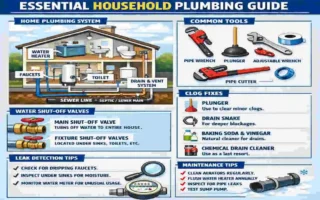
A home’s plumbing system generally has two main sides: water supply and drainage.
The supply system brings clean water into the house. Water travels through supply pipes toward fixtures such as faucets, toilets, showers, washing machines, and water heaters.
The drainage system carries used water away from the fixtures. Wastewater flows through drain pipes and eventually reaches a sewer system or septic system, depending on the property.
Understanding this basic flow makes plumbing much easier to learn. When a faucet has no water, you can think about the supply side. When a sink drains slowly, you can focus on the drainage side.
Several components work together to keep the system operating properly. These include pipes, valves, traps, fittings, faucets, toilets, and other fixtures.
Supply Pipes, Drain Pipes, and Fixtures
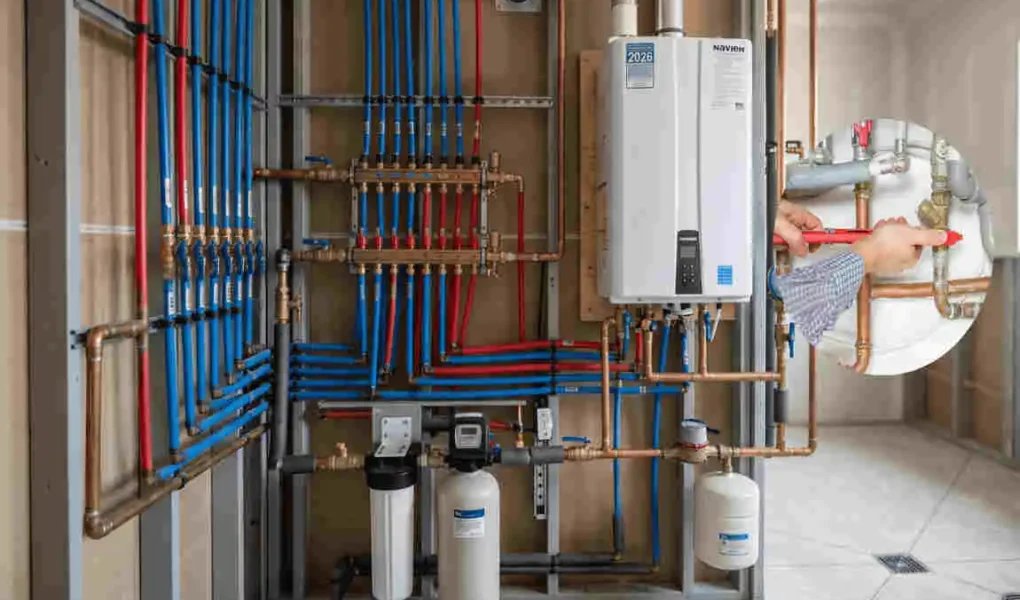
Supply pipes carry pressurized water. They are commonly made from materials such as PEX, copper, CPVC, or other approved plumbing materials.
Drain pipes move wastewater away from fixtures. Unlike supply pipes, they generally rely on gravity and proper pipe slope to move water.
Fixtures are the parts of the plumbing system that you use directly. Common examples include sinks, toilets, bathtubs, showers, and faucets.
You should also learn about shut-off valves. These allow you to stop water flow to a specific fixture or, in an emergency, to much of the house.
Common Plumbing Materials
Modern homes can contain several types of plumbing materials.
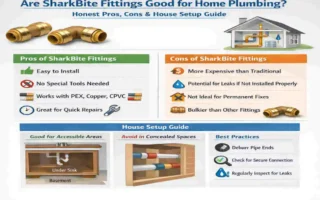
PEX is flexible and commonly used for water supply lines. Its flexibility can make installation easier in some situations.
PVC is widely used for certain drainage applications. In contrast, CPVC may be used for hot and cold water supply systems where permitted.
Copper has been used in residential plumbing for many years. It is durable but requires different tools and techniques compared with plastic piping.
You will also encounter elbows, tees, couplings, adapters, valves, seals, and other fittings. Learning what each fitting does will help you understand plumbing diagrams and repair instructions.
How to Learn Plumbing at Home
Start With Plumbing Basics
The easiest way to learn plumbing is to understand the system before trying to repair it.
Begin by locating your home’s main water shut-off valve. Then identify the shut-off valves beneath sinks and near toilets. Look at the pipes without taking anything apart and try to follow their paths.
Learn basic terms such as supply line, drain, trap, fitting, valve, leak, water pressure, and cleanout. These words appear in almost every plumbing guide.
You should also understand the difference between a water leak and a drainage problem. A leaking supply pipe can continue releasing pressurized water, while a blocked drain usually causes slow drainage or standing water.
Practice With Simple Projects
Once you understand the basics, move toward small projects.
Replacing a faucet aerator is a simple way to become comfortable working with plumbing fixtures. You can also learn to replace a basic faucet, as long as you understand the connections and shut off the water first.
Minor leaks can provide another learning opportunity. You can sometimes fix a loose connection by carefully tightening the fitting, but avoid forcing it.
Learning to use a plunger is another valuable skill. Different types of plungers are designed for different fixtures, so use the appropriate one and avoid excessive force.
As your confidence grows, you can learn more about drain cleaning, faucet maintenance, toilet components, and basic pipe connections.
Use Books, Videos, and Online Resources
Plumbing is a practical skill, but good learning material can make the process much easier.
Beginner-friendly books, instructional videos, diagrams, and educational resources can help you understand how a particular repair works before you touch the plumbing.
The key is not just watching someone perform a repair. Understand why each step is necessary.
Before starting a project, make sure the instructions match your plumbing system and materials. Plumbing methods can vary by pipe, fixture, building, and local requirements.
A useful learning process is:
- Learn the concept first, then identify the parts in your own home.
- Practice simple maintenance, rather than immediately attempting major repairs.
- Inspect your work carefully for leaks after completing a task.
- Build skills gradually as you become more comfortable with tools and materials.
How to Do Plumbing in a House Safely
Turn Off the Water First
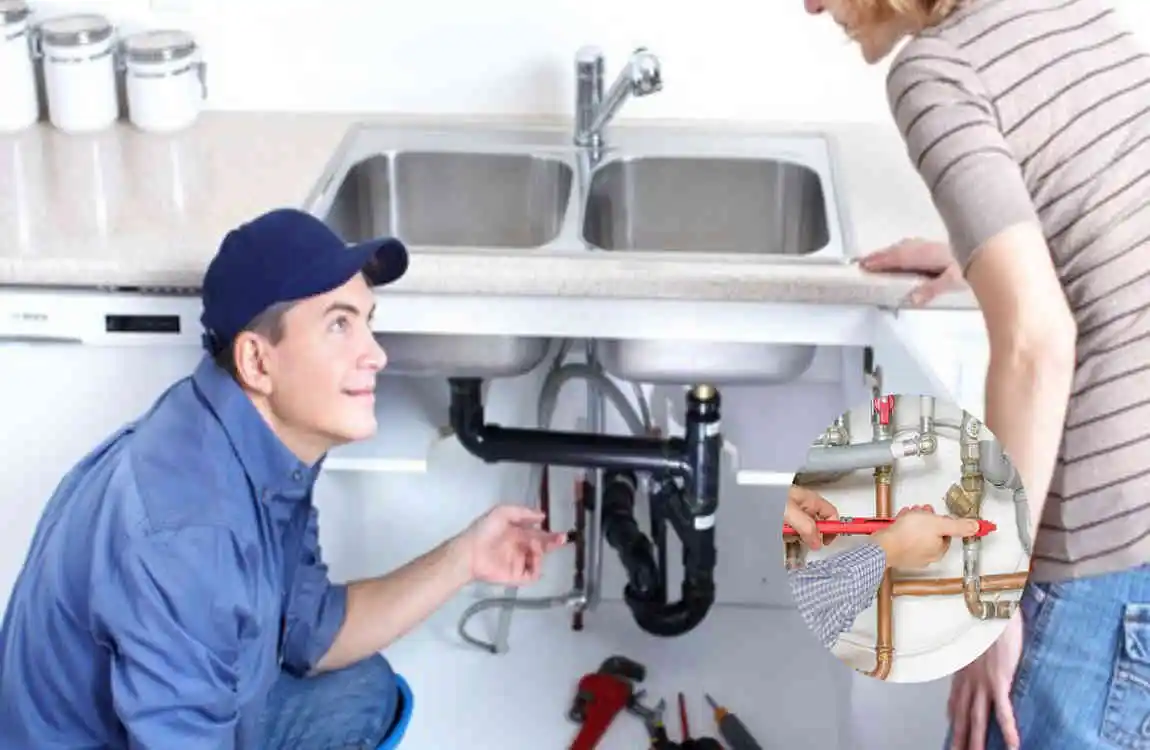
One of the most important rules when learning how to do plumbing in a house is to shut off the water before you start.
For a fixture repair, look for the small shut-off valve near the fixture. Turn it off and then open the faucet or fixture to release remaining pressure.
For a larger emergency, you may need to use the home’s main shut-off valve.
After shutting off the water, check that the flow has actually stopped. Never assume a valve works just because you turned it.
It is also helpful to keep towels, a bucket, and basic cleanup supplies nearby. Even a small amount of water can spread quickly across floors and cabinets.
Know When to Stop
Learning plumbing does not mean doing every plumbing job yourself.
Some repairs require specialized knowledge, equipment, permits, or professional experience. Major leaks, hidden pipe failures, sewer problems, extensive repiping, and complicated plumbing alterations can create serious problems if handled incorrectly.
Don’t treat gas lines as a beginner plumbing project. Gas-related work can create serious safety hazards and should be handled by appropriately qualified professionals.
Stop if you cannot identify the pipe, fitting, valve, or source of a leak with confidence. Knowing when to call for help is an important part of becoming a responsible homeowner.
Essential Plumbing Tools for Beginners
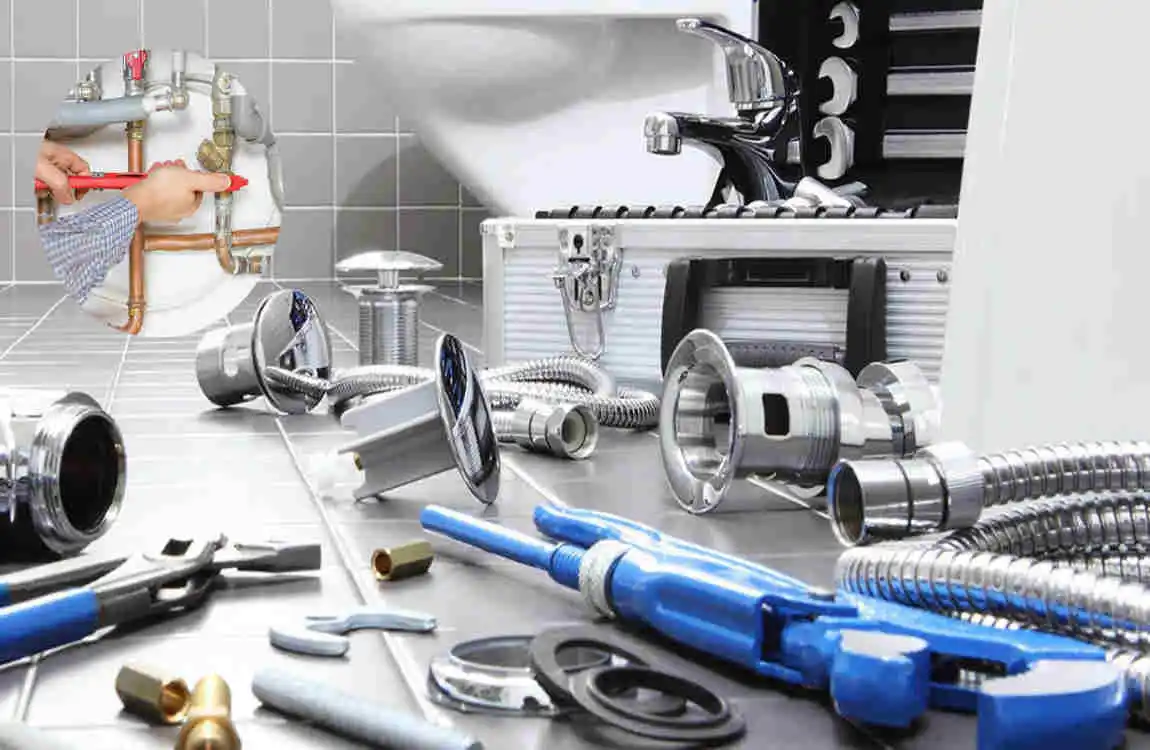
You do not need a huge toolbox to start learning basic plumbing. A few useful tools can handle many simple household tasks.
Tool Main Use
Adjustable wrench Tightening and loosening fittings
Pipe wrench Working with larger threaded pipes
Plunger Clearing simple drain blockages
Plumber’s tape Helping seal suitable threaded connections
Tubing cutter Cutting certain types of pipe
Basin wrench Installing or removing faucets
A flashlight is also useful when working underneath sinks or inside cabinets.
A bucket can protect your floor when disconnecting a fixture. Towels help absorb water and make cleanup easier.
As your skills improve, you may add specialized tools based on the type of plumbing work you actually perform. Buying every plumbing tool immediately is usually unnecessary.
Common Beginner Plumbing Mistakes
Forgetting to Shut Off the Water
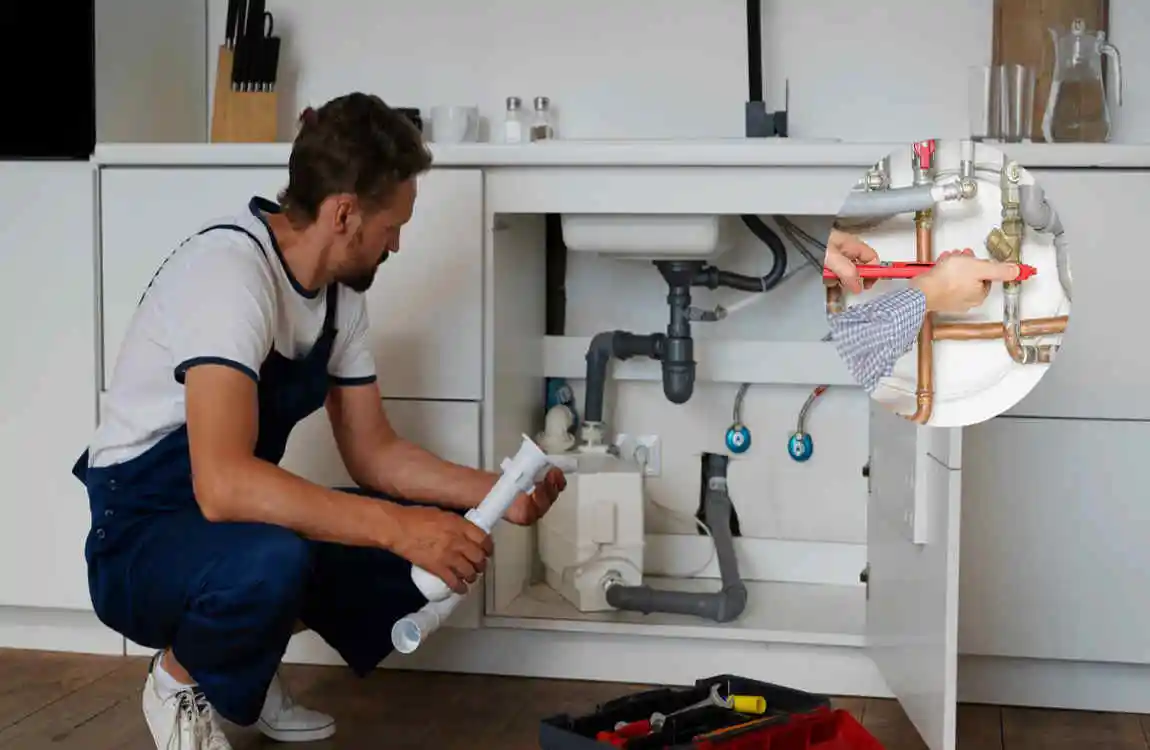
This is one of the most common mistakes beginners make.
Even a simple faucet repair can release a surprising amount of water if the supply remains open. Always identify the correct shut-off valve before disconnecting anything.
Overtightening Fittings
More force does not always mean a better connection.
Overtightening can damage fittings, threads, seals, or fixtures. Tighten connections carefully and follow the instructions for the specific component.
Using the Wrong Pipe or Connector
Plumbing components are not universally interchangeable.
A connector designed for one type of pipe may not suit another. Materials, sizes, connection methods, pressure ratings, and local requirements can all matter.
When replacing a component, identify the existing pipe and fitting before purchasing a replacement.
Ignoring Small Leaks
A small drip may appear harmless, but ongoing moisture can damage cabinets, flooring, walls, and other building materials.
It can also indicate a larger plumbing problem.
When you discover a leak, find its actual source instead of simply wiping away the water. Water can travel along pipes and surfaces, so the visible wet spot may be far from where the leak began.
Attempting Complicated Repairs
Confidence helps, but overconfidence can get expensive.
If a repair involves hidden pipes, major structural changes, sewer lines, extensive repiping, or unfamiliar equipment, consider getting professional help.
As a beginner, your goal should be to build useful skills without creating unnecessary risks.
When Should You Hire a Professional Plumber?
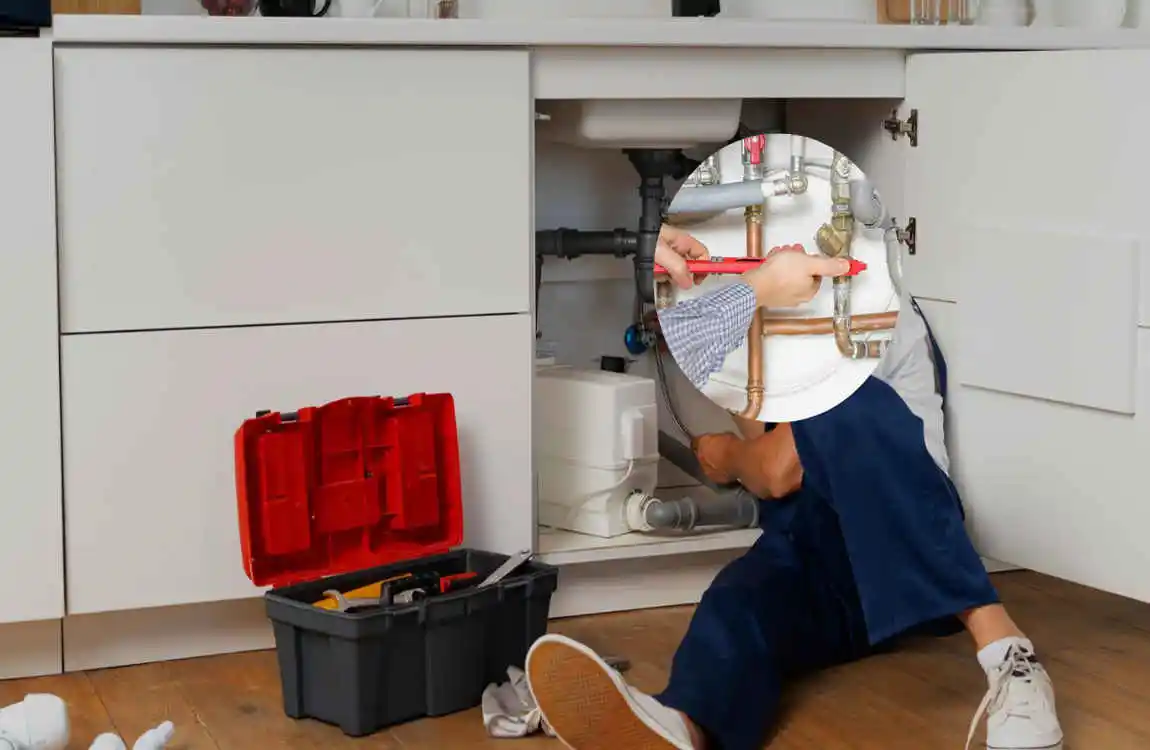
Homeowners can handle many plumbing jobs. Still, some situations are better left to a qualified professional.
Consider professional help when you encounter major pipe leaks that you can’t control with normal fixture shut-offs. A large leak can cause serious water damage very quickly.
Sewer line problems are another area where professional equipment and experience can make a major difference. Symptoms can include repeated backups, multiple slow drains, unusual odors, or wastewater problems.
Hidden plumbing leaks can also be difficult to locate. Water inside walls, ceilings, floors, or other concealed spaces can cause significant damage before the problem becomes obvious.
Extensive repiping is another job that generally requires careful planning. It may involve multiple rooms, building materials, water pressure considerations, and local plumbing requirements.
You should also check local regulations before performing plumbing alterations. Some work may require permits or inspection depending on where you live.
FAQ
Can I learn basic plumbing by myself?
Yes. Many homeowners can learn basic plumbing on their own.
Start with simple concepts such as water supply, drainage, valves, fixtures, and common fittings. Then practice low-risk maintenance tasks.
The key is to learn the correct procedure before beginning the repair.
What should I learn first in home plumbing?
Start by learning how water enters your house, how it reaches fixtures, and how wastewater leaves the property.
Then locate the main water shut-off valve and fixture-level shut-offs. After that, learn the purpose of common plumbing components and tools.
This foundation will make more advanced plumbing information easier to understand.
How long does it take to learn basic plumbing?
There is no single timeframe because plumbing covers a wide range of skills.
You can learn basic concepts relatively quickly, while developing confidence with repairs takes regular practice. Simple maintenance tasks may become comfortable after several projects, but professional-level plumbing requires much more training and experience.
What plumbing jobs can a homeowner safely do?
Depending on local rules and your skill level, homeowners may be able to handle simple maintenance such as replacing an aerator, using a plunger, changing certain fixture components, or addressing straightforward fixture leaks.
Always shut off the water first and follow instructions appropriate for the specific fixture and plumbing material.
What tools do I need to start learning plumbing?
A beginner can start with an adjustable wrench, plunger, plumber’s tape, basin wrench, bucket, towels, and a flashlight.
Additional tools can be purchased as you take on more projects.
You don’t need to build a professional plumbing toolbox before learning the fundamentals.