Have you ever been in the middle of hosting a dinner party, only to discover an overflowing toilet? It’s a homeowner’s nightmare! While plungers often save the day, they aren’t always effective for deep or stubborn clogs. That’s where house plumbing snakes, also known as toilet augers, come into play. These tools are affordable, easy to use, and can save you the hassle (and cost) of calling a plumber.
What Is a House Plumbing Snake?
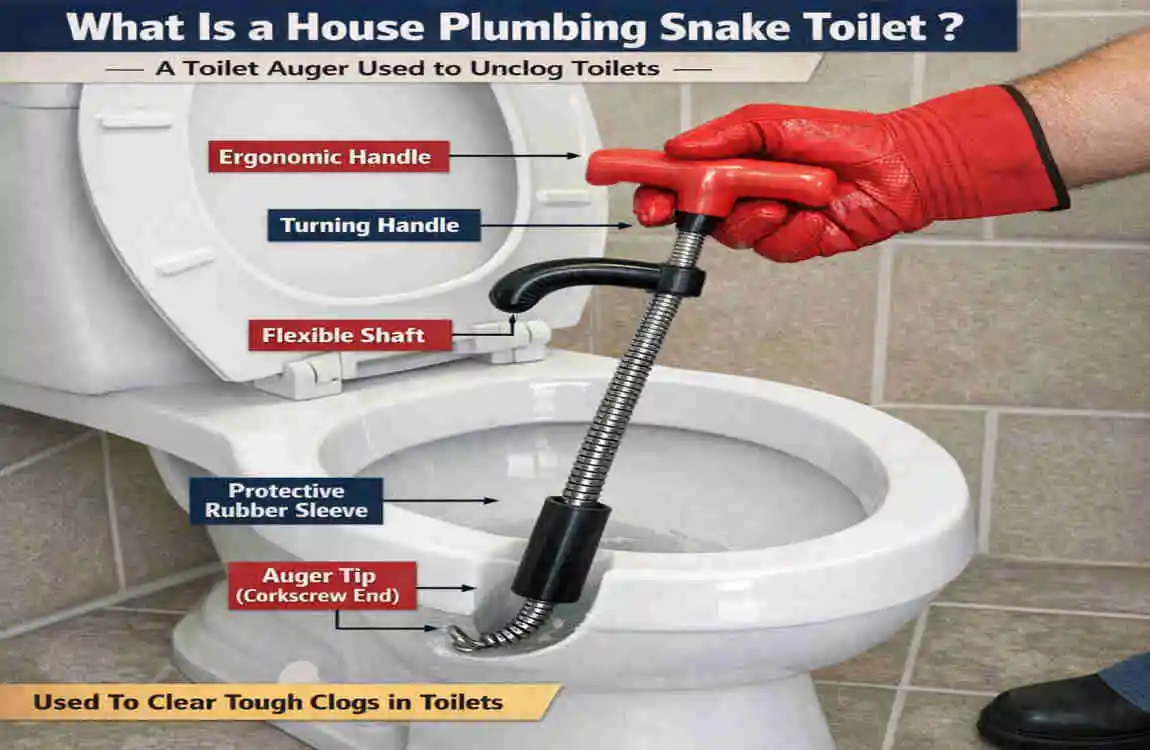
A house plumbing snake is a flexible, coiled cable with a corkscrew tip that is used to remove clogs from drains. It’s specifically made to tackle blockages that plungers can’t reach. For toilets, a specialized tool called a toilet auger, or closet snake, is used. These tools are coated to protect delicate porcelain surfaces.
Types of Plumbing Snakes
There are several types of plumbing snakes available, each suited for different purposes:
Type Best For Price Range Key Feature
Toilet Auger Toilet traps $25-50 Porcelain guard
Hand Snake Sinks, small pipes $15-30 Short, flexible cable
Electric Snake Main sewer lines $100+ Powered motor for clogs
Why Choose a Toilet Auger?
Unlike general drain snakes, toilet augers are designed specifically for toilets. They’re flexible enough to navigate the toilet trap without damaging the porcelain. Plus, they’re safer than chemical cleaners (which can erode your pipes) and more affordable than hydro-jetting services.
Tools and Supplies Needed
Before diving into the process, gather the necessary tools and supplies. Here’s what you’ll need:
- Toilet snake/auger (3-6 ft length recommended).
- Rubber gloves to protect your hands.
- A bucket and old towels to manage water spills.
- Plunger (as a backup tool).
- Disinfectant for cleanup.
- Flashlight to inspect the toilet bowl.
- Trash bags for disposing of debris.
Estimated Budget for Beginners
Item Cost Range
Toilet Snake/Auger $25-50
Rubber Gloves $5-10
Plunger $10-20
Disinfectant $5-10
Towels/Bucket $0-20 (if not already owned)
Pro Tip: Investing in a quality toilet auger can save you hundreds in plumber fees!
Safety Precautions Before Starting
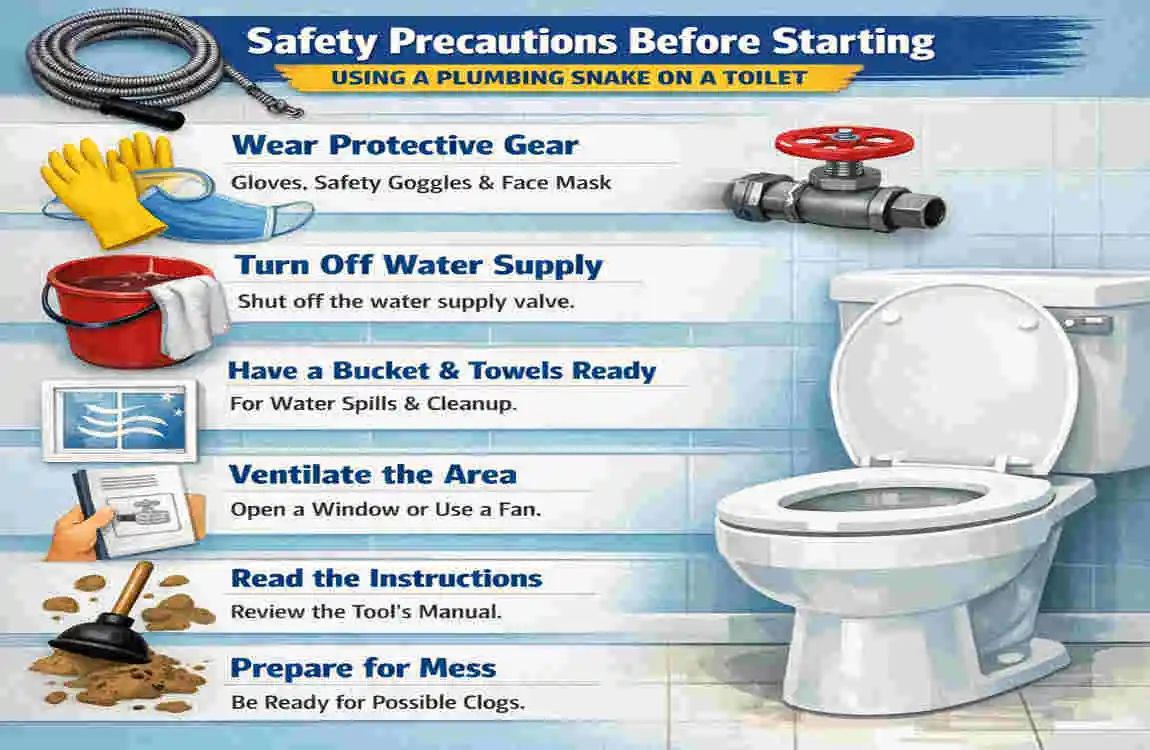
Using a plumbing snake is relatively safe, but mistakes can lead to cracked porcelain or worsening clogs. Follow these safety tips to avoid common pitfalls:
- Turn Off the Water Supply
- Locate the shut-off valve near the base of the toilet and turn it clockwise to stop water flow.
- Wear Protective Gear
- Always wear rubber gloves to protect your hands from germs and splashes of disinfectant. Safety goggles are also helpful if you’re dealing with a messy clog.
- Prepare the Workspace
- Place old towels around the toilet base to catch spills. Keep a bucket nearby for excess water or debris.
- Test the Plunger First
- Before using the snake, try plunging the toilet to dislodge minor clogs.
Legal Note for Renters
If you’re renting, check your lease agreement before attempting DIY fixes. Some landlords prefer handling plumbing issues themselves.
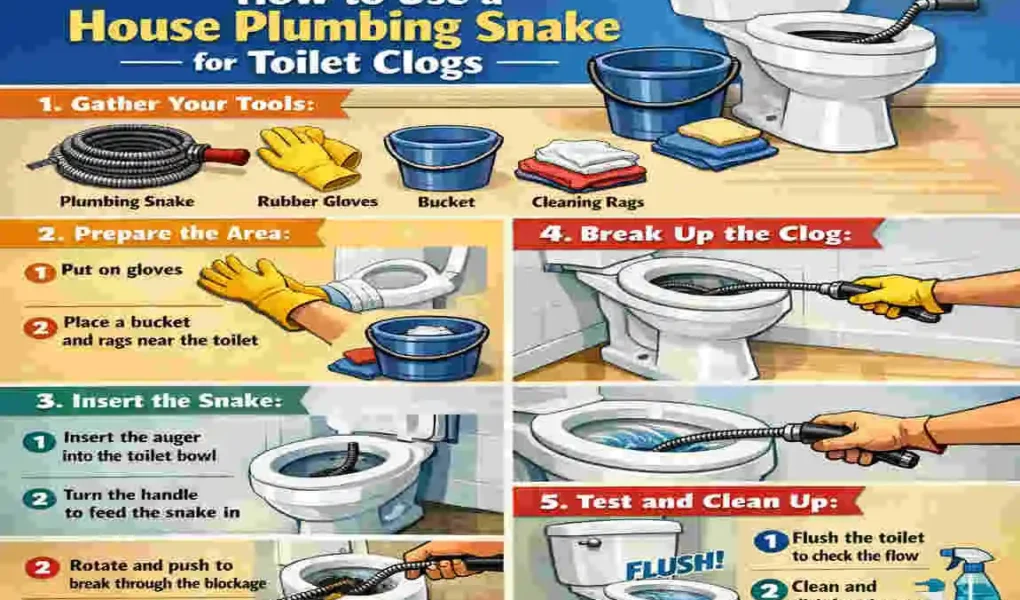
Step-by-Step: How to Use a House Plumbing Snake Toilet
This section provides detailed, step-by-step instructions for using a plumbing snake effectively. Follow along to ensure success!
Preparation
Before using the snake, take these steps to prepare:
- Remove Excess Water: Use a bucket or cup to bail out excess water from the toilet bowl.
- Attempt Plunging: Plunge the toilet 5-10 times to see if the clog loosens.
- Inspect the Snake: If using a toilet auger, extend its protective sleeve to ensure the porcelain is safe.
Inserting the Snake
When you’re ready, it’s time to insert the snake into the toilet. Follow these steps carefully:
- Position the Snake Tip: Place the corkscrew tip into the drain hole at the bottom of the toilet bowl. If using a toilet auger, ensure the sleeve is properly aligned to protect the toilet.
- Crank the Handle Clockwise: Slowly turn the handle clockwise while gently pushing the snake forward. You’ll need to navigate the trap’s curves, so don’t force it.
- Advance Progressively: Push the snake forward 1-2 feet at a time. If you encounter resistance, stop and adjust your angle.
Locating and Breaking the Clog
Once the snake reaches the clog, you’ll feel resistance. Here’s how to handle it:
- Twist and Push-Pull: Rotate the handle to break apart soft clogs like toilet paper. For solid obstructions (like toys), hook them with the corkscrew tip and pull them out.
- Repeat As Needed: If the clog isn’t fully cleared, retract the snake and repeat the process.
Common Clogs and Techniques
Clog Type Snake Technique Prevention
Toilet Paper Push through Use less paper per flush
Wipes or Objects : Hook and pull. Dispose of wipes in the trash
Hair or Grease Multiple passes Use enzyme-based drain cleaners
Retracting and Testing
Once the clog is cleared, it’s time to retract the snake and test the toilet:
- Crank Counterclockwise: Turn the handle counterclockwise while pulling the snake back. This prevents debris from falling back into the trap.
- Flush the Toilet: Test the drain by flushing. If water flows smoothly, the clog is gone!
- Repeat if Necessary: For stubborn clogs, you may need to repeat the process 2-3 times.
Post-Cleanup
After successfully unclogging the toilet, clean up thoroughly:
- Disinfect the Snake: Soak the snake in a bleach solution to kill germs.
- Clean the Toilet: Use disinfectant to sanitize the bowl and surrounding area.
- Store the Snake Dry: Ensure the snake is completely dry before storing to prevent rust.
Troubleshooting Common Issues
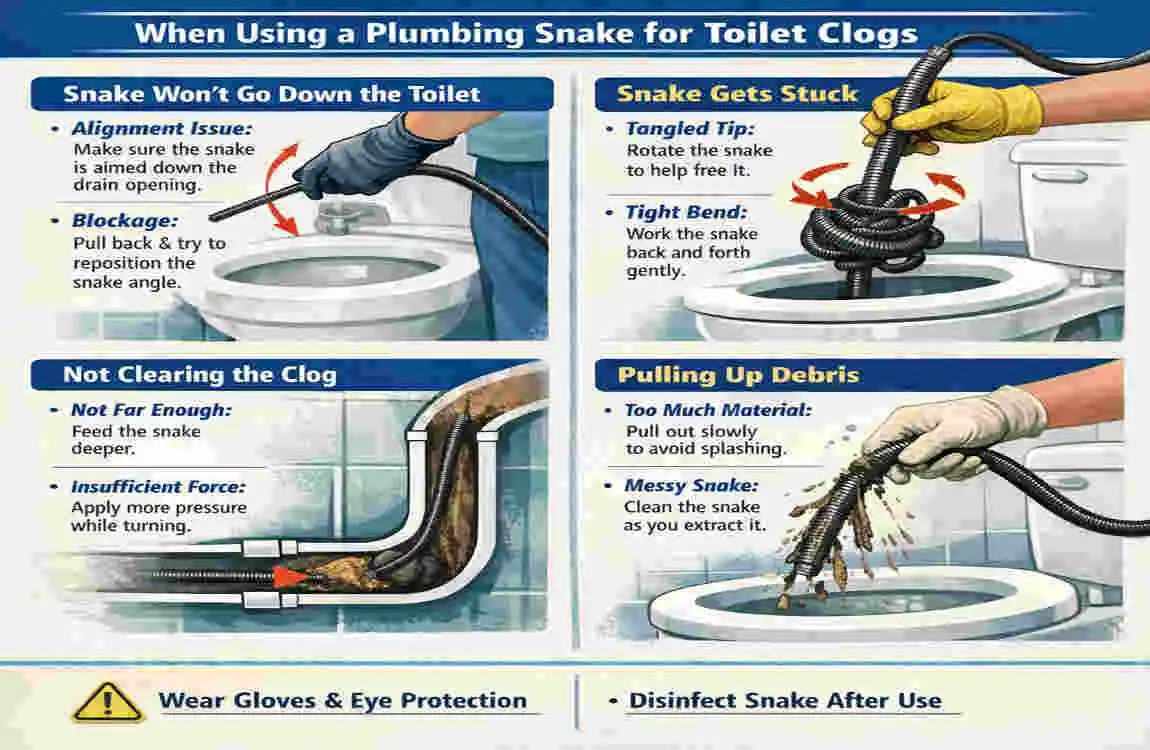
Sometimes, things don’t go as planned. Here are solutions to common plumbing snake problems:
- Snake won’t advance: If the snake won’t progress, you may be at the wrong angle. Gently adjust the position and try again.
- Persistent Clogs: If the clog remains after multiple attempts, it may be located deeper in the sewer line. Call a professional plumber.
- Damage Signs: Look for leaks or scratches on the porcelain. If you notice any, stop using the snake immediately.
When to Call a Plumber
Consider calling a professional if:
- The snake is fully extended, but the clog persists.
- You notice foul odors after clearing the clog.
- Clogs recur frequently, indicating a deeper issue.
Maintenance and Prevention Tips
Prevent future toilet clogs with these simple tips:
- Use Enzyme Cleaners: Monthly treatments can break down organic waste and prevent buildup.
- Avoid Flushing Problem Items: Never flush wipes, sanitary products, or excessive toilet paper.
- Schedule Annual Inspections: Hire a plumber to inspect pipes annually for hidden issues.
Prevention Method Frequency Effectiveness
Water-Saving Toilets Daily High
Baking Soda and Vinegar Weekly Medium
Enzyme-Based Cleaners Monthly High
Alternatives to Plumbing Snakes
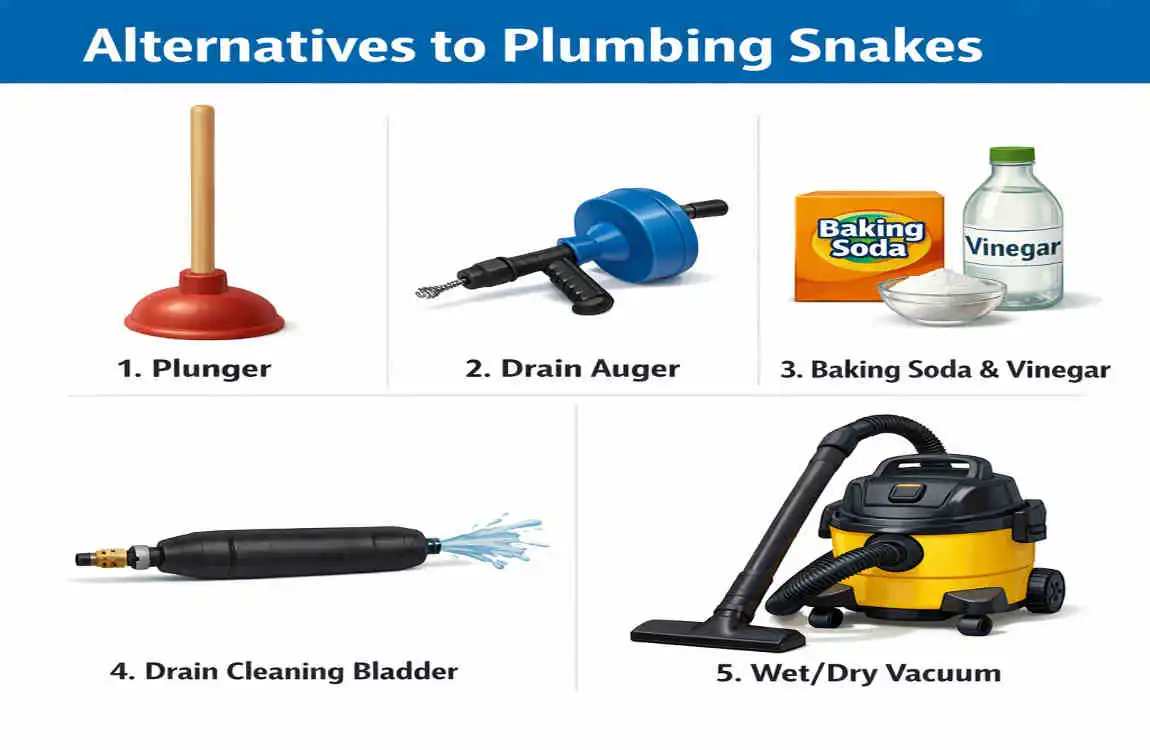
If you don’t have a plumbing snake, consider these alternatives:
- Enzyme Cleaners: Safe for pipes and effective for minor clogs.
- Hydro-Jetting: Professional service for deep or stubborn clogs.
- Plungers: Always try plunging first for minor blockages.
FAQs
How deep does a toilet snake go?
Most toilet snakes are 3-6 feet long, which is sufficient to reach common clogs.
Can I use a sink snake on a toilet?
No, sink snakes are too stiff and can damage the toilet’s porcelain surface.
Is there a video tutorial for this process?
Yes, thisoldhouse.com offers a step-by-step video guide.