If your yelling becomes loud enough to disturb neighbors, happens late at night, turns into threats, or becomes part of abusive behavior inside the home, it can cross into legal trouble. That is where noise rules, domestic violence laws, and harassment concerns may come into play.
This matters a lot in busy urban areas like, where homes are close together, walls are often thin, and noise travels fast. What feels like a private moment in your living room can quickly become a problem for your neighbors.
| Question | Typical Legal Answer | Key Conditions / Exceptions |
|---|---|---|
| Is yelling inside your own house a crime by itself? | Usually no, in most countries (e.g., US, UK, Canada). | If it is just a one‑off raised voice, normal argument, or excitement, it is generally legal. |
| Can yelling at home ever be illegal? | Yes, depending on context. | When it becomes threats, harassment, domestic abuse, or disorderly conduct that disturbs others. |
| Can you be fined for yelling at home? | Yes, if it counts as a noise nuisance. | Repeated loud shouting at night, especially in flats or shared walls, can trigger noise‑ordinance fines. |
| Is yelling at family / partner illegal? | Simple yelling may not be a crime, but patterns of abuse can be criminal. | Threats, intimidation, or coercive control can violate domestic‑abuse or harassment laws. |
When Yelling Becomes Illegal

When It Becomes a Noise Nuisance
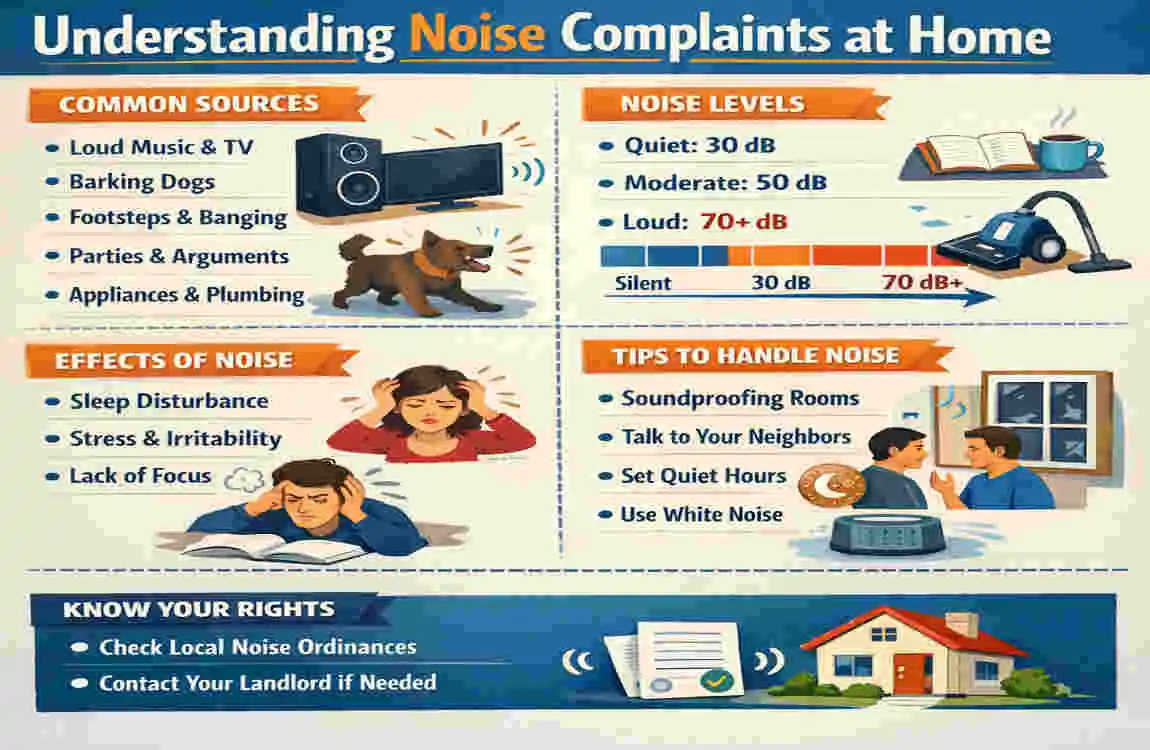
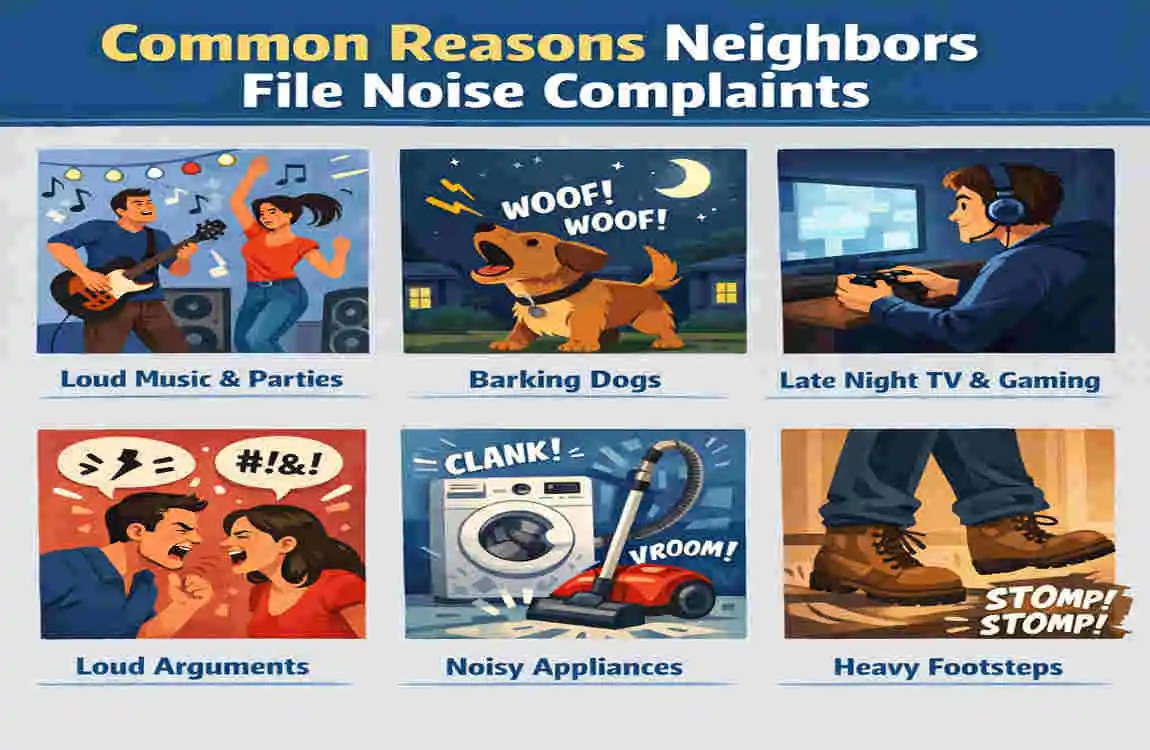
The first legal issue is noise nuisance.
If the yelling is loud, repeated, and disturbing others, it may be treated as a public nuisance or local noise violation. This can happen even if the person yelling is inside their own modern house.
In simple terms, your home is private, but the noise does not stay private once it reaches your neighbors.
This matters most when the yelling is:
- loud enough to carry through walls
- frequent enough to interrupt sleep
- disruptive to nearby homes
- part of a pattern of late-night disturbance
A neighbor who cannot rest because of repeated shouting may file a complaint with local authorities, a housing society, or the relevant civic body.
When It Becomes Domestic Abuse
This is one of the most important points.
Not all yelling is equal. Yelling at someone in a threatening, humiliating, or emotionally abusive way can become domestic abuse.
That means the legal concern is no longer just noise. It is now about harm inside the stunning home.
If yelling is used to:
- intimidate a spouse
- frighten a child
- humiliate a family member
- control someone through fear
- create a pattern of emotional harm
then it may fall under domestic abuse or related family protection laws.
This is why the question “is it illegal to yell in your house” can have a very different answer when there is abuse involved.
When It Involves Threats or Harassment
Yelling becomes more serious when it includes threats.
For example, shouting things like:
- “I will hurt you”
- “I will throw you out”
- “I will break everything”
- “You will regret this”
can go beyond ordinary arguing. Even if the words are spoken inside the house, they may create a fear issue. They can be treated as harassment or intimidation.
That is no longer just a family matter. It can become a police matter.
When Children Are Involved
Children are especially sensitive to loud, angry shouting. Even if there is no physical harm, repeated aggressive yelling can create fear, stress, and emotional damage.
If a child is regularly exposed to abusive shouting, family protection systems and child welfare concerns may come into play.
That does not mean every family argument is illegal. Families disagree. Voices rise. Stress builds. That is normal.
But if yelling becomes a pattern of cruelty, terror, or emotional harm, then it is no longer just a household issue.
Noise Limits, Yelling Volume, and Legal Risk
A Simple Comparison Table
To make this easier to understand, here is a practical table comparing yelling with common residential noise expectations.
Time PeriodTypical Residential Noise LimitTypical Yell VolumeLegal Risk
Daytime Around 55 dB Often 80–90 dB Lower if brief
Nighttime Around 45 dB Often 80–90 dB Higher if repeated
Inside a quiet apartment Depends on surroundings Can carry through walls Moderate to high
During an argument with threats Not about dB only Can be emotionally harmful High
What This Table Really Means
This table is not here to turn you into a sound engineer. It is here to show one thing: yelling is usually much louder than people think.
A shout can carry well above a normal speaking voice. Even if you feel like you are just “talking loudly,” your neighbors may hear something much more intense.
That is why people often get surprised when a complaint happens. What felt normal inside the room sounded very different outside the modern house.
Why Nighttime Is Riskier
At night, background noise drops. That means your voice stands out more.
A yell that seems tolerable in the afternoon may sound much louder at 11:00 p.m. because the environment is quieter. That is why nighttime yelling creates more complaints and more legal risk.
Domestic Yelling: When Family Conflict Crosses the Line
Not Every Argument Is Abuse
It is important to be fair here.
Every family argues sometimes. People get frustrated. They speak sharply. They lose patience. That does not automatically mean the law should step in.
A healthy family can disagree without being perfect. The law is not meant to punish normal human emotions.
But there is a line.
Signs That Yelling Has Become Harmful
You should take the situation seriously if yelling in the home includes:
- regular humiliation
- threats of violence
- repeated insults
- controlling behavior
- fear among children or adults
- breaking things during arguments
- forcing someone to stay silent through intimidation
These signs suggest the issue is no longer just noise. It is becoming emotional abuse or domestic violence.
Why This Matters Legally
When yelling becomes part of abuse, the question “is it illegal to yell in your house” becomes much more serious.
That is because the law can look at:
- the pattern of behavior
- the power imbalance between people
- the emotional damage caused
- whether the yelling is used to control or punish someone
In other words, the problem is not volume alone. It is the purpose and effect of the yelling.
A Gentle Reality Check
If you often yell during family conflict, it may help to pause and ask yourself:
- Am I trying to solve the problem, or just win the argument?
- Is my voice helping or making things worse?
- Is anyone in the house afraid of me?
- Would I be comfortable if my words were heard outside?
These are hard questions, but they matter.
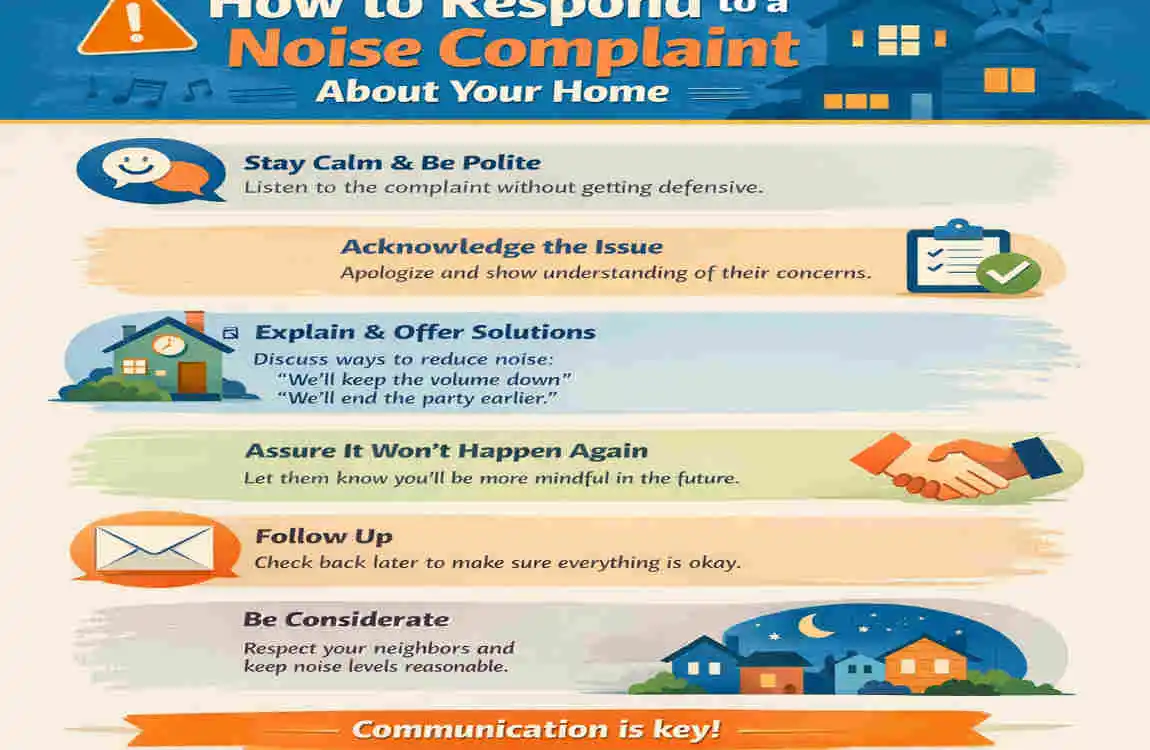
What Happens If a Neighbor Complains?

A Warning May Come First
In many cases, a noise issue starts with a simple warning.
A neighbor may:
- knock on the door
- send a message
- speak to the landlord
- contact the housing society
- call local authorities if the issue continues
If this happens, do not ignore it. Even if you feel you were only shouting for a minute, the complaint means your noise affected someone else.
The Situation Can Escalate
If the yelling continues after warnings, the situation may escalate into a formal complaint.
That can lead to:
- a local inquiry
- a visit from police or society management
- warnings in writing
- pressure to stop the disturbance
- possible fines or legal action in serious cases
This is especially likely if the noise happens often or late at night.
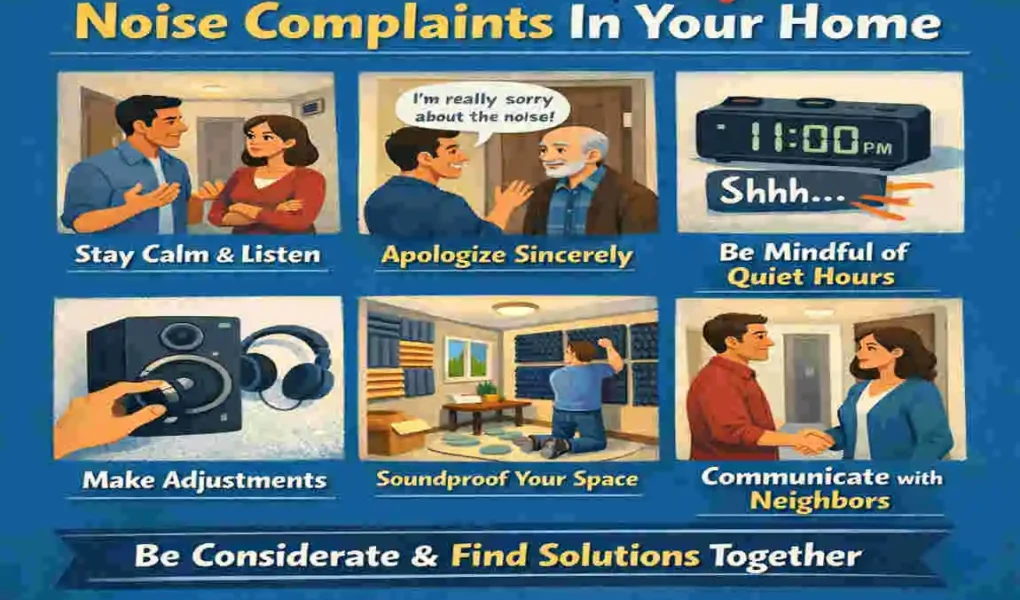
Mediation Is Often Better Than Conflict
Sometimes the best outcome is not a legal fight. It is a calm conversation.
If a neighbor complains, try to:
- listen without becoming defensive
- explain the situation politely
- apologize if needed
- agree on quiet hours
- take practical steps to reduce noise
That simple approach can prevent a small issue from becoming a long-term dispute.
How to Reduce the Risk of Legal Trouble
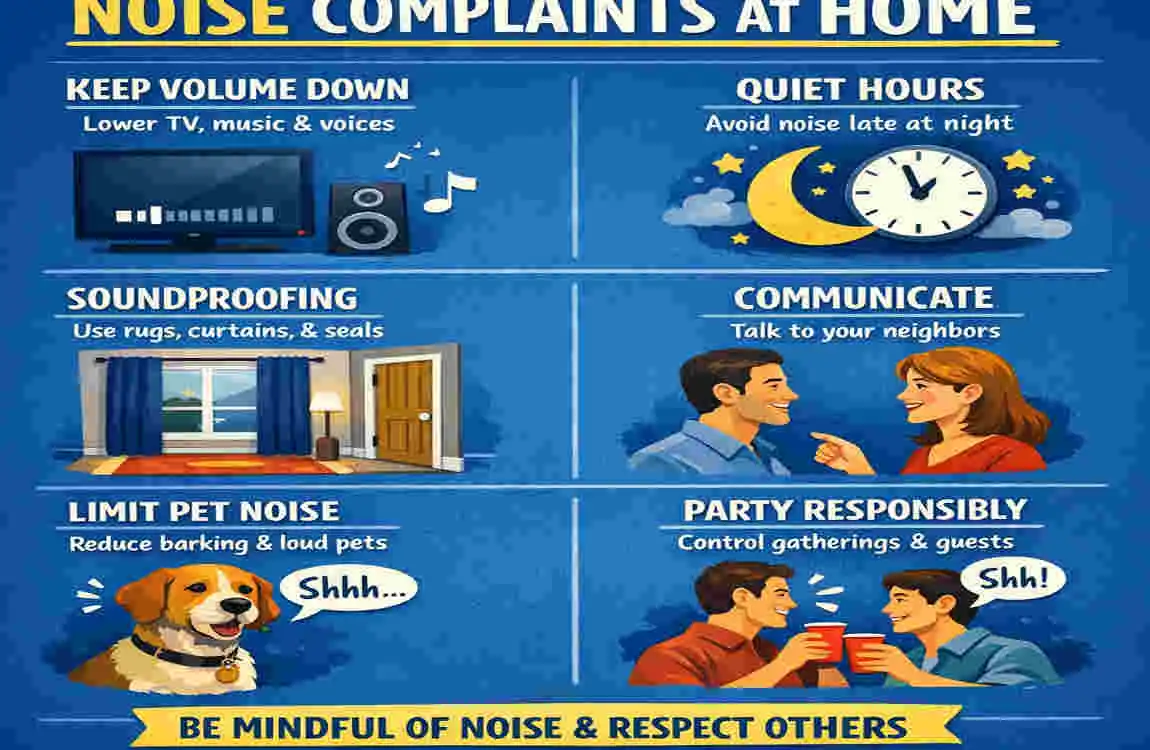
Soundproof Your Home
If your home tends to carry sound, soundproofing can make a huge difference.
You do not need to rebuild your house to improve the situation. Even a few smart changes can reduce how far your voice travels.
Useful options include:
- thicker curtains
- carpets and rugs
- wall panels
- door seals
- window upgrades
- soft furnishings that absorb sound
These changes can help keep your home quieter and make arguments or loud conversations less noticeable outside.
Choose the Right Moment to Talk
A lot of conflict gets worse simply because people try to talk when they are angry.
If possible:
- pause before responding
- wait until emotions calm down
- move the conversation to a private room
- avoid discussing serious problems late at night
- speak more slowly and quietly
This does not solve every problem, but it can prevent shouting from spiraling out of control.
Build Better Stress Habits
Sometimes people yell because they are overloaded, not because they are cruel.
If that sounds familiar, try healthier stress outlets:
- walking
- exercise
- deep breathing
- taking a break before responding
- writing down your thoughts
- speaking to a trusted friend
- seeking family counseling if needed
The goal is not to “be perfect.” The goal is to stop noise and anger from controlling the home.
Practical Soundproofing Ideas for a Quieter Home
Why Soundproofing Helps More Than You Think
If you live in a crowded neighborhood, soundproofing can be one of the smartest home improvements you make.
It helps in two ways:
- It keeps your noise in
- It keeps outside noise out
That means fewer complaints, better privacy, and a calmer home atmosphere.
Cost-Friendly Options
You do not have to spend a fortune to make a difference.
Some affordable ideas include:
- heavy curtains for windows
- rugs and carpets for floors
- foam panels in noisy rooms
- weather stripping around doors
- bookshelves or furniture against shared walls
- soft wall decor to reduce echo
These solutions will not make your house silent, but they can soften sound enough to make a difference.
When Professional Help Makes Sense
If the noise problem is serious, a professional solution may be worth it.
A home improvement expert can look at:
- weak walls
- thin doors
- leaky windows
- hollow spaces that amplify sound
- shared walls that need extra insulation
This is especially useful in apartments or homes where the same noise problem keeps coming back.
Myths About Yelling in Your House
This is only partly true.
Yes, it is your house. Yes, you have privacy. But your right to use your home does not excuse you from your responsibility to avoid disturbing others.
So the real answer to “is it illegal to yell in your house” is not “always yes” or “always no.” It depends on how the yelling affects others.
“If No One Complains, It Can’t Be Illegal”
Not quite.
A lack of complaint does not always mean something is lawful. It may just mean no one has reacted yet.
If the yelling is abusive, threatening, or severe, it can still create legal trouble even before a neighbor complains.
“Only Public Yelling Matters”
That is also false.
Private yelling can still cause problems if it:
- threatens someone
- disturbs neighbors
- creates fear
- becomes harassment
- forms part of domestic abuse
The law often looks at behavior, not just location.
“A Loud Argument Is Always a Family Matter”
Sometimes yes, but not always.
If there is abuse, repeated threats, or serious distress, it may become a matter for legal or social intervention.
Common Situations and How the Law May View Them
This is usually not a legal issue unless the shouting becomes abusive or constant.
A Couple Argues Loudly at Night
This may lead to noise complaints, especially if it is repeated. If threats or abuse are involved, the situation becomes more serious.
A Person Yells During a Family Emergency
This is generally understandable. Emergencies often bring intense emotion. Context matters.
A Resident Shouts at a Neighbor Through the Wall
This can become a clean nuisance, especially if it is frequent or threatening.
A Person Constantly Screams During Stress
Repeated screaming may suggest a mental health or emotional health issue. However, it can still create legal and neighbor problems if it disturbs others.
FAQs: Is It Illegal to Yell in Your House?
Is it illegal to yell in your house?
Usually, no. But it can become a problem if it is loud enough to disturb others, happens late at night, or includes threats or abuse.
Can I get in trouble for yelling at my spouse or family?
Yes, possibly. If the yelling becomes abusive, threatening, or emotionally harmful, it may move beyond a simple family argument.
What if I only yelled once?
A single outburst is less likely to cause legal trouble than repeated shouting. Still, if it was threatening or deeply disturbing, it can matter.
Is yelling at kids illegal?
Not always. But repeated harsh yelling, humiliation, or fear-based behavior can be treated as emotional abuse.
Can neighbors call the police for yelling?
Yes, they can. If the noise is disturbing them, they may complain to authorities or housing management.
What if my house is old and sound travels easily?
Then your risk is higher. Thin walls and open windows can make yelling much more noticeable outside your home.
How can I lower the chance of complaints?
Keep your voice down, avoid late-night arguments, close windows, use rugs or curtains, and add soundproofing where possible.
Is yelling ever protected as free speech?
Private speech is generally allowed, but it does not protect behavior that crosses into threats, harassment, or disorderly conduct.