You know the feeling. A small drip starts under the sink, and at first, it seems harmless. Maybe you even think you can ignore it for a few days. Then the leak gets worse, the ceiling stains appear, the water bill jumps, and suddenly you are looking at a repair bill that feels far bigger than the problem ever should have been.
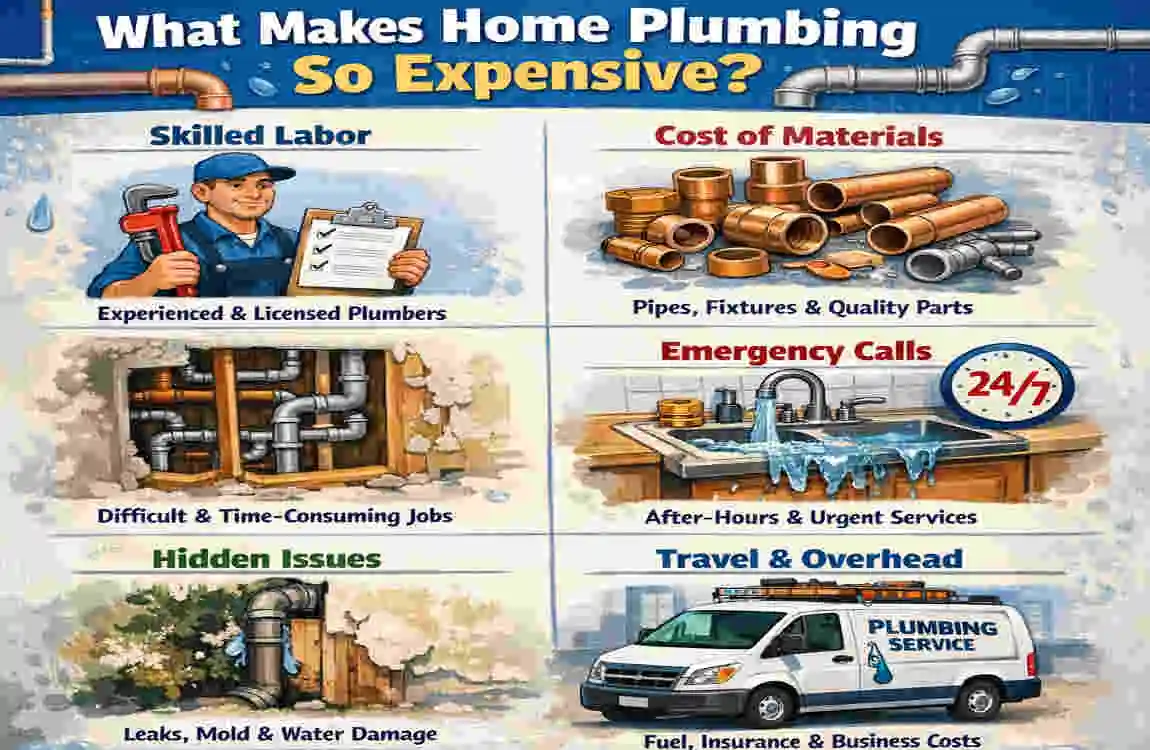
At first glance, plumbing looks simple—a pipe leaks. A plumber fixes it. Job done. But once you look closer, you realize the price includes far more than just tightening a joint or replacing a valve. You are paying for materials, labor, emergency service, inspection tools, wall repairs, permits, water damage control, and often years of hidden wear that nobody noticed in time.
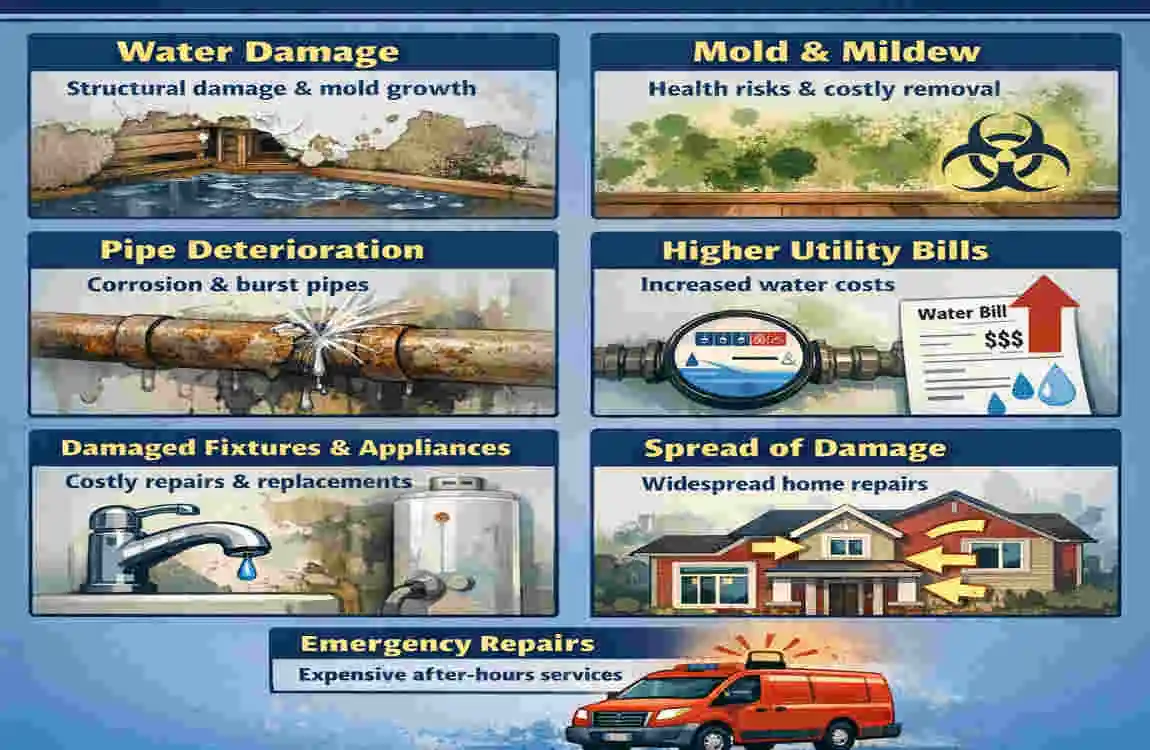
In many cases, the final bill shocks homeowners because the real damage hides behind walls, under floors, and inside old pipes that have been failing for years. A leak that looks tiny on the surface can lead to a much bigger problem inside the home. That is why the cost often climbs so fast.
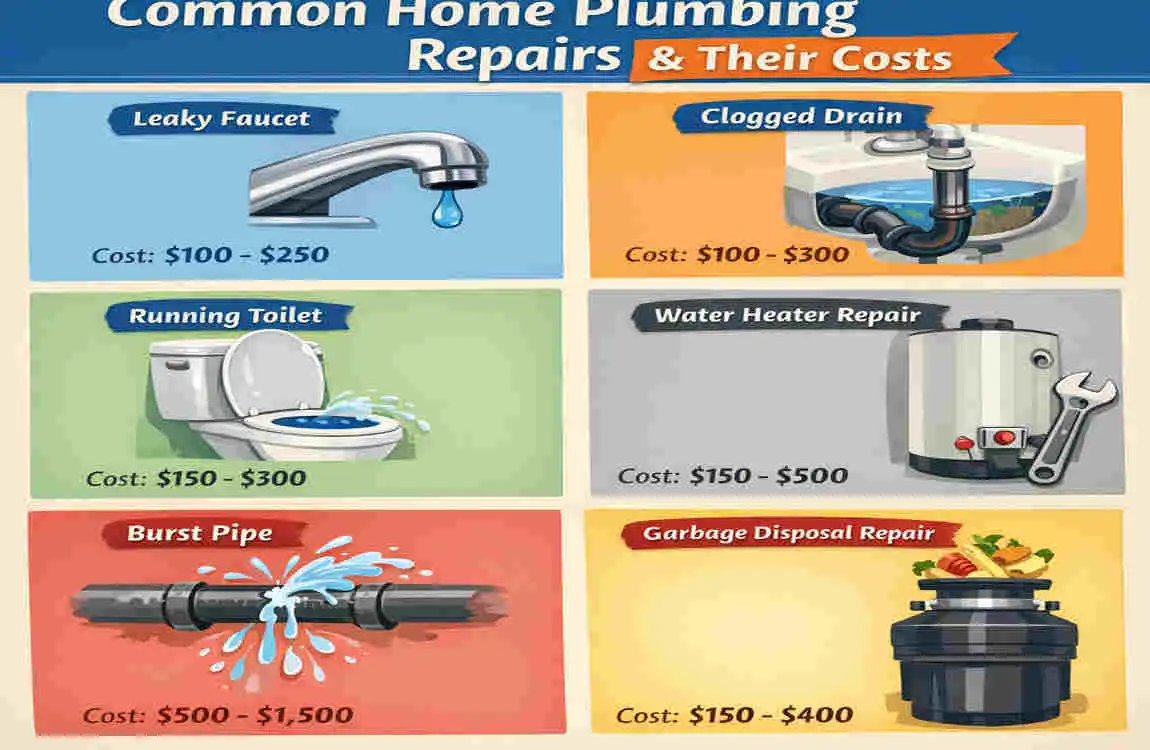
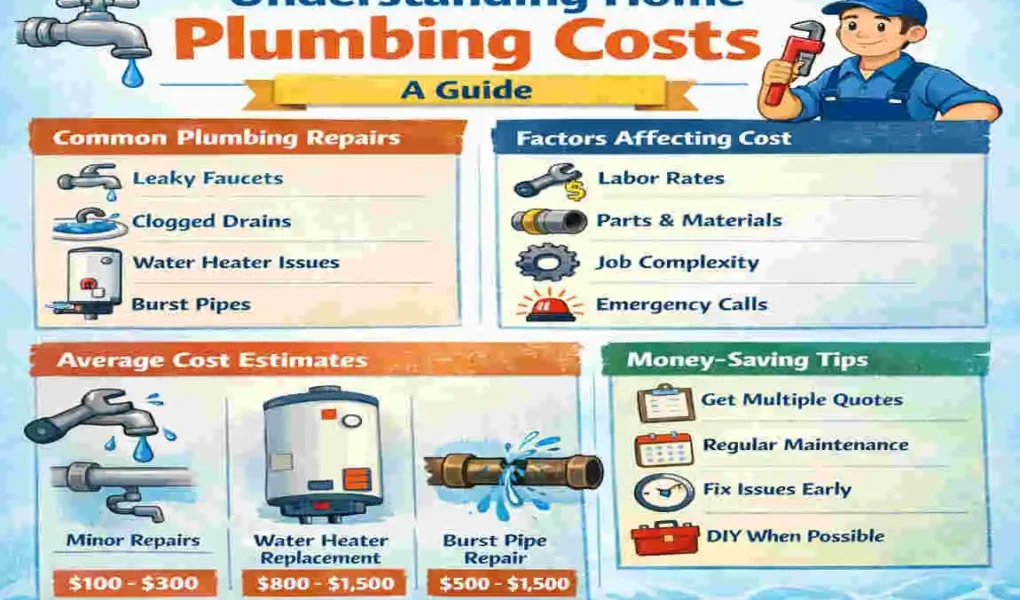
Recent home repair estimates often place the cost of common plumbing repairs in the U.S. at $450 to $1,500. Larger repairs can go much higher depending on the age of the home, the location of the pipes, and the type of damage. In places like and other parts, the numbers can rise quickly, especially when labor is scarce, materials are expensive, or the repair requires special tools.
| Reason | Explanation | Typical Cost Impact |
|---|---|---|
| Skilled Labor Shortage | Licensed plumbers undergo years of training and certification; few new entrants due to demanding apprenticeships. | $100–$250/hour labor rates; shortages drive 20–30% premiums in urban areas like |
| Specialized Tools & Equipment | Requires drain snakes, hydro-jets, pipe cameras, and trenchless tech—not cheap hardware store buys. | $500–$5,000 per job for rentals/purchases; adds 15–25% to total bills. |
| Emergency & After-Hours Calls | 24/7 availability for bursts or clogs means overtime pay and rapid response logistics. | Doubles rates to $200–$500/hour; common for urgent fixes like water main breaks. |
| Premium Materials | Modern codes demand PEX, copper, or PVC pipes resistant to corrosion—far costlier than basic alternatives. | $10–$50 per foot; e.g., copper repiping a home runs $5,000–$15,000. |
Aging Pipes Made from Pricey, Scarce Materials

One of the biggest reasons home plumbing is so expensive is simple: many homes still have old pipes nearing the end of their life.
Older homes often use materials like galvanized steel or even lead-based piping in parts of the system. These materials were common in older construction, but they do not last forever. Over time, they corrode, rust, clog, and weaken. Once that happens, repairs become more complicated and more expensive.
When a plumber opens an old wall or floor and finds deteriorating pipes, the repair is no longer a small fix. It becomes a replacement job. And replacement means buying new materials, removing damaged sections, and sometimes upgrading the whole line so the problem does not return.
Why Materials Drive Up Expenses
The cost of plumbing materials has gone up in recent years. Copper, for example, is strong and reliable but also costly. At times, copper prices have risen sharply due to global supply constraints and higher demand. That matters because many high-quality repairs still rely on copper fittings or copper pipe runs.
Then there is PEX, which is often cheaper than copper and easier to install. But even PEX is not free from cost. It needs the right fittings, the right tools, and a plumber who knows how to install it properly. Cheap material does not always mean a cheap job.
Some homeowners are surprised to learn that the pipe itself is only part of the price. The job also includes connectors, elbows, clamps, sealants, insulation, and the labor needed to fit everything safely.
Hidden Cost: Detection and Replacement
The biggest hidden expense is often finding the problem before replacing it.
If a pipe is hidden behind tiles, buried under concrete, or running through a sealed wall, the plumber may need to inspect it carefully before any work starts. That often means opening access points, using special cameras, or tracing the line through the home.
Once the damaged pipe is found, the plumber may need to remove drywall, lift flooring, or break into a tiled area. That adds labor and repair costs before the actual pipe fix even begins.
To understand the difference between common pipe materials, here is a simple comparison:
Pipe Type, Typical Strength, Relative Cost, Common Use, Main Drawback
Copper : Very strong, High Water supply lines , Expensive material and labor
PEX Flexible and durable Medium Modern home plumbing Needs proper fittings
PVC Lightweight Low Drain and waste lines. Not ideal for every hot-water use
Galvanized Steel: old and rigid. Low at first, high later. Older homes. Corrodes and fails over time
If you have an older home, it is worth getting a yearly inspection. Catching corrosion early can save you from a full replacement later. That one step alone can keep your plumbing bills from turning into a financial headache.
Plumber Shortages Mean Sky-High Labor Fees
Many homeowners assume they are mostly paying for the pipe. In reality, labor is one of the biggest parts of the bill.
And when there aren’t enough skilled plumbers available, prices go up fast.
Plumbing is not just manual work. It requires training, experience, problem-solving, and knowledge of safety standards. A good plumber knows how to handle leaks, water pressure issues, pipe damage, sewer problems, and code requirements without making the situation worse.
That skill matters. It also costs money.
Emergency Call-Out Premiums
If you call a plumber during the evening, on a weekend, or on a holiday, expect to pay more. Emergency plumbing is priced higher because the plumber has to leave other work, travel quickly, and deal with urgent damage.
A burst pipe at 10 p.m. is not the same as a scheduled fix at 10 a.m. The plumber is charging for immediate response, not just the repair itself.
This is one of the clearest answers to why emergency plumbing costs more. You are paying for speed, availability, and the risk that the problem may be causing active damage. At the same time, the plumber is on the way.
In especially in larger cities, emergency rates can jump significantly compared with standard daytime service. That is why a simple after-hours call can feel surprisingly expensive.
Training and Certification Costs Passed to You
A skilled plumber invests in tools, certification, training, and continuous learning. Plumbing codes change. New materials appear. Better repair methods become available. A professional who wants to stay competent has to keep learning.
That overhead does not disappear. It shows up on your bill.
This is actually a good thing in many cases. You want someone who understands how to fix the issue correctly the first time. A cheap repair that fails in three weeks is not cheap at all. It becomes a repeat expense.
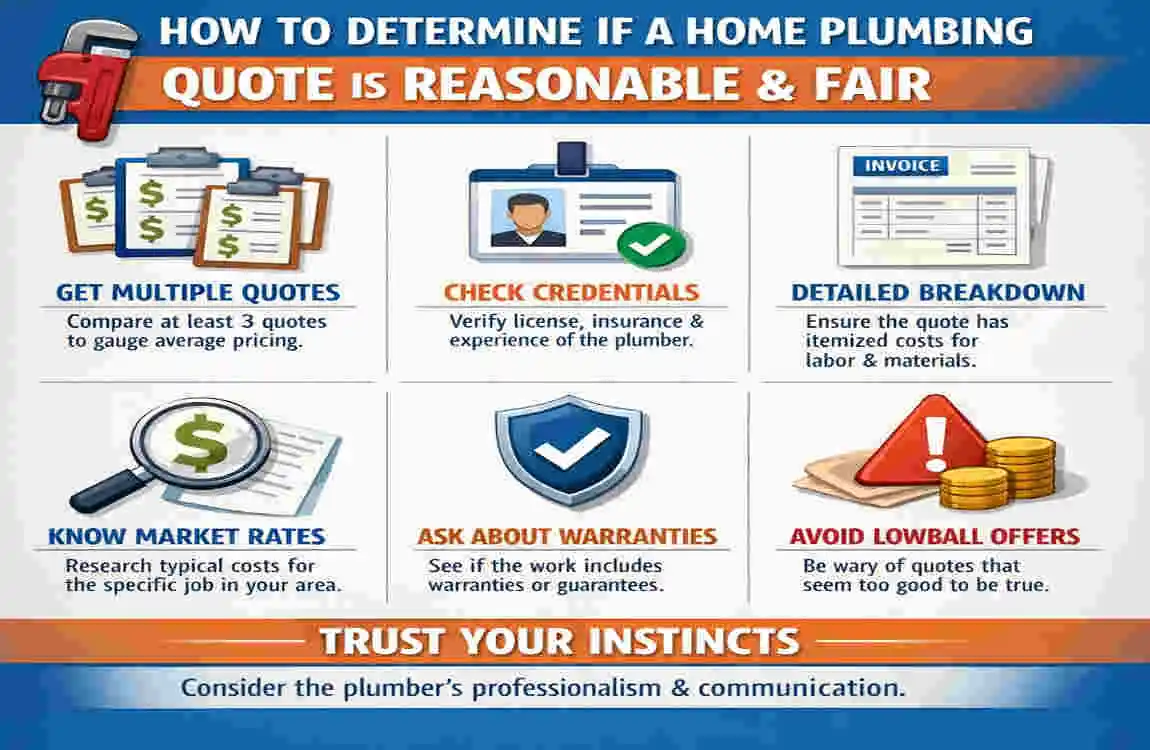
The best way to control labor costs is to avoid panic calling whenever possible. If the problem is not actively flooding your home, schedule the repair during normal working hours. You can also compare quotes from trusted professionals and ask what is included in the estimate.
A skilled plumber may cost more upfront, but that cost often saves you from repeat damage later.
Hard-to-Reach Pipes Require Expensive Tech

Sometimes the plumbing itself is not the problem. The real issue is where the plumbing is located.
Many pipes run behind walls, under floors, inside ceilings, or below concrete slabs. When a leak happens in these hidden places, the plumber cannot simply walk up and replace a visible pipe. They need to find the exact source first.
That is where the costs begin to rise.
Tech Like Hydro-Jetting and Pipe Cameras
Modern plumbing often depends on special equipment. A plumber may use a camera inspection to look inside a pipe and find cracks, blockages, or corrosion. They may use hydro-jetting to blast away grease, scale, and buildup with high-pressure water.
These tools are helpful, but they are not cheap. The plumber pays for the equipment, maintenance, and training, and those costs are part of the final bill.
In some cases, the home needs trenchless repair, which avoids digging up the yard but uses more advanced methods. That can save your landscaping, but the technique itself usually costs more than a basic open repair.
Wall and Floor Demolition Fees
When pipes are buried behind a wall or under tile, the plumber may need to open the structure to reach them. That means demolition, removal, and later restoration.
A small plumbing problem can suddenly turn into several jobs at once:
- cutting into drywall,
- removing tile or flooring,
- repairing the pipe,
- closing the wall again,
- repainting or refinishing the area.
That is why homeowners often feel surprised by the estimate. They think they are paying only for plumbing, but they are also paying for the damage required to access the plumbing.
In many homes and bungalows, hidden pipelines can be especially costly to reach because renovations may have long ago covered access points. What looked like a simple leak can become a full restoration project.
If you are remodeling, ask your contractor to include access panels where possible. That small choice can save you a lot of money later.
High Water Pressure Silently Damages Pipes
High water pressure may feel nice in the shower, but it can quietly destroy your plumbing system.
When pressure is too strong, pipes, joints, valves, and seals wear out faster. Over time, that extra stress leads to small leaks, loose fittings, burst lines, and repeated repairs.
This is one of the hidden reasons many homeowners do not think about until damage starts showing up again and again.
Install Pressure Regulators to Save
A pressure regulator helps keep water flow at a safe level. It reduces strain on the system and can extend the life of your pipes.
This is one of those small upgrades that can save a lot in the long run. If your home has unstable municipal water pressure, a regulator can help keep things steady inside the house.
In many cases, a properly adjusted regulator can reduce repair frequency and prevent sudden pipe failures. That means fewer emergency calls and fewer surprise bills.
Household Habits That Spike Costs
Municipal pressure is not the only cause of trouble. Everyday habits can also add pressure to the system.
For example, hard water is common in many parts of Punjab. Hard water contains more minerals, which can build up in pipes, taps, and heaters. That buildup narrows the flow and makes the system work harder.
Over time, the result is simple: more clogs, more wear, and more repair calls.
Here is a quick look at how pressure levels can affect repair frequency:
Water Pressure Level: What It Feels Like, Risk to Pipes, Repair Frequency
Low Weak flow Low stress, but poor performance Occasional minor fixes
Moderate Steady and balanced Best for most homes Lower repair frequency
High , strong flow , heavy wear on joints and seals , higher repair frequency
Very High Forceful, noisy flow. Burst and leak risk increases. Frequent and costly repairs
If your taps bang, your pipes vibrate, or your shower pressure feels too strong, it may be time to check the system. A small adjustment now can help you avoid a big repair later.
Strict Building Codes and Permits Add Layers of Cost
Another big reason home plumbing is so expensive is paperwork.
That may not be the first thing people think about, but permits, inspections, and code compliance can add real cost to a plumbing job.
For major work, especially when pipes are replaced, rerouted, or tied into a larger system, local authorities may require approval. In cities like, large repairs or upgrades may require permit fees and inspections. That means more time, more documentation, and more cost.
Non-Compliance Risks
Skipping permits may seem like a shortcut, but it can backfire badly.
If the work does not comply with local rules, you may face penalties, delays, or a redo. And if you have to open up the wall again because the work was not done correctly, the bill doubles fast.
That is why a “cheap” plumbing job can turn out to be very expensive later. You may save a little today and lose much more tomorrow.
This is especially important in homes where previous owners made changes without proper approval. A plumber may discover old, unsafe, or non-standard work that needs to be corrected before the current repair can move forward.
Insurance Denials for DIY Fixes
Many homeowners like to try small fixes themselves. That is fine for simple tasks like changing a washer or clearing a minor clog. But when the issue is bigger, a bad DIY repair can create trouble with insurance claims.
If water damage worsens due to an unprofessional repair, the insurer may ask who handled the repair and whether it complied with code. If it did not, the claim may be reduced or denied.
That is why certified plumbing work matters so much. It protects your home and your paperwork.
Before any major repair, ask two important questions:
- Does this job need a permit?
- Will this repair satisfy insurance requirements if I ever need to make a claim?
Those questions can save you from a very expensive surprise.
Poor Water Quality Accelerates Pipe Decay

Water quality plays a huge role in plumbing costs, yet many homeowners ignore it until the pipes start failing.
If your water contains a high amount of minerals, sediment, or other buildup-causing elements, your plumbing wears out faster. The inside of pipes slowly narrows. Faucets clog. Water heaters collect scale. Valves stop working properly.
This is a major reason why pipe repairs cost a fortune in some homes. The problem is not one pipe. It is the whole system slowly aging from the inside out.
Descaling and Treatment Expenses
When mineral buildup becomes severe, plumbers may need to descale the pipes or clear internal blockages. That process can be time-consuming and expensive.
Some homes need additional treatment, such as a whole-house softener or filter system. These systems do not come cheap, but they can reduce future repair bills by limiting scale and buildup.
A water softener may require a larger upfront investment. Still, it can protect your pipes, heaters, fixtures, and appliances over time. That is often a smart trade if your home struggles with hard water.
In areas where groundwater or municipal water supplies contain high levels of heavy minerals, this issue becomes even more important. The cost of cleaning buildup is often much higher than the cost of preventing it.
A Real-World Example
Think of a large home where the owners notice weaker showers, noisy pipes, and repeated clogs. At first, they assume it is one blocked line. But after inspection, the plumber finds buildup across the entire system.
Now the repair is not a single fix. It may involve flushing lines, replacing damaged sections, servicing the heater, and installing treatment equipment.
That is how a plumbing issue becomes a whole-home expense.
The key lesson is simple: bad water makes good pipes age faster. If you know your area has hard water, treat it as a maintenance problem, not just a comfort issue.
Skipping Maintenance Turns Drips into Disasters
The final reason plumbing gets so expensive is the easiest one to control: lack of maintenance.
A tiny leak today can turn into a flooded cabinet tomorrow. A slow drip can weaken fittings for months before suddenly becoming a burst pipe. A partially clogged drain can slowly put pressure on the system until it fails.
This is why neglect is so costly. Small problems rarely stay small forever.
DIY vs. Pro Maintenance Plans
Some maintenance tasks are easy for homeowners. You can look for leaks, check under sinks, test faucets, and watch your water bill for unusual spikes. That kind of basic attention goes a long way.
But some jobs need a professional. A plumber can inspect hidden pipes, check water pressure, test shutoff valves, and spot signs of corrosion before they become major problems.
That is why a yearly service plan can be a smart choice. A low-cost maintenance plan may look unnecessary at first, but it often saves much more than it costs.
For example, if a routine inspection finds a failing valve before it bursts, you avoid water damage, wall repair, and emergency labor fees. That is a big win for your budget.
Here is a simple annual maintenance routine you can follow:
- Check all visible pipes for drips or corrosion.
- Test faucets, valves, and shutoff points.
- Look under sinks for moisture or stains.
- Watch your water bill for sudden changes.
- Flush drains to reduce buildup.
- Inspect water heater performance.
- Schedule a professional inspection once a year.
This may seem basic, but basic care prevents expensive surprises.
How to Cut Plumbing Costs: 7 Ways to Stop Your Pipes from Costing a Fortune
Now that you know why home plumbing is so expensive, the next step is to reduce the damage before it grows.
You do not need to become a plumber. You need to be more proactive.
Here are 7 practical ways to lower your plumbing bills:
- Upgrade old fixtures. Low-flow taps and modern fittings reduce waste and stress on the system.
- Watch for leaks monthly. A small stain, drip, or damp smell can signal a bigger issue.
- Insulate exposed pipes. This helps protect against cold weather and sudden cracking.
- Use drain strainers. They stop hair, food, and debris from entering the lines.
- Install a pressure regulator. This protects the entire plumbing system from excess stress.
- Book repairs early. Waiting usually makes the job bigger and more expensive.
- Choose scheduled service over emergency service. If the problem is not urgent, avoid after-hours fees.
If you want to keep plumbing costs under control, think of maintenance as protection rather than an extra expense. Every small step helps reduce the chance of a big bill later.
Why These Costs Feel So High and Similar Cities
Plumbing costs can feel especially painful in fast-growing cities because many homes combine older plumbing systems, variable water quality, and limited access to skilled labor. That creates the perfect mix for expensive repairs.
In some neighborhoods, homes were built years ago with outdated materials. In others, renovations were done in stages, leaving hidden pipe runs behind walls or under tile. Add hard water, pressure changes, and the need for licensed work, and the bill can climb quickly.
This is why homeowners often feel shocked by a simple repair quote. The price is not just about the leak itself. It reflects the full story of the home’s plumbing system.
If you own an older house, it helps to think ahead. A pipe that is still working today may already be weak inside. A small inspection now can stop a big repair later.
Frequently Asked Questions
Why is home plumbing so expensive?
Home plumbing is expensive because many homes have old pipe systems, hard water, hidden leak points, and labor costs that rise for emergency or specialized work. Permit needs and material prices can also add to the total.
What is the average cost of pipe replacement?
The cost depends on pipe length, access, material, and damage. Small repairs may stay manageable, but full replacements can become costly when walls, floors, or tiles must be opened. Old homes usually cost more because the work is harder.
How can I prevent expensive plumbing repairs?
The best way is to inspect your plumbing regularly, fix small leaks early, use a pressure regulator, clean drains properly, and schedule professional maintenance once a year. Preventive care is always cheaper than emergency repairs.
Why do emergency plumbing jobs cost more?
Emergency plumbing costs more because the plumber responds outside normal hours, often with less planning and more urgency. You pay for fast service, availability, and the risk of active water damage.