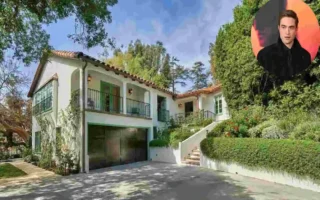
Some homes are more than just places to live. They become part of history, memory, and public conversation. That is exactly why the Sharon Tate House still draws attention today. People are curious about what happened there, what it looked like before, and what stands on the land now.
The story of the Sharon Tate House is no longer just about architecture or real estate. It is also about a famous address in Los Angeles that became tied to one of the most talked-about tragedies in American history. For many readers, the question is simple: what happened to the house, and what is there today?
That question matters because the property has changed a lot over the years. The original house no longer stands, the address changed, and a new home now sits on the site. Even so, the location still carries a strong emotional and cultural meaning. It remains a place people remember, discuss, and search for out of curiosity.
The Original Sharon Tate House: A Brief History
10050 Cielo Drive
The original Sharon Tate House was located at 10050 Cielo Drive in the hills of Los Angeles. This address became one of the most recognized in American cultural history, not because of the building house itself, but because of the events that took place there in 1969.
At the time, the home was part of a private and secluded neighborhood in Benedict Canyon. The area was known for luxury, quiet surroundings, and a sense of distance from the busy city below. That privacy made it appealing to celebrities and wealthy buyers who wanted space, security, and a peaceful lifestyle.
Location and Architecture
The original house was designed in the French Normandy style, giving it a romantic, elegant look. It was not a giant mansion in the way many people imagine celebrity homes today. Instead, it had a more old-world charm, with a storybook feel that fit the rolling hills and wooded setting around it.
The home sat in one of the most desirable parts of Los Angeles. The neighborhood offered both beauty and privacy. That combination made it attractive to people who wanted to live close to Hollywood while remaining out of the public eye.
The property itself had a calm and hidden feel. But that very seclusion later became part of what made the address so infamous. In a city full of famous homes, this one became known for a much darker reason.
Who Was Sharon Tate?
Sharon Tate was a rising Hollywood actress, model, and style icon in the late 1960s. She was admired for her beauty and screen presence, and many people believed she had a bright future ahead of her. She appeared in films, attended high-profile events, and was becoming a familiar face in the entertainment world.
Her public image was tied to the energy and optimism of that era. She represented a kind of youthful glamour that people remember to this day. Beyond her career, she was also known as the wife of film director Roman Polanski at the time she lived at the house.
For many people, Sharon Tate became more than a celebrity after her death. She became a symbol of lost potential and the way fame can be touched by tragedy. That is one reason the house continues to attract interest decades later.
The Tragic Historical Event (1969)
In August 1969, the house became the site of a horrifying crime that shocked the country. The murder spree at the property was part of the crimes linked to Charles Manson and his followers, often referred to as the Manson murders. Sharon Tate, who was pregnant at the time, was among the victims.
The event deeply affected Hollywood and American society. It shattered the sense of innocence many people associated with the late 1960s. The crime was not only violent and deeply personal, but it also became a cultural turning point. After that, many people saw celebrity life, security, and even the idea of a private home in a new way.
The house itself quickly became tied to that tragedy. When people said “the Sharon Tate House,” they were no longer just talking about a residence. They were talking about a place that had become part of true crime history.
What Happened to the Sharon Tate House?
Demolition of the Original Property
The original house did not remain standing forever. It was eventually demolished in 1994. By then, the property had long been associated with the tragedy, and the house had become an unwanted landmark.
There were several reasons for the demolition. One was the ongoing stigma attached to the site. Another was the owners’ privacy and the desire to move away from public attention. The property had already become a place of fascination for the public, which made normal life there difficult.
In the end, tearing down the original structure was a way to start fresh. The land itself remained, but the house that people had known from history was gone.
Renaming and Address Change
After the demolition, the property did not stay the same in the public eye either. The address was changed from 10050 Cielo Drive to 10066 Cielo Drive. That shift was part of the effort to distance the new home from the old history.
Changing the address may seem like a small thing, but in a case like this, it matters. An address can carry memory. It can trigger emotion. It can become a symbol. By changing the number, the property gained a new identity, even though the land was still the same.
This is common in some famous or controversial properties. A new address can help create separation between the past and the present, even if people still know the story.
Public Reaction and Controversy
Not everyone agreed with the demolition or the attempt to move on. Some people felt that the house should have been preserved as a historic site, even if it carried painful memories. Others believed the opposite: that keeping it standing would only continue the pain and public fascination.
This is where the ethical debate begins. Should tragic places be preserved for history, or removed for privacy and healing? There is no easy answer. Some people believe history should be remembered exactly as it happened. Others feel that a home tied to violence should not be turned into a permanent spectacle.
The public reaction showed how deeply people still care about the story. Even years later, the site continued to draw attention, proving that the memory of the original house was not easy to erase.
The Property Today: What Stands There Now?
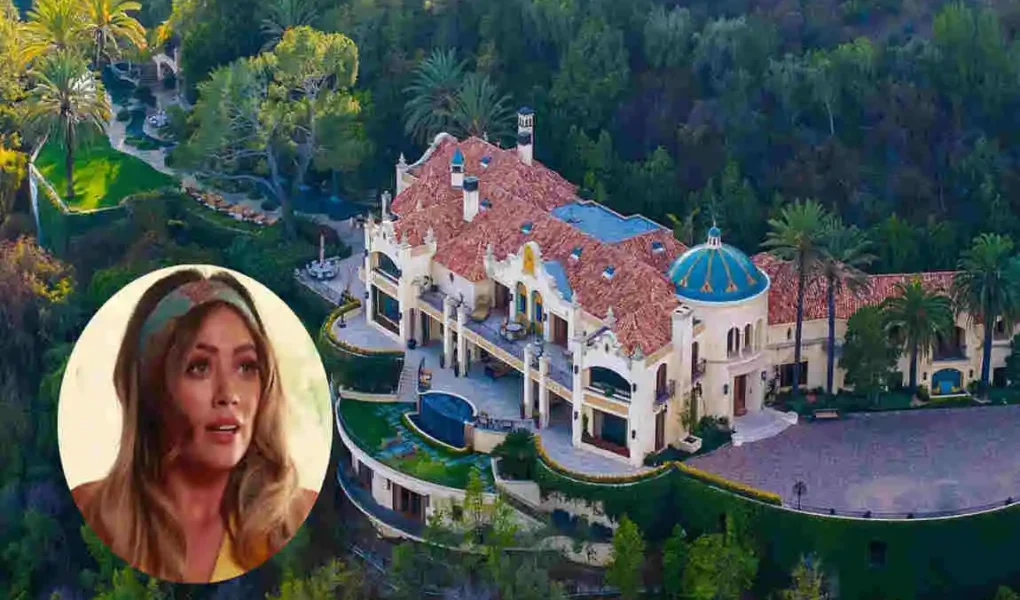
10066 Cielo Drive
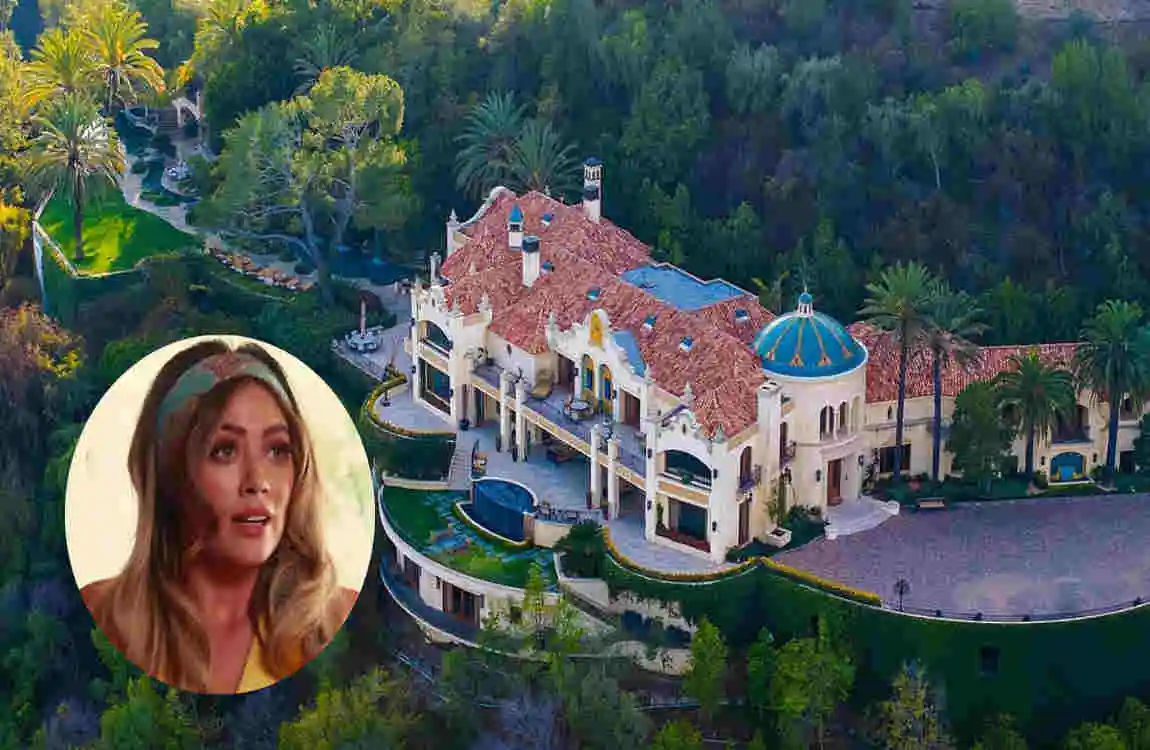
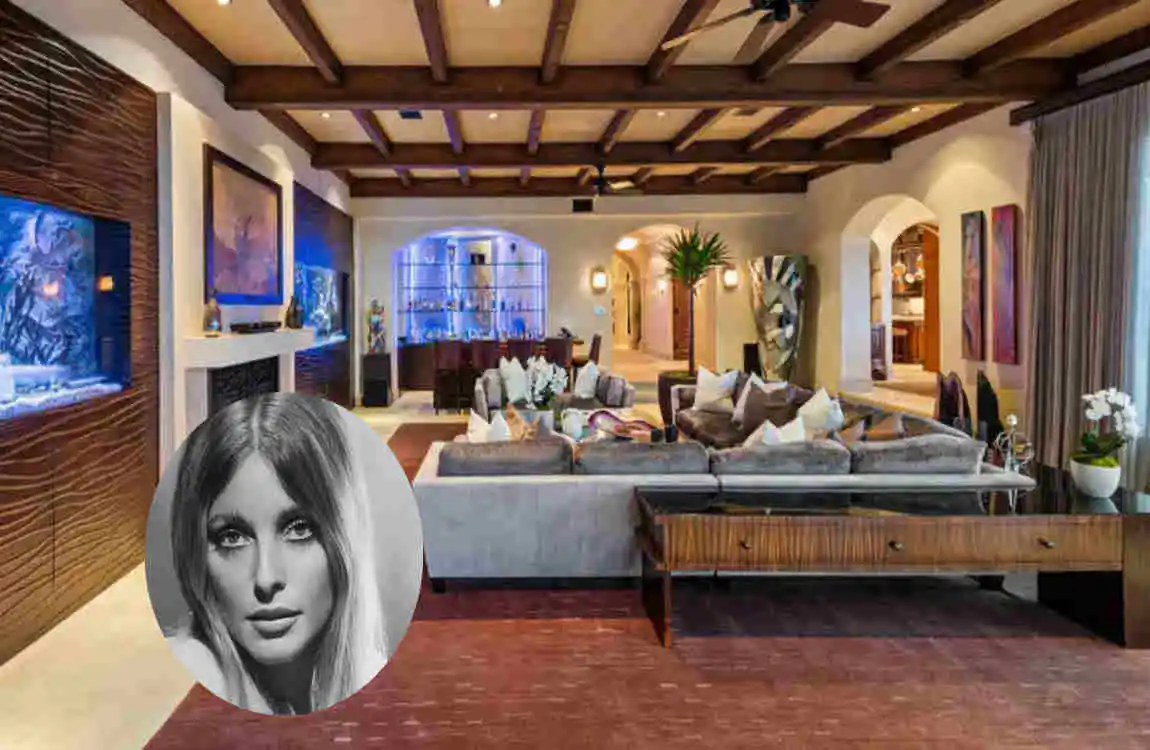
Today, the site of the old Sharon Tate House is home to a completely different structure. The property now sits at 10066 Cielo Drive, and the original structure is long gone. What stands there now is a modern luxury estate, built for a very different purpose and era.
The shift is striking. The old house belonged to a different time, with a classic design and a heavy historical legacy. The new home reflects contemporary taste, privacy, and upscale living. While the land remains connected to the past, the structure itself is clearly part of the present.
The New Mansion
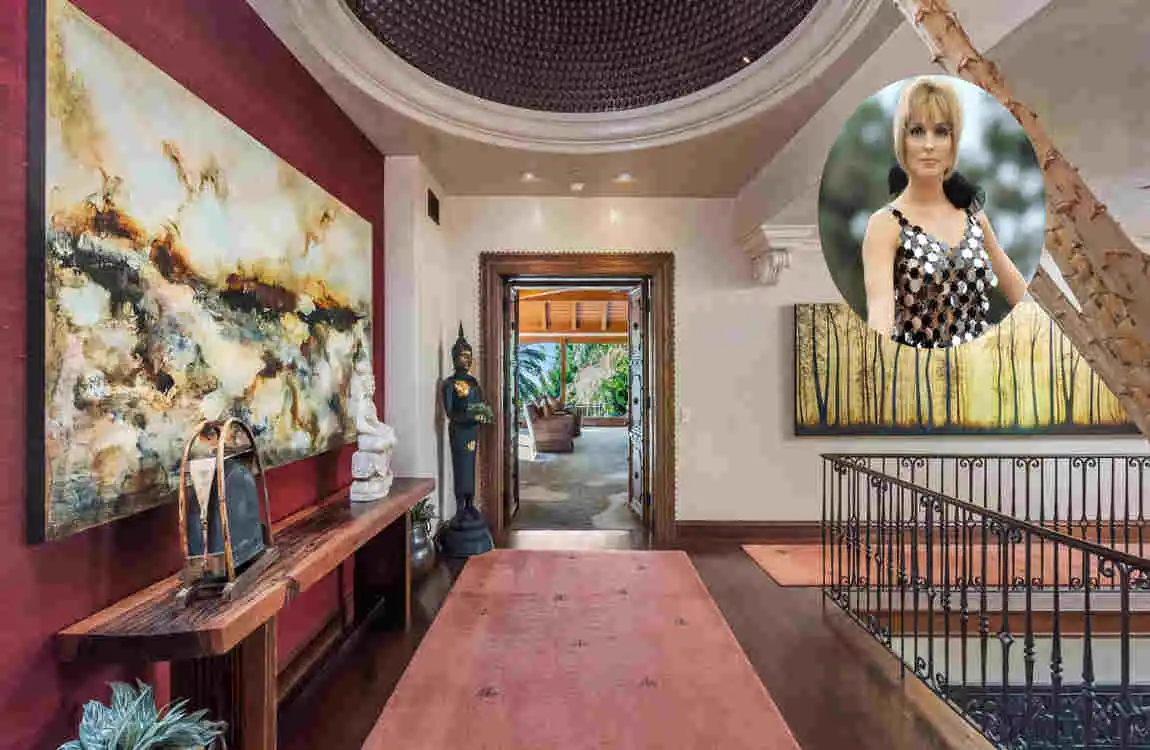
The current home on the site is a modern luxury mansion rather than the French-Normandy-style house that once stood there. The architecture is more contemporary, with cleaner lines, updated materials, and features designed for today’s lifestyle.
This newer home has been described as elegant, private, and highly customized. It is built to offer comfort and exclusivity, a feature typical of many high-end homes in Los Angeles. The design choices reflect modern luxury rather than historic charm.
The difference between the old and new homes is important. One was a recognizable part of a famous tragedy. The other is a private residence meant to function as a normal luxury property, even if it still sits on a historically significant piece of land.
Ownership and Privacy
At one point, the property was purchased by Trent Reznor, the musician known for his work with Nine Inch Nails. He later sold the home. Since then, the ownership details have remained private, which is common for high-value celebrity properties.
Privacy matters a great deal on a site like this. The property has a long history of public attention, and owners have often preferred to keep their lives quiet. In a place with so much history, privacy is not just a luxury. It is almost a necessity.
Because the current owner keeps a low profile, the home does not operate like a tourist attraction. It is a private estate. That is an important distinction for anyone trying to understand the Sharon Tate house now.
Design and Features of the New Estate
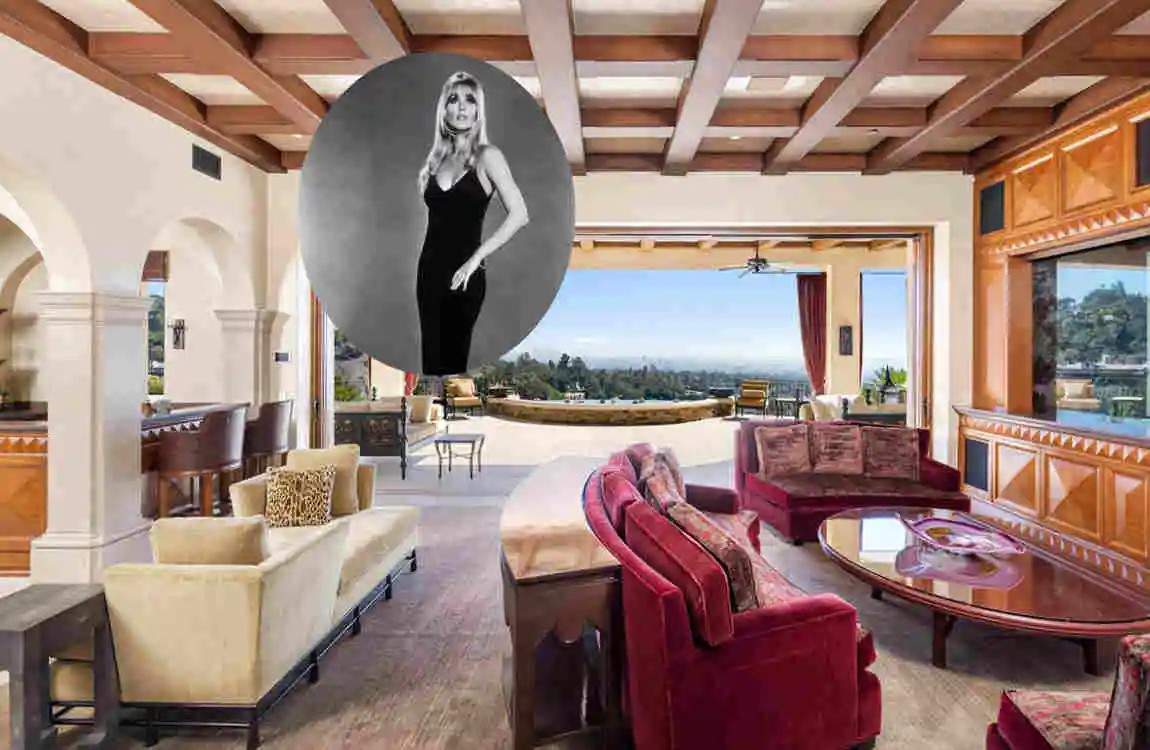
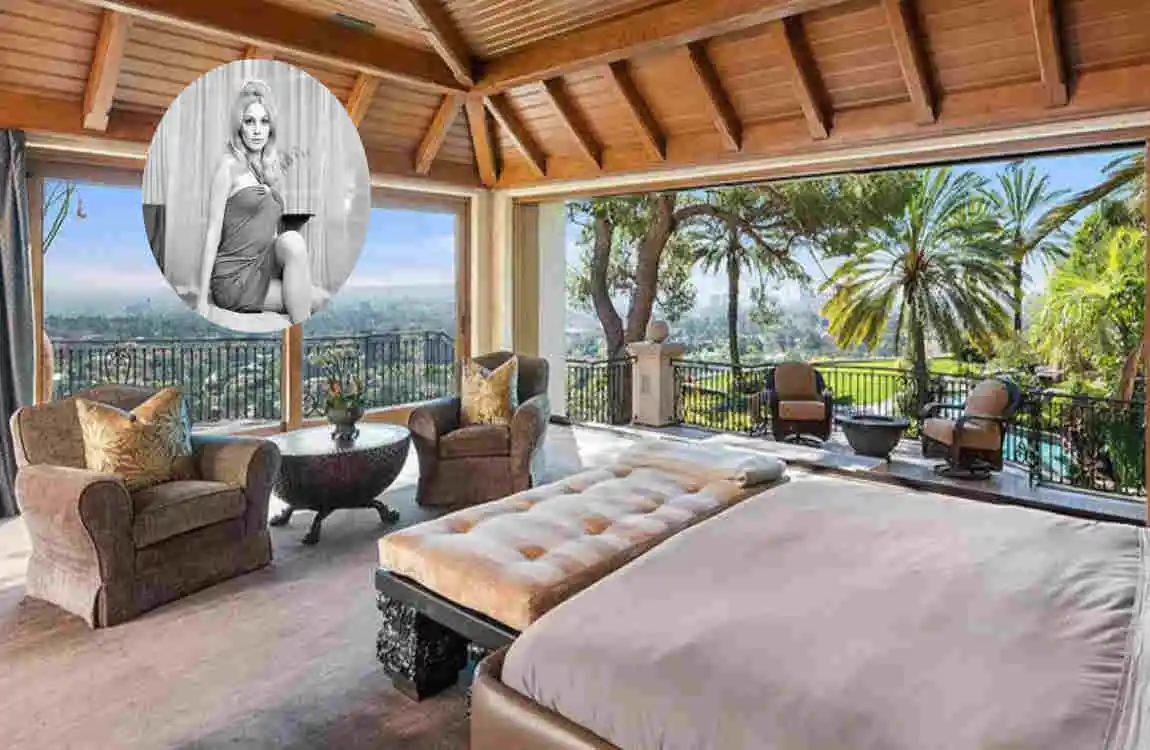
The new estate is built with the comforts expected in a modern luxury property. While exact details are not always public, homes of this level often include features such as large glass openings, open living spaces, high-end kitchens, spa-like bathrooms, landscaped outdoor areas, and strong security systems.
The style is less about old-world charm and more about function, comfort, and privacy. Modern estates in Beverly Hills and the surrounding hills are often designed to blend into the landscape while still offering impressive living spaces.
Here is a simple comparison of the old and new property:
Feature Original Sharon Tate House Current Property
Address 10050 Cielo Drive 10066 Cielo Drive
Style French-Normandy Contemporary luxury
Era Late 1960s Modern era
Public image Tied to tragic history Private upscale residence
Status Demolished in 1994 Still standing today
Main identity Historical significance Residential privacy
This table shows just how much the site has changed. The land stayed in place, but almost everything else evolved.
How the Property Has Changed Over Time
The property’s transformation tells a larger story about memory, change, and reinvention. It moved from a private celebrity home to a site known around the world for tragedy, and then into a modern luxury estate with a different address.
That change also reflects how neighborhoods evolve. Land can be reused. Homes can be rebuilt. Even strong associations can shift over time. Still, history does not vanish just because a new structure appears.
For many people, the property now stands as a symbol of that tension between the past and the present. It is a beautiful home, but it also carries a story that people do not forget.
Cultural Impact of the Sharon Tate House
Influence on Media and Film
The Sharon Tate House has had a long life in media, film, and documentary storytelling. The tragedy connected to the site has been examined many times in books, movies, and true crime programming. It continues to appear in conversations about Hollywood history and the darker side of fame.
One of the most well-known modern references comes from Once Upon a Time in Hollywood, which revisits the era and reimagines the cultural world around the event. While the film is a work of fiction, it reminds audiences that this address is still part of a larger American story.
Media interest has kept the house in public memory. People may not know every detail of the property’s design, but they know the name and the history tied to it. That makes the site part of both real estate history and pop culture history.
Public Fascination with True Crime Locations
Why do people stay interested in places like this? Part of the answer is simple: true crime locations attract attention because they connect a real place to a dramatic event. People want to understand what happened, where it happened, and how a normal home became famous for something terrible.
This kind of interest is often called dark tourism. It refers to visits or curiosity about places associated with death, tragedy, or disaster. Some people see it as a way to learn history. Others worry it can cross the line into unhealthy curiosity.
The fascination can be hard to explain, but it is very real. People are drawn to stories that feel dramatic and emotional. A house tied to a major historical event becomes more than a house. It becomes a symbol, and symbols are powerful.
Legacy of Sharon Tate
It is important not to let the tragedy define Sharon Tate in its entirety. She was an actress, a young woman, and a person with a career and future ahead of her. Her legacy is not only about how she died, but also about how she lived.
Over the years, many people have worked to remember Sharon Tate as more than a victim. They remember her style, her presence, and her place in late-1960s Hollywood. That matters because public memory often focuses too much on the event and too little on the person.
The house remains part of the story, but Sharon Tate’s name deserves to stand for more than the address where she once lived.
Real Estate Perspective: Value of Historic Properties
Do Tragic Histories Affect Property Value?
In real estate, history can affect value in different ways. Sometimes a famous past can increase interest and exclusivity. Other times, a tragic or disturbing history can create hesitation and lower demand.
The Sharon Tate House is a strong example of this tension. On one hand, the site became widely known, which gives it a kind of fame. On the other hand, that fame is tied to pain, which many buyers would rather avoid.
So, does tragedy affect property value? The answer is yes, but not always in the same direction. Some buyers care deeply about the history. Others only care about location, privacy, and the quality of the land or home.
Buyer Psychology and Market Trends
Buyer psychology plays a huge role in homes like this. Some buyers are drawn to famous addresses because they feel rare and memorable. Others avoid them because of the emotional weight attached to the property.
Here are a few reasons buyers may hesitate or show interest:
- Privacy concerns, especially in high-profile neighborhoods
- Emotional stigma, if the history feels too heavy
- Public attention, which can bring unwanted visitors or media interest
- Prestige, since some famous homes carry cultural status
- Scarcity, because land in top Los Angeles neighborhoods is limited
In many cases, the land still has value because of its location. The hills of Los Angeles remain highly desirable. But the story attached to a property can shape how people feel about it, and feelings matter in real estate.
Legal Disclosure Requirements
Property history can also raise legal questions. In many places, sellers must disclose certain facts about a home. Still, disclosure rules vary depending on location and the type of issue involved.
For example, some states require disclosure of known material facts that could affect a buyer’s decision. However, not every tragic event must be revealed in the same way everywhere. The rules can be complex, and they often depend on local law.
That is why historic or infamous homes are often handled carefully. Buyers want clear information. Sellers want to avoid legal trouble. And both sides want to understand whether the past will affect the future use of the property.
For a place like the Sharon Tate House, the history is already well known. But for other famous homes, legal disclosure can be a major part of the sale process.
Before and After: Transformation of the Site
The difference between the original property and the current one is dramatic. The old house had a classic, almost storybook design, while the new estate reflects modern luxury and privacy. The landscape may still feel like the same hillside, but the experience is completely different.
The transformation goes beyond architecture. The landscaping, security, and overall feel of the site have changed too. What was once a home tied to a historical tragedy is now a private residence built for contemporary living.
This shift matters because it shows how places can be redefined. A property can hold memory while also becoming something new. The old and new versions of the site tell different stories, but the same land links them.
That is why the Sharon Tate house now is such a compelling topic. It is not just a “before and after” story. It is a story about how time changes meaning.
Common Myths and Misconceptions
There are still many myths surrounding the Sharon Tate House, and some of them continue to spread because the story has been told so many times. It is easy for facts to get mixed with rumor when a place becomes famous.
One common myth is that the original house still exists in its original form. That is not true. The old structure was demolished in 1994.
Another misconception is that the site is open to the public. It is not. The property is private, and visitors should not treat it like a tourist attraction.
Some people also misreport ownership details or confuse old address numbers with the current property. Since the address changed, that can create even more confusion for people trying to track the history.
FAQs
Q: Does the Sharon Tate House still exist?
No, the original Sharon Tate House does not still exist. It was demolished in 1994.
Q: What is at the Sharon Tate House location now?
A new luxury mansion stands on the site today. The property has been rebuilt and now looks very different from the original home.
Q: Why was the house demolished?
The home was demolished because of stigma, privacy concerns, and redevelopment. The property’s tragic history made it difficult to maintain its original form.
Q: Can you visit the Sharon Tate House site?
No, the property is private and not open to the public. It is a private residence, not a public memorial.
Q: Who owns the property today?
The property is privately owned, and current ownership details are not typically shared publicly. Like many high-end homes, the owner values privacy.
Where Does Sharon Tate Currently Live?
Sharon Tate does not currently live anywhere, as she was murdered on August 9, 1969, at age 26.
Sharon Tate House Photos