Luxury vinyl flooring (LVF) or luxury vinyl plank (LVP) flooring should generally not be steam cleaned in your home. Steam cleaning exposes the floor to high heat and excessive moisture, which can damage the vinyl by causing warping, delamination, adhesive breakdown, or lifting of the planks. Many manufacturers even void warranties if steam cleaning is used. Instead, cleaning with a damp mop and manufacturer-recommended gentle cleaners is the preferred method to maintain LVF’s durability and appearance safely home flooring.
What is Luxury Vinyl Flooring?
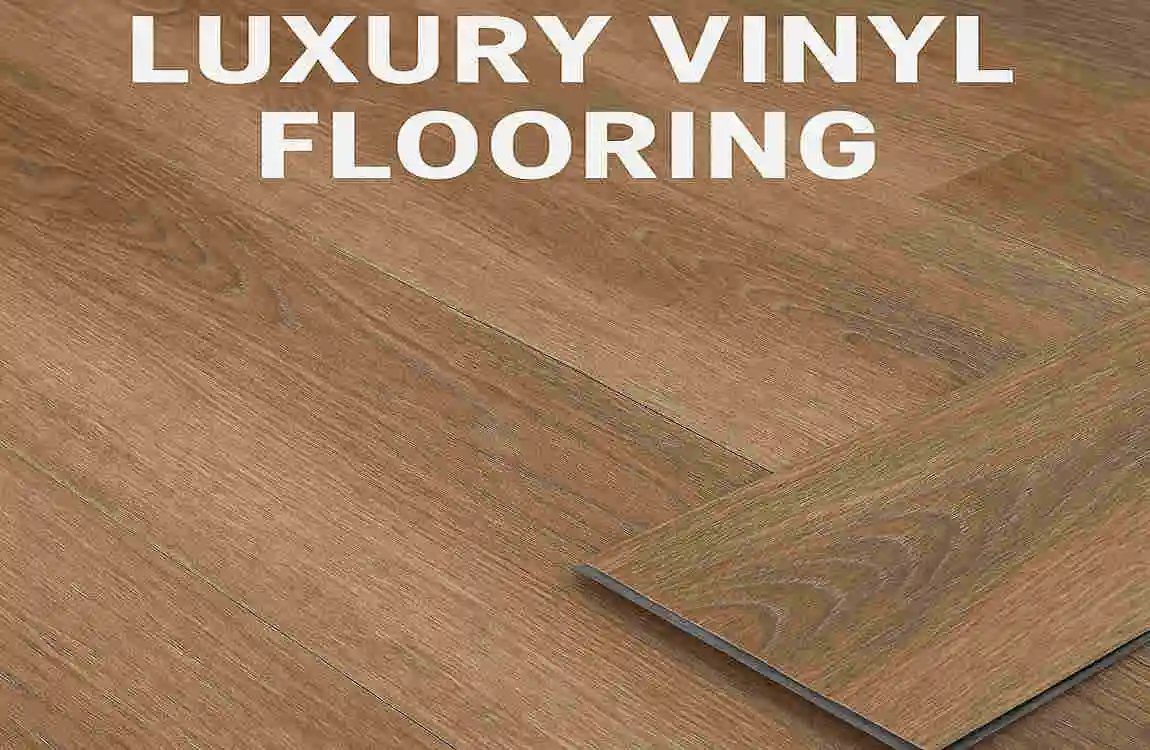
Luxury vinyl flooring is a versatile and stylish option designed to mimic the appearance of natural materials like hardwood or stone. It’s crafted from multiple layers, providing a durable surface that can withstand daily wear and tear.
The top layer features a photographic image that creates realistic textures and patterns, while the core layer adds stability. This multi-layer construction makes LVT resistant to scratches, stains, and moisture.
Available in various styles, colors, and thicknesses, luxury vinyl appeals to homeowners with diverse tastes. Whether you prefer the warmth of oak or the sleek look of marble, there’s an option for everyone.
Another significant advantage is its ease of installation. Luxury vinyl tiles (LVT) can often be laid over existing floors without extensive preparation. This convenience makes it an attractive choice for both renovations and new builds.
Benefits of Luxury Vinyl Flooring
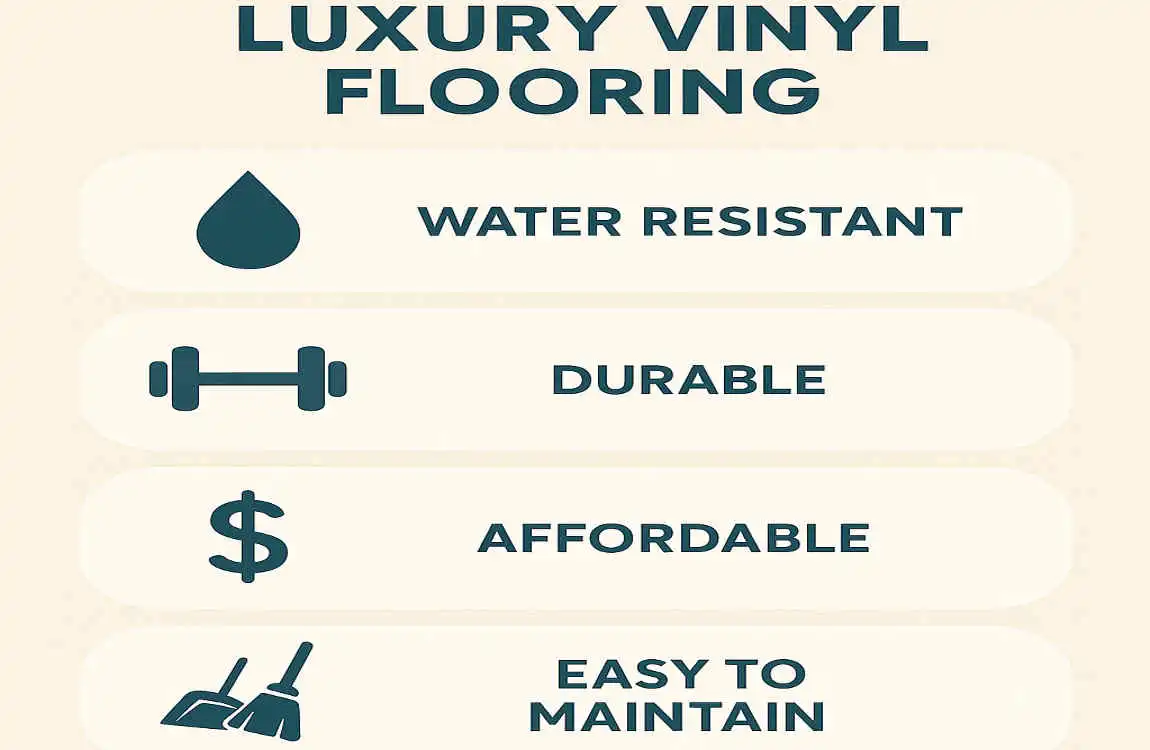
Luxury vinyl flooring (LVT) offers a blend of style and practicality that many homeowners appreciate. Its aesthetic appeal mimics natural materials like wood or stone, providing an upscale look without the hefty price tag.
Durability is another standout feature. LVT can withstand heavy foot traffic and resist scratches, making it ideal for busy households.
Water resistance sets luxury vinyl apart from traditional hardwoods. You can install it in kitchens or bathrooms without worrying about damage from spills.
Easy maintenance is crucial for modern lifestyles. A simple sweep and occasional mopping keep your floors looking fresh.
Comfort underfoot enhances its allure, too. Unlike cold tiles, LVT feels warm and soft, adding to home comfort while being easy on the feet during long periods of standing.
The Steaming Debate: Can You Steam Luxury Vinyl Flooring?

When it comes to cleaning luxury vinyl flooring (LVT), the question of steaming often arises. Many homeowners wonder if steaming is an effective method for maintaining their floors.
The short answer? It isn’t very easy. While steam cleaners can remove dirt and grime, they also pose a risk to LVT surfaces. The high heat from the steam can warp or damage the planks over time, leading to costly repairs or replacements.
Some homeowners swear by using steam on other types of home flooring, but approach LVT with caution. Alternative methods provide safer options without compromising quality or appearance. Exploring these alternatives could save you money and extend the life of your beautiful floors.
Pros and Cons of Steaming LVT
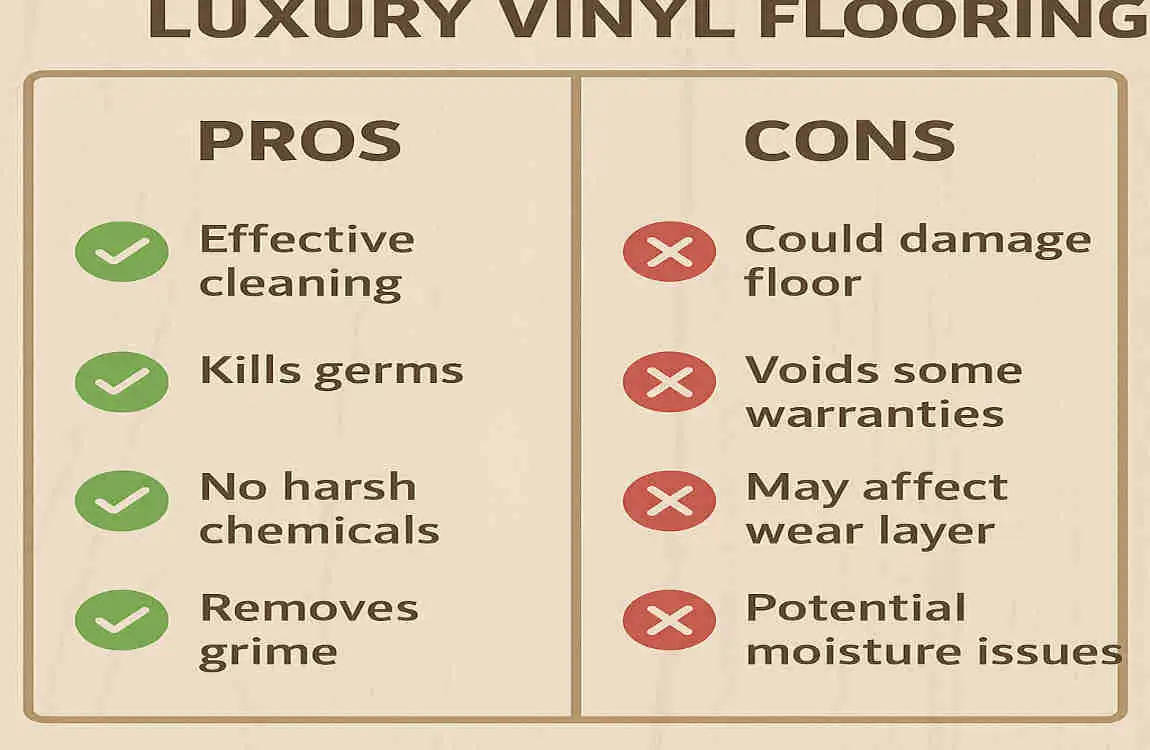
Steaming luxury vinyl flooring (LVT) comes with its advantages. It can effectively eliminate dirt and bacteria, leaving your floors hygienic. The steam penetrates small crevices, helping to lift tough stains without harsh chemicals.
However, there are significant drawbacks. High temperatures can house damage the vinyl or loosen adhesives used in installation. This could lead to warping or bubbling over time.
Another concern is moisture buildup. Excessive steam may seep into seams and edges, potentially causing mold growth beneath the surface.
While steaming offers a deep clean, it’s essential to weigh these risks carefully against potential benefits for your LVT home flooring.
Alternative Cleaning Methods for LVT

When it comes to cleaning luxury vinyl flooring, several effective methods won’t compromise your investment. Start with a simple blend of warm water and mild dish soap. This solution is gentle yet powerful enough to remove dirt without damaging the surface.
Microfiber mops are another excellent tool for LVT care. They effectively trap dust and debris, ensuring a thorough clean without scratching the floor’s finish. For tougher stains, consider using a mixture of vinegar and water in moderation..
Regular sweeping or vacuuming also helps maintain its pristine condition by preventing grit from causing scratches over time. Implement these alternatives into your routine for lasting beauty in your luxury vinyl floors.
Can You Steam Luxury Vinyl Flooring? FAQ
Can You Use a Steam Mop on Luxury Vinyl Flooring?
No, it is not recommended to use a steam mop on luxury vinyl flooring. The high heat and moisture generated by steam mops can damage the vinyl, causing it to warp, buckle, or even melt over time . Even though luxury vinyl is water-resistant or waterproof, it is not designed to withstand the intense heat and pressure of steam cleaning.
Why Is Steam Cleaning Not Safe for Luxury Vinyl Flooring?
Steam cleaning is not safe for luxury vinyl flooring because:
- High Heat: The heat from steam can weaken the adhesive that holds the vinyl planks or tiles in place, leading to warping or separation .
- Moisture Penetration: Steam can seep into the seams or edges of the flooring, potentially causing swelling or damage to the subfloor .
- Surface Damage: Prolonged exposure to steam can dull the finish or leave white spots on the surface of the vinyl .
Are There Any Exceptions Where Steam Cleaning Is Safe for Luxury Vinyl?
Some newer or higher-quality luxury vinyl flooring products may be labeled as “steam mop safe.” However, this is not the norm, and most manufacturers advise against steam cleaning . Always check the manufacturer’s care and maintenance guidelines for your specific flooring before using a steam mop.
What Happens If You Steam Clean Luxury Vinyl Flooring?
If you steam clean luxury vinyl flooring, you may experience the following issues:
- Warping or Buckling: The heat and moisture can cause the planks or tiles to expand and lose their shape .
- Adhesive Failure: The glue holding the flooring in place may weaken, leading to loose or shifting planks .
- White Spots or Streaks: Steam can leave unsightly marks on the surface of the vinyl .
- Shortened Lifespan: Repeated steam cleaning can degrade the flooring over time, reducing its durability and appearance .
What Are the Best Ways to Clean Luxury Vinyl Flooring?
To safely clean luxury vinyl flooring, follow these tips:
- Sweep or Vacuum Regularly: Use a soft-bristle broom or a vacuum with a hard floor attachment to remove dirt and debris .
- Use a Damp Mop: A microfiber mop dampened with warm water and a pH-neutral cleaner specifically designed for vinyl flooring is ideal .
- Spot Clean Stains: For tough stains, use a soft cloth and a mild cleaning solution. Avoid abrasive scrubbers or harsh chemicals.
- Avoid Excess Water: Do not soak the floor with water, as excess moisture can seep into seams and edges.
What Cleaning Products Are Safe for Luxury Vinyl Flooring?
The best cleaning products for luxury vinyl flooring are:
- pH-Neutral Cleaners: These are gentle and won’t damage the finish of the vinyl .
- Specialized Vinyl Floor Cleaners: Products specifically formulated for vinyl flooring are safe and effective.
- Homemade Solutions: A mixture of warm water and a small amount of mild dish soap can be used for everyday cleaning.
Avoid using harsh chemicals like bleach, ammonia, or abrasive cleaners, as they can damage the surface of the vinyl.
What Should You Avoid When Cleaning Luxury Vinyl Flooring?
To protect your luxury vinyl flooring, avoid the following:
- Steam Mops: As mentioned, the heat and moisture can cause damage .
- Abrasive Tools: Steel wool, scouring pads, or stiff brushes can scratch the surface.
- Excess Water: Standing water can seep into seams and edges, causing swelling or damage to the subfloor.
- Harsh Chemicals: Bleach, ammonia, and other strong chemicals can strip the finish and damage the vinyl.