If you are planning a new home, one of the first questions you will ask is how long it will take to build a house in Florida. That is a smart question to ask early, because the answer affects your budget, your move-in date, and your overall plans.
In Florida, the timeline can change a lot depending on the lot, the design, the permits, the weather, and the builder you choose. Some homes move quickly. Others take longer because of custom features, coastal regulations, or inspection delays.
How Long to Build a House in Florida?
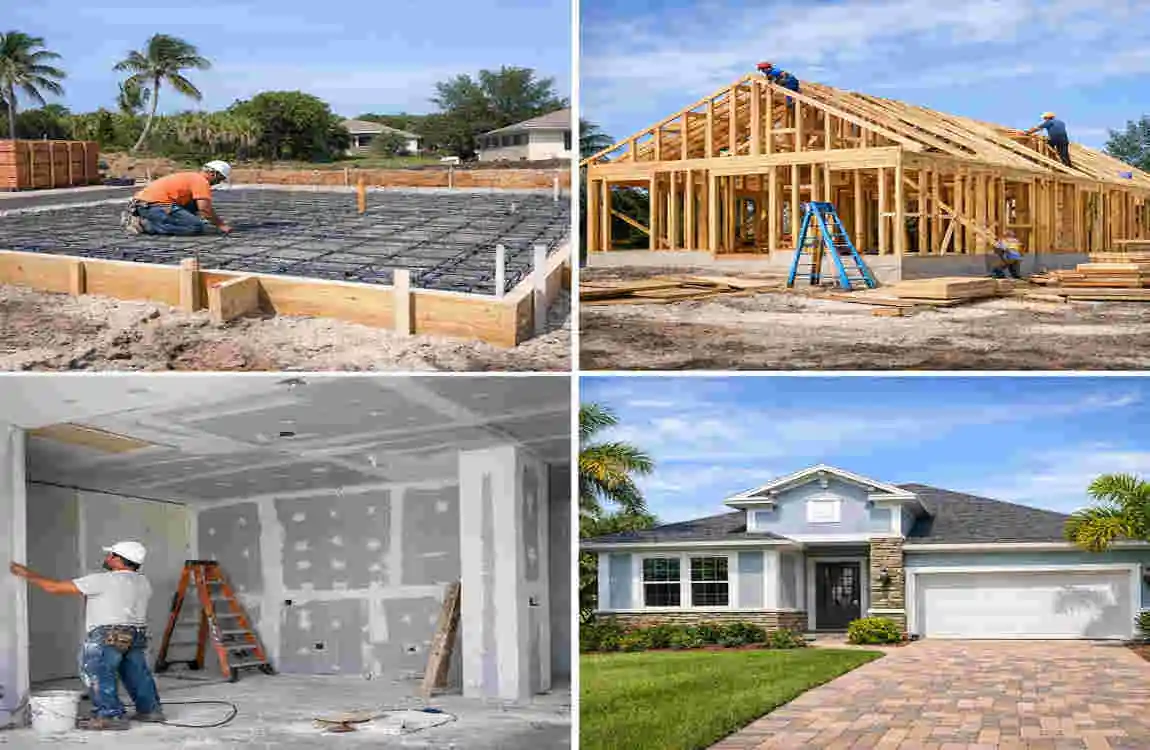
Average construction timeline
For most homes, the average answer to how long to build a house in Florida is 7 to 12 months.
A production home or spec home may finish faster because the design is already set and many choices are already made. A custom home usually takes longer because more planning, approvals, and design changes are involved.
Luxury homes can take even more time. Bigger floor plans, special finishes, and waterfront rules often extend the schedule.
Factors affecting construction time
Several things can affect how fast your home gets built:
- Home size
- Design complexity
- Location
- Contractor availability
A small home with a simple layout is usually faster to build than a large custom home with special details. Homes in coastal or high-risk zones may also take longer because of extra permits and inspections.
Step-by-Step Florida Home Building Timeline
Planning and budgeting 2–6 weeks
This is where the project begins. You decide what kind of home you want, how much you can spend, and who will help you build it.
You may work with a lender, builder, architect, or real estate agent during this stage. Good planning here can save you time later.
Finding land 2–8 weeks
If you do not already own land, you need to find the right lot first.
You should check zoning, access to utilities, drainage, and any local restrictions. In Florida, site conditions matter a lot because of flood zones, soil type, and hurricane safety rules.
Home design and architectural plans: 1–3 months
Once you have land, the next step is design.
This includes floor plans, exterior style, engineering drawings, and any changes you want for your lifestyle. If the home is custom, this stage can take longer because every detail must be approved.
Permits and approvals 1–3 months
Permits are one of the biggest reasons people ask how long to build a house in Florida and get very different answers.
You may need building permits, HOA approval, and sometimes environmental or coastal approvals. The exact timeline depends on the county and the complexity of the home.
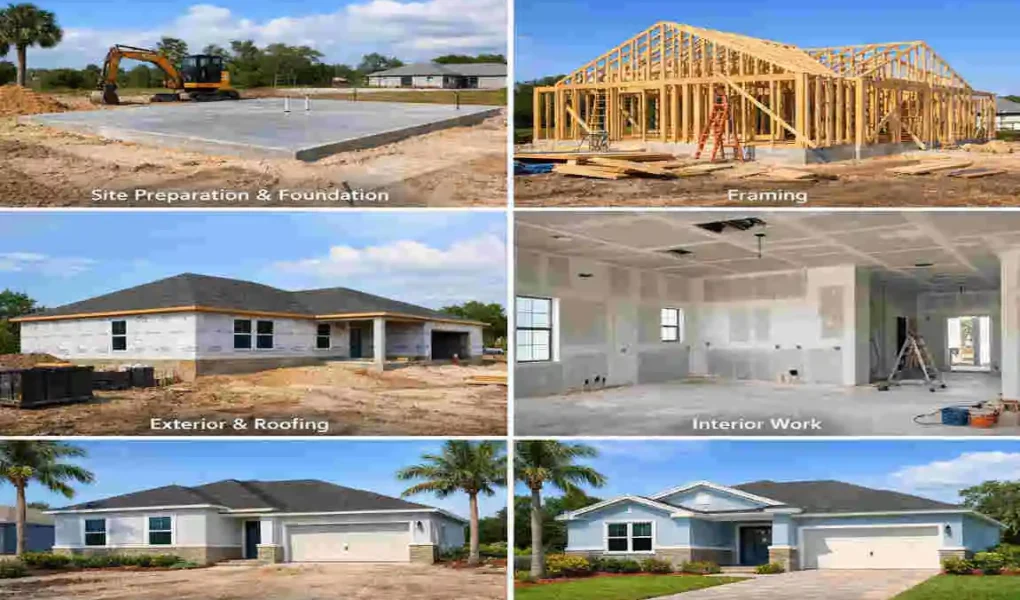
Site preparation 1–3 weeks
Now the land gets ready for construction.
This may include clearing trees, levelling the lot, digging for the foundation, and setting up utilities. If the site is difficult, this part can take longer.
Foundation construction 2–4 weeks
The foundation gives the home its base.
In Florida, slab foundations are common. After the concrete is poured, it needs time to cure. Inspections also take place during this stage to ensure everything is correct.
Framing 4–8 weeks
Framing is when the house starts to look real.
Walls go up, roof lines are formed, and openings for windows and doors are created. This is one of the most exciting phases because the shape of the home becomes visible.
Roofing and exterior work 2–5 weeks
After framing, the outside shell gets protected.
Roofing, exterior walls, waterproofing, and window installation all happen here. In Florida, this step is very important because the home must handle heat, rain, and storm conditions.
Plumbing, electrical, and HVAC 3–6 weeks
This stage is often called the rough-in phase.
Plumbers, electricians, and HVAC crews install the systems hidden inside the walls. These systems must pass inspection before the home can move forward.
Interior finishing 6–12 weeks
This stage usually takes the longest after the shell is complete.
It includes drywall, painting, flooring, cabinets, countertops, fixtures, and trim work. The more custom the home is, the longer this step may take.
Final inspections 1–3 weeks
Before you move in, the home must pass final checks.
Inspectors make sure the building is safe and meets code. Once everything passes, you may receive the Certificate of Occupancy.
Landscaping and move-in 1–3 weeks
The last step is the finishing touch.
This may include the driveway, lawn, plants, cleanup, and final touches around the property. Once this is complete, you can usually move in.
What Can Delay House Construction in Florida?
Weather and hurricanes
Florida weather can be unpredictable. Heavy rain, tropical storms, and hurricanes can slow outdoor work and delay inspections.
Permit delays
If permit offices are busy or your plans need changes, approval can take longer than expected.
Material shortages
When materials are delayed, the whole project can slow down. Cabinets, windows, roofing, and flooring are common problem areas.
Labor shortages
If crews are busy or hard to schedule, the build may move more slowly.
Design changes during construction
Mid-project changes often cause delays. Even one small change can affect several other steps.
Inspection scheduling
If an inspection is missed or delayed, the next phase cannot begin until approval is given.
Florida Construction Timeline by Home Type
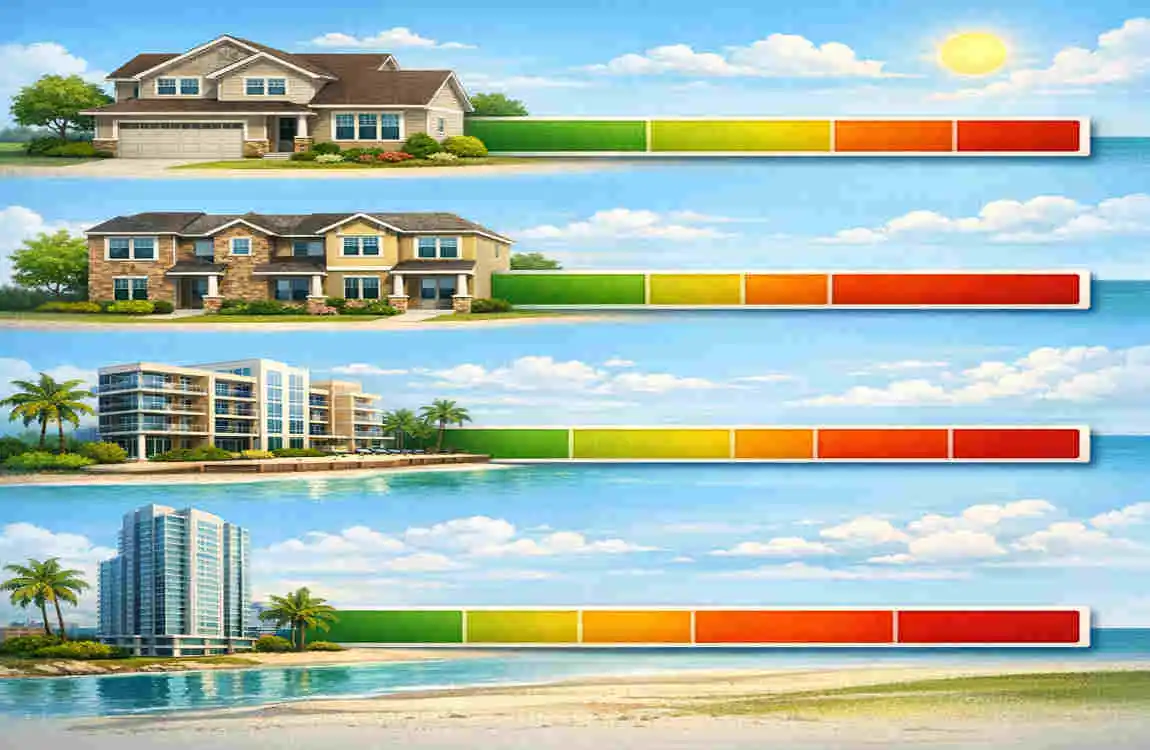
Spec homes
These are usually the fastest to build because the builder already has a plan and often has materials ready.
Semi-custom homes
These take more time because buyers can choose some features, but the structure is still based on a standard plan.
Fully custom homes
Custom homes often take the longest because they need more design work, more approvals, and more coordination.
Luxury waterfront homes
These can take the most time. Special foundations, storm protection, and extra approval steps often extend the schedule.
Average Timeline Table
Construction Phase Estimated Time
Planning 2–6 weeks
Land Purchase 2–8 weeks
Design 1–3 months
Permits 1–3 months
Site Preparation 1–3 weeks
Foundation 2–4 weeks
Framing 4–8 weeks
Roofing 2–5 weeks
Mechanical Systems 3–6 weeks
Interior Finish 6–12 weeks
Final Inspection 1–3 weeks
Landscaping 1–3 weeks
Total Time 7–12 months
Tips to Build a House Faster in Florida
If you want to reduce delays, a few smart choices can help.
- Choose an experienced builder
- Finalise your design early
- Order materials in advance
- Avoid mid-project changes
- Stay involved throughout construction
An organised builder and a clear plan can save a lot of time. You should also stay in close contact so small problems do not turn into bigger delays.
Common Mistakes That Increase Construction Time
Some delays are avoidable. The most common mistakes include:
- Poor planning
- Delayed financing
- Choosing the cheapest contractor
- Ignoring permit requirements
- Frequent design revisions
These mistakes often lead to missed deadlines and more stress. A careful start usually creates a smoother finish.
Is Building a House in Florida Worth It?
Advantages
For many people, yes, it is worth it.
You get a home that fits your needs, your style, and your budget. New homes often offer energy efficiency, modern code standards, and better resale value.
Challenges
Still, building in Florida has some real challenges.
Weather delays, insurance costs, and permit waiting times can all affect the process. That is why realistic expectations matter so much.
Frequently Asked Questions
How long does it take to build a house in Florida?
Most homes take 7–12 months to build, depending on size, permits, weather, and customisation.
What is the longest part of building a house?
Permits, custom design, and interior finishing usually take the most time.
Can a house be built in Florida within six months?
Yes, some production or spec homes can be completed in about six months under ideal conditions.
Does hurricane season affect construction?
Yes. Heavy rain, tropical storms, and hurricanes can delay outdoor construction and inspections.
How long do Florida building permits take?
Permit approval often takes 1–3 months, depending on the county and project complexity.
What is the best time to start building a house in Florida?
Starting during the drier months can help reduce weather-related delays, though timing also depends on contractor availability and local permitting.
Can custom homes take longer than one year?
Yes. Large or luxury custom homes often require 12–18 months or more.
| Construction Stage | Estimated Timeline | What Happens |
|---|---|---|
| Planning & Design | 1–3 months | Create house plans, set budget, and choose a builder. |
| Permits & Approvals | 2–8 weeks | Obtain local building permits and meet Florida code requirements. |
| Site Preparation | 1–2 weeks | Clear the lot, grade the land, and prepare utilities. |
| Foundation | 2–4 weeks | Pour and cure the concrete slab or foundation. |
| Framing | 3–6 weeks | Build walls, floors, and the roof structure. |
| Roofing & Exterior | 2–4 weeks | Install roofing, windows, doors, and exterior finishes. |
| Plumbing, Electrical & HVAC | 3–5 weeks | Install major home systems before insulation. |
| Insulation & Drywall | 2–4 weeks | Add insulation, hang drywall, and finish interior walls. |
| Interior Finishes | 4–8 weeks | Install flooring, cabinets, paint, trim, and fixtures. |
| Final Inspection & Walkthrough | 1–2 weeks | Complete inspections, fix punch-list items, and receive occupancy approval. |
| Total Construction Time | 7–12 months (average) | Most custom homes in Florida are completed within this timeframe, depending on weather, permits, and project complexity. |