If you are planning to build a home, one of the first questions you may ask is: can a general contractor build a house? The short answer is yes—in most cases, a licensed general contractor can manage and build a house from start to finish.
A general contractor helps organise the whole project. They hire workers, schedule tasks, handle permits, and ensure the construction proceeds in the right order. This makes the process easier for you, especially if you do not have construction experience.
What Is a General Contractor?
Definition of a General Contractor
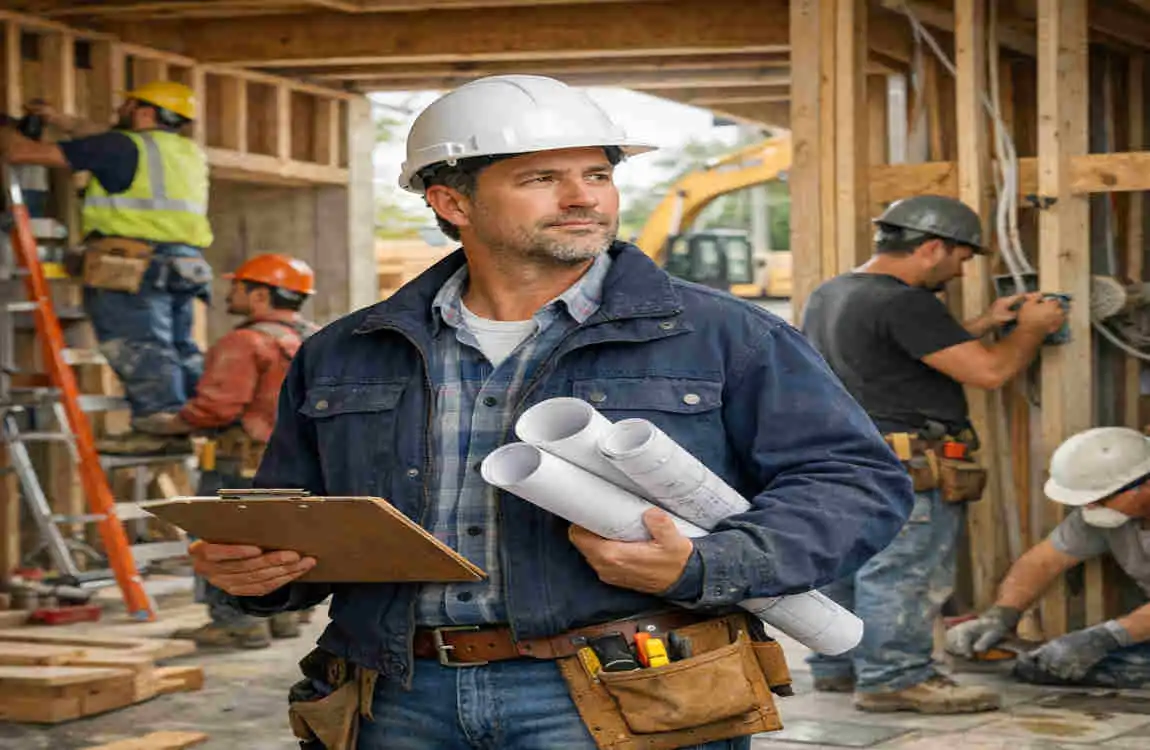
A general contractor is the person or company responsible for managing a construction project. In home building, they oversee the work from the early planning stage to the final inspection.
They do not always do every task themselves. Instead, they coordinate the different workers needed to complete the house.
Key Duties During Home Construction
A general contractor usually handles several important jobs.
- Hiring subcontractors
- Scheduling work
- Ordering materials
- Managing permits
- Checking quality
This role is important because home construction has many moving parts. If one task is delayed, it can affect the whole project. The contractor helps keep everything organised and on track.
Can a General Contractor Build a House?
The Short Answer
Yes, a general contractor can build a house if they are licensed and qualified to do so in your area.
In many cases, they serve as the main builder for new homes, custom homes, and major rebuilds.
When a General Contractor Can Build a House
A general contractor can usually handle:
- New construction
- Custom homes
- Spec homes
- Large rebuilds
They are often the best choice when you want a single person to manage the entire process rather than dealing with multiple workers yourself.
Licensing Requirements
Not every contractor can legally build a house. Most places require the contractor to have the right license, insurance, and sometimes bonding.
This matters because it protects you if something goes wrong. Before hiring anyone, always check that they meet your local rules.
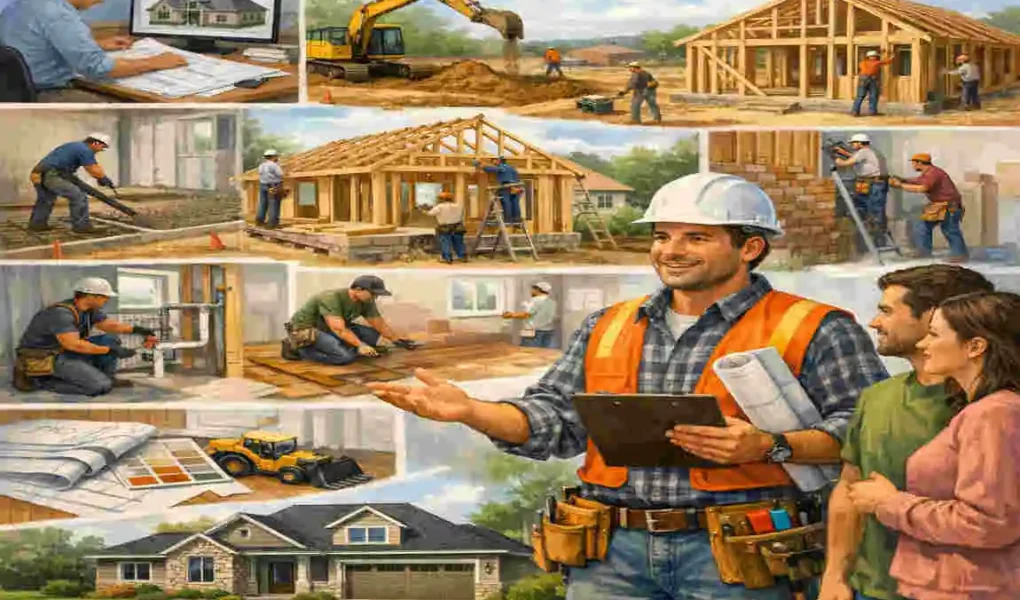
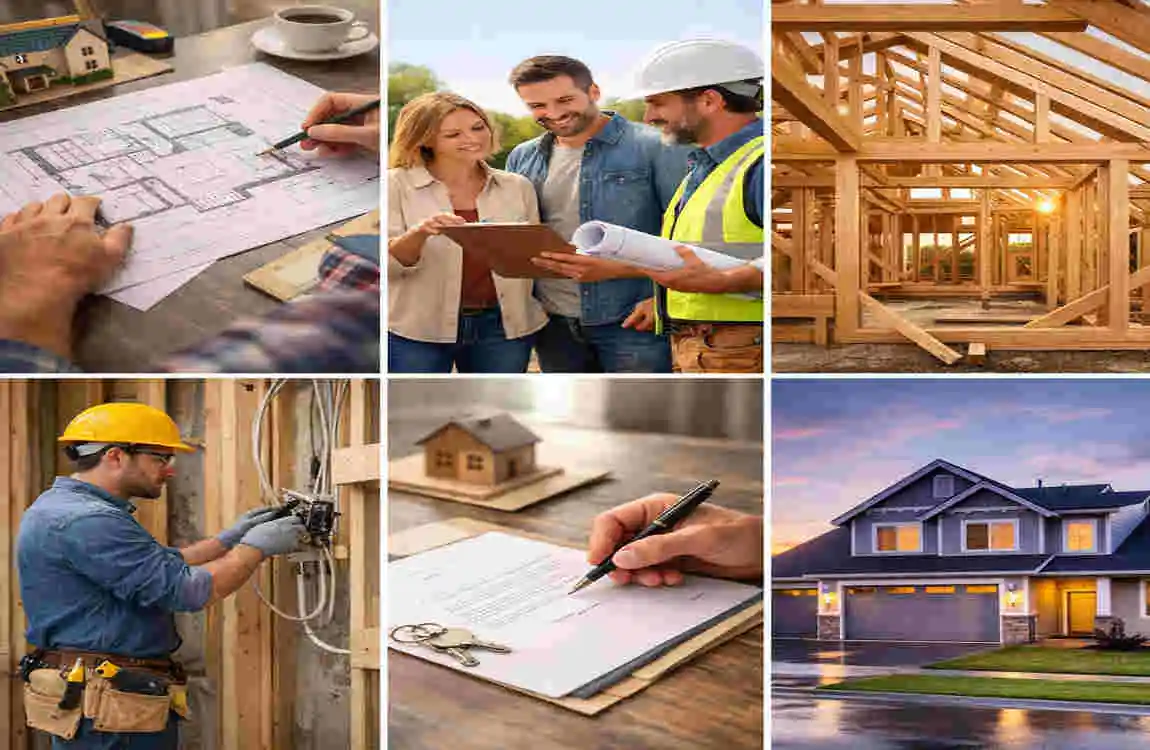
How a General Contractor Builds a House
Planning the Project
The process starts with planning. The contractor reviews the home plans, budget, timeline, and site conditions.
This stage helps set clear expectations before any work begins.
Obtaining Permits
Most house-building projects need permits from local authorities. A general contractor usually handles this step.
Permits ensure the house complies with building codes and safety standards.
Preparing the Site
Before building starts, the land must be prepared. This may include clearing the lot, levelling the ground, and marking where the house will be built.
Foundation Construction
The foundation is one of the most important parts of the home. It supports the entire structure.
A contractor makes sure this work is done carefully, because problems here can affect the whole house later.
Framing
Framing creates the shape of the house. It includes the walls, floors, and roof structure.
At this stage, the home starts looking like a real building.
Roofing
Once the frame is ready, the roof goes on. This protects the house from rain, wind, and sun.
Plumbing
Plumbing lines are installed to provide a water supply and drainage for the house.
Electrical Installation
Electricians wire the home for lights, outlets, appliances, and switches.
HVAC Installation
Heating, ventilation, and cooling systems are added to keep the home comfortable.
Interior Finishing
This includes drywall, paint, flooring, cabinets, trim, and fixtures.
Final Inspection
Before the home is finished, it undergoes inspection to ensure it meets safety and code requirements.
Benefits of Hiring a General Contractor

Saves Time
A general contractor keeps the project moving. They know what needs to happen next and who should do each job.
That can save you a lot of time and stress.
Professional Project Management
Building a home involves many steps. A contractor helps manage those steps in the right order so the project does not become confusing.
Licensed and Insured Work
A qualified contractor usually carries insurance and follows building rules. This gives you more protection.
Better Quality Control
Because they supervise the work, contractors can spot problems early and fix them before they become bigger issues.
Access to Skilled Subcontractors
General contractors often work with trusted electricians, plumbers, roofers, and other specialists.
Reduced Stress
Instead of managing every detail yourself, you can let the contractor handle the day-to-day construction work.
Responsibilities of the Homeowner
Choosing House Plans
You still need to decide what kind of home you want. The contractor can build it, but the design direction usually starts with you.
Setting the Budget
You should know how much you can spend before construction begins. A clear budget helps avoid surprises.
Selecting Finishes
You may need to choose flooring, cabinets, counters, paint colours, and other materials.
Communicating Expectations
Good communication is key. Share your goals, ask questions, and stay involved during the project.
Cost of Hiring a General Contractor
Typical Pricing Methods
General contractors may charge in different ways.
- Percentage of project cost
- Fixed-price contracts
- Cost-plus contracts
A percentage-based fee is common in larger projects. Fixed-price contracts give you a set total. Cost-plus means you pay the actual project cost plus the contractor’s fee.
Factors Affecting Cost
Several things can change the price of your home build.
- House size
- Materials
- Labor
- Location
- Complexity
A larger or more detailed home usually costs more. Local labour rates and material prices also matter.
How to Choose the Right General Contractor
Verify License
Always confirm that the contractor is licensed to work in your area.
Check Insurance
Make sure they have proper insurance. This can protect both you and the workers.
Review Experience
Ask how many homes they have built and what type of projects they handle most often.
Read Customer Reviews
Past customer feedback can tell you a lot about reliability and communication.
Ask for References
A good contractor should be willing to share references from previous clients.
Compare Estimates
Do not choose the first quote you get. Compare a few estimates to understand pricing and value.
Review the Contract Carefully
Before signing, read everything closely. Make sure the scope of work, payment schedule, and timeline are clear.
Common Mistakes to Avoid
- Hiring without checking credentials
- Choosing the cheapest quote
- Ignoring written contracts
- Making frequent design changes
- Skipping inspections
- Poor communication
These mistakes can lead to delays, extra costs, and stress. A careful start usually creates a smoother project.
Tips for a Successful Home Building Project
- Plan your budget carefully
- Build a contingency fund
- Choose quality materials
- Communicate regularly
- Visit the site periodically
- Document project progress
- Stick to the original plan whenever possible
These simple habits can help you stay in control and avoid unnecessary problems.
Frequently Asked Questions
Can a general contractor legally build a house?
Yes. In most areas, licensed general contractors are legally allowed to manage and complete residential home construction.
Do general contractors build custom homes?
Yes, many experienced general contractors build custom homes.
Is hiring a general contractor cheaper than hiring subcontractors yourself?
Often yes, because contractors coordinate labour, negotiate pricing, and help prevent costly mistakes.
How long does it take a general contractor to build a house?
Most homes take about 6–12 months to build, depending on size, weather, permits, and design complexity.
Does a general contractor hire subcontractors?
Yes. They usually hire electricians, plumbers, roofers, HVAC technicians, painters, and other specialists.
Should I hire a general contractor or manage the project myself?
If you do not have strong construction experience, hiring a licensed general contractor is usually the safer and easier choice.
| Topic | Details |
|---|---|
| Definition | Building a house with a general contractor means hiring one professional to manage the entire construction project from start to finish. |
| Main Role | Coordinates subcontractors, orders materials, manages schedules, oversees quality, and ensures the project stays on budget. |
| Best For | Homeowners who want professional project management without handling daily construction tasks. |
| Responsibilities | Hiring trades, obtaining permits, scheduling inspections, supervising construction, and solving on-site issues. |
| Benefits | Saves time, reduces stress, ensures quality workmanship, and keeps the project organized. |
| Potential Drawbacks | Contractor fees increase the total project cost, and choosing an inexperienced contractor can cause delays. |