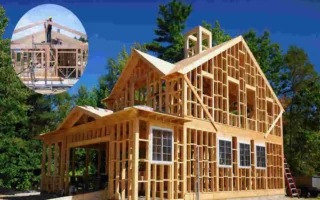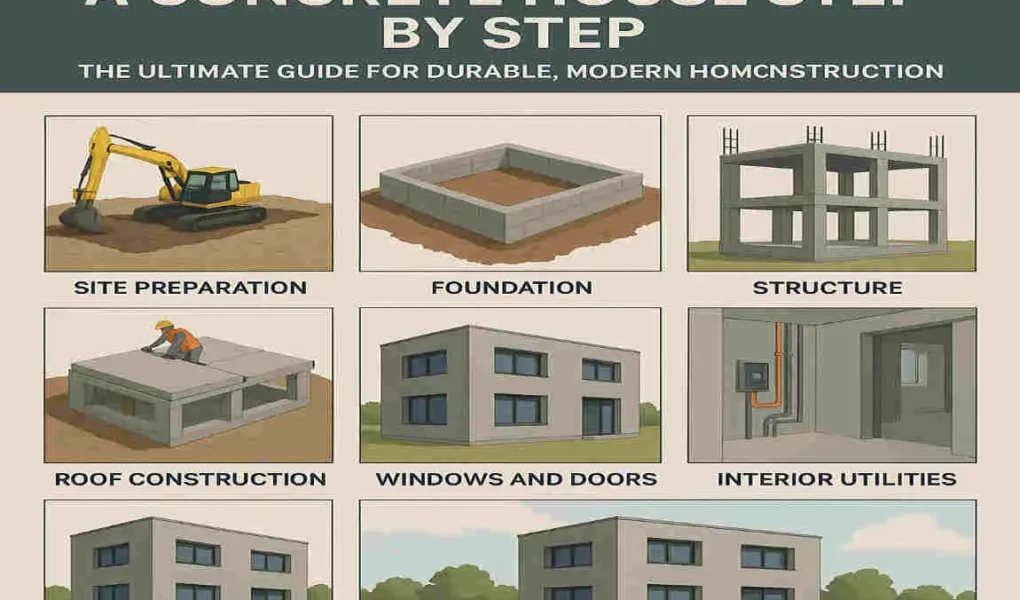
Are you dreaming of a home that combines modern design with unbeatable durability and energy efficiency? If so, a concrete house might be the perfect choice for you.
Building a concrete house offers numerous advantages over traditional wood-frame construction. Concrete homes are known for their longevity, resistance to fire and pests, and excellent energy efficiency. Plus, they allow for sleek, modern designs that can really make your home stand out. But to achieve these benefits, it’s crucial to follow a detailed, step-by-step process.
Understanding Concrete Houses
Before we get into the nitty-gritty of construction, let’s take a moment to understand what concrete houses are all about.
What is a Concrete House?
A concrete house is a home constructed primarily using concrete as the primary building material. There are several types of concrete houses, each with its own unique characteristics:
- Poured Concrete Houses: These homes are built by pouring liquid concrete into molds or forms, creating solid walls and structural elements.
- Concrete Block Houses: These homes use pre-formed concrete blocks, stacked and mortared together to create walls.
- Insulated Concrete Form (ICF) Houses: These homes use hollow, interlocking blocks made of foam or other insulating materials, which are filled with concrete to create energy-efficient walls.
Advantages of Concrete Homes
Concrete houses offer several key advantages over traditional wood-frame construction:
- Durability: Concrete is firm and resistant to damage from weather, fire, and pests.
- Energy Efficiency: Concrete’s thermal mass helps regulate indoor temperatures, reducing heating and cooling costs.
- Low Maintenance: Concrete requires minimal upkeep compared to wood, which can rot or be damaged by insects.
- Design Flexibility: Concrete enables unique, modern designs that are difficult to achieve with other materials.
Suitable Climates for Concrete Houses
While concrete houses can be built in any climate, they are particularly well-suited for:
- Coastal Areas: Concrete’s resistance to moisture and salt air makes it ideal for seaside locations.
- Hot Climates: Concrete’s thermal mass helps keep homes cooler in hot weather.
- Seismic Zones: Properly reinforced concrete structures can withstand earthquakes better than many other building materials.
Planning and Design
The first step in building your concrete house is thorough planning and design. This stage lays the foundation for a successful build, so take your time and get it right.
Creating a Detailed Layout and Architectural plan
Your journey begins with a detailed layout and architectural plan. This is where you’ll work with an architect to bring your vision to life. Consider factors like:
- Room Sizes and Layout: Determine the size and arrangement of each room to suit your family’s needs.
- Window and Door Placement: plan where to place windows and doors for optimal light and ventilation.
- Aesthetic Elements: Decide on the style and features that will make your home uniquely yours.
Importance of Site Analysis and Soil Testing
Before you start building, it’s crucial to analyze your building site and test the soil. This will help you:
- Assess the Land: Determine if the site is suitable for construction and identify any potential challenges.
- Evaluate Soil Stability: Ensure the soil can support the weight of a concrete structure.
- Plan for Drainage: Address any drainage issues that could affect your home’s foundation.
Obtaining Necessary Permits and Approvals
Building a home requires navigating a maze of permits and approvals. Be sure to:
- Research Local Regulations: Understand the building codes and zoning laws in your area.
- Submit Plans for Approval: Work with your architect to submit your plans to the relevant authorities.
- Obtain All Required Permits: Ensure all required permits are in place before starting construction.
Selecting Materials and Deciding on the Concrete Mix Design
Choosing the right materials is key to a successful concrete house build. Consider:
- Concrete Mix: Work with a structural engineer to design a concrete mix that meets your home’s specific needs.
- Reinforcement Materials: Select the appropriate steel bars or mesh for reinforcing your concrete.
- Insulation and Finishes: Choose insulation materials and finishes that complement your concrete walls.
Preparing the Site and Foundation
With your plans in place, it’s time to prepare your building site and lay the foundation for your concrete house.
Clearing and Leveling the Building Site
The first step on the construction site is to clear and level the land. This involves:
- Removing Vegetation: Clear away trees, brush, and other vegetation from the building area.
- Grading the Land: Use heavy equipment to level the site and prepare it for construction.
- Addressing Drainage: Ensure proper drainage to prevent water from pooling around your home’s foundation.
Excavation for Footings and Foundation
Next, you’ll need to excavate the site to prepare for your home’s footings and foundation. This typically involves:
- Digging Trenches: Excavate trenches for the footings that will support your home’s walls.
- Creating a Footprint: Dig out the area where your home’s foundation will sit.
- Ensuring Proper Depth: Dig to the appropriate depth based on your home’s design and local building codes.
Installing Formwork for Footings
With the excavation complete, it’s time to install formwork for your footings. This involves:
- Setting Up Forms: Assemble wooden or metal forms to create the shape of your footings.
- Securing the Forms: Ensure the forms are securely in place and properly leveled.
- Preparing for Concrete: Apply a release agent to the forms to make it easier to remove them after the concrete sets.
Reinforcement Installation (Steel Bars) for Durability
To ensure your home’s foundation is strong and durable, you’ll need to install reinforcement. This typically involves:
- Placing Steel Bars: Position steel reinforcing bars (rebar) within the footing forms.
- Securing the Rebar: Use wire ties or other methods to hold the rebar in place.
- Ensuring Proper Coverage: Make sure the rebar is surrounded by concrete for maximum strength.
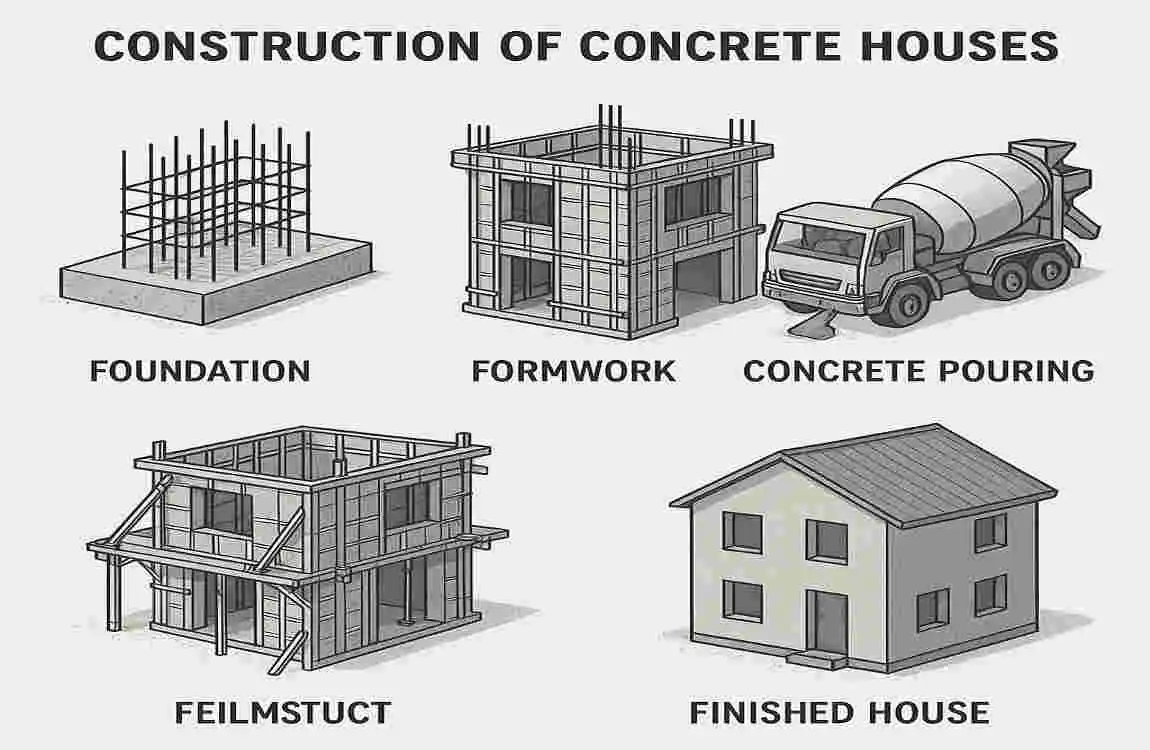
Pouring Concrete for Footings and Curing Time
With the formwork and reinforcement in place, you’re ready to pour the concrete for your footings. This involves:
- Mixing the Concrete: Prepare the concrete mix according to your engineer’s specifications.
- Pouring the Concrete: Carefully pour the concrete into the footing forms, ensuring even distribution.
- Vibrating the Concrete: Use a concrete vibrator to remove air bubbles and ensure a firm, solid footing.
- Allowing for Curing: Let the concrete cure for the recommended time before removing the forms and proceeding with construction.
Building the Concrete Walls
With your foundation in place, it’s time to start building the walls of your concrete house. This is a crucial step that requires careful attention to detail.
Setting Up and Securing Wall Formwork
To build your concrete walls, you’ll first need to set up and secure the wall formwork. This involves:
- Assembling the Forms: Construct the wall forms according to your architectural plans.
- Aligning the Forms: Ensure the forms are correctly aligned and level.
- Securing the Forms: Use braces and other supports to keep the forms in place during the concrete pour.
Installing Vertical and Horizontal Reinforcements (Rebar and Stirrups)
To reinforce your concrete walls, you’ll need to install vertical and horizontal reinforcements. This typically involves:
- Placing Vertical Rebar: Position vertical steel reinforcing bars at regular intervals within the wall forms.
- Adding Horizontal Rebar: install horizontal rebar to connect the vertical bars and provide additional strength.
- Incorporating Stirrups: Use steel stirrups to hold the rebar in place and improve the wall’s structural integrity.
Mixing and Pouring Concrete into Wall Forms
With the formwork and reinforcements in place, it’s time to mix and pour the concrete for your walls. This involves:
- Preparing the Concrete Mix: Mix the concrete per your engineer’s specifications, ensuring the correct consistency and strength.
- Pouring the Concrete: Carefully pour the concrete into the wall forms, working from one end to the other.
- Ensuring Even Distribution: Use a concrete vibrator to remove air bubbles and ensure the concrete fills the forms evenly.
Using Concrete Vibrators to Remove Air Bubbles and Ensure Even Distribution
Concrete vibrators are essential tools for building strong, durable walls. They help:
- Remove Air Bubbles: Vibrating the concrete dislodges air pockets that can weaken the structure.
- Ensure Even Distribution: Vibration helps the concrete flow into all areas of the form, creating a solid, uniform wall.
- Improve Surface Finish: Proper vibration results in a smoother, more attractive surface finish.
Curing the Concrete Walls for Strength and Stability
After pouring the concrete, it’s crucial to let it cure properly. This involves:
- Maintaining Moisture: Keep the concrete moist during the curing process to prevent cracking.
- Controlling Temperature: Ensure the concrete cures at the right temperature for optimal strength development.
- Allowing Sufficient Time: Let the concrete cure for the recommended time before removing the forms and proceeding with construction.
Adding Structural Components
With your walls in place, it’s time to add the structural components that will support your concrete house.
Constructing Columns and Beams with Reinforced Concrete
Columns and beams are essential for supporting your home’s roof and upper floors. To construct them:
- Setting Up Formwork: Assemble formwork for the columns and beams according to your architectural plans.
- Installing Reinforcement: Place steel reinforcing bars within the formwork to strengthen the concrete.
- Pouring Concrete: Carefully pour the concrete into the forms, using a vibrator to ensure even distribution.
- Allowing for Curing: Let the concrete cure for the recommended time before removing the forms.
Installing Lintels Above Windows and Doors
Lintels are horizontal beams that span the openings above windows and doors. To install them:
- Choosing the Right Size: Select lintels that are strong enough to support the weight above the opening.
- Positioning the Lintels: Place the lintels securely above the window and door openings.
- Reinforcing the Lintels: Add steel reinforcement to the lintels for added strength and durability.
Waterproofing and Insulation Techniques for Concrete Walls
To protect your concrete walls from moisture and improve energy efficiency, consider:
- Applying Waterproof Coatings: Use specialized coatings to prevent water from penetrating the concrete.
- Installing Drainage Systems: Incorporate drainage systems to direct water away from your home’s foundation.
- Adding Insulation: Apply insulation to the interior or exterior of your concrete walls to improve energy efficiency.
Roofing and Flooring
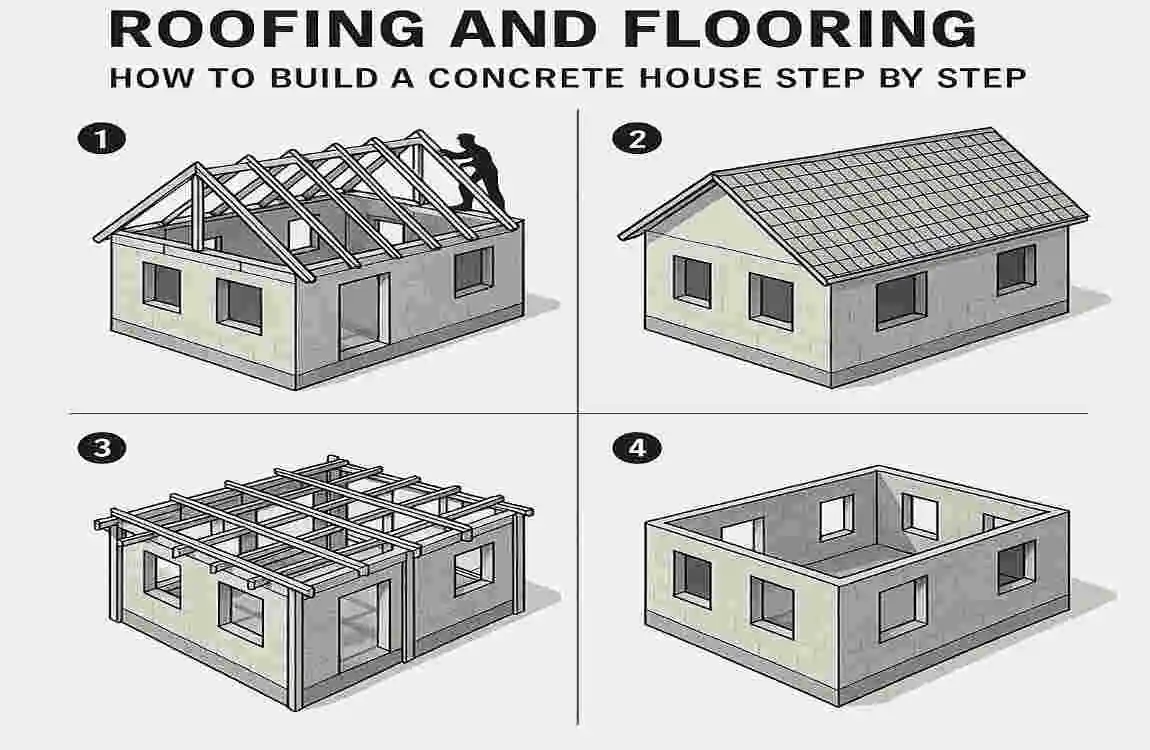
With the structural components in place, it’s time to focus on your concrete house’s roofing and flooring.
Choosing Roofing Type Compatible with Concrete Walls
When selecting a roofing material for your concrete house, consider:
- Compatibility with Concrete: Choose a roofing material that complements the look and feel of your concrete walls.
- Durability and Longevity: Opt for a roofing material that will stand up to the elements and last for many years.
- Energy Efficiency: Consider roofing materials that can help reduce your home’s energy consumption.
Pouring Concrete Slabs for Floors or Installing Floor Systems
For your home’s flooring, you have two main options:
- Pouring Concrete Slabs: Create a solid, durable floor by pouring concrete slabs directly onto your home’s foundation.
- Installing Floor Systems: Use a floor system that sits on top of your foundation, such as wood or engineered flooring.
Installing Plumbing and Electrical Conduits Before Final Flooring
Before you install your final flooring, it’s essential to:
- Plan Your Plumbing and Electrical Layout: Determine the best locations for plumbing and electrical fixtures.
- Install Conduits and Pipes: Run plumbing and electrical conduits through your home’s walls and floors.
- Ensure Accessibility: Ensure conduits and pipes are accessible for future maintenance and repairs.
Interior and Exterior Finishing
With the structural elements complete, it’s time to focus on the finishing touches that will make your concrete house a home.
Applying Plaster or Stucco Finishes on Concrete Walls
To give your concrete walls a smooth, attractive finish:
- Preparing the Surface: Clean and prepare the concrete surface for finishing.
- Applying Plaster or Stucco: Use plaster or stucco to create a smooth, durable finish on your concrete walls.
- Adding Texture and Color: Incorporate texture and color to enhance your walls’ appearance.
Painting and Aesthetic Finishes Suitable for Concrete Surfaces
To enhance the look of your concrete surfaces:
- Selecting the Right Paint: Choose a paint that is suitable for concrete and will withstand the elements.
- Applying the Paint: Carefully apply the paint to your concrete surfaces, using the appropriate tools and techniques.
- Adding Decorative Finishes: Consider applying stains or sealers to enhance your concrete’s appearance.
Installing Windows, Doors, and Fixtures
To complete your concrete house:
- Choosing Windows and Doors: Select windows and doors that complement your home’s design and provide the desired level of energy efficiency.
- Installing the Windows and Doors: Carefully install the windows and doors, ensuring a proper fit and seal.
- Adding Fixtures and Finishes: install lighting, plumbing fixtures, and cabinetry to complete your home’s interior.
Energy-Efficient Options Such as Insulated Concrete Panels
To make your concrete house even more energy-efficient:
- Using Insulated Concrete Panels: Consider using insulated concrete panels (ICPs) for your walls, which can significantly improve energy efficiency.
- Incorporating Energy-Efficient Windows and Doors: Choose windows and doors with high energy efficiency ratings to reduce heat loss and gain.
- Adding Insulation: Ensure your home is adequately insulated to minimize energy consumption and maintain a comfortable indoor environment.
Maintenance Tips for Concrete Houses
To keep your concrete house in top condition, follow these maintenance tips:
- Regular Inspections: Conduct regular inspections to identify any cracks or damage to your concrete surfaces.
- Cleaning and Sealing: Clean your concrete surfaces regularly and apply sealers as needed to protect them from the elements.
- Addressing Moisture Issues: Address any moisture issues promptly to prevent damage to your concrete structure.
- Maintaining the Roof and Gutters: Keep your roof and gutters in good repair to prevent water from damaging your home’s foundation.