When a house sits empty during winter, its plumbing can become vulnerable to freezing temperatures, burst pipes, and hidden water damage. A problem that might be noticed quickly in an occupied home can continue for days in a vacant property.
| Key Area | Why It Matters | What to Do |
|---|---|---|
| Frozen Pipes | Freezing water can expand and crack pipes. | Drain the plumbing system before freezing temperatures. |
| Burst Pipes | Cracked pipes can release large amounts of water when they thaw. | Shut off the main water supply and drain vulnerable pipes. |
| Water Damage | Undetected leaks can damage walls, ceilings, floors, and insulation. | Inspect the property before and during winter. |
| Mold Growth | Moisture from leaks can encourage mold and mildew. | Prevent leaks and remove standing water. |
| Water Heater | Freezing conditions can damage the tank and connected plumbing. | Follow the manufacturer’s winterization instructions. |
| Outdoor Faucets | Water left in exterior pipes can freeze and cause damage. | Disconnect hoses and drain outdoor faucets. |
| Appliances | Washing machines, dishwashers, and other appliances can retain water. | Drain and protect water connections as appropriate. |
| Plumbing Traps | Water can remain inside sink and floor-drain traps. | Protect traps using a plumbing-safe winterization method. |
Learning how to winterize plumbing in a vacant house is therefore an important part of seasonal home maintenance. The basic goal is simple: remove as much water as possible from the plumbing system and protect areas where water may remain.
Why Winterizing Plumbing Matters in a Vacant House
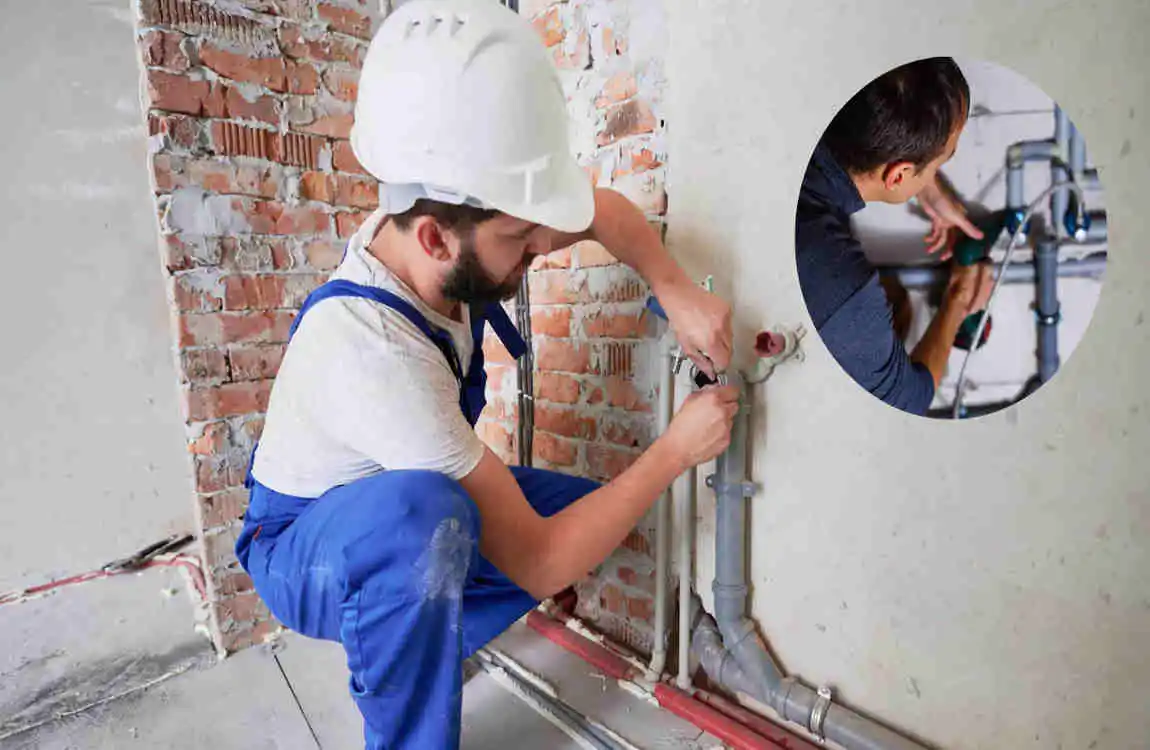
Water expands when it freezes. If water is trapped inside a pipe, this expansion can create significant pressure. Eventually, the pipe may crack or burst, particularly at vulnerable connections or exposed sections.
A vacant house has an additional problem: nobody may be there to notice the warning signs. In an occupied home, a leaking pipe might be discovered within minutes or hours. In an empty property, water could continue leaking until someone visits.
Winterization helps reduce these risks before freezing weather arrives.
It’s especially important for houses that will remain empty for an extended period, seasonal properties, rental homes between occupants, and houses undergoing renovation.
How to Winterize Plumbing in a Vacant House
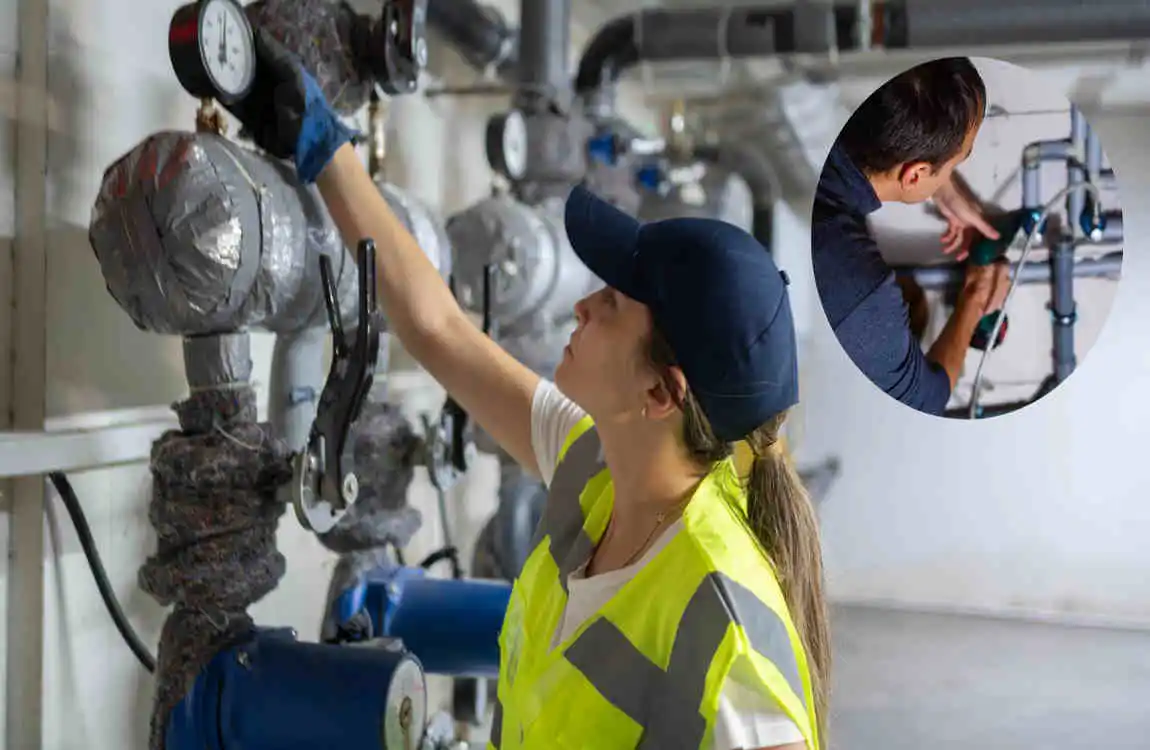
The exact process depends on the plumbing system and local conditions. Still, the general approach is to shut off the water, drain the plumbing, and protect areas where water remains.
Before you start, locate the main water shutoff and understand how the home’s plumbing is arranged. If the property has complicated plumbing, radiant heating, a well system, or other specialized equipment, professional help may be appropriate.
Shut Off the Main Water Supply
The first major step is usually to turn off the main water supply.
This limits how much fresh water can enter the plumbing if a pipe develops a leak. It can also make the draining process easier.
After shutting off the supply, open faucets throughout the house. Start with higher fixtures and work through the system to help water drain from the pipes.
Do not assume that turning off the main valve completely winterizes the property. Water can remain in pipes, fixtures, appliances, and plumbing traps, so you’ll need to drain it further.
Drain Pipes and Fixtures
After shutting off the water supply, drain as much water as possible from the plumbing system.
Open faucets and let water run out—flush toilets to remove water from their tanks and bowls, as appropriate for your winterization plan. Also check sinks, showers, tubs, and other fixtures.
Pay attention to places where water can remain hidden, including:
- Toilet tanks and supply lines
- Sink and shower traps
- Washing-machine hoses
- Dishwashers
- Outdoor faucets
- Exposed sections of plumbing
Some systems may require compressed air or specialized equipment to remove remaining water. This is one reason a professional winterization service can be useful when the plumbing system is extensive or unfamiliar.
Protect Remaining Water
Removing every drop of water from some plumbing components is difficult. Plumbing traps, for example, are designed to hold water.
Where appropriate, use a product specifically intended for plumbing to protect these areas from freezing. Always follow the product instructions and make sure the product is suitable for the fixture and plumbing system.
Do not use ordinary automotive antifreeze in household plumbing.
The goal isn’t simply to add a chemical to the system. Proper winterization focuses on removing standing water first, then protecting vulnerable components.
How Frozen Pipes Can Damage a Vacant Home
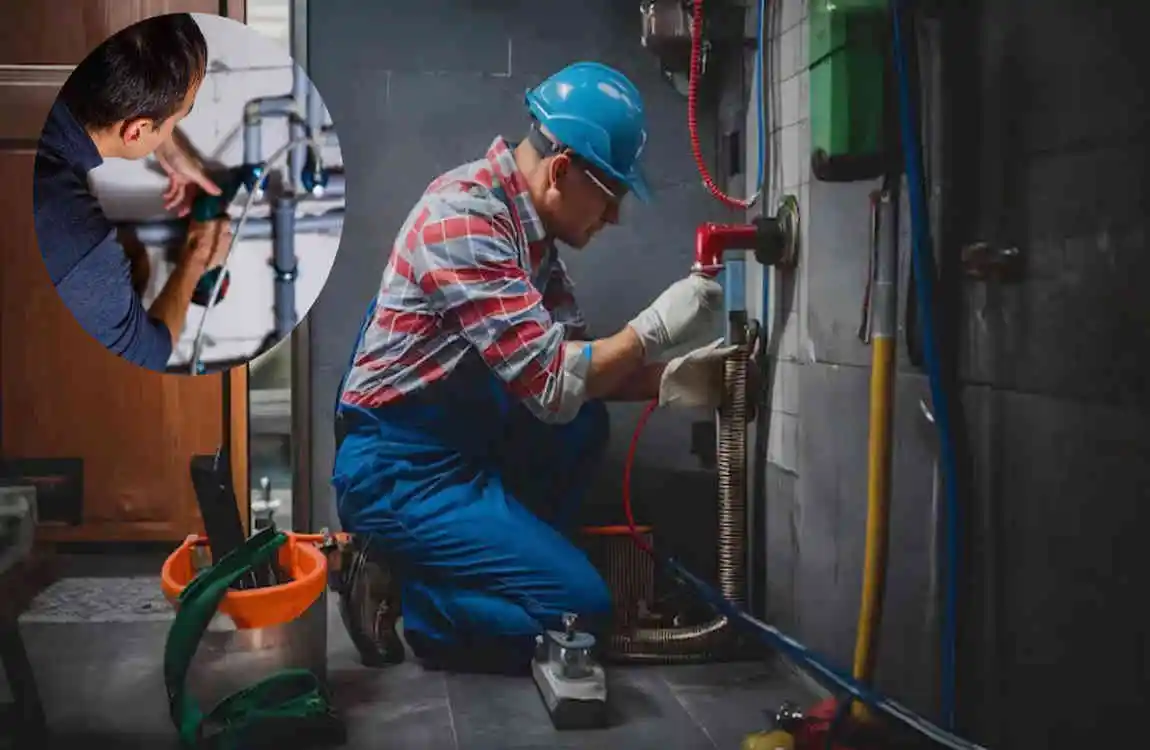
Frozen plumbing can create problems far beyond the pipe itself.
A pipe may crack while frozen and then begin leaking when temperatures rise and the ice melts. This can release a large amount of water into walls, ceilings, floors, cabinets, or other areas of the property.
Common consequences include water-damaged flooring, damaged drywall, ruined cabinets, mold growth, and expensive plumbing repairs.
The longer the property remains unattended, the more likely a small plumbing failure is to become a major problem.
For example, a burst supply line could keep releasing water if the main supply remains on. In a vacant house, nobody may discover the leak until a scheduled visit or inspection.
Other Areas to Check Before Leaving the House
Winter preparation should cover more than the household pipes.
Water Heaters
The water heater needs special attention because its winterization requirements depend on its design and the overall plumbing plan.
Some properties may require draining the tank, while others may use a different approach. Follow the manufacturer’s instructions and consider professional assistance if you are unsure.
Washing Machines
Washing-machine hoses and internal components can retain water. Disconnect and drain them as appropriate to reduce freezing risks.
Outdoor Faucets
Outdoor plumbing is particularly exposed to cold weather. Disconnect garden hoses and make sure exterior faucets are properly drained.
If the home has frost-free or other specialized outdoor faucets, follow the manufacturer’s instructions rather than assuming every faucet operates the same way.
Irrigation Systems
Underground irrigation systems may still contain water even after you turn off the household supply. Many systems require a dedicated blowout or drainage procedure.
Sump Pumps
Don’t ignore a sump pump just because the home is vacant. Check that it is functioning properly and understand how it fits into the property’s winter protection plan.
Exposed Plumbing
Look around garages, crawl spaces, basements, utility rooms, and exterior walls for pipes that may be exposed to cold temperatures.
Insulation can help protect vulnerable pipes, but insulation alone does not guarantee they won’t freeze.
How to Check a Winterized Vacant Home
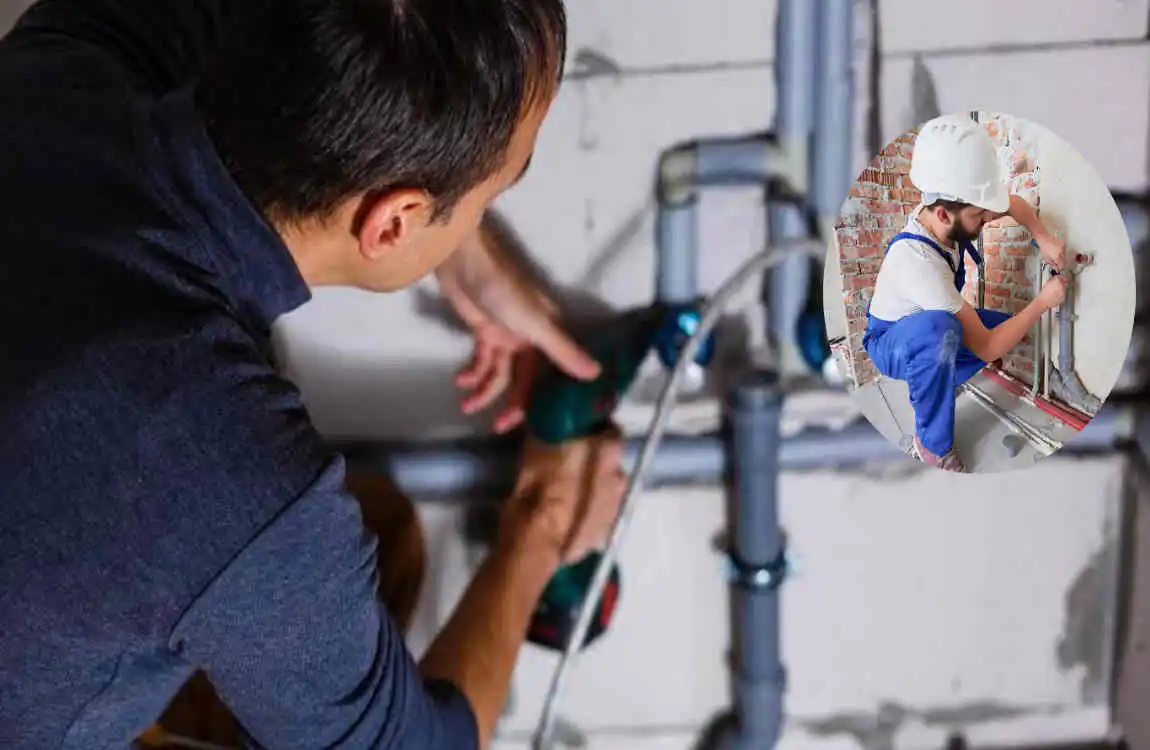
Even after proper preparation, monitor a vacant property when practical.
During winter visits, look for unexpected moisture, puddles, damaged insulation, frost, unusual odors, and signs of leaks. Check vulnerable plumbing areas carefully.
If the property relies on heating to protect portions of the plumbing, make sure the heating system is operating as intended.
For a home that will remain vacant for several weeks or months, arranging periodic inspections can provide an additional layer of protection. A property manager, trusted person, or professional inspector may identify problems before they become extensive.
A simple inspection can include:
- Checking the indoor temperature where relevant
- Looking for visible leaks or moisture
- Inspecting exposed pipes
- Checking the heating system
- Looking for signs of freezing or water damage
Benefits of Proper Plumbing Winterization
Proper winterization can provide several practical benefits for a vacant property.
Benefit | Why It Matters
Reduces freezing risk Less standing water means fewer opportunities for freezing-related pipe damage.
Limits water damage Turning off the supply can reduce the amount of water available during a plumbing failure.
Protects fixtures Draining vulnerable fixtures helps protect plumbing components during cold weather.
Can reduce repair costs Preventing a burst pipe is generally easier than repairing extensive water damage.
Provides peace of mind A properly prepared vacant home is easier to monitor during winter.
Frequently Asked Questions
How do you winterize plumbing in a vacant house?
Start by shutting off the main water supply and then drain the plumbing system as thoroughly as possible. Open faucets, flush appropriate fixtures, drain appliances and outdoor plumbing, and protect remaining water in plumbing traps with a suitable plumbing product when necessary.
Should you shut off the water to a vacant house in winter?
Shutting off the main water supply can reduce the amount of water available if a pipe leaks or fails. However, simply turning off the water does not remove water already inside the plumbing. You may still need to drain the system.
What happens if you don’t winterize a vacant house?
Water left inside pipes can freeze and potentially cause pipes or connections to crack. When the water thaws, leaks can develop and cause floor, wall, ceiling, cabinet, and other property damage.
Do you need to drain a water heater when winterizing a vacant house?
It depends on the water-heater type, plumbing system, length of vacancy, and winterization plan. Follow the manufacturer’s instructions, and consider professional advice if you are unsure about draining or shutting down the unit.
Can pipes freeze even when the water is turned off?
Yes. Turning off the water supply does not automatically remove water already inside the plumbing. Remaining water can still freeze, which is why draining vulnerable pipes and fixtures is an important part of winterization.