If you have ever had a pipe leak under a sink or needed a fast fix during a remodel, you may have heard of SharkBite fittings. These are push-to-connect plumbing fittings that let you join pipes without soldering, glue, or special tools. That alone makes them popular with homeowners and even some plumbers.
They are used in modern plumbing because they save time, reduce mess, and work with common pipe materials such as copper, PEX, and CPVC. For many people, that sounds like a simple win. But plumbing is not always that easy.
| Topic | Quick answer | Notes / When to use |
|---|---|---|
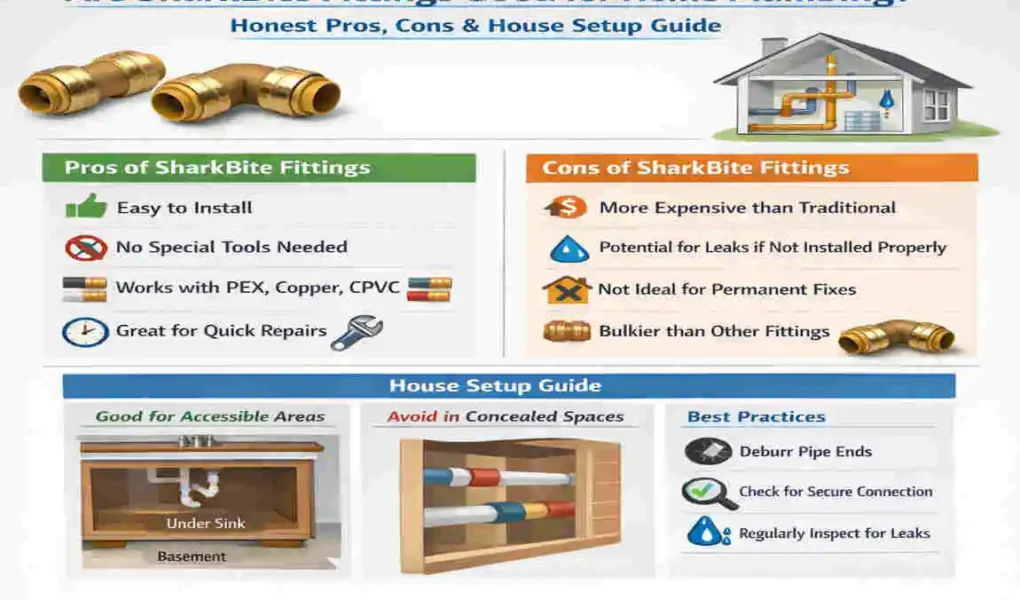
| Pros | Fast, tool-free connections; works on copper, PEX, CPVC; can be installed wet | Ideal for emergency repairs, DIY, and transitional connections |
| Cons | More expensive than soldered fittings; potential O‑ring degradation over long term; may be less favored by some plumbers/inspections | Use cautiously in high-vibration or concealed long-term critical runs; work may be harder to remove later |
| Reliability | Generally reliable if installed correctly, but not always considered permanent by pros | Manufacturer certifies concealed use, but failures can occur from incomplete insertion or stress points |
| Cost | Higher unit price, saves labor/time | Good value for quick fixes; less so for whole-house installs vs. traditional methods |
| Code / inspections | Accepted in many jurisdictions when installed per instructions, but local code varies | Check local plumbing code and inspector preference before widespread use |
Many homeowners ask: are shark bites good for plumbing? That is the real question. Are they truly reliable, or are they just a quick fix that causes problems later? Do they leak? Can they stay in place long term? Does code approve them? These are smart questions, and they matter when water is involved.
What Are SharkBite Fittings?
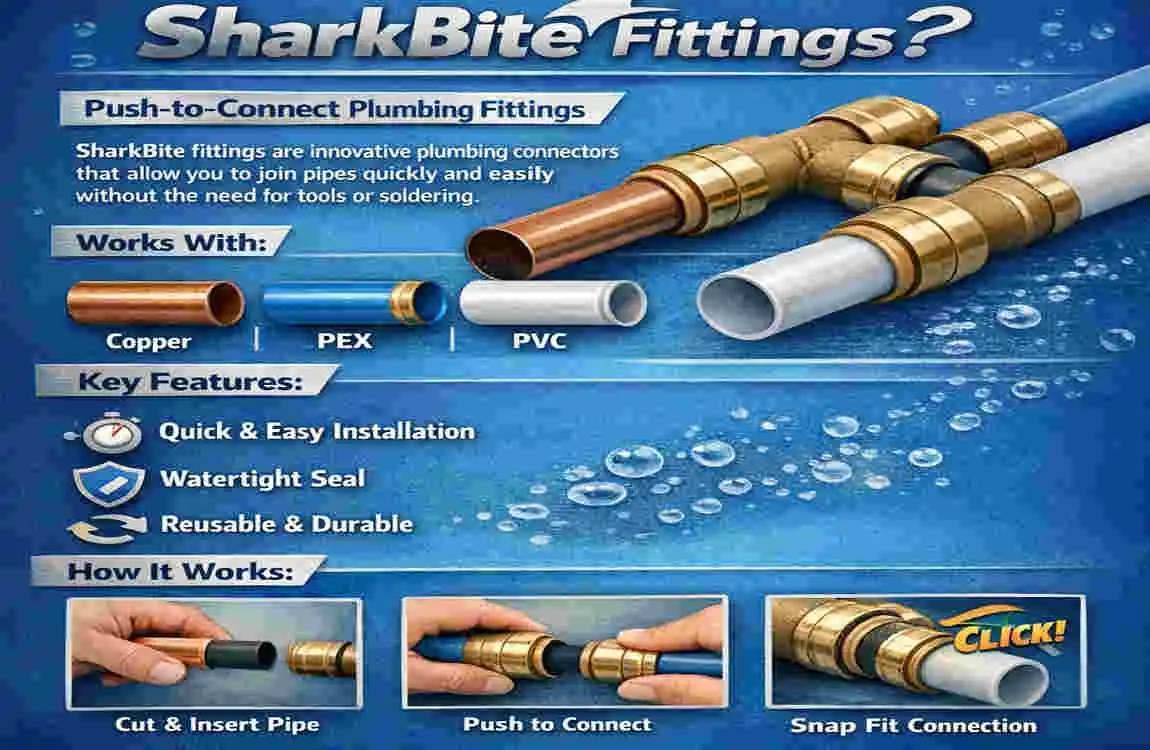
SharkBite fittings are push-to-connect plumbing fittings. That means you push the pipe into the fitting, and the fitting grips and seals it automatically. There is no need to solder copper, use primer and glue on PVC-style systems, or tighten a compression nut by hand.
Inside the fitting, small metal teeth grab the pipe while an O-ring creates a watertight seal. Once the pipe is fully inserted, the fitting holds it in place. This design makes installation fast and very convenient.
SharkBite plumbing fittings are made to work with several common pipe materials. The most common ones are:
- Copper
- PEX
- CPVC
That flexibility is one reason these SharkBite connectors have become so popular. They make it easier to connect different pipe types during repairs or upgrades.
Main Components of a SharkBite Fitting
A SharkBite fitting looks simple on the outside, but it has a few important parts inside.
Stainless steel teeth
These teeth grip the pipe firmly so it does not slide back out.
O-ring seal
This is the part that creates the water-tight seal around the pipe.
Release collar
This ring lets you remove the pipe if you need to disconnect it later.
Together, these parts make the fitting strong, practical, and easy to use.
Types of SharkBite Connectors
There are several types of SharkBite fittings, each used for a different job.
- Couplings connect two straight pieces of pipe
- Elbows change the direction of the pipe
- Tees split one line into two
- Valves help control water flow
- Caps close off the end of a pipe
These options make push-to-connect fittings useful for many home plumbing jobs, from small repairs to remodelling.
Are SharkBite Fittings Good for Plumbing?
Yes, SharkBite fittings are good for many residential plumbing situations when installed correctly. That is the short answer.
They shine in places where speed matters. If a pipe bursts and you need a quick repair, SharkBite can save the day. If you are working in a tight space and cannot easily fit a torch or crimp tool, they are also a strong option. If you are remodelling and need to connect pipes of different materials, they can make the job much easier.
But they are not perfect for every situation. They cost more than standard fittings and require proper pipe prep. If the pipe is dirty, rough, poorly cut, or not fully inserted, the risk of leaks increases. While they are practical, they still require careful installation.
Why Homeowners Like SharkBite Fittings
Homeowners often like SharkBite fittings for a few simple reasons.
No soldering required
You do not need an open flame or plumbing torch.
Fast installation
You can make a connection in seconds instead of spending time heating and joining pipe.
Beginner-friendly
The process is much easier for DIY users than traditional copper repair.
Reusable in some cases
You can remove and reuse certain fittings if they are still in good condition.
This is why many people see them as a smart choice for quick home repairs.
When Professional Plumbers Use Them
Even though some plumbers prefer traditional methods, many still use SharkBite fittings in the field.
They are often used for:
- Quick repairs
- Service calls
- Pipe transitions
A plumber may use one when speed matters, when access is tight, or when the job calls for a temporary or practical solution. So they are not just a DIY product. They are a real tool in the plumbing world.
Pros of SharkBite Fittings
SharkBite fittings come with several clear advantages, especially for homeowners and DIY users.
Easy Installation
This is the biggest benefit. You do not need glue, solder, primer, or many special tools. You only need to cut the pipe cleanly and push it into place.
That makes these fittings especially useful if you are not an experienced plumber. The installation process feels simple and manageable.
Great for DIY Homeowners
If you are trying to save on labour costs, SharkBite can help. A repair that might take longer with traditional methods can often be done quickly with a push fitting.
That speed matters during a leak or bathroom update. It also means fewer chances to make a messy mistake with heat or adhesive.
Works with Multiple Pipe Types
Another major advantage is compatibility. You can use SharkBite fittings for:
- Copper to PEX transitions
- CPVC compatibility
- Mixed-material repairs
That makes them useful during remodels where older and newer pipe types meet.
Ideal for Emergency Repairs
When a pipe starts leaking, time matters. SharkBite fittings are often used for quick leak fixes because they can stop water damage fast.
This makes them valuable in an emergency. Instead of waiting for a full pipe replacement, you can get the water flowing safely again with minimal downtime.
Reusable and Removable
Some SharkBite fittings can be removed with a disconnect clip or tool. That makes them helpful if you need to change the layout later or fix a mistake during installation.
A few practical examples include:
- Under-sink repair
- Water heater replacement
- Bathroom remodeling
In all of these cases, the speed and ease of the fitting can make your life easier.
Cons of SharkBite Fittings
Even with all those benefits, there are real downsides too. A good sharkbite plumbing review should be honest about both sides.
More Expensive Than Traditional Fittings
One common complaint is cost. SharkBite fittings usually cost more than soldered copper fittings or standard PEX parts.
If you are doing a large project with many joints, the price difference can add up quickly. So while they save time, they may not save the most money.
Potential Leak Risks if Installed Incorrectly
SharkBite leak issues usually happen when the fitting is not installed properly. Some common mistakes include:
- Cut pipes with rough edges
- Dirty or scratched pipe ends
- Pipe not pushed in fully
These problems are easy to avoid, but they matter a lot. A fitting is only as good as the prep work behind it.
O-Ring Wear Over Time
The O-ring is a key part of the seal, but it can wear out over time. Heat, mineral buildup, and long-term stress may affect performance.
This does not mean the fitting is bad. It just means it should be installed carefully and inspected when needed.
Some Plumbers Distrust Push Fittings
There is also a debate over traditional versus modern plumbing. Some plumbers prefer soldered copper or crimped PEX because they trust those systems more for long-term work.
That does not automatically mean SharkBite is bad. It just means some pros still view push fittings as better for repairs than for every permanent job.
Limited Use in Certain Concealed Areas
In some places, local building code rules may limit where you can use these fittings. That is why it is important to check local plumbing regulations before hiding them inside walls or ceilings.
Not every hidden installation is a problem, but code and accessibility rules matter.
How Long Do SharkBite Fittings Last?

A common question is, how long do SharkBite fittings last? In many cases, they can last for years when installed correctly and used in the right conditions.
Manufacturers often claim their products are built for long-term use. They are designed to handle normal home water pressure, regular temperature ranges, and everyday indoor plumbing conditions.
Real-world durability depends on several things. A well-installed fitting in a clean, supported indoor line may last a long time. A fitting under stress, in poor water conditions, or in a shaky pipe run may not perform as well.
Factors That Affect Lifespan
Several factors can affect SharkBite fitting lifespan:
- Water quality
- Pipe movement
- Installation quality
- Outdoor exposure
If the water has lots of minerals, buildup can affect the seal area over time. If the pipe shakes or flexes too much, the fitting may wear faster. If the installation was sloppy, problems may show up sooner.
So yes, do SharkBite fittings fail? Sometimes they can, but most failures are linked to poor installation, poor pipe condition, or use in the wrong environment.
Are SharkBite Fittings Safe Behind Walls?
This is one of the biggest concerns for homeowners. The answer is: they can be safe behind walls in many cases, but only when code and installation rules are followed.
In many areas, these fittings are allowed by plumbing codes such as the UPC and IPC, but local rules can still differ. That is why checking your local code is important before closing up drywall.
What Plumbing Codes Say
Many plumbing codes permit push-to-connect fittings in approved applications. That said, they may require the fittings to remain accessible in some situations. The exact rule depends on your local authority and how the line is being used.
This is why you should not assume every hidden installation is fine. A quick code check can save you from tearing open a wall later.
When They Should NOT Be Used
There are some situations where SharkBite is not the best choice:
- Areas with excessive stress
- Pipe runs with poor support
- Places where the fitting may be repeatedly moved or bent
If the pipe is pushing, pulling, or vibrating too much, any fitting can struggle to perform. Good support matters.
Best Practices for In-Wall Installations
If you plan to use one behind a wall, do it the right way:
- Pressure test the line before closing the wall
- Make sure the pipe is inserted fully
- Use protective sleeves if needed
- Support the pipe properly
A professional inspection is a smart idea if you are unsure. This is one area where a licensed plumber can help you avoid costly mistakes.
SharkBite vs Traditional Plumbing Connections
When people compare SharkBite vs soldered copper, SharkBite vs PEX crimp fittings, or even SharkBite vs compression fittings, they are usually asking one thing: which method is best for the job?
The answer depends on speed, skill level, budget, and the type of plumbing work you are doing.
SharkBite vs Soldered Copper
Soldered copper is the old-school standard for many plumbing jobs. It is strong, trusted, and often cheaper for parts.
But it needs heat, tools, and skill. That makes it harder for beginners. SharkBite is much faster and easier, but it costs more and may not be the first choice for every long-term concealed line.
SharkBite vs PEX Crimp Fittings
PEX crimp fittings are common in modern plumbing. They are usually more affordable than SharkBite, especially for larger jobs.
However, they need crimp tools and a little more setup. SharkBite is faster and simpler, but PEX crimp can be better for full-system installations where cost matters more.
SharkBite vs Compression Fittings
Compression fittings are also useful, especially for repairs. They can be reliable, but they usually need more hand-tightening and careful assembly.
SharkBite is often easier to install and remove, which is why many homeowners prefer it for quick repairs.
Comparison Table
FeatureSharkBiteCopper SolderPEX Crimp
Installation Speed Fast Slow Moderate
DIY Friendly Excellent Difficult Moderate
Tool Requirement Minimal High Medium
Cost Higher Lower Lower
This table makes one thing clear: SharkBite wins on convenience, while traditional methods often win on cost.
Common Mistakes When Installing SharkBite Fittings
Many sharkbite leak issues occur due to simple installation mistakes. The fitting itself may be fine, but the setup is not.
Not Deburring the Pipe
A rough pipe edge can damage the O-ring or prevent a proper seal. Always smooth the pipe end after cutting it.
Incorrect Pipe Depth
If the pipe is not inserted to the correct depth, the teeth and seal cannot perform their intended functions. Use the depth marks or a gauge tool.
Using Damaged Pipe Ends
Bent, scratched, or crushed pipe ends can cause trouble. Always cut back to clean, healthy pipe.
Installing on Dirty Pipes
Dirt, grit, and corrosion can stop the seal from forming correctly. Clean the pipe before connecting it.
Excessive Pipe Movement
If the pipe moves too much after installation, the fitting can be stressed. Secure the line to keep it stable.
A few helpful tips:
- Use depth gauge tools
- Always pressure test after installation
These simple steps can prevent many problems.
Best Places to Use SharkBite Fittings in a House
Some parts of a home are better suited to SharkBite than others. If you are wondering about the best uses for SharkBite fittings, think repair, access, and speed.
Under Sinks
This is one of the most common spots. Space is tight, access is awkward, and a quick repair is often needed.
Water Heater Connections
They can be useful during water heater replacement or nearby pipe adjustments, especially when time is tight.
Basement Plumbing Repairs
Basements often have exposed plumbing, which makes repairs easier and more accessible.
Bathroom Renovations
If you are updating a bathroom, SharkBite can help with pipe transitions and small reroutes.
Emergency Pipe Repairs
This is where they really shine. If a line bursts or starts dripping badly, a quick repair can minimise damage.
Areas to Avoid
Try to avoid using them in places with:
- Constant direct sunlight
- Unsupported pipe runs
These conditions can create stress and shorten the life of the fitting.
Are SharkBite Fittings Worth the Money?
So, are SharkBite fittings worth it? For many homeowners, yes. You are paying for speed, ease, and convenience.
If you are a DIY user, the savings on labor can make the higher part cost feel reasonable. If the job is urgent, the time saved can be even more valuable.
But if you are doing a large project and have the tools and skills for soldering or PEX crimping, traditional fittings may make more financial sense.
That is why the answer to the question “should I use sharkbite fittings” depends on your project. For quick fixes and remodel work, they are often a smart buy. For full plumbing systems, another method may be better.
Expert Tips for Using SharkBite Fittings Correctly
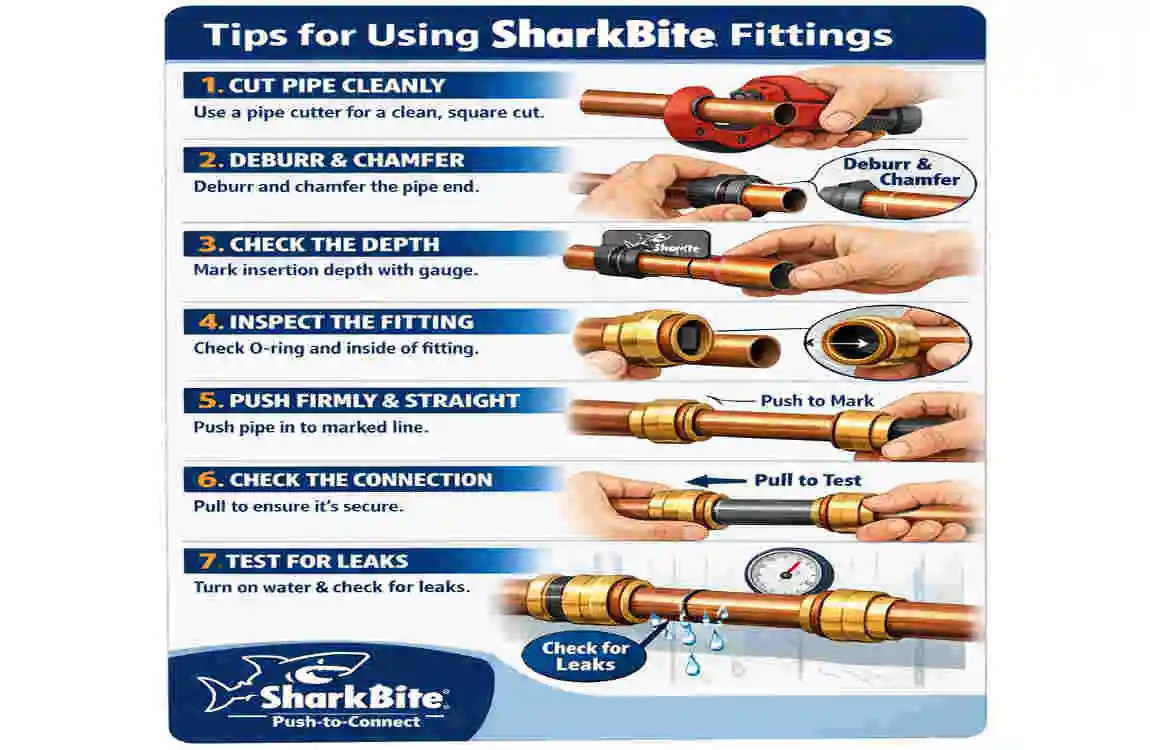
For the best results, follow a few simple habits.
- Measure insertion depth carefully
- Use pipe liners with PEX
- Avoid twisting during insertion
- Secure pipes properly
- Test water pressure after installation
Also, call a licensed plumber if the repair affects major lines, hidden areas, or anything you do not feel confident handling. A small mistake with water can become a big repair fast.
Frequently Asked Questions
Do SharkBite fittings leak over time?
They can leak if they are installed poorly, used on damaged pipe, or placed under stress. When installed correctly, many last a long time.
Can SharkBite fittings be permanent?
Yes, they can be used long term in many residential jobs. Still, they should be installed correctly and used in approved locations.
Are SharkBite fittings code approved?
In many areas, yes. But approval can depend on the local code, the application, and whether the fitting must remain accessible.
Can you use SharkBite underground?
Usually, this is not the best choice unless the specific product and local code allow it. Always check the rules first.
Do professional plumbers trust SharkBite?
Many do for certain repairs, emergencies, and transitions. Others still prefer soldered or crimped systems for long-term work.
Are SharkBite fittings better than soldering?
Not always. SharkBite is easier and faster, while soldering is often cheaper and may be preferred for some permanent copper work.