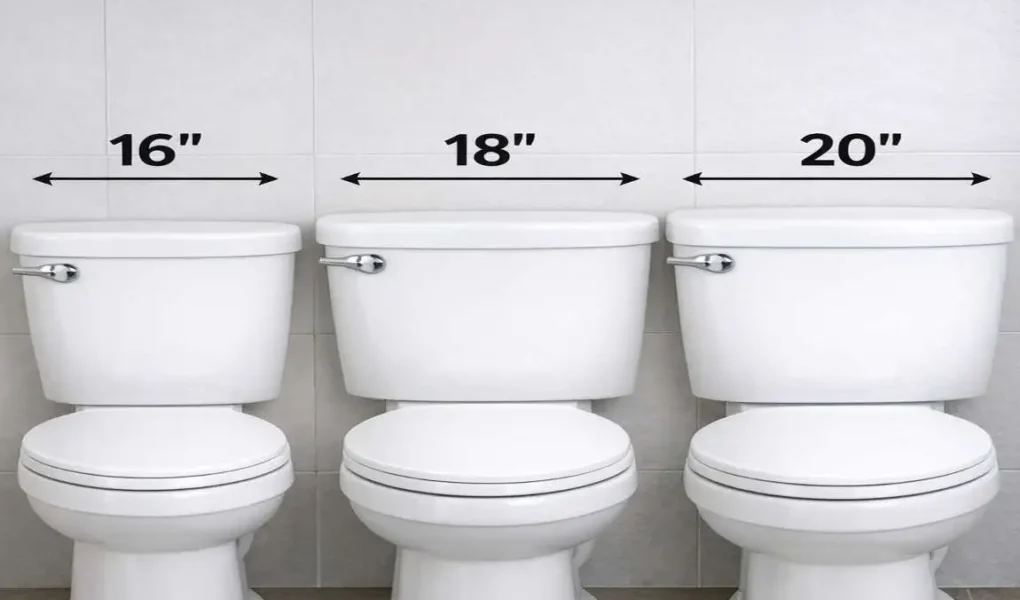
If you are asking how wide a toilet tank is, you are probably planning a bathroom upgrade, replacing an old toilet, or looking for a compact model that fits a small space.
This matters more than many people think. A toilet tank that is too wide can crowd the room, block nearby cabinets, or make the bathroom feel tight. On the other hand, a tank that fits well helps the space look cleaner and work better.
What Is the Standard Width of a Toilet Tank?
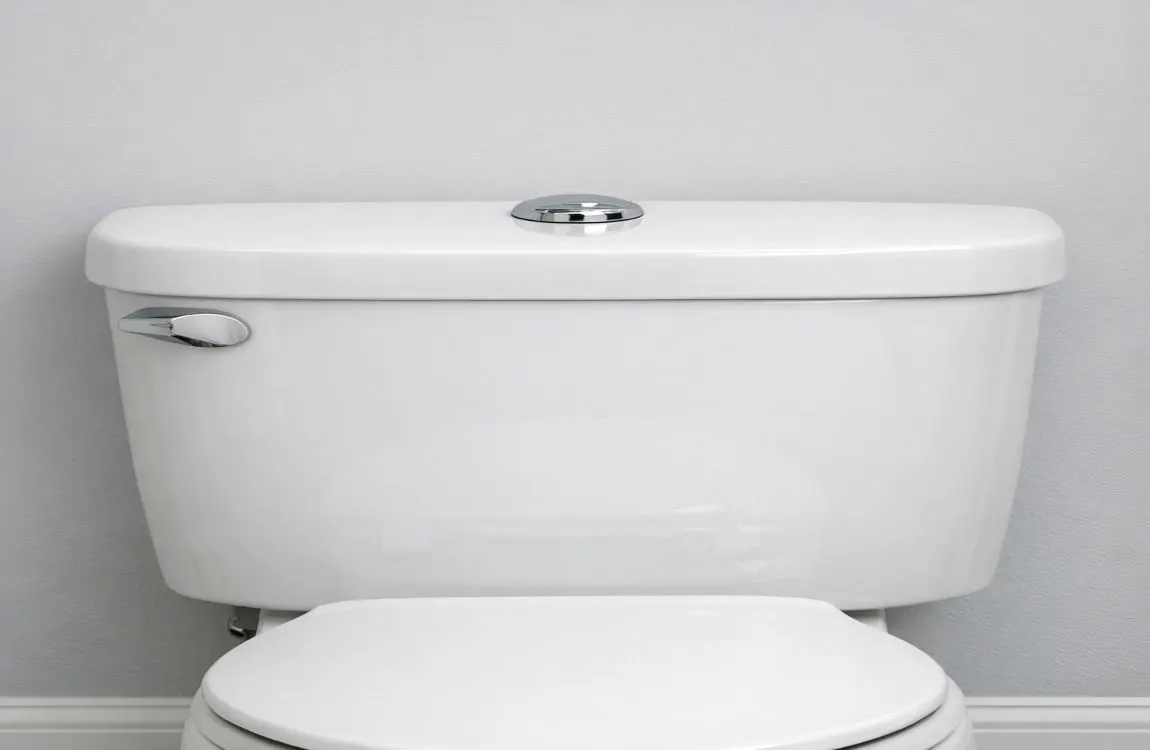
Most residential toilet tanks are 14 to 20 inches wide, but the average size is usually 16 to 18 inches.
That means many common toilets fall into a middle range that works well for standard bathrooms. Still, the exact size can change depending on the toilet style, brand, bowl shape, and flushing system.
For example, a basic two-piece toilet often has a very typical tank width. A modern high-efficiency model may be slightly wider because of its design. Some compact toilets are slimmer because they are made for small rooms.
So, while there is a common range, there is no single perfect number for every toilet.
Quick Answer
- Standard toilet tank width: 16–18 inches
- Compact toilet tank width: 14–16 inches
- Larger or high-efficiency models: 18–20+ inches
If you want a fast rule, remember this: most toilet tanks are about 16 to 18 inches wide.
Common Toilet Tank Widths by Toilet Type
Different toilet styles can have different tank sizes. Here is a simple guide.
Toilet Type Typical Tank Width
Compact / Small Bathroom Toilet 14–16 in
Standard Two-Piece Toilet 16–18 in
One-Piece Toilet 16–19 in
High-Efficiency Toilet (HET) 17–20 in
Comfort-Height Toilet 16–18 in
Compact / Small Bathroom Toilet
These toilets are made for tight spaces. Their tanks are usually slimmer, which helps the room feel less crowded.
They work well in half baths, small guest bathrooms, and other places where every inch matters.
Standard Two-Piece Toilet
This is one of the most common toilet styles. The tank sits separately on the bowl, and the width usually falls in the middle range.
If you want a toilet that fits most homes, this is a very common choice.
One-Piece Toilet
A one-piece toilet has the tank and bowl connected as a single unit. The tank may seem wider because the design flows into the bowl, but many still stay within the normal size range.
These toilets often look more modern and are easier to clean.
High-Efficiency Toilet (HET)
High-efficiency toilets are designed to use less water. Their tank sizes can vary more due to different flush systems and internal components.
Some are compact, while others may be slightly wider for better performance.
Comfort-Height Toilet
Comfort-height toilets are taller than standard models, which makes them easier to use for many adults.
The tank width is often still similar to a standard toilet, so the height changes more than the width.
How to Measure the Width of a Toilet Tank
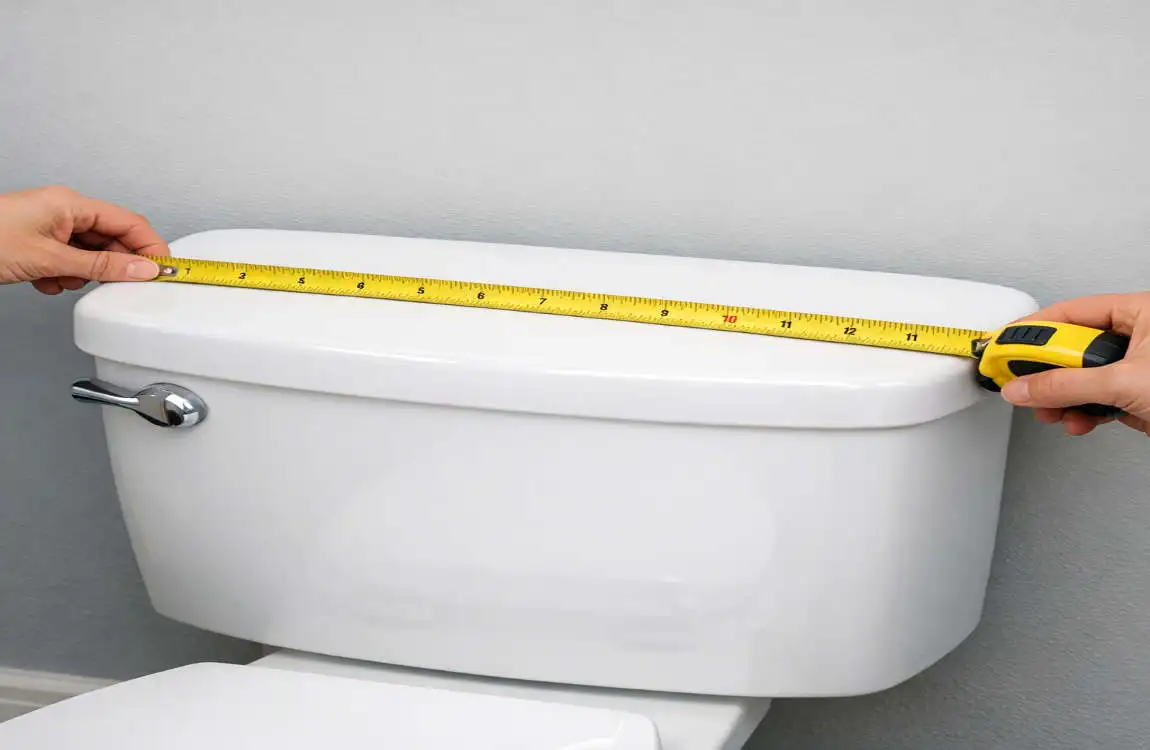
If you want the right replacement, accurate measurements are very important. Do not guess.
Tools Needed
- Tape measure
- Notepad or phone
Step-by-Step Instructions
First, place the tape measure at the widest point of the tank.
Measure from left to right across the tank. Keep the tape straight so the number is accurate.
Do not include the toilet seat in this measurement. The seat is part of the bowl area, not the tank.
If you are replacing the tank lid, measure the lid separately. Tank lids are not always the same size as the tank base.
Write the width down in inches so you can compare it later when shopping.
Why Toilet Tank Width Matters
Tank width may seem like a small detail, but it affects the bathroom more than people expect.
Bathroom Space Planning
A wide tank can take up valuable room behind the toilet. It may sit too close to a wall, cabinet, or sink.
If your bathroom is narrow, a smaller tank can make the space feel more open and easier to use.
Toilet Replacement
When replacing a toilet, the new tank should fit the existing space well. If the tank is too wide, it can create installation problems or look awkward in the room.
It is always better to check the size first than to deal with a return later.
Small Bathrooms
In small bathrooms, even a few extra inches matter. A compact tank can give you more room to move and make the bathroom easier to clean.
If your bathroom feels cramped, choosing a slimmer toilet can help a lot.
Compact Toilets for Small Bathrooms
Compact toilets are designed for homes where space is limited. Their tanks are usually 14 to 16 inches wide, which makes them a smart choice for tight areas.
These toilets are not just smaller. They are also easier to fit into rooms where a full-size toilet would feel too large.
Benefits of Compact Toilets
- More legroom
- Easier movement
- Better fit for powder rooms
They are especially useful in places like:
- Apartments
- Half baths
- Tiny homes
- RVs
If you want a toilet that saves space without losing basic comfort, a compact model is often a strong choice.
Tank Width vs. Overall Toilet Width
Many homeowners mix up these two measurements. They are not the same thing.
Measurement What It Means
Tank Width Width of the tank only
Overall Toilet Width Widest part of the entire toilet
The tank is only the upper part of the toilet. The bowl can be wider than the tank, which means the full toilet may take up more space than you expect.
This matters when checking doorway clearance, bathroom layout, or spacing near walls and vanities.
So, if you are shopping for a new toilet, always look at both numbers.
Can You Replace a Toilet Tank With a Different Width?
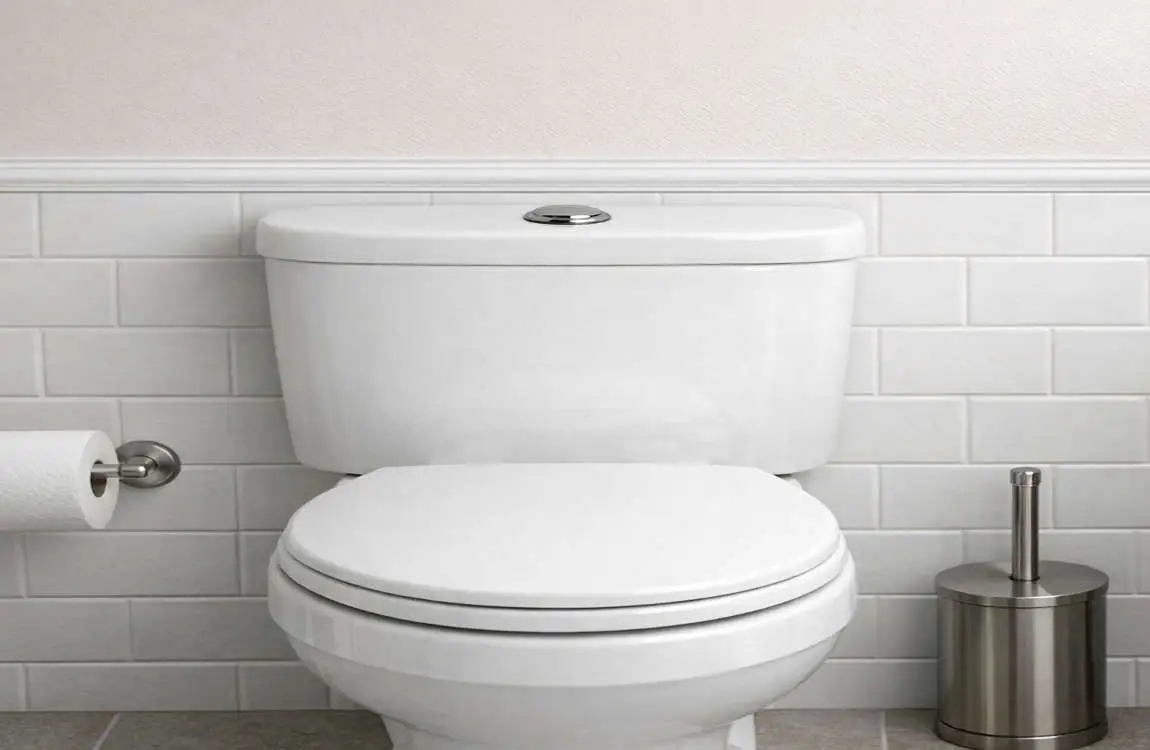
Usually, no for two-piece toilets.
Most two-piece toilet tanks are made to fit a specific bowl model. That means one tank does not always work with another toilet, even if the width looks similar.
If the tank does not match correctly, you may run into problems like:
- Leaks
- Poor flushing
- Weak sealing
- Loose-fitting parts
Better Option
If you need a narrower tank, the safer choice is often to replace the entire toilet rather than just the tank.
That gives you a better fit and reduces the chance of installation problems.
FAQ
How wide is a standard toilet tank?
A standard residential toilet tank is usually 16–18 inches wide, though some models range from 14–20 inches.
What is the narrowest toilet tank available?
Compact toilets can have tanks as narrow as 14–15 inches, which makes them useful for small bathrooms.
How do I measure the width of my toilet tank?
Use a tape measure to measure the widest part of the tank from left to right, excluding the toilet seat.
Are one-piece toilet tanks wider than two-piece tanks?
They can look wider because the tank and bowl are built together, but many still stay within the 16–19 inch range.
Can I install a narrower tank on my existing toilet?
Usually not. Two-piece toilet tanks are often model-specific, so replacing the entire toilet is usually the safer option.
| Feature | Details |
|---|---|
| Standard Toilet Tank Width | Typically 14–20 inches (36–51 cm), depending on the toilet model and brand. |
| Most Common Width | Around 17–18 inches (43–46 cm) for standard residential toilets. |
| Tank Height | Usually 14–17 inches (36–43 cm). |
| Tank Depth (Front to Back) | Generally 6–9 inches (15–23 cm). |
| Compact Toilet Tank Width | Approximately 14–16 inches (36–41 cm), ideal for small bathrooms. |
| Large or Comfort-Height Tank Width | Can be 18–20 inches (46–51 cm). |
| Wall-Mounted Toilet Tanks | Hidden inside the wall, so visible tank width is minimal or nonexistent. |