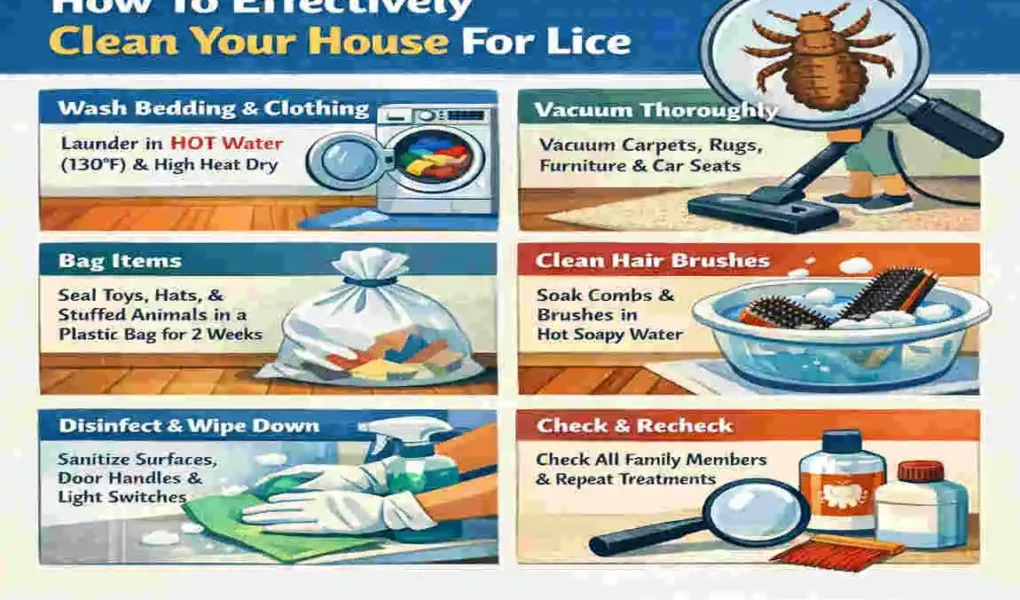
If you just found out that someone in your home has lice, it can feel stressful fast. You may start worrying about the bed, the couch, the car, the laundry basket, and every soft item in the house. That reaction is normal. The good news is that you do not need to panic or scrub every corner of your home from top to bottom.
What you do need is a smart, focused plan for cleaning up after lice treatment. The goal is simple: remove stray lice, wash the items that matter most, and reduce the chance of re-infestation. Lice are common, especially among school-aged children, and families deal with them every year. The key is acting calmly and thoroughly.
| Step | Action | Why It Works |
|---|---|---|
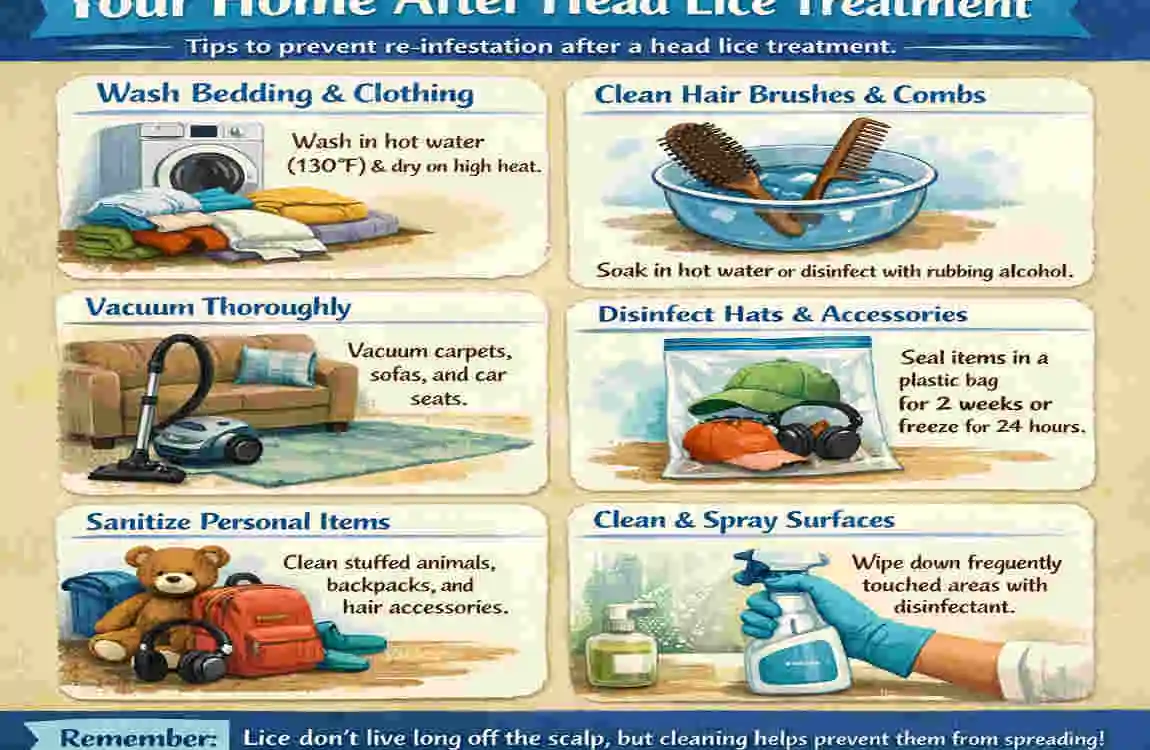
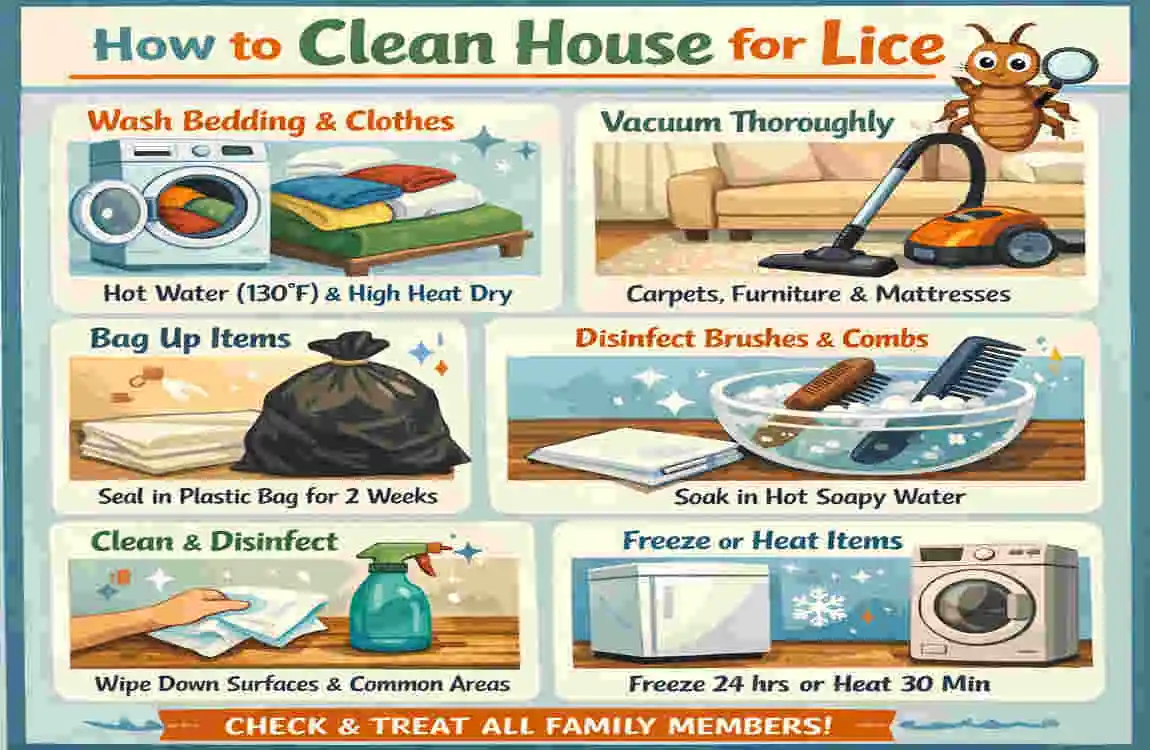
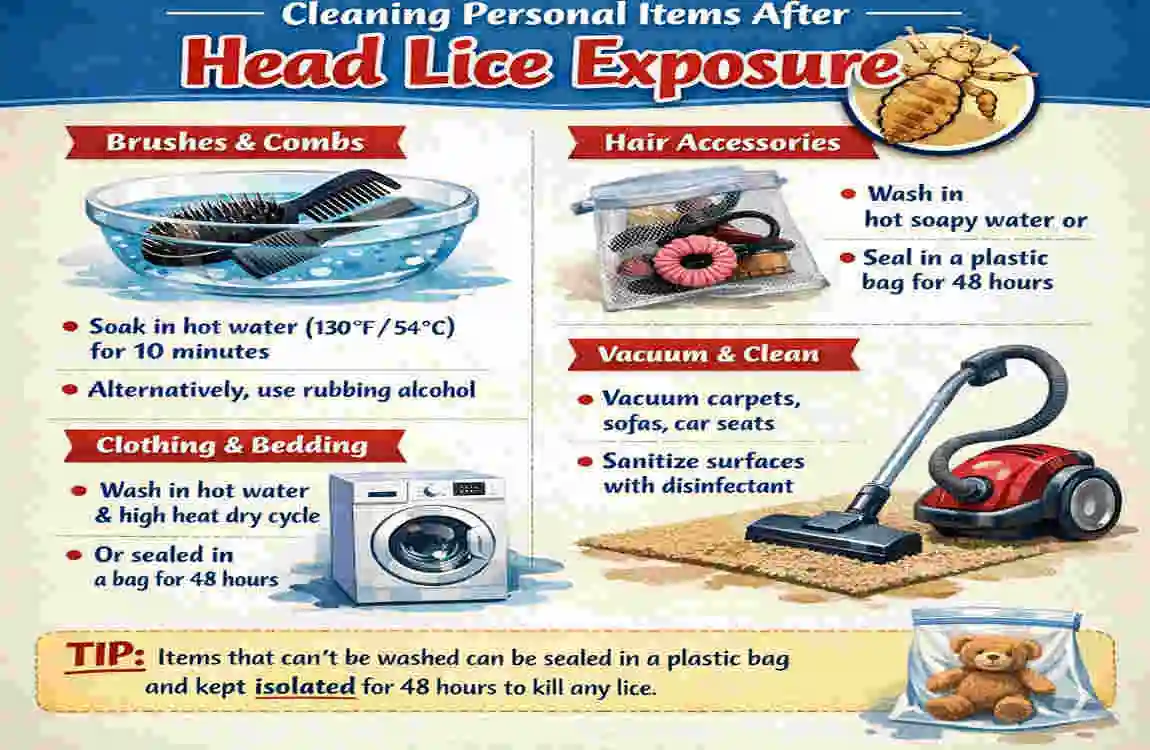
| Wash fabrics | Machine-wash bedding, clothes, towels in hot water (130°F+) and dry on high heat for 20+ minutes. | Kills lice and nits via heat. |
| Vacuum surfaces | Thoroughly vacuum carpets, rugs, furniture, car seats; empty bag/canister outside immediately. | Removes fallen lice, hairs, eggs. |
| Clean hair tools | Soak combs/brushes in hot water (130°F) for 10 minutes or freeze sealed in plastic for 24 hours. | Heat or cold eliminates lice/nits. |
| Seal non-washables | Bag unwashable items (stuffed toys, hats) for 2 weeks or 72 hours in minimal contact areas. | Starves surviving lice. |
Understanding Lice: Head Lice vs. Body Lice in Your Home

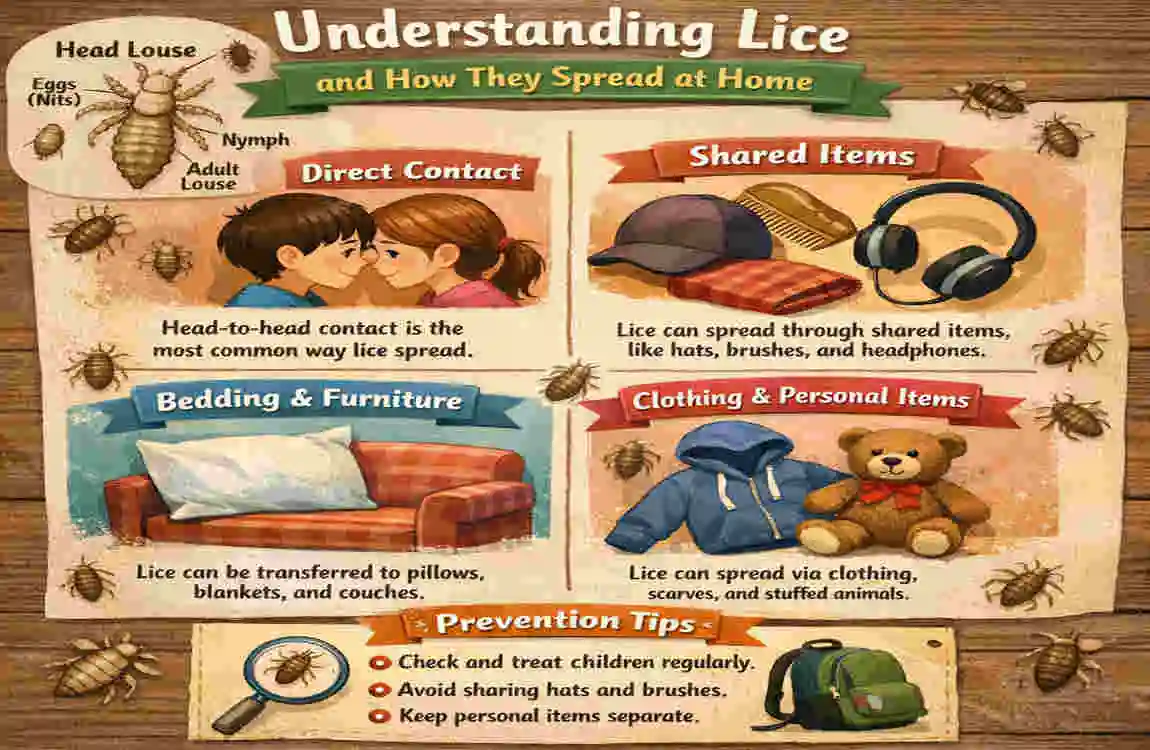
Before you start cleaning, it helps to know what kind of lice you are dealing with. In most homes, the issue is head lice. These live on the scalp and hair, and they spread mainly through close contact, shared hats, pillows, combs, and other personal items.
Head Lice in the Home
Head lice are the most common problem for families. They stay close to the scalp because they need human blood to live. They crawl, but they do not jump or fly. That means the main risks come from close head-to-head contact and from personal items that have touched the hair.
When people search for how to clean house for head lice, they usually want to know what to do with bedding, furniture, clothing, and hair tools. That is exactly where you should focus your energy.
Body Lice in the Home
Body lice are different. They live mainly in clothing and bedding, not on the scalp like head lice. They are less common in most family homes, but they can appear when hygiene is poor or clothing is not changed regularly.
If you suspect body lice, the cleaning approach shifts more toward laundering clothing, towels, and bedding very carefully. For most households, though, the real issue is head lice, so that should be your main focus.
The simple way to think about it is this: head lice live near the hair, while body lice are more closely associated with clothing and fabric. Once you understand that difference, it becomes much easier to clean the right things without wasting time on the wrong ones.
Step-by-Step Guide: How to Clean House for Lice Effectively
When you want to know how to clean house for lice the right way, the answer is to stay organized. Do not rush from room to room without a plan. Start with the most-used items, then work through the rest in a steady order.
Prepare Your Home Before Cleaning for Lice
Before you begin, gather your supplies. A little preparation saves time and keeps you from missing important items.
You will want:
Item Purpose Where It Helps Most
HEPA or strong vacuum Removes loose lice and eggs from surfaces Floors, mattresses, sofas, car seats
Laundry detergent Helps clean clothing and bedding Washable fabrics
Hot water access Supports effective washing Sheets, towels, clothes
Plastic bags or sealable bins Isolates non-washable items Toys, stuffed animals, hats
Lice comb Checks hair before and after cleaning Scalp and hair sections
Gloves Keeps cleanup more comfortable Laundry handling and sorting
Now decide which areas need the most attention. Usually, that means bedrooms, bathrooms, laundry areas, and any place the infested person used in the last two days. You do not need to empty the whole house. Instead, focus on recently used items and shared spaces.
How to Clean House for Lice: Wash All Fabrics
If you remember only one thing, remember this: wash the fabrics first. Bedding, pillowcases, blankets, towels, clothes, hoodies, scarves, and sleepwear should all be handled right away.
For best results:
- Wash items in hot water when the fabric allows it.
- Dry them on high heat for at least 20 minutes if the item can handle it.
- If something is delicate, use the safest cleaning method listed on the label, or dry-clean it if needed.
This step matters because heat helps kill lice and reduce the chance of surviving eggs. If you are wondering how to wash bedding to clean house for lice, the answer is simple: collect all used bedding, wash it quickly, and dry it thoroughly.
Do not forget the small fabric items people often miss:
- Pillow covers
- Couch throws
- School uniforms
- Pajamas
- Hair wraps
- Reusable face coverings if they were used near the head
If you have a large family, sort laundry room by room so you do not mix clean and dirty items. It also helps to keep the infected person’s laundry separate for the day.
Vacuum Everywhere: The #1 Way to Clean House for Lice
Vacuuming is one of the most useful steps in how to clean house for lice because it removes loose lice or hairs with attached eggs from surfaces where people sit, lie down, or walk barefoot.
Start with these areas:
- Carpet edges and baseboards
- Sofas and upholstered chairs
- Mattress seams and bed frames
- Rugs and floor corners
- Car seats and booster seats
- Under beds and behind furniture
Do not forget the crevices. Lice and stray hairs can collect where fabric folds, under cushions, and along seams. Vacuum slowly so the machine has time to pick up debris.
When you are finished, empty the vacuum container or bag outside the house. That way, you do not risk putting anything back into the living space.
If your vacuum has attachments, use them. The narrow nozzle can help around mattress seams, car seats, and couch cushions. A careful vacuuming session is often enough for carpets and furniture after the laundry is done.
Disinfect Hard Surfaces to Eliminate Lice
Hard surfaces are not the biggest risk, but they still need attention. Think about doorknobs, bathroom counters, hairbrush handles, bedside tables, and any surface where the infected person placed hair tools or headwear.
You do not need to soak everything. A simple wipe-down is enough in most cases.
Use a safe disinfecting method for the item:
Surface or Item Safe Cleaning Option Important Note
Hairbrush handles Hot soapy water or alcohol wipe Remove hair first
Combs Hot water soak or alcohol solution Clean between teeth
Doorknobs Regular disinfecting wipe Wipe and let dry
Countertops Mild cleaner or diluted disinfectant Do not over-wet
Bathroom handles Wipe with disinfectant Focus on high-touch points
Plastic toys Wipe or wash with soap and water Dry completely
If you are using a bleach solution, always dilute it properly and use it only on surfaces that can safely handle it. Never mix chemicals. Also, avoid spraying too much liquid onto electronics, wood, or fabric.
The goal here is not to sterilize your home. The goal is to clean areas that may have come into contact with the hair or hands of the infested person.
Deep Clean Hair Tools and Personal Items
Hair tools can quietly spread lice from one person to another. Brushes, combs, clips, headbands, and hair ties all deserve attention.
For brushes and combs:
- Remove trapped hair.
- Wash the item in hot, soapy water.
- Soak it if needed.
- Rinse and let it dry fully.
If you have old hair accessories that are hard to house clean, it may be better to replace them. If not, at least isolate them until you are certain the lice problem is gone.
This is also a good time to clean the small things people forget, like:
- Hair clips
- Scrunchies
- Headbands
- Helmet padding
- Shared headphones
- Makeup brushes used near the hairline
When people ask how to clean hairbrushes for lice, the answer is to clean them immediately and keep them separate from everyone else’s items until the issue is resolved.
Handle Stuffed Animals and Non-Washables Carefully
Children often sleep with stuffed animals, soft dolls, or fabric toys. These items can be tricky to wash. The good news is that you usually have a simple choice.
You can:
- Put the item in a sealed bag for about 2 weeks
- Or freeze it for 48 hours if that is practical and safe for the item
Both options help make the item unsuitable for lice survival. If the toy can be washed, that is even better. If not, sealing it away is a reasonable solution.
For non-washable items such as decorative pillows or delicate fabric pieces, check the label first. If you are unsure, bagging the item is often the safest low-stress option.
If a child is attached to a stuffed toy, do not panic. You do not need to throw it away. Just clean it or isolate it long enough to reduce any risk.
Common Mistakes When You Clean House for Lice And How to Avoid Them

A lot of people work hard and still miss a few key details. That is why understanding the most common mistakes is so helpful. If you want how to clean house for lice to work well, avoid these problems.
- Skipping the laundry pile
- Fix: Wash every item that came into contact with the head in the last 48 hours, not just the obvious ones.
- Forgetting car seats and travel items
- Fix: Vacuum the car, especially child seats, headrests, and seat cracks.
- Over-cleaning furniture that was barely used
- Fix: Focus on recent use, not every room in the house.
- Not emptying the vacuum outside
- Fix: Dispose of vacuum contents outdoors to prevent debris from being re-introduced.
- Using too much liquid on surfaces
- Fix: Wipe items down instead of soaking them, especially electronics and wood.
- Sharing combs and hair accessories too soon
- Fix: Keep personal items separate until everyone is clear.
- Thinking cleaning alone will solve everything
- Fix: Combine cleaning with proper head treatment and follow-up checks.
A strong cleaning routine is helpful, but it works best when paired with careful combing, treatment, and a second look after several days. That balance is what keeps the problem from coming back.
Tools and Products You Need to Clean House for Lice
You do not need a huge shopping list. In fact, keeping things simple is usually better. A few reliable items are enough to make the process easier.
ProductWhy It HelpsTypical Price Range
Strong vacuum with attachments Reaches carpets, mattresses, and couch seams Moderate
Laundry detergent Cleans bedding and clothes Low
Sealable plastic bags Isolates non-washable items Low
Lice comb Helps inspect hair and remove debris Low
Disinfecting wipes Good for hard surfaces and handles Low to moderate
Mattress encasement Helps keep bedding cleaner after treatment Moderate
Hair tool cleaner or brush soak container Makes combs and brushes easier to sanitize Low
You may also want to keep a dedicated “lice cleanup” basket so supplies are ready if the issue happens again. That can include gloves, extra laundry bags, and spare combs. If you run a household with multiple children, a small kit like this saves time.
When choosing products, avoid gimmicks. You mostly need basic tools: a vacuum, laundry access, bags, and a simple disinfecting routine. That is the real core of how to clean house for lice.
How Long Does It Take to Clean House for Lice?
The total time depends on the size of the home and the number of fabric items that need attention. For a small family, the first round of cleaning may take a few hours. For a larger household, it can take most of a day.
Here is a simple way to think about the timeline:
- Day 1: Treat the hair, wash fabrics, vacuum the main rooms, and clean tools.
- Days 2 to 7: Check hair daily or every other day and keep using clean bedding.
- Around Day 7 to 10: Recheck carefully for signs of new eggs or live lice.
- By 2 weeks: Most items sealed in bags can be used again if there are no signs of lice.
The exact time to clean your house for lice depends on how organized you are, but most of the work is done on the first day. After that, your job is mostly monitoring and staying consistent.
If you are busy, break the work into sections. Do laundry first, vacuum second, and hair tools last. That is a realistic way to finish without feeling overwhelmed.
Preventing Re-Infestation After You Clean House for Lice

Once the house is clean, the next job is making sure lice do not return. This part is just as important as the cleanup itself.
Start with daily habits. Check the scalp of the affected person and anyone close to them. If you see early signs, you can act before the problem spreads.
Also, make sure everyone in the home follows simple rules:
- Do not share combs, hats, or hair accessories.
- Keep long hair tied back when possible.
- Store coats and bags separately from other family members’ items.
- Wash bedding regularly during the treatment period.
- Follow the treatment schedule carefully if a second treatment is recommended.
In schools, lice can spread again if children return too early without careful checks. So it helps to follow school guidance and keep an eye on any siblings.
Remember, preventing reinfestation is about small daily habits, not constant worry. Once your cleaning system is in place, it gets much easier to stay ahead of the problem.
FAQ: How to Clean House for Lice
How do I clean my house for lice if someone has head lice?
Start with the most important items: bedding, pillowcases, clothing, towels, and anything the person used in the last 48 hours. Wash washable fabrics in hot water if the label allows it, dry them on high heat, vacuum furniture and floors, and clean hair tools. That is the core of how to clean house for lice in a practical way.
Do I need to clean my house for lice if only one person has it?
Yes, but you do not need to clean every item in the house. Focus on the affected person’s bedding, clothing, hair tools, and the surfaces they used recently. Lice spread most easily through close contact and the sharing of personal items, so targeted cleaning is usually enough.
Can lice live on furniture?
Head lice can end up on furniture, but they do not usually survive there for long. Still, it is wise to vacuum couches, chairs, and mattress seams where the infected person rested. If you are wondering how to clean a couch for lice, vacuuming and laundering nearby fabrics are usually the main steps.
Should I wash all the clothes in the house?
Not usually. Wash the clothes, bedding, towels, and fabric items the infested person has recently used. You do not need to wash every single garment in the home unless it was shared or worn close to the scalp.
What is the best way to clean hairbrushes for lice?
Remove the hair first, then wash the brush or comb in hot, soapy water. Some people also soak combs in a disinfecting solution if the material allows it. Dry the item fully before using it again or sharing it.
How long should I keep stuffed animals sealed?
A common approach is to seal non-washable stuffed animals or fabric toys in a bag for about 2 weeks. If the item can be safely frozen, 48 hours may also help. The point is to keep it isolated long enough that any lice can no longer survive.
Do I need special sprays to clean house for lice?
Usually, no. Most homes do not need fancy sprays. Basic cleaning tools, hot water, detergent, a vacuum, and careful handling of fabrics are enough. If you choose a product, make sure it is safe for the surface you are cleaning.
How often should I recheck the house after cleaning?
Check for signs of lice again over the next 7 to 10 days, especially bedding, hair tools, and the scalp of the infested person. You do not need to deep clean every day, but you should stay alert for a second round of treatment if needed.
How do I clean house for lice in winter or rainy weather?
In rainy weather, the challenge is usually drying laundry properly. Start washing early, use high heat if safe, and make sure items are fully dry before putting them away. In humid cities like Lahore, this step matters even more.