If you have ever noticed a capped pipe sticking out of the ground, wall, basement floor, or another part of your home, you may have wondered what it is for. That fitting may be a plumbing cleanout, an important part of many residential drainage systems.
So, what’s a cleanout in home plumbing? Simply put, a cleanout is an accessible opening in a drain or sewer pipe. It gives plumbers a convenient way to reach inside the plumbing system to inspect pipes, remove blockages, and perform maintenance.
| Aspect | Details |
|---|---|
| What Is a Cleanout? | A cleanout is an accessible opening in a plumbing drain or sewer line that allows plumbers to inspect and clean the pipes. |
| Main Purpose | It provides convenient access to drain lines for removing clogs, debris, and buildup. |
| Common Locations | Cleanouts may be found outside the home, in basements, crawl spaces, garages, or near the main sewer line. |
| Drain Cleaning | Plumbers can insert drain-cleaning equipment through the cleanout to clear blockages. |
| Plumbing Inspection | A cleanout provides access for inspecting the condition of drain and sewer pipes. |
| Prevents Major Problems | Regular attention to accessible cleanouts can help identify drainage issues before they become more serious. |
| Helps With Backups | A cleanout can provide an access point when wastewater backs up because of a blocked drain or sewer line. |
| Easy Maintenance | Keeping the cleanout accessible makes routine plumbing maintenance quicker and easier. |
A cleanout usually has a removable cap or plug. Under normal conditions, the cap stays tightly closed, keeping wastewater and sewer gases inside the drainage system.
What Is a Plumbing Cleanout and How Does It Work?
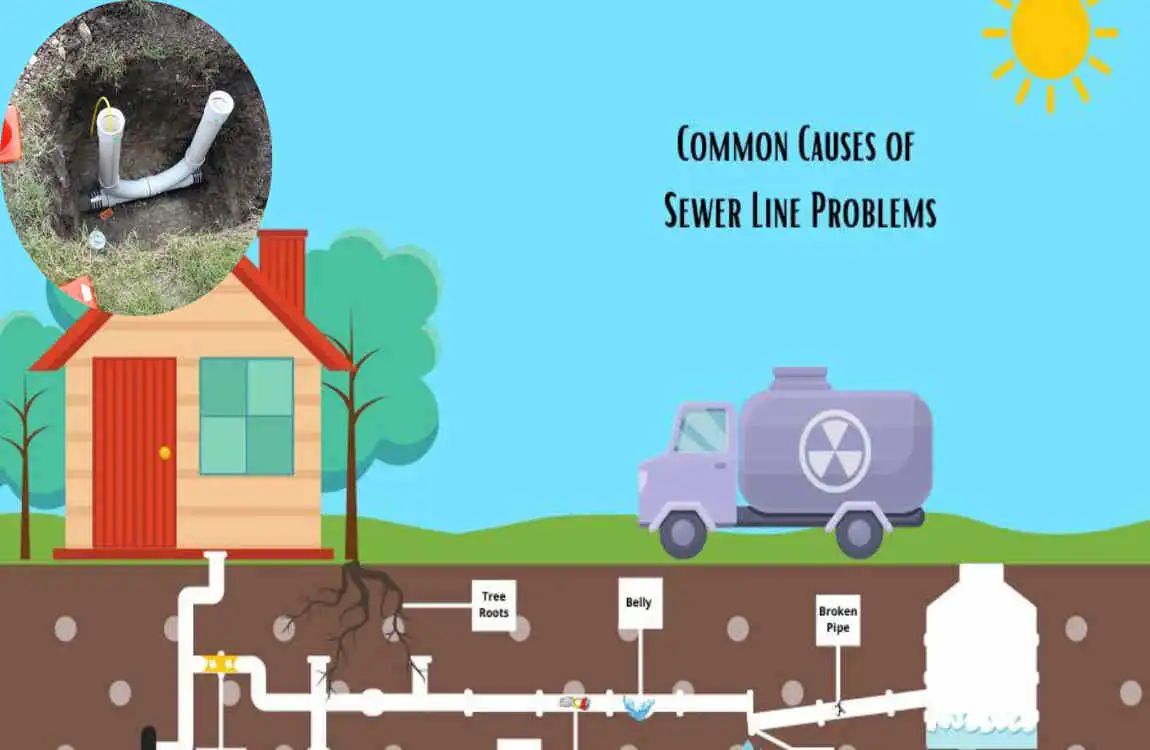
A plumbing cleanout makes the drainage system easier to access. While the fitting itself is relatively simple, it can save considerable time when a plumber needs to work on a drain or sewer line.
Understanding a Plumbing Cleanout
A cleanout is generally a section of pipe with a removable cap or plug. The opening connects directly to a drain or sewer line.
The cap protects the opening and helps keep the drainage system sealed. When maintenance is required, a plumber can remove the cap and insert suitable equipment into the pipe.
Depending on the plumbing layout, the cleanout may connect to a branch drain, a larger building drain, or the home’s main sewer line.
You might see cleanouts made from PVC, ABS, cast iron, or other plumbing materials. Their appearance can vary widely depending on the home’s age and construction.
A cleanout is not normally intended to function as a regular drain. Its main purpose is to provide access for inspection and cleaning.
Where Are Cleanouts Usually Located?
Cleanout locations depend on the home’s plumbing design. Some are easy to spot, while others may be tucked away in less noticeable areas.
Common locations include:
- Near the main sewer line
- Outside the house in the yard
- Basements
- Crawl spaces
- Utility rooms
- Garages or service areas
- Near changes in the direction of a drain line
An exterior cleanout may look like a small capped pipe close to the ground. Some are flush with the surrounding surface, while others extend slightly above it.
Inside a home, a cleanout may appear as a threaded cap on a vertical or horizontal pipe.
If you recently moved into a house, locating the cleanout can be worthwhile. You may need it quickly if several drains suddenly begin backing up.
How Does a Cleanout Provide Access?
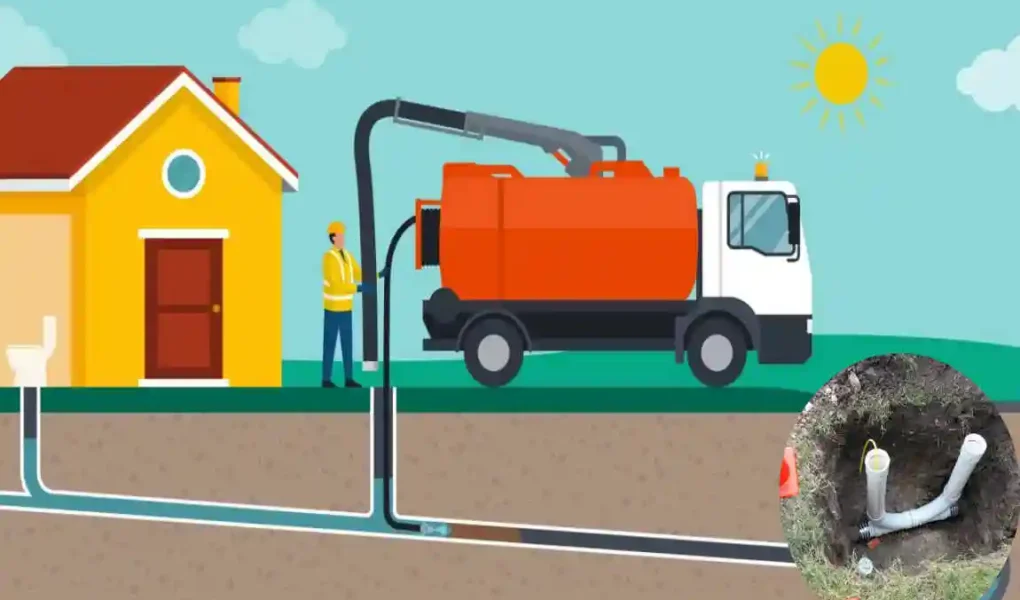
When a drain or sewer line needs attention, a plumber can carefully remove the cleanout cap. This creates an opening into the drainage pipe.
From there, the plumber can use the right equipment to inspect or clear the line. Depending on the problem, this may include a drain-cleaning cable, inspection camera, or other professional equipment.
The pipe’s direction and the blockage’s location determine how useful a particular cleanout will be.
For example, a cleanout connected to the main drain can provide better access to a whole-house drainage problem than a small fixture-level access point.
The cap is then replaced after the work is completed. Keeping the opening properly sealed matters because an improperly fitted cap can allow odours, moisture, or other problems to develop.
Why Are Cleanouts Important in Home Plumbing Systems?
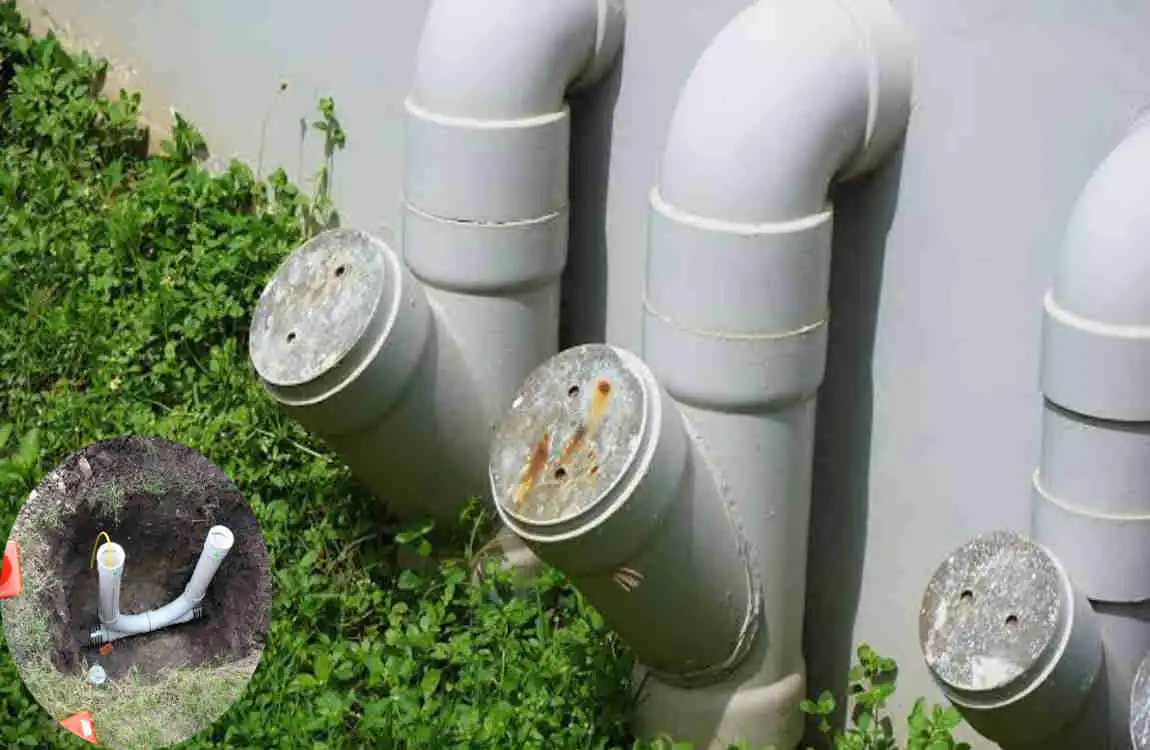
Cleanouts may look insignificant, but they can play an important role in keeping a drainage system serviceable.
When a plumbing problem develops underground or inside a wall, accessing the affected pipe can be difficult. A properly positioned cleanout provides a practical entry point.
Easier Drain Cleaning
One of the biggest benefits of a cleanout is easier access for drain cleaning.
If a main drain becomes blocked, a plumber can often introduce cleaning equipment through the cleanout. This can be more practical than working through a sink, bathtub, or toilet opening.
A cleanout can also provide a more direct route to certain sections of pipe. This may make it easier to identify and address a stubborn obstruction.
However, the cleanout itself does not automatically remove a blockage. The plumber still needs to determine the cause and choose the right cleaning method.
Faster Plumbing Inspections
Cleanouts also help with plumbing inspections.
If several drains are behaving strangely at the same time, the problem may not be limited to one fixture. A plumber can use an accessible cleanout to investigate the larger drainage system.
A camera inspection, for example, can help reveal conditions inside the pipe. Depending on the situation, an inspection may identify buildup, damaged sections, root intrusion, or other issues.
This access can be especially useful when the problem location is not immediately obvious.
Preventing Major Plumbing Damage
Regular attention to a plumbing system can sometimes help prevent a small drainage problem from becoming a major repair.
A cleanout provides an access point that can make maintenance easier. When a plumber can reach a drain line without extensive dismantling, investigating a developing problem may be simpler.
That does not mean every cleanout needs frequent professional servicing. Instead, homeowners should keep the access point visible, protected, and usable.
If you notice repeated backups or other unusual drainage symptoms, addressing them early may help reduce the chance of additional damage.
Different Types of Plumbing Cleanouts
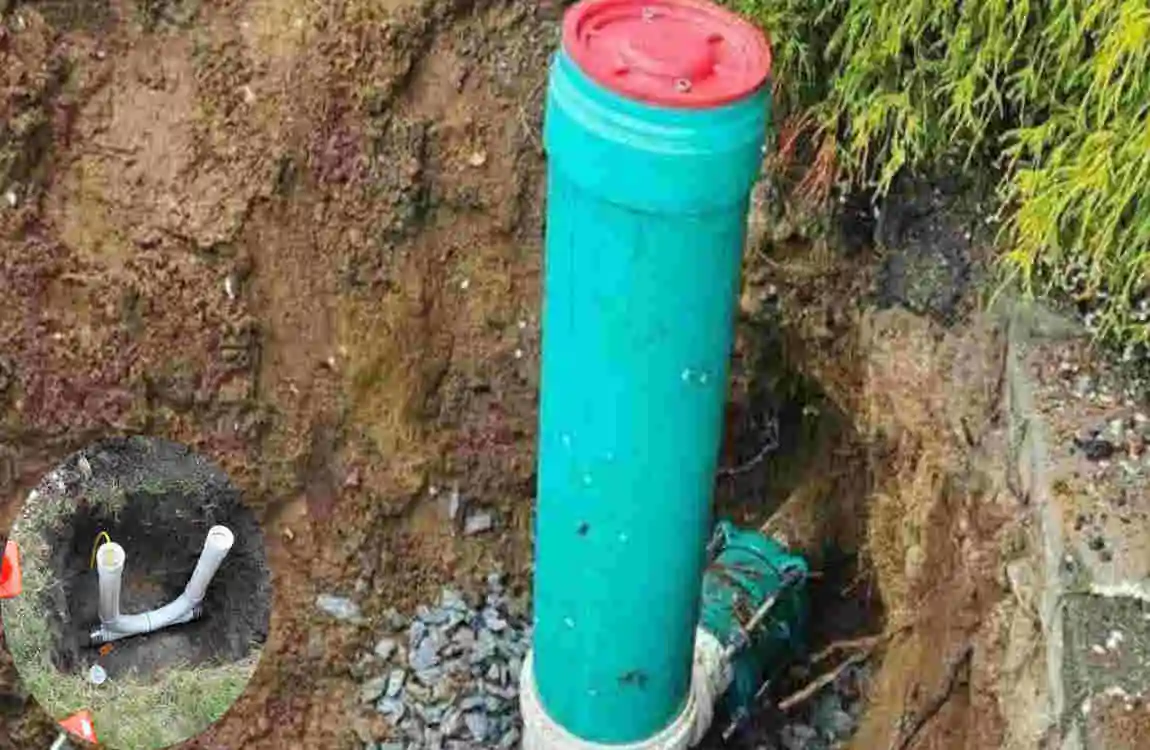
Not every cleanout looks or works the same way. The type and location generally depend on the plumbing system.
Main Sewer Cleanouts
A main sewer cleanout provides access to a major drain or sewer line serving the home.
It may be located near the building where the home’s drainage system connects with the larger sewer system.
This type of cleanout can be particularly useful when multiple fixtures throughout the house experience drainage problems.
Because the main sewer line carries wastewater from different parts of the home, a blockage in this section can affect several fixtures at once.
Yard or Exterior Cleanouts
Exterior cleanouts are commonly found outside a property.
They may be located in a yard, near the foundation, driveway, or another accessible area. Some are clearly visible, while others may become hidden beneath soil, landscaping, or ground coverings over time.
An exterior cleanout gives plumbers access to underground drainage lines without requiring them to excavate the ground immediately.
If you have a cleanout in your yard, avoid planting large shrubs directly over it or placing permanent structures on top of it.
Interior Cleanouts
You may install interior cleanouts in basements, crawl spaces, garages, utility rooms, or other service areas.
Because they are inside the building, they can sometimes be easier to reach during an emergency.
However, keep interior cleanouts protected and accessible. Storing heavy items directly around them can make emergency plumbing work more difficult.
Two-Way Cleanouts
Some plumbing systems use a two-way cleanout, which can provide access in two directions along a drain line.
This design can be useful because a plumber may be able to work toward different sections of the drainage system from the same access point.
The exact configuration depends on the plumbing layout. Not every home will have this type of cleanout.
Signs Your Plumbing Cleanout May Need Attention
A cleanout usually doesn’t cause problems on its own. Instead, it can signal an issue somewhere in the drainage system.
Watch for symptoms such as:
- Slow drains throughout the house
- Repeated drain backups
- Unpleasant sewer odors
- Gurgling sounds from drains
- Water or sewage appearing near an exterior cleanout
One slow sink drain may simply have a local blockage. But when several fixtures drain slowly at the same time, the problem could be farther along the main drainage system.
Sewage or dirty water appearing around a cleanout is particularly important. It can indicate that wastewater can’t move normally through the line.
Don’t assume opening the cap yourself will solve the problem. A blocked line can contain wastewater under pressure, and removing a stuck cap carelessly can create a messy or unsafe situation.
Also avoid forcing a damaged cleanout cap. Older caps can become difficult to remove because of corrosion, age, or physical damage.
If a cleanout is broken, leaking, badly stuck, or surrounded by sewage, professional help is usually the safer option.
How to Maintain and Use a Home Plumbing Cleanout
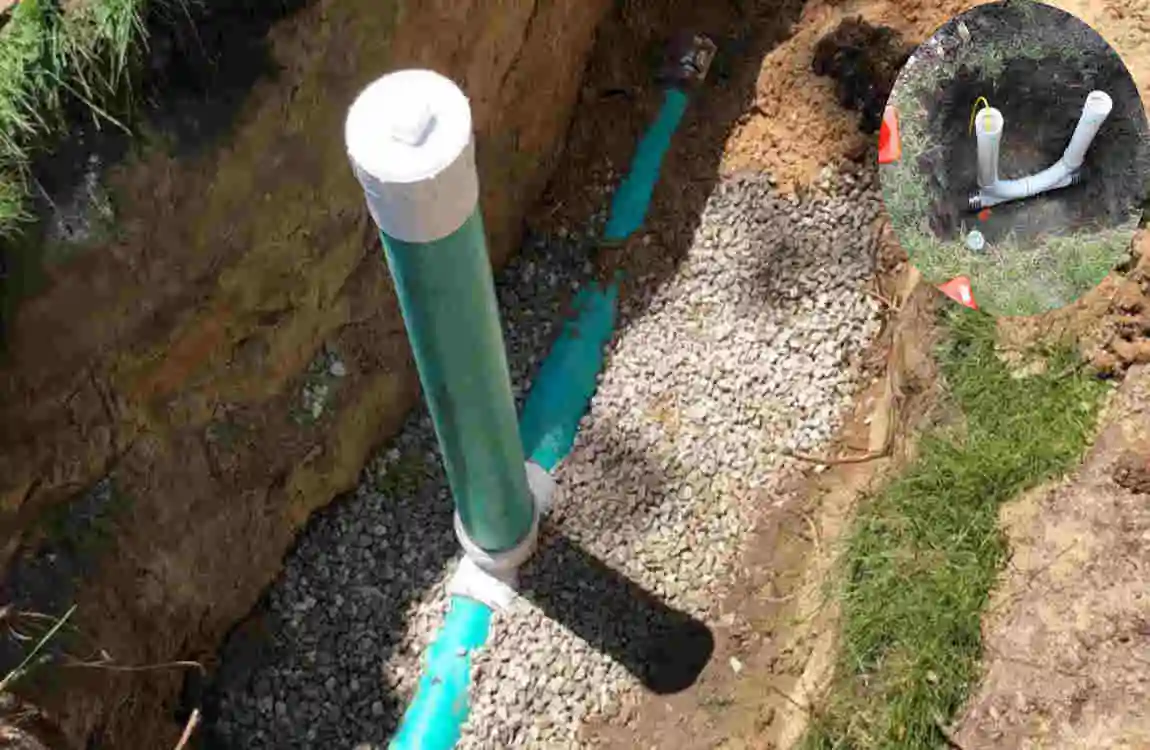
A cleanout generally does not require complicated homeowner maintenance. The most useful thing you can do is keep it accessible and easy to identify.
Keep the Cleanout Accessible
Avoid permanently covering a cleanout with soil, concrete, landscaping, storage items, or other materials.
If the cleanout is outside, make sure you can still identify its location. A simple marker can help you remember where it is without interfering with the fitting.
Inside the home, keep furniture, boxes, and equipment from blocking access to the cleanout.
This small step can make a significant difference when a plumber needs to reach the drain quickly.
Check for Visible Damage
Visually check the area around an accessible cleanout for obvious signs of trouble.
Look for:
- Cracked or broken caps
- Visible leaks
- Standing wastewater
- Damaged surrounding pipe
- Unusual odors
- Soil or landscaping changes around an exterior fitting
You don’t need to dismantle the plumbing to do a basic visual check.
If something looks damaged, avoid experimenting with the fitting. A professional can determine whether the cap, pipe, or drainage system needs repair.
Avoid DIY Drain-Cleaning Mistakes
A cleanout provides access, but that does not mean every homeowner should insert equipment into it.
Drain-cleaning tools can be powerful. Using the wrong tool or technique can damage pipes or make an existing problem worse.
Chemical drain cleaners can also create complications, particularly when different products are mixed or when a plumber later needs to work on the system.
If you are unsure about the blockage, avoid aggressive DIY methods and have a professional assess the drainage system.
When to Call a Professional Plumber
Professional help is appropriate when the problem is severe, recurring, or difficult to identify.
Consider contacting a plumber if you experience multiple backed-up fixtures, sewage around a cleanout, repeated blockages, a damaged cleanout cap, or suspected sewer-line damage.
A professional can determine whether the problem is inside the home, in the main drain, or farther along the sewer connection.
This distinction matters because the correct repair depends on where the blockage or damage occurs.
FAQ About Plumbing Cleanouts
What’s a cleanout in home plumbing?
A plumbing cleanout is an accessible opening in a drain or sewer pipe. It usually has a removable cap and allows plumbers to access the drainage system for inspection, cleaning, and blockage removal.
Where should a plumbing cleanout be located?
Cleanouts can be located inside or outside the home, depending on the plumbing design. Common locations include basements, crawl spaces, utility areas, yards, and near the main sewer connection.
Exact placement can vary by property.
Can I use a cleanout to unclog my drain?
A cleanout can provide access to a blocked drain line, but the best cleaning method depends on the blockage type and location.
For simple problems, homeowners may be able to perform basic drain maintenance elsewhere. However, using professional equipment through a cleanout requires care.
If the blockage affects several fixtures or keeps returning, professional diagnosis is advisable.
How often should plumbing cleanouts be checked?
No single inspection schedule applies to every home.
The important thing is to keep cleanouts accessible and watch for visible damage or drainage problems. A plumber may inspect or use the cleanout when maintenance or troubleshooting is required.
Older plumbing systems or homes with recurring drainage issues may require more attention.
Why is sewage coming out of my cleanout?
Sewage coming from a cleanout often suggests wastewater isn’t moving properly through the drainage line.
A blockage downstream can cause wastewater to back up toward the cleanout.
Because sewage exposure can create sanitation concerns and the blockage may be significant, avoid unnecessary contact and arrange for professional plumbing service.
Should a plumbing cleanout be covered?
A cleanout normally needs a cap or plug to protect the opening and keep the drainage system properly closed.
However, do not permanently bury the cleanout or block it with landscaping, construction, or stored items.
The goal is to protect the fitting while keeping it accessible for maintenance.
Are plumbing cleanouts required in every home?
Not necessarily. Requirements can vary depending on the plumbing design, building codes, property type, and local regulations.
Some homes have several cleanouts, while others may have fewer access points.
If you are building or remodeling a home, a licensed plumbing professional can determine the appropriate cleanout arrangement for the system and applicable requirements.
What happens if a plumbing system has no accessible cleanout?
Without an accessible cleanout, drain maintenance can become more difficult.
A plumber may need to use another access point, such as a fixture connection or another suitable section of the drainage system. In some situations, you may need additional work to reach the affected pipe.
This is one reason accessible plumbing cleanouts can be valuable. They provide a practical entry point that can make future inspection and maintenance easier.