Coffee is an essential part of daily life for millions of people. Whether you’re brewing a fresh pot in the morning or enjoying your favorite espresso in the afternoon, coffee grounds are an inevitable byproduct. But what happens to those grounds when you’re done? A surprisingly common habit is rinsing them down the sink. While it may seem harmless, this practice could be silently wreaking havoc on your home plumbing.
What Happens When Coffee Grounds Go Down the Sink?
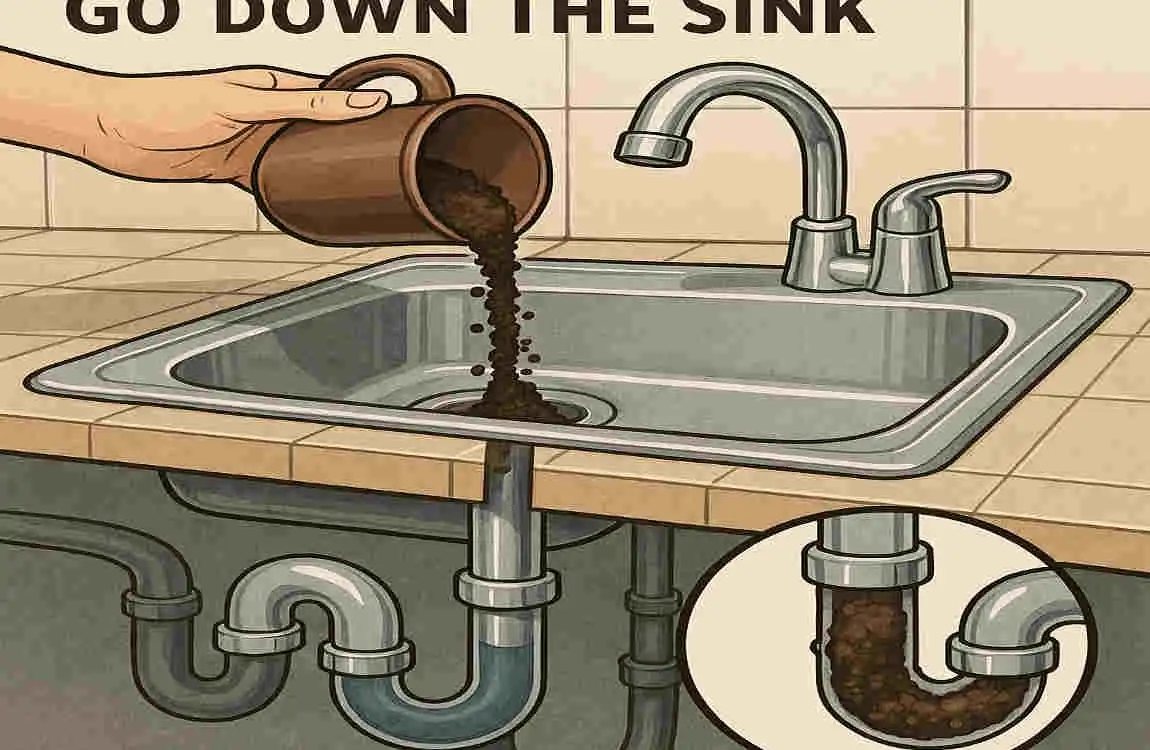
Coffee Grounds Don’t Dissolve in Water
When you pour coffee grounds into water, they don’t break down like sugar or salt. Instead, they maintain their solid form. Over time, these tiny particles can stick together and clump, creating blockages in your pipes.
Sticky Residue and Clogs
Once in your pipes, coffee grounds mix with other substances, such as grease, soap scum, and food debris. This creates a sticky residue that adheres to the walls of your plumbing. Even a small amount of grounds can start a buildup that gradually worsens with every rinse.
The Cumulative Effect
Initially, it might not seem like a big deal. You won’t notice any issues after disposing of coffee grounds down the sink a few times. But over weeks or months, the buildup grows. Eventually, this can lead to total blockages that prevent water from flowing freely through your pipes.
Why Coffee Grounds Are a Major Plumbing Hazard
Formation of Stubborn Blockages
Coffee grounds are notorious for clumping together. When they combine with grease or oil that has also gone down the drain, they form dense, sticky clogs. These blockages are difficult to remove without professional tools or expertise.
Damage to Garbage Disposals
If you think your garbage disposal can handle coffee grounds, think again. While disposals are designed to grind up food waste, coffee grounds are so fine that they can bypass the blades and accumulate in the disposal system. Over time, this can cause wear and tear, leading to costly repairs or even replacement.
Risk of Backups and Overflows
Clogs caused by coffee grounds can lead to bigger problems, such as backups and overflows. A clogged pipe may cause water to back up into your sink or other plumbing fixtures, creating a messy, potentially unsanitary situation.
Costly Repairs
Once coffee grounds cause a clog deep in your plumbing system, fixing it usually requires professional intervention. Depending on the severity, you could face an expensive repair bill. We’ll discuss specific costs later in the article.
Signs Your Plumbing May Be Affected by Coffee Grounds
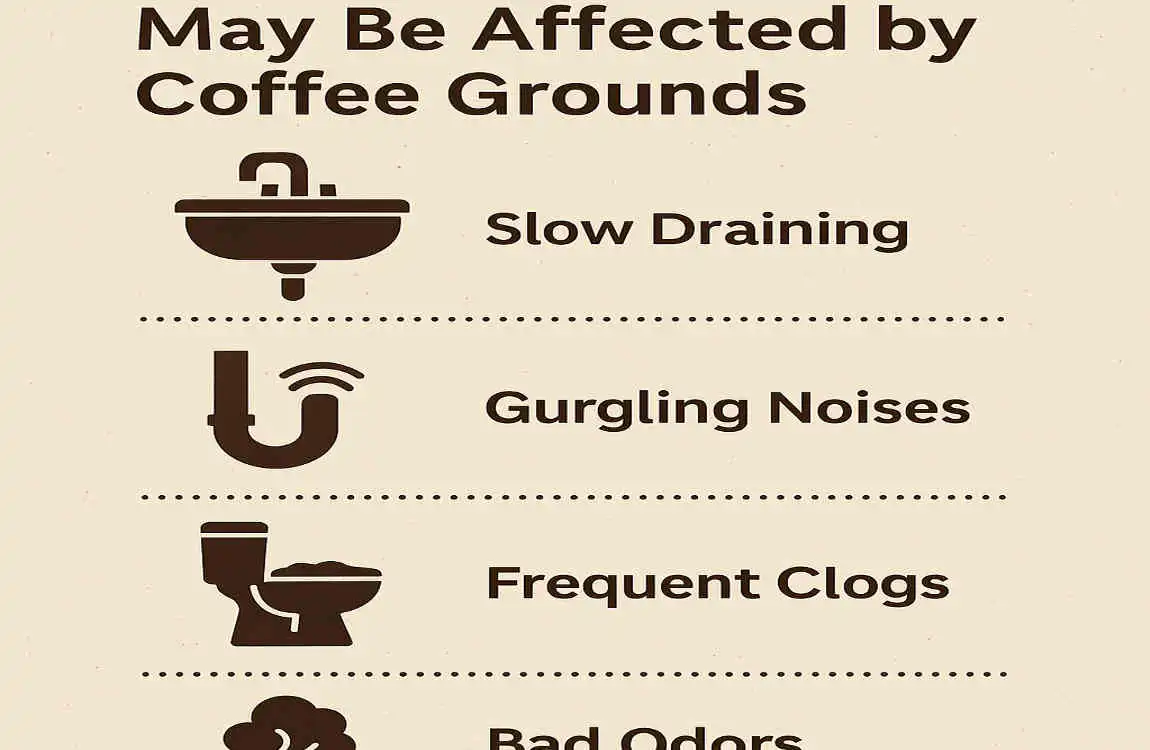
If you’ve been pouring coffee grounds down the sink, you might already be experiencing some plumbing issues. Here are the warning signs to look out for:
Slow Drainage
Is your sink taking longer than usual to drain? This is often the first sign of a developing clog. Coffee grounds, combined with other debris, restrict water flow and create sluggish drainage.
Gurgling Noises
Unusual gurgling sounds from your drain could indicate trapped air due to a blockage. This is a common symptom of coffee ground buildup in pipes.
Frequent Clogs
If you find yourself reaching for the plunger more often than usual, coffee grounds might be to blame. Repeated clogs are a clear sign that something is obstructing your pipes.
Complete Blockages
In severe cases, coffee grounds can cause total blockages. When water won’t drain at all, it’s time to call a professional plumber to assess the damage.
Common Myths About Coffee Grounds and Plumbing
Despite the risks, some homeowners continue to pour coffee grounds down the sink due to common misconceptions. Let’s debunk these myths:
Coffee Grounds Clean Your Pipes
A popular belief is that coffee grounds act as an abrasive, scrubbing away residue inside your pipes. In reality, they do the opposite. Instead of cleaning, they add to the buildup.
Coffee Grounds Are Biodegradable
While coffee grounds are technically organic, they don’t break down quickly in water. They remain solid and can clog pipes just as effectively as synthetic materials.
Garbage Disposals Can Handle Coffee Grounds
Many assume garbage disposals can handle coffee grounds without issue. However, as mentioned before, the fine particles bypass the blades and accumulate in the disposal, leading to damage over time.
Small Amounts Are Harmless
Even small amounts of coffee grounds can contribute to clogs. Habitually rinsing them down the sink, no matter the quantity, is a recipe for plumbing trouble.
How to Properly Dispose of Coffee Grounds
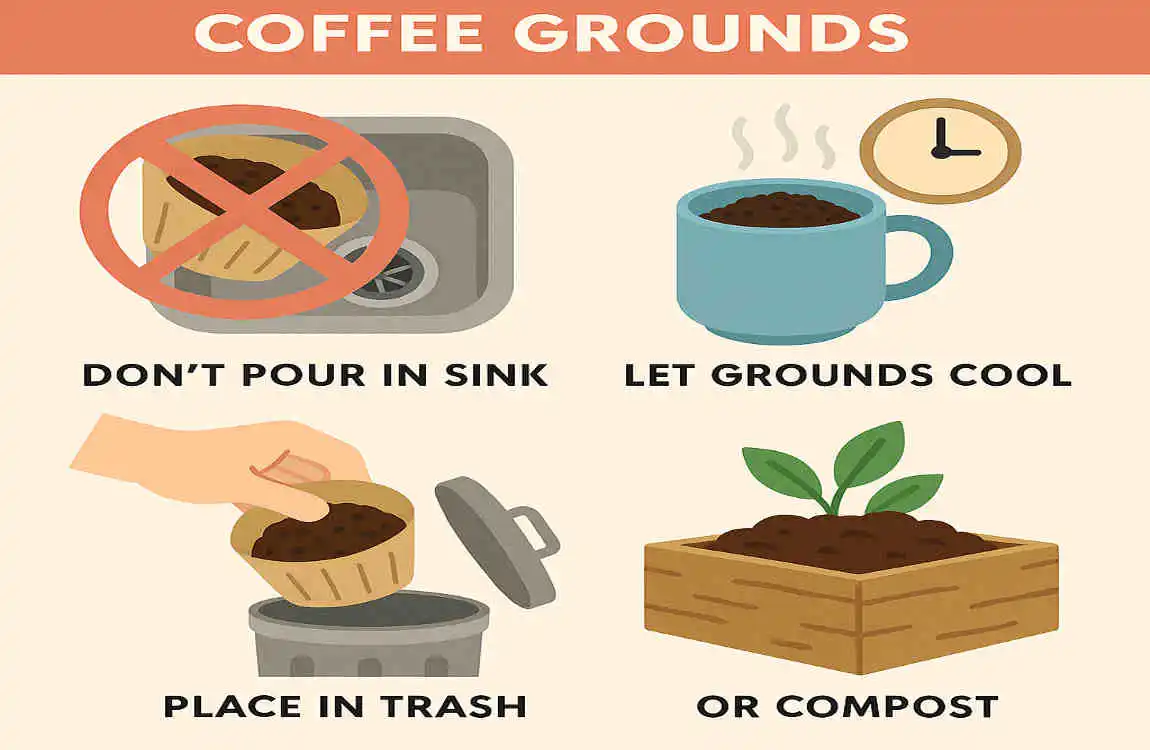
So, if coffee grounds don’t belong in your sink, where should they go? Here are some practical and eco-friendly alternatives:
Composting
Coffee grounds are excellent for compost. They’re rich in nitrogen, which helps create nutrient-dense soil for your plants. Add them to your compost bin or pile.
Trash Disposal
If composting isn’t an option, dispose of coffee grounds in the trash. Use a paper towel to scoop them out of your coffee filter or container and toss them away.
Garden Use
You can sprinkle coffee grounds directly on your garden as a natural fertilizer. They’re particularly beneficial for acid-loving plants like roses, blueberries, and tomatoes.
Tools for Easy Cleanup:
- Use a fine-mesh sink strainer to catch coffee grounds before they go down the drain.
- Clean your coffee maker or French press with a rubber spatula to scoop out grounds efficiently.
Preventive Measures to Protect Your Plumbing
Prevention is always better (and cheaper) than repair. Here’s how you can protect your plumbing from coffee ground damage:
install a Sink Strainer
A sink strainer catches coffee grounds and other debris before they enter your pipes. Empty the strainer into the trash regularly to keep your sink clear.
Flush Pipes with Hot Water
Periodically flush your pipes with hot water to remove grease or soap buildup. This won’t dissolve coffee grounds, but it can help prevent clogs caused by other materials.
Avoid Pouring Any Grounds Down the Drain
No matter how tempting it is, never rinse your coffee maker; always dispose of the grounds in the trash or compost. Consistency is key to maintaining healthy plumbing.
Potential Costs of Plumbing Repairs From Coffee Grounds
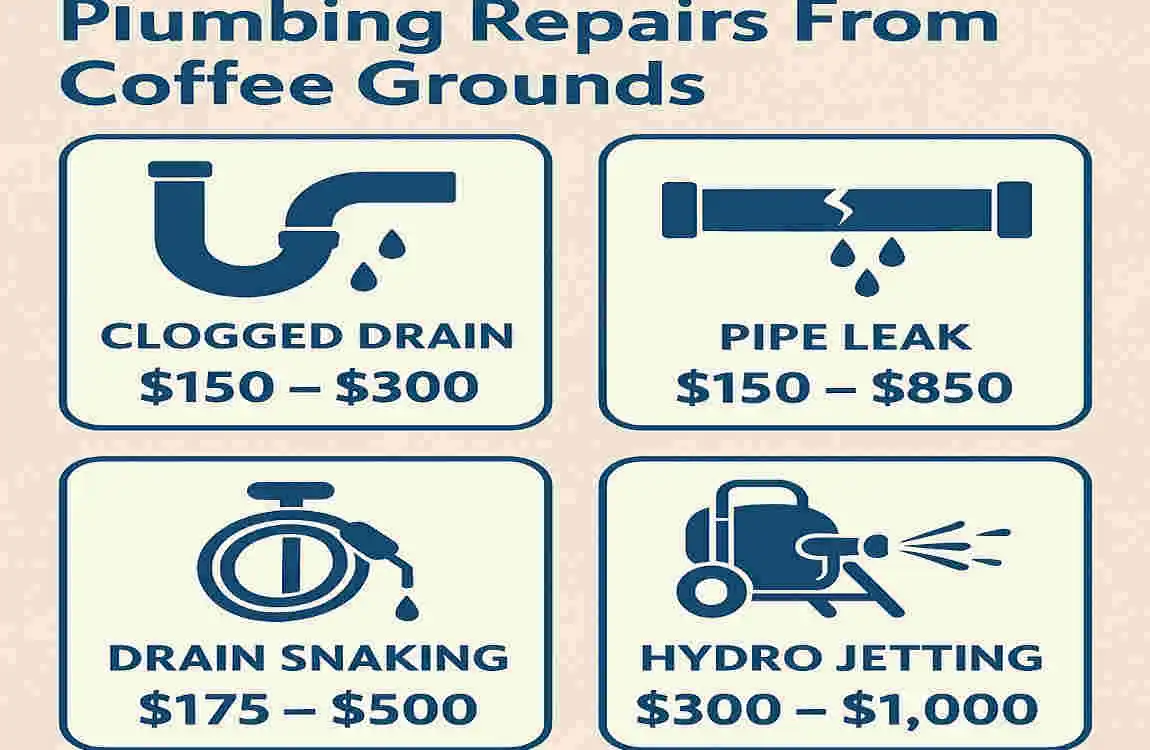
When coffee grounds cause a clog, the repair costs can add up quickly. Below is a breakdown of typical scenarios and their associated costs:
costs:
| Repair Type | Average Cost |
|---|---|
| Drain Cleaning | $100–$300 |
| Garbage Disposal Repair | $150–$400 |
| Pipe Replacement | $500–$2,000+ |
| Sewer Line Repairs | $3,000–$7,000+ |
Are Coffee Grounds Bad for Home Plumbing? FAQ
Are coffee grounds bad for home plumbing?
Yes, coffee grounds are bad for home plumbing. While they may seem harmless, coffee grounds do not dissolve in water. Instead, they clump together and stick to the walls of your pipes, often mixing with grease, soap, and other debris to form stubborn blockages. Over time, this can lead to slow drainage, clogs, and even costly plumbing repairs .
Why do coffee grounds cause clogs?
Coffee grounds are dense and granular, which makes them prone to clumping. When poured down the sink, they combine with other substances like grease or soap residue to form a thick, sticky sludge. This sludge adheres to the inside of your pipes, gradually narrowing the passage for water and eventually causing blockages .
Can coffee grounds damage garbage disposals?
Yes, coffee grounds can damage garbage disposals. While garbage disposals are designed to handle food waste, coffee grounds are so fine that they often bypass the blades and settle in the disposal or pipes. Over time, this accumulation can lead to clogs and wear on the disposal system, reducing its efficiency and lifespan .
Is it okay to pour small amounts of coffee grounds down the sink?
No, even small amounts of coffee grounds can contribute to plumbing issues over time. Habitually rinsing coffee grounds down the sink, no matter the quantity, allows them to accumulate in your pipes. This gradual buildup can eventually lead to significant clogs and costly repairs .
Are coffee grounds biodegradable?
While coffee grounds are organic and biodegradable, they don’t break down quickly in water. Instead of dissolving, they remain solid and can easily clog your plumbing. Their slow decomposition makes them unsuitable for disposal through your sink or garbage disposal .