It’s the dead of winter, and you come home expecting a warm, cosy house. Instead, you’re greeted by a chilling cold. Home heating issues, especially during colder months, are not just inconvenient—they can be downright stressful. Whether it’s a thermostat problem, a clogged filter, or an ageing system, having no heat in your house can feel like a nightmare.
If you’ve ever wondered, “Why is the heat not working in my house?”, you’re not alone. Many homeowners face this problem, particularly when temperatures drop. The good news? Most heating issues can be resolved quickly with the right approach.
Common Reasons Why Heat is Not Working in Your House
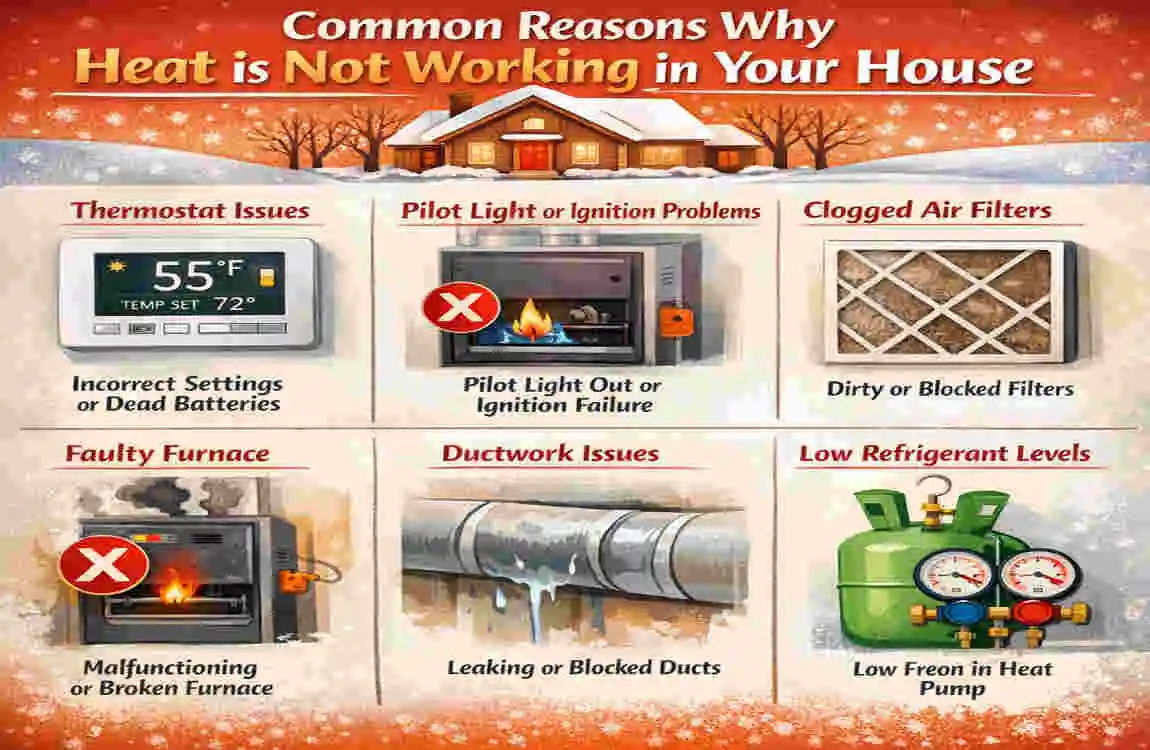
There are several reasons why your home heating system might fail. Let’s break down the most common culprits:
Thermostat Issues
Your thermostat is the brain of your heating system. If it’s not functioning properly, your heater won’t know when to turn on. Here are some signs the thermostat might be the issue:
- The display is blank or unresponsive.
- The temperature settings don’t match the actual room temperature.
- The system doesn’t turn on even when the thermostat is set to heat.
Sometimes, the problem is as simple as dead batteries. Replacing them could fix the issue instantly.
Power Supply Problems
A heater can’t function without power. Tripped circuit breakers, blown fuses, or power outages are common reasons why your heating system might stop working. Here’s how to check:
- Locate your circuit breaker panel.
- Look for any tripped breakers (they’ll be in the middle position).
- Reset the breaker by switching it off and then back on.
If your heating system still isn’t working, there might be an underlying electrical issue that requires professional attention.
Dirty or Clogged Filters
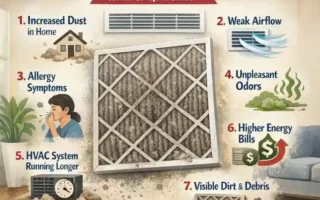
Clogged air filters restrict airflow, reducing your heating system’s efficiency. Over time, dirty filters can even cause the system to overheat and shut down. For optimal performance:
- Replace filters every 1-3 months (depending on usage).
- Check for dust or debris buildup regularly.
Pilot Light or Ignition Issues (for Gas Systems)
If you have a gas heating system, the pilot light or ignition system could be the source of the problem. Without a functioning pilot light, the system cannot produce heat. Common signs include:
- The pilot light is out.
- You hear clicking sounds but no ignition.
To fix this, try relighting the pilot light following the manufacturer’s instructions. If it still doesn’t work, it may be time to call an HVAC technician.
Blocked or Leaky Ductwork
Your heating system relies on ducts to distribute warm air throughout your home. Ductwork blockages or leaks can significantly reduce efficiency. Look out for:
- Uneven heating in different rooms.
- Visible damage or gaps in ducts.
- Increased energy bills.
While minor blockages can sometimes be cleared, larger issues may require professional repair.
Ageing Heating Systems
Old heating systems often struggle to keep up with demand. If your system is over 15-20 years old, it may be time to consider a replacement. Signs of an ageing system include:
- Frequent breakdowns.
- Unusual noises (e.g., banging or rattling).
- Rising energy bills despite regular maintenance.
Step-by-Step Troubleshooting Guide
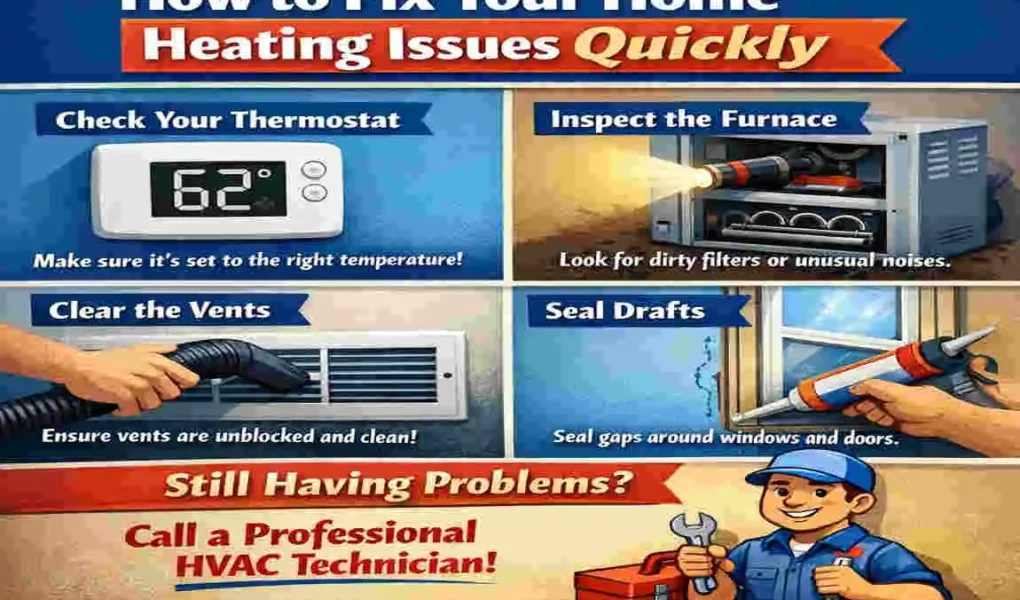
If your heating system isn’t working, don’t panic! Follow these steps to identify and possibly fix the problem:
heck the Thermostat
- Ensure it’s set to “heat” mode, not “cool.”
- Set the temperature higher than the current room temperature.
- Replace the batteries if the thermostat is unresponsive.
Inspect Power Sources
- Check the circuit breaker panel for tripped breakers.
- Confirm that the system is plugged in and the power switch is on.
- Look for visible wiring issues (but avoid touching them).
Examine Air Filters
- Remove the filter and hold it up to a light source. If you can’t see through it, it’s time to replace it.
- Install a new filter according to the manufacturer’s instructions.
Verify the Pilot Light or Ignition System
- If the pilot light is out, relight it using the system’s instructions.
- Do not attempt repairs if you smell gas—call a professional immediately.
Look for Ductwork Problems
- Inspect ducts for visible damage or blockages.
- Seal small leaks with duct tape as a temporary fix.
- For major issues, contact an HVAC technician.
When to Call a Professional HVAC Technician
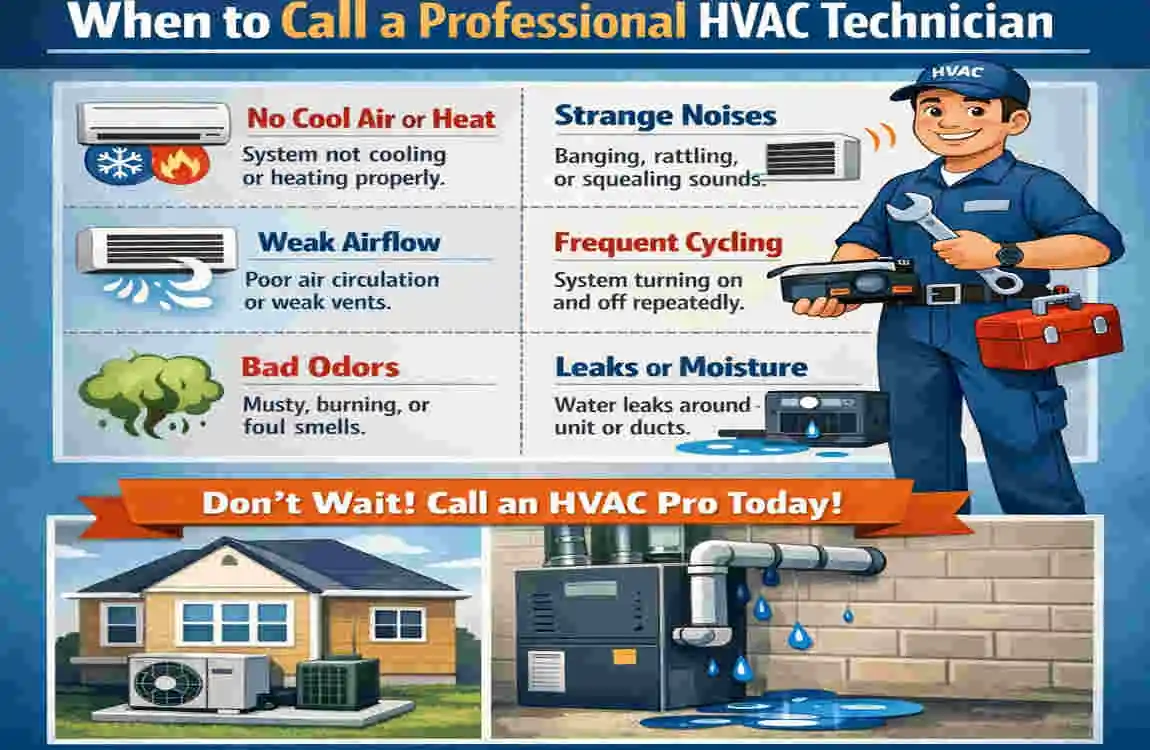
Sometimes, DIY solutions aren’t enough. Here’s when you should call in the experts:
Persistent Heating Problems
If the system continues to malfunction despite troubleshooting, it’s time for professional help.
Complex Repairs
A licensed technician should always handle issues involving motors, electrical wiring, or gas systems.
Routine Maintenance
Scheduling regular inspections can prevent issues before they become major problems.
Cost vs Benefit
If repair costs are too high, consider replacing the system with a more energy-efficient model.
Preventive Measures to Avoid Future Heating Issues
Preventive care can save you time, money, and stress. Here’s how to keep your heating system in top shape:
Preventive Measure Frequency Benefits
Replace air filters every 1-3 months. Improves airflow and efficiency
Schedule HVAC tune-ups annually. Detect and prevent problems
Clean vents and ducts, as needed. Ensures even heating
Upgrade old systems every 15-20 years. Increases energy efficiency
Regular Maintenance
Annual tune-ups by a professional ensure your system is ready for winter.
Filter Replacements
Dirty filters strain your system and reduce its lifespan. Stick to a replacement schedule.
Keeping Vents and Ducts Clean
Vacuum vents and ducts regularly to maintain proper airflow.
Upgrading Old Systems
Modern heating systems are not only more efficient but also more environmentally friendly.
Energy-Efficient Heating Tips
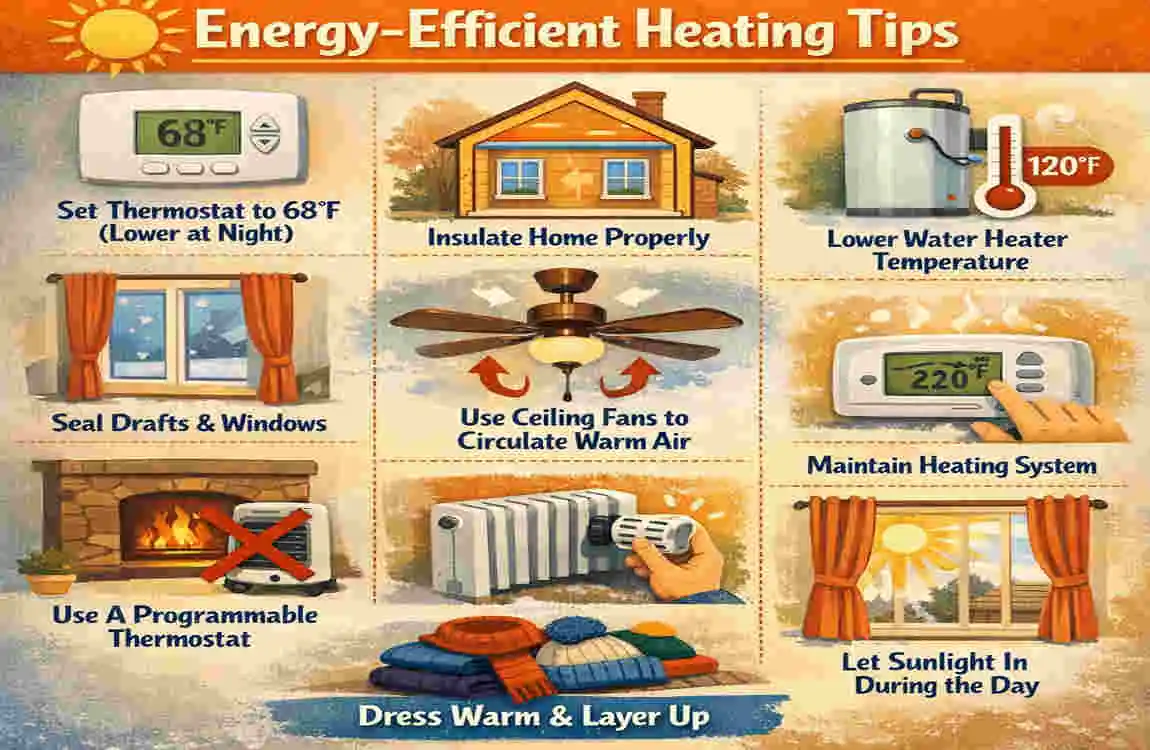
Want to save money on heating bills? Try these tips:
Optimise Thermostat Settings
Use a programmable or smart thermostat to lower the temperature when you’re asleep or away.
Seal Drafty Windows and Doors
Apply weatherstripping or caulking to prevent heat loss.
Utilise Zone Heating
Heat only the areas you use most to save energy.
Insulate Your Home
Proper insulation reduces the strain on your heating system and keeps your home warm longer.
FAQ: Why is the heat not working in the house?
Why is my house cold even though the heat is on?
Your thermostat, air filters, or ductwork might be to blame. Follow the troubleshooting steps above.
How do I know if my furnace is broken?
Look for signs like no heat, unusual noises, or frequent cycling.
Is it safe to troubleshoot heating problems on my own?
Yes, but only for basic tasks like checking the thermostat or replacing filters. Leave complex repairs to professionals.
What should I do if my heating system stops working during a snowstorm?
Use alternative heating sources safely (e.g., space heaters) and contact a technician immediately.
How much does it cost to repair a heating system?
Costs vary depending on the issue but typically range from $100 to $1,000.
| Issue | Possible Cause | Quick Fix |
|---|---|---|
| Heat not turning on | Thermostat settings | Check and set thermostat to “heat” and proper temperature |
| No power to heating system | Tripped breaker or power outage | Reset breaker or ensure power is restored |
| Weak or no airflow | Dirty/clogged air filters | Replace or clean air filters |
| Pilot light won’t stay lit | Faulty pilot light or ignition | Relight pilot light or call technician |
| Uneven heating or cold spots | Blocked or leaky ducts | Inspect vents, remove obstructions, or call professional |
| Heating system not responding | Aging or malfunctioning system | Schedule professional inspection or consider upgrade |