How long to build a house in Florida? This is one of the first questions buyers ask when planning a dream home in the Sunshine State. Whether you want a luxury coastal property, a suburban family home, or a modern prefab house, timing matters.
On average, building a house in Florida takes 8 to 12 months for a standard custom home. Smaller spec homes can finish in as little as 4 to 6 months. In comparison, luxury custom builds may take 12 to 18 months, depending on permits, weather, and design complexity.
Florida remains one of the fastest-growing states in the country. With more than 150,000 residential permits issued yearly, builders and permitting offices often face heavy demand. That means delays can happen even before construction begins.
| Stage | Typical Time |
|---|---|
| Planning and budgeting | 2–6 weeks |
| Permits and approvals | 1–2 months |
| Site prep and foundation | 2–4 weeks |
| Framing and rough-ins | 1–3 months |
| Interior finishes | 1–3 months |
| Final inspections and closing | 2–4 weeks |
A Modern Florida Home Build Environment
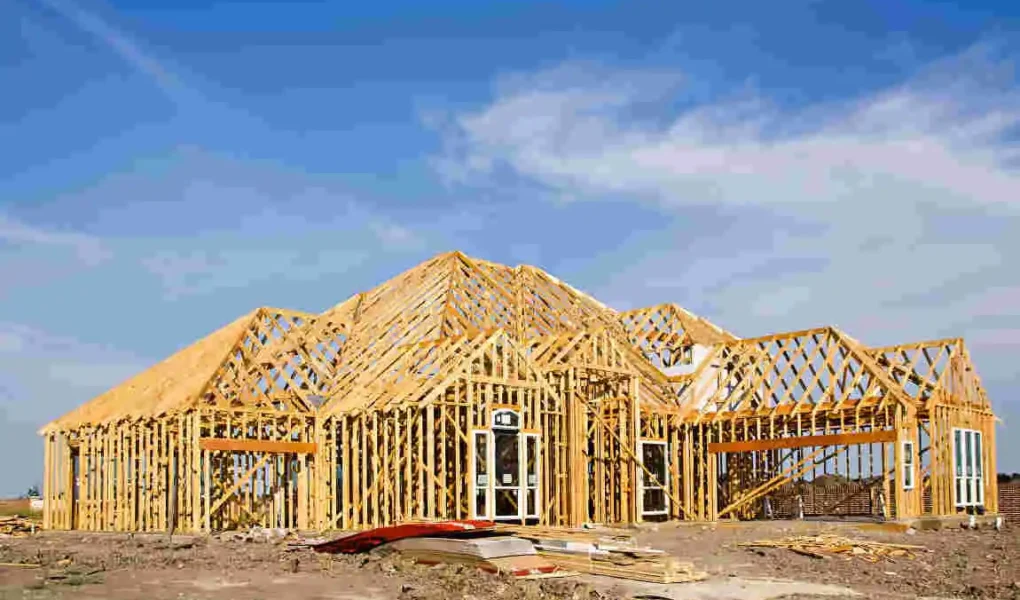
Imagine a newly framed home surrounded by palm trees, warm coastal air, and construction crews preparing hurricane-resistant materials. That’s the reality of building in Florida — beautiful, exciting, but highly regulated.
Florida homes are designed differently than homes in many other states. Builders must prepare for:
- Strong winds
- Flood risks
- Heavy humidity
- Salt-air corrosion
- Tropical storms
These factors directly affect how long construction takes.
Full Timeline Breakdown for Building a House in Florida
The average timeline for a 2,500-square-foot custom home in Florida is approximately 9 months. However, the exact duration depends on several important factors:
- Home size
- Type of construction
- County permit speed
- Material availability
- Weather conditions
- Builder experience
Here’s a quick overview of the major construction phases.
PhaseDurationKey Factors in FloridaPro Tips
Planning & Design 1–3 months Architect selection, lot surveys, hurricane code compliance Use pre-designed plans to save time
Permitting & Approvals 4–12 weeks County reviews, flood checks Start permitting early
Site Prep & Foundation 2–4 weeks Soil conditions, elevation requirements Reinforce foundation for storms
Framing & Exterior 6–10 weeks Weather and lumber supply Build during dry season
Interior & Systems 8–12 weeks Plumbing and electrical inspections Use modular systems
Finishing & Inspections 4–6 weeks Final walkthroughs and Certificate of Occupancy Add extra buffer time
Total 8–12 months Customization level Track progress weekly
Key Phases and Durations
Planning and Design Phase
Timeline: 1–3 Months
This is where your project officially begins. During this stage, you work with architects, engineers, and builders to design your home.
Florida homes often require additional engineering because of hurricane and flood regulations. Coastal properties usually take longer because they need elevation studies and wind-resistance calculations.
What Happens During This Stage?
- Choosing a floor plan
- Hiring an architect
- Surveying the property
- Creating blueprints
- Budget planning
- HOA approvals
- Engineering reviews
Custom homes naturally take longer because every detail is unique.
How to Speed It Up
If you want to reduce delays, consider using a pre-designed floor plan. Many Florida builders already have approved plans that meet state requirements.
This can save:
- 2–4 weeks in design time
- Engineering revisions
- Permit adjustments
Average Cost
Planning and design costs in Florida generally range between:
- $10,000 to $30,000
Luxury homes may exceed this amount.
Permitting and Approvals
Timeline: 4–12 Weeks
Permitting is often the biggest delay in Florida construction.
Every county has different rules. Some rural counties approve permits quickly, while busy areas like Miami-Dade, Orlando, and Tampa may take several months.
Why Permits Take Longer in Florida
Florida counties carefully review:
- Hurricane safety standards
- Flood-zone compliance
- Environmental impact
- Septic systems
- Drainage plans
- Coastal protection laws
Some properties also require state-level approvals.
Counties With Slower Permit Times
These areas commonly experience longer waits:
- Miami-Dade
- Broward
- Orlando
- Tampa Bay
- Naples
Tips to Avoid Delays
You can reduce waiting time by:
- Hiring experienced Florida builders
- Submitting complete paperwork
- Applying during slower seasons
- Using permit expediters
Missing documents can easily add another month to your project.
Site Preparation and Foundation
Timeline: 2–4 Weeks
Once permits are approved, physical construction begins.
The builder prepares the land for construction. In Florida, this phase can be complicated by soil conditions and flood risks.
Key Tasks
- Clearing vegetation
- Grading land
- Soil testing
- Utility setup
- Foundation pouring
Florida-Specific Challenges
Some areas have:
- Sandy soil
- High water tables
- Sinkhole concerns
- Flood elevation requirements
Builders may need extra reinforcement or elevated foundations.
Hurricane Protection Measures
Florida foundations must support strong wind loads. Many builders now design homes to withstand Category 4 or Category 5 storms.
This adds time but improves long-term safety.
Framing and Exterior Construction
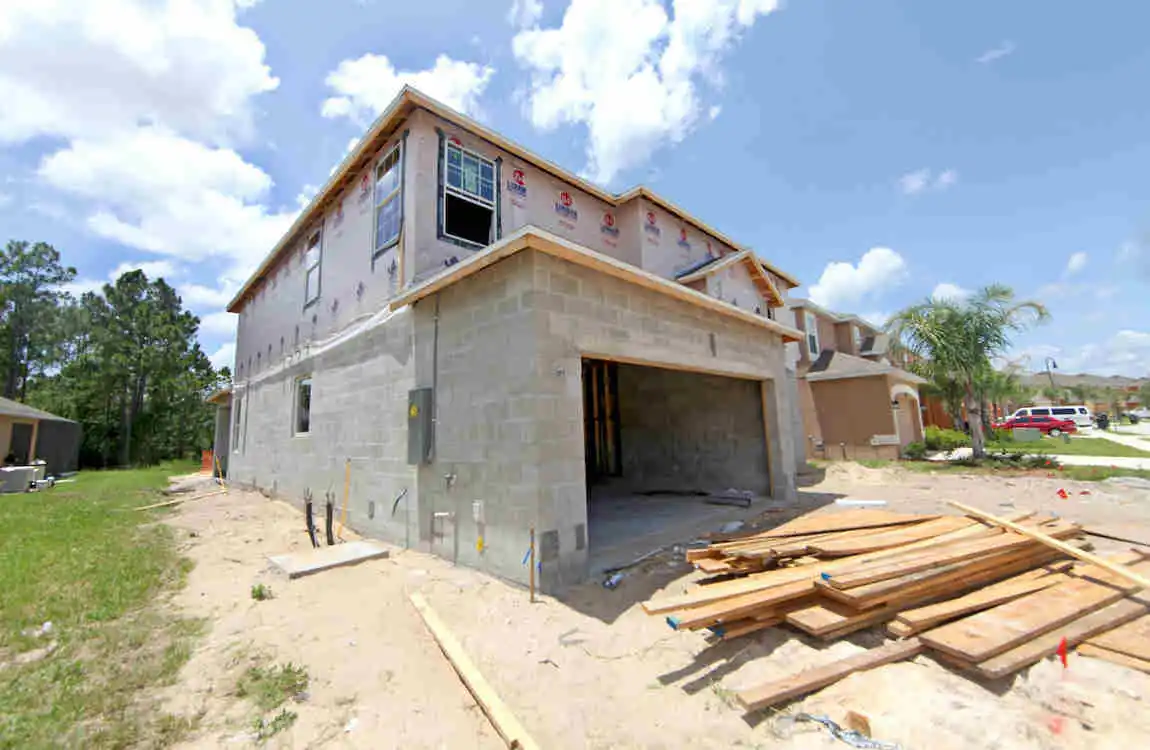
Timeline: 6–10 Weeks
This stage transforms the project into a visible structure.
Work Includes
- Wall framing
- Roof installation
- Window placement
- Exterior sheathing
- Hurricane straps
- Waterproof barriers
Weather Impacts
Rain delays are extremely common in Florida.
The rainy season from June through October can frequently pause work.
Heavy storms may cause:
- Wet framing materials
- Unsafe job site conditions
- Inspection delays
- Delivery interruptions
Best Time to Build
The dry season from November through April is usually ideal.
Builders often schedule framing during this period to avoid moisture damage.
Interior and System Installation
Timeline: 8–12 Weeks
Once the home is dried in, crews begin interior work.
Systems Installed
- Plumbing
- Electrical wiring
- HVAC systems
- Insulation
- Drywall
- Flooring
- Cabinets
This phase involves multiple inspections.
Why Inspections Matter
Florida inspectors carefully verify:
- Electrical safety
- Energy efficiency
- Plumbing code compliance
- Hurricane tie-down systems
Failed inspections can stop progress immediately.
How to Save Time
Some builders use modular construction systems or pre-assembled materials to reduce labor time.
This can shave several weeks off the timeline.
Finishing and Final Inspections
Timeline: 4–6 Weeks
The final stage focuses on details and approvals.
Final Tasks Include
- Painting
- Fixtures
- Landscaping
- Appliance installation
- Walkthroughs
- Punch-list repairs
Certificate of Occupancy
Before moving in, the county must issue a Certificate of Occupancy (CO).
Without this document, the home cannot legally be occupied.
Smart Planning Tip
Always include an extra 2-week buffer for unexpected repairs or inspection corrections.
Even small issues can delay final approval.
Florida-Specific Challenges That Affect Build Time
Florida construction comes with unique obstacles compared to other states.
Understanding these issues can help you avoid surprises.
Hurricane Codes
Florida has some of the strictest building codes in the nation.
Homes must resist:
- High winds
- Flying debris
- Heavy rain
- Flooding
Common Requirements
Builders often install:
- Impact-resistant windows
- Reinforced roofing
- Hurricane straps
- Stronger garage doors
These features improve safety but add extra construction time.
In many cases, hurricane compliance can add 2–4 additional weeks to a project.
Weather Delays
Florida’s tropical climate creates unpredictable work conditions.
Rainy Season Problems
From June through October, outdoor work slows significantly.
Construction crews may lose:
- 20–30% of scheduled workdays
- Concrete pouring opportunities
- Roofing installation days
Storms can also damage materials waiting on-site.
Permitting Differences by County
Permit timelines vary dramatically across Florida.
Rural Areas
Smaller counties may approve permits within:
- 30 days
Busy Metro Areas
Larger cities often require:
- 60–90+ days
Some coastal communities have additional environmental reviews.
Labor Shortages
Florida’s housing boom created major labor demand.
Builders frequently struggle to schedule:
- Electricians
- Roofers
- Framers
- Concrete crews
Waiting for subcontractors may add another 4–6 weeks to construction.
Experienced builders usually manage these delays better because they already have trusted crews.
Cost Factors Affecting Construction Timeline
Budget and timeline are closely connected.
Higher budgets can speed up construction because builders can:
- Order premium materials faster
- Hire larger crews
- Reduce scheduling gaps
Average Florida Building Costs in 2026
Construction costs in Florida generally range between:
- $150–$300 per square foot
Luxury coastal homes can exceed this range.
Build Type Comparison
Build TypeTimelineCost Per Sq Ft
Stick-Built Custom 10–14 months $250–$350
Modular/Prefab 4–7 months $180–$250
Spec Home 4–6 months $150–$200
Why Prefab Homes Are Faster
Modular homes are partially built in factories before arriving on-site.
This reduces:
- Weather delays
- Labor interruptions
- Material shortages
However, some customization options may be limited.
Material Availability
Supply chain problems still affect the industry.
Common delayed materials include:
- Windows
- Roofing products
- HVAC systems
- Cabinets
Special-order luxury finishes can significantly extend timelines.
Expert Tips for Building a House Faster in Florida
Choose Experienced Florida Builders
Florida construction codes are complex.
Experienced builders understand:
- Permit systems
- Hurricane standards
- Local inspections
This reduces costly mistakes.
Secure Financing Early
Construction loans often require:
- 20–25% down payments
- Detailed project approvals
- Contractor verification
Delays in financing can postpone your project immediately.
Build During Dry Season
Starting construction between November and April helps reduce interruptions caused by rain.
This is one of the simplest ways to stay on schedule.
Use Impact-Resistant Materials
Quality materials pass inspections faster and reduce future repairs.
Cheap materials often fail inspections.
Hire a Local Inspector
Independent inspectors can identify issues before county inspections occur.
This prevents failed inspections and rework.
Prepare for Supply Delays
Always order materials early.
Post-2025 tariffs and shipping delays continue affecting construction products.
Consider Green Building Options
Energy-efficient homes may qualify for:
- Tax credits
- Utility savings
- Insurance discounts
Solar-ready homes are becoming increasingly popular in Florida.
Avoid Scope Creep
Changing plans during construction is one of the biggest causes of delays.
Even small design changes can affect:
- Permits
- Materials
- Labor schedules
Finalize decisions early.
Track Progress Weekly
Stay actively involved in the project.
Request regular updates from your builder about:
- Inspection schedules
- Material deliveries
- Upcoming phases
Project management apps can help you monitor progress.
Work With Realtors for Better Lot Selection
Not all Florida lots are equal.
Some properties may have:
- Wetlands restrictions
- Flood issues
- Easement complications
Choosing the right lot from the beginning can save months of delays.
Expert Insight
“In Florida, permits are often the biggest source of delays. Homeowners should always budget extra time and stay flexible throughout the process.”
Common Mistakes to Avoid
Underestimating Permit Delays
Many homeowners assume permits will take only a few weeks.
In reality, approvals can stretch much longer in busy counties.
Always add buffer time to your schedule.
Ignoring Flood Zones
Flood-zone properties may require:
- Elevated foundations
- Additional engineering
- Insurance adjustments
Failing to research flood maps early can lead to costly redesigns.
Choosing Cheap Materials
Low-quality products often fail inspections or require replacement later.
Investing in durable materials helps avoid setbacks.
FAQs About Building a House in Florida
How long does it take to build a house in Florida on average?
Most custom homes take between 8 and 12 months. Modular homes may finish faster, while luxury homes can take over a year.
What is the fastest way to build a home in Florida?
Modular or prefab homes are usually the fastest option.
Many can be completed within 4–6 months.
Do hurricanes delay home construction?
Yes. Hurricane season can delay outdoor construction by several weeks or even months.
Storm damage and rain interruptions are common.
How much do permits cost in Florida?
Permit costs vary by county and project size.
Most homeowners spend between:
- $5,000 and $20,000
Are Florida building codes changing in 2026?
New hurricane-related updates may increase inspection requirements and slightly extend timelines.
Builders continue to adapt to stronger storm-protection standards.
Can I live on-site during construction?
This depends on local regulations and safety conditions.
Most counties restrict occupancy until the Certificate of Occupancy is issued.
Is it cheaper to buy or build in Florida?
It depends on the market.
Building allows customization but often costs more upfront than buying an existing home.